




Barriers to Commercialization Still Exist For Hybrid Truck Industry
Hybrid drivetrain technology has the potential to improve fuel economy by 20 to 50 percent on medium- and heavy-duty trucks
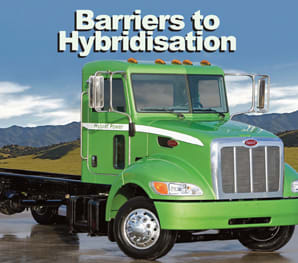
(Photo courtesy of Peterbilt)
Hybrid drivetrain technology has the potential to improve fuel economy by 20 to 50 percent on medium- and heavy-duty trucks.
The technology can also reduce greenhouse gas emissions and smog-forming pollutants by the same percentage. With such benefits to the trucking industry, why is the hybrid truck industry still in an early stage, almost 10 years behind the market introduction of passenger hybrids?
According to The Hybrid Commercial Vehicles Report, published by SupplierBusiness, an IHS Global Insight Company, all the major truck manufacturers and hybrid system developers in the U.S. are on board with the technology. Many have prototypes or are developing hybrid models. In addition, many fleets have shown interest in using hybrid trucks, with adoption from FedEx Express, UPS and Coca Cola, to name a few. The hybrid truck industry has grown from only 200 vehicles in 2006 to an expected 5,000 in 2010, the report says.
But not enough fleets have adopted the technology to keep costs down and kick commercialization of hybrid technology into full gear. The SupplierBusiness report says that in order to reduce the price premium to an acceptance level, each manufacturer would need sales to range from 5,000 to 8,000 units per year. Currently, fleet sales are in the 500 to 1,000 range per year for each manufacturer.
There is some hope: "Government support may help resolve this cost dilemma by providing consistent, long‐term help with the costs faced by both manufacturers and truck buyers," the report says.
Funding the Upcharge
The cost of a hybrid vehicle is a large barrier to market adoption among fleets. For example, commercial vehicles need considerably larger and heavier battery packs to support an electric hybrid solution, and these batteries can represent a considerable upcharge.
This is where government funding comes into play. Several states offer incentives under Clean Cities' initiatives, including New York, California, Texas and Colorado. The California Air Resources Board created the California Hybrid Truck and Bus Voucher Incentive Project, which hands out vouchers ranging from $10,000 to $45,000 to fleets that purchase and use medium- and heavy-duty hybrid vehicles in California. A federal tax credit offers up to $7,500 for plug-in electrics. In addition, the new U.S. stimulus bill includes funding aimed at alternative fuel and clean vehicles, according to the report.
"Within the U.S. significant funding that is likely to support the purchase of medium- and heavy-duty trucks is now emerging at both state and national level," the report said.
The Environmental Benefits
While hybrid vehicles can reduce a fleet's operating costs, especially in urban environments, the trucks also reduce emissions and improve fuel economy. According to the SupplierBusiness' report, hybrid technology in trucks can save more fuel and emit less carbon dioxide than using the technology on passenger vehicles. Medium-duty trucks can save 300 to 700 gallons of fuel a year and three to eight tons of carbon dioxide emissions.
The report says the use of hybrid trucks can reduce emissions of nitrogen oxides and particulate matter, more so than exhaust aftertreatment and efficient combustion measures.
"Furthermore, targeting commercial vehicles in urban environments brings additional emissions benefits close to centres of population, including a reduction of noxious gases and noise," the report said.
Hybrid Commercialization
While there is some momentum among the hybrid truck market, the recent economic downturn may have set the industry back even further, according to the SupplierBusiness report. The state of the economy has had a negative effect on demand for hybrid commercial vehicles, with large commercialization even further out on the timeline.
However, strict emissions regulations coupled with government grants have buoyed the U.S. market for Class 6, 7 and 8 trucks, the report says. Kenworth, Peterbilt, Navistar and Freightliner have all introduced Class 8 hybrid models. Prototype tests are underway with major operators such as Wal-Mart.
So, what's ahead for the hybrid truck market?
According to Pike Research, fleet sales are expected to reach 830,000 units worldwide in 2015, with hybrids reaching 8 percent of all fleet sales in North America by 2015. Early adopters will include government, university and utility company fleets.
Meanwhile, the Hybrid Truck Users Forum estimates a market of about 21,000 hybrid trucks in the U.S. in 2015, growing to about 65,000 in 2020.
"Today within the U.S. hybrid truck deployment is considered to be at a 'tipping point,' with production volumes still too low to deliver the economies of scale required to reduce the large on‐cost of a hybrid system, and the government's efforts in incentives are likely to provide an effective boost to production volumes," the report said.
More Fuel Smarts
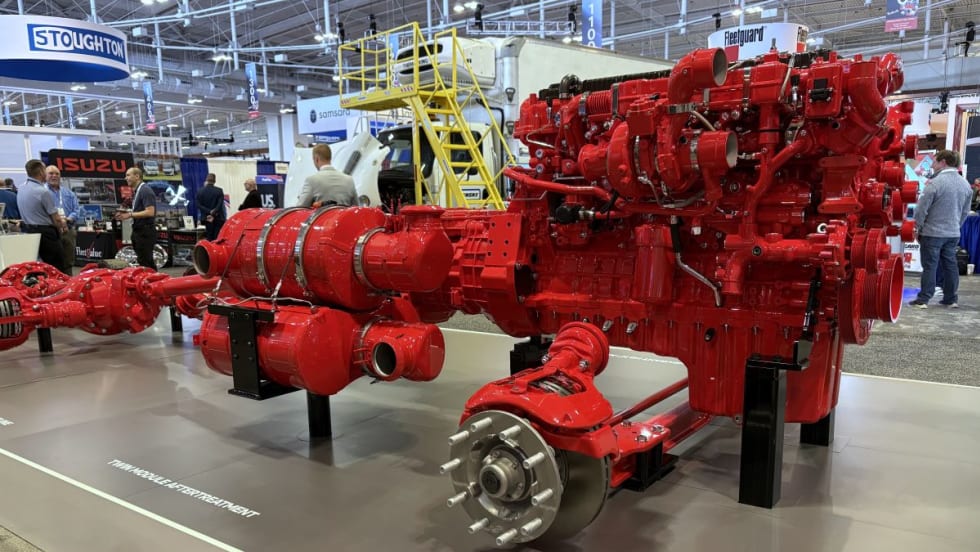
Cummins Adjusts 2027 Engine Rollout After EPA Proposal
The engine maker will gradually introduce its new Model Year 2027 diesel engines while continuing to offer current models during the transition, citing the EPA's proposed emissions rule changes.
Read More →
EPA Proposal Could Ease 2027 Truck Costs and Buying Uncertainty
The proposal doesn't change the tougher NOx standard, but it would revise key implementation requirements that manufacturers say have driven up costs and complicated fleet purchasing decisions.
Read More →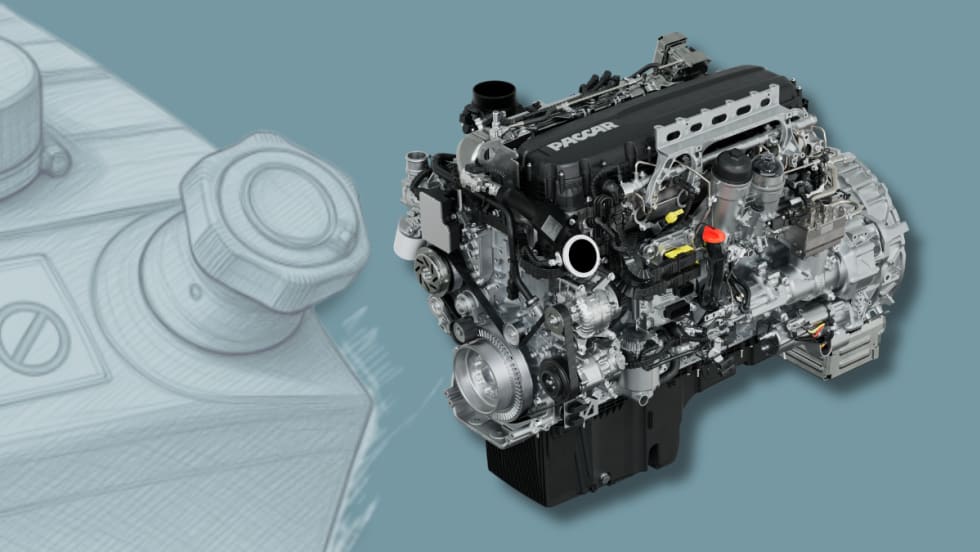
Cummins, Paccar Ease DEF Derates After EPA Guidance
Updated diesel engine software gives truck operators more time to address emissions-system issues while staying compliant with EPA emissions standards.
Read More →
Maintenance in the Messy Middle Part 3: Biodiesel
Biodiesel can reduce emissions, improve fuel-system lubricity and use existing diesel infrastructure. But NACFE’s Messy Middle maintenance report says fleets must actively manage storage, cold-weather operation, filters and oil drain intervals to avoid problems.
Read More →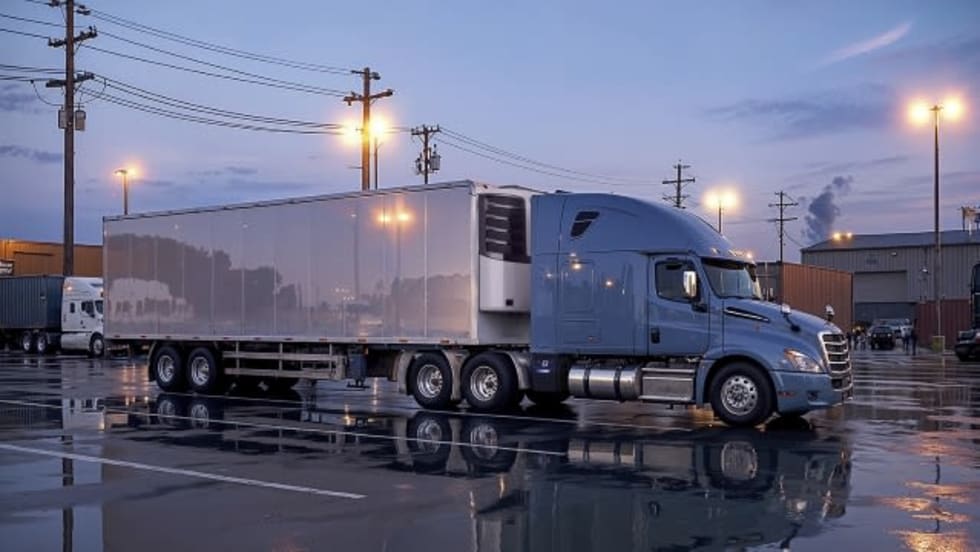
Enhance Fleet Performance with High-Efficiency Auxiliary Power Units
Drive sustainable cost savings while increasing driver comfort during short- and long-haul logistics operations.
Read More →
Maintenance in the ‘Messy Middle’ Part 2: Renewable Diesel Fuel
NACFE's latest Messy Middle Powertrain Service & Maintenance report says renewable diesel gives fleets an opportunity to reduce carbon emissions without changing trucks, fueling infrastructure or maintenance practices. But technicians still need to understand several important operational differences.
Read More →
The Diesel Engine Enters NACFE’s ‘Messy Middle’
NACFE’s new Messy Middle Powertrain Service & Maintenance report says keeping modern diesel engines running now depends as much on software, diagnostics and data as traditional mechanical service.
Read More →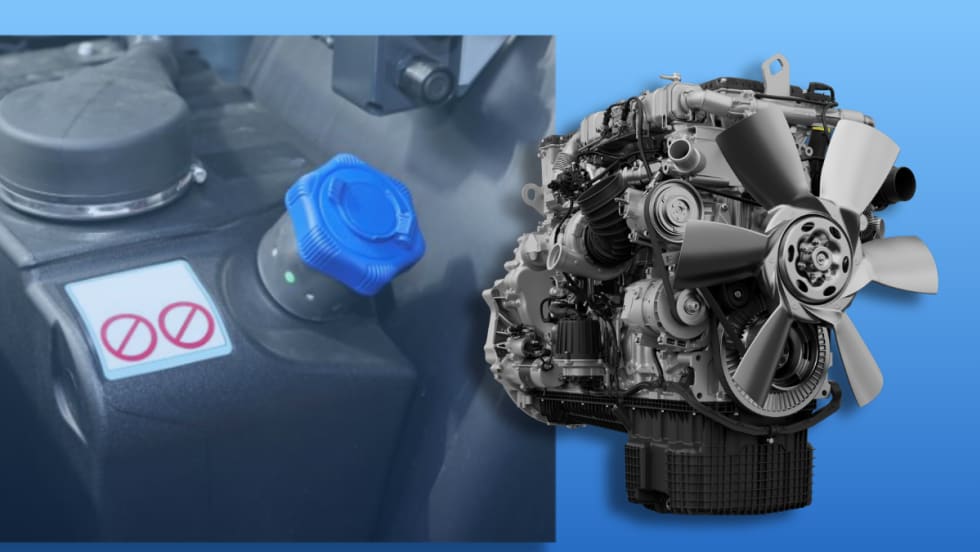
DTNA Software Update Gives Truckers More Time Before DEF Derates Take Effect
The changes reflect EPA guidance aimed at reducing downtime caused by emissions-system faults while maintaining compliance requirements.
Read More →
New Agentic Predictive Maintenance Report Demonstrates How Degraded Aftertreatment Systems Waste Fuel
Questar analyzed a large mixed-class fleet and discovered it was wasting as much as $30 in fuel per vehicle, per day, because of mechanically degraded aftertreatment systems.
Read More →
New York City's Microhub Project is Delivering Results
Trucking, last-mile delivery companies, and environmental advocates like what they are seeing so far with New York's microhub program.
Read More →