




Are Your Batteries up to the Challenge?
If there's a problem with your truck's electrical system, simply replacing the bad batteries with fresh ones may consign those to the scrap bin, too


If there's a problem with your truck's electrical system, simply replacing the bad batteries with fresh ones may consign those to the scrap bin, too.
Most batteries don't require much in the way of maintenance anymore. Inspect the case for damage, clean the terminals and you're good to go.
But batteries do fail, and a single weak or damaged cell can take down a group of batteries. Electrical current, like water, flows to the lowest point - in this case, the cell with the lowest charge. So even with all systems shut off, current will still flow from good batteries to the bad one because the cells are connected. The first step is to identify the problem battery cell.
"You have to disconnect all the batteries in the group and test them individually," says Gale Kimbrough, engineering and technical services manager at Interstate Battery. "Today's conductivity testers can test a pack of four batteries in a group, but they may not isolate the bad one. The testers can also be influenced by corrosion on the terminal connectors causing small voltage drops."
If you can determine which battery is faulty, remove it and find out why it failed.
"Generally only one of the batteries in the pack is bad; the rest are likely discharged due to the bad battery," says Bruce Purkey of Pur key's Fleet Electric.
If no battery stands out from the rest, perhaps the problem lies elsewhere, such as in the charging system, or a short or current draw somewhere there shouldn't be. That pushes the problem somewhere upstream of the batteries, out of the sphere of battery maintenance, yet the problems are intimately related.
Parasitic loads are created by onboard electronics, such as communications and instrumentation systems.
"If the engine is inactive for a long enough time, parasitic loads will drain the battery to discharge, at which point they are unable to maintain a voltage that is high enough for proper operation of electronic equipment," says Kalyan Jana, development support manager for specialty markets at EnerSys, makers of Odyssey batteries. "The battery probably will not be able to turn the engine if it is discharged to less than 70% of the battery's capacity."
In order to prevent excessive discharge of the battery when the vehicle is inactive for an extended time, Jana recommends connecting the batteries to an appropriately rated trickle charger, or disconnecting the negative battery cable to prevent excessive discharge.
Proper charging is key to performance and longevity, especially with absorbed glass mat batteries, says Brad Bisaillon, strategic accounts and transportation sales manager for Trojan Battery.
"Batteries discharge during use as well as self-discharge when idle," he says. "While in storage, batteries should be charged periodically to ensure they do not remain at a low state of charge."
Bisaillon says charge time will depend on how deeply the batteries have been discharged.
"Deeply discharged batteries will take longer to charge, while those with shallower discharges will take less time," he says. Battery charging should be limited to 16 hours, and most chargers are programmed for this as a safety feature. Be sure to set the battery charger for the appropriate program for AGM batteries.
You can see that while most of today's batteries can be considered "maintenance free," that is not totally true. Maintenance and service issues may have just been shifted away from the batteries themselves, but the problems certainly haven't gone away. If you're waiting for problem-free batteries, you could be waiting a while.
More Fleet Management
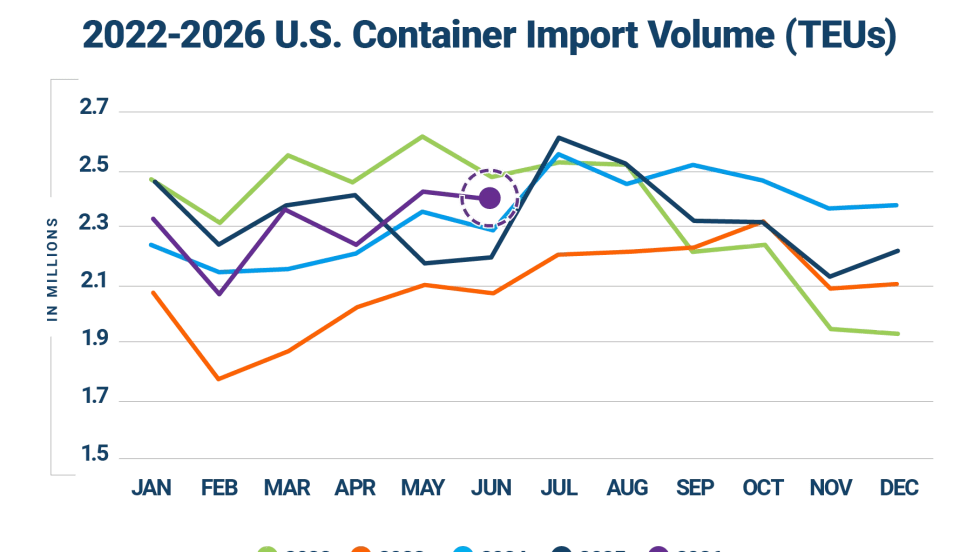
Import Cargo’s Early Peak Season is Winding Down
There was an early start to peak season this year at the nation's gateway ports, as retailers brought in merchandise ahead of tariff changes in late July and responded to other supply chain uncertainties,
Read More →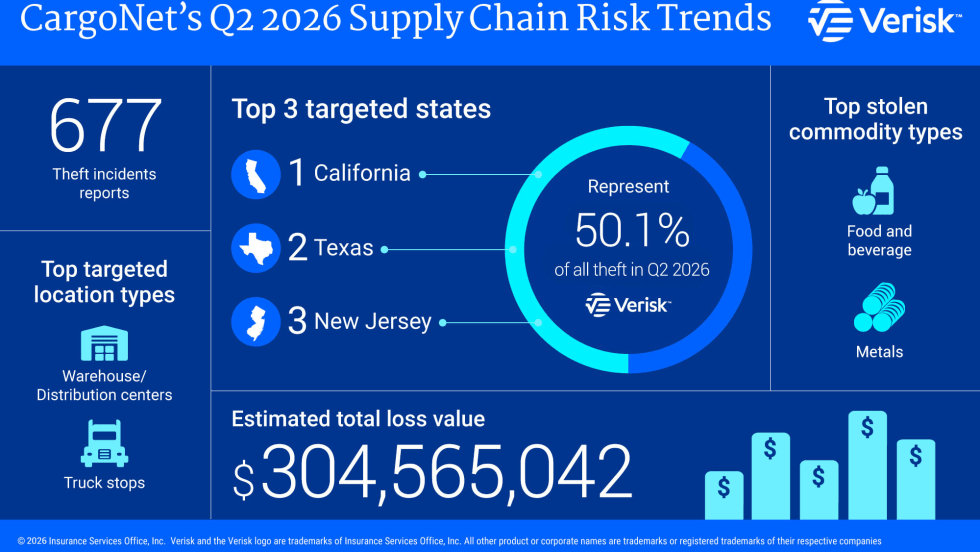
Fewer Cargo Thefts, Bigger Losses: Criminals Target Higher-Value Loads
CargoNet says organized theft rings are stealing fewer shipments but choosing more valuable freight, including metals and technology, resulting in record losses.
Read More →
How Innovative Trucking Leaders Turn Change Into an Advantage
As the pace of change accelerates in trucking, the fleets that adapt best have more than the latest technology. They have cultures that embrace improvement.
Read More →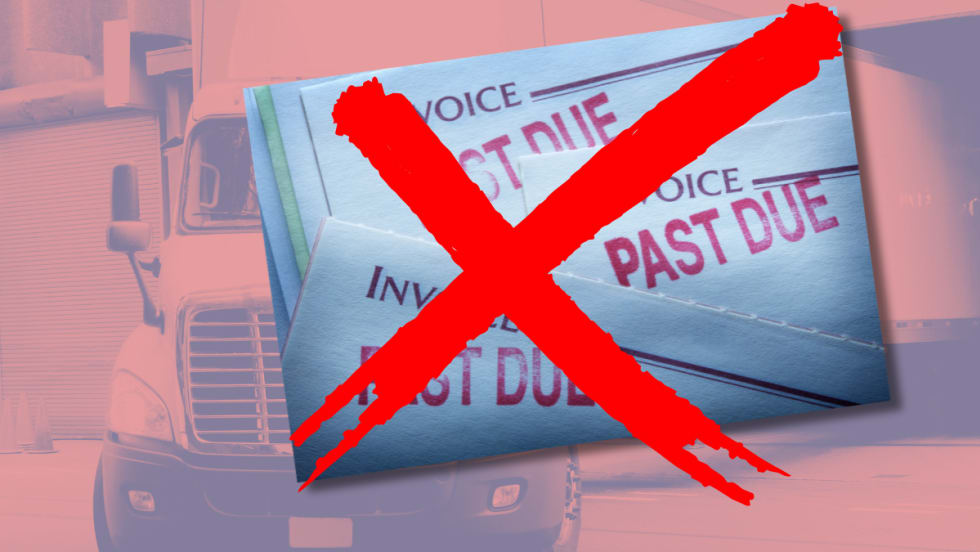
Freight Broker Bonds Just Got Harder to Get. Here's What That Means for Your Fleet.
When it gets harder for a freight broker to prove they are financially sound, the ones who cannot clear that bar get pushed out of the market. And those are exactly the brokers who used to leave motor carriers holding the bag.
Read More →
Long-Awaited Canadian Border Bridge to Open in Detroit
For trucking, the bridge opening should offer immediate improvements in efficiency and reliability, with new customs facilities, expanded inspection capacity, and direct freeway-to-freeway connections.
Read More →
Aurora Rolls Out Next Generation of Driverless Trucks for Commercial Freight
Aurora's latest autonomous trucks it's rolling out with International feature lower-cost hardware designed for a million miles as the company expands commercial driverless freight operations across the U.S. Sun Belt.
Read More →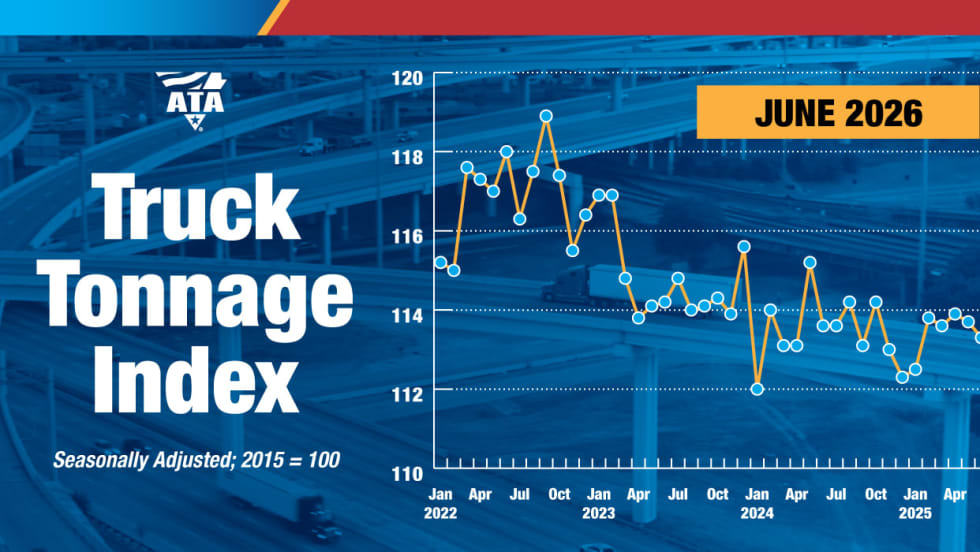
Freight Tonnage Down, Rates up, as Lower Capacity Powers Trucking Recovery
The recovery from the freight recession continues to be driven by reduction in capacity rather than by increased demand.
Read More →
Think Your Trucking Fleet Isn't Using Much AI? Think Again
Shadow AI — the use of unauthorized artificial intelligence tools at work — is becoming increasingly common, putting sensitive company data at risk. Learn how trucking fleets can protect sensitive data while embracing AI.
Read More →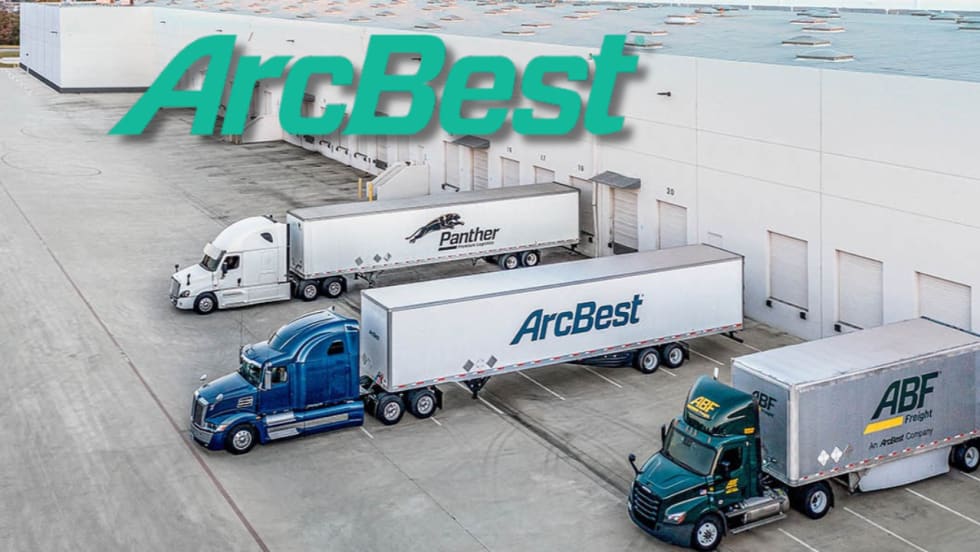
ArcBest Consolidates Brands, Cuts Workforce
The company will bring three business units under the ArcBest brand, eliminate about 2% of positions, and expects the changes to generate $40 million in annual savings.
Read More →
Trucking Fleets Faced Record Operating Costs During Third Year of Freight Recession
ATRI's annual operational cost report shows carriers trimmed fleets, delayed equipment purchases, and ran older trucks as expenses continued to outpace freight rates.
Read More →