




Air Force Truckers Haul U.S. out of Iraq
Air Force truckers from the 70th Medium Truck Detachment and convoy escort team soldiers of B Troop, 1-94 Cavalry, Pine City, Minn., Army National Guard, met for the first time on Oct. 26. Only hours later, these men put their lives in one another's hands as they convoyed throughout Iraq, hauling out cargo as the U.S. withdraws from the country
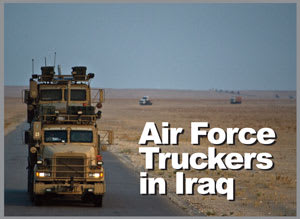
A U.S. Air Force M915 tractor from the 70th Medium Truck Detachment leads a convoy of 43 vehicles through Iraq with a load of equipment and supplies. They traveled 1,100 miles in seven days. (Photo by Master Sgt. Jeffrey Allen)
Air Force truckers from the 70th Medium Truck Detachment and convoy escort team soldiers of B Troop, 1-94 Cavalry, Pine City, Minn., Army National Guard, met for the first time on Oct. 26. Only hours later, these men put their lives in one another's hands as they convoyed throughout Iraq, hauling out cargo as the U.S. withdraws from the country.
The 350 airmen of the 70th and 424th MTD are on the roads in Iraq every day, transporting cargo and other items out of the country in support of the Dec. 31 deadline for U.S. forces to be out of Iraq.
In recent months, the 387th Expeditionary Logistics Readiness Squadron has increased its amount of missions trucking out cargo from Iraq by approximately 200%.
"When we first got here last month, the squadron was averaging about 11 missions per week," said Lt. Col. John O'Connor, 387th ELRS commander and native of Albany, Ga. The squadron now is on track to average about 35.
Commanding convoys alongside their Army brethren, airmen here have been carrying out the trucking mission in Iraq since November 2005.
Convoying from base to base in Iraq is no stroll through the park. Three hours before every leg of the trip, preparation begins. Airmen line up their contracted drivers, making sure their vehicles are ready for the ride. The gun trucks mount their weapons and conduct radio checks. Finally, the gun truck and convoy commanders brief their troops on their upcoming day and hit the road.
During the next six nights, these service members will travel through 1,100 miles of desert, city roads and highway, with every inch of every mile possibly hiding a bullet, roadside bomb or rock meant for one of these young men.
During their trip, the convoy faced a variety of problems. An airmen's truck caught on fire, yet a soldier was there within 90 seconds to help him put out the flames. The Army's radios wouldn't communicate with the truckers, so an airman reprogrammed their radios so everyone could communicate. Teamwork prevailed and the success and safety of the mission are reflected in the numbers.
"During the mission, we extracted about 250,000 pounds of cargo," said U.S. Air Force Tech. Sgt. David Perez, convoy commander and native of Santa Fe, N.M. The cargo that Perez refers to came from two different locations in Iraq and consisted of vehicles, uniforms, equipment, etc.
The six nights the two teams spent together brought both services together. "Look me up on Facebook," said one airman to a soldier as they parted ways on their final day.
More Fleet Management

How Telematics Improves Visibility, Control, and Performance in Refrigerated Fleets
Explore how telematics help refrigerated fleets improve visibility, uptime, efficiency, compliance, and cargo protection across connected cold chain operations.
Read More →
What the U.S.-Canada Trade War Means for Trucking
Escalating U.S.-Canada tariffs could disrupt cross-border freight, reduce truck volumes, raise costs, and create new uncertainty for carriers on both sides of the border.
Read More →
What Are Trucking’s Top Concerns for 2026?
The American Transportation Research Institute wants to know what's worrying trucking fleet managers, drivers, and other stakeholders in its annual Industry Issues survey.
Read More →

American Trucking Associations Looks for a New Leader
ATA President and CEO Chris Spear abruptly left his job at the association on August 21, at a pivotal time for the trucking industry.
Read More →
Public Wi-Fi Cybersecurity Risks: How Truck Drivers and Fleets Can Protect Their Data
Public Wi-Fi can expose truck drivers and fleets to credential theft, malware, and other cyber threats. Here’s how to reduce the risk on the road.
Read More →
For Nicky Cupp, Fleet Innovation Starts With Frustration
HDT Truck Fleet Innovator Nicky Cupp turns everyday pain points at Fraley & Schilling into opportunities for better technology and smarter processes.
Read More →
Adam Buttgenbach’s Approach to Electric Trucks: Start With Where They Fit
HDT Truck Fleet Innovator Adam Buttgenbach helped PepsiCo build one of North America’s largest EV fleets by focusing on where electric trucks make operational sense.
Read More →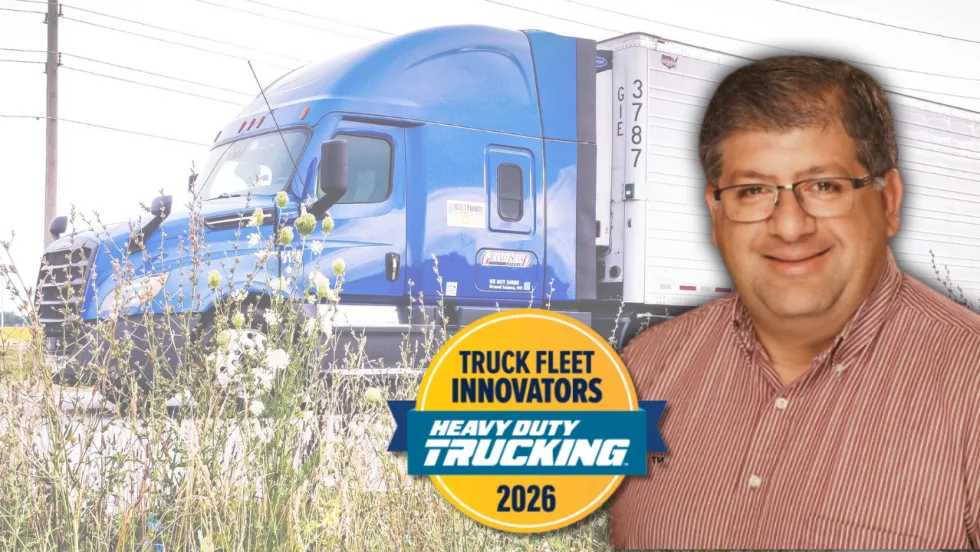
Deen Albert: Let Automation Do the Math, People Make the Decisions
HDT Truck Fleet Innovator Deen Albert makes sure people are still at the heart of operations at Grand Island Express, even while adopting artificial intelligence tools. AI-assisted dispatch helped boost revenue 25% with the same number of trucks.
Read More →
Trimble’s New AI Agent Takes Aim at Fleet Back-Office Busywork
Arc Agent works across Trimble TMS products to automate repetitive tasks such as freight orders, maintenance, invoices, fuel costs and more.
Read More →
How HDT’s 2026 Truck Fleet Innovators Are Rethinking Fleet Operations
Meet five trucking leaders who are challenging assumptions, solving operational problems, and putting innovative ideas to work.
Read More →