




5 Commercial-BEV Questions for Xos
Electric-vehicle maker Xos recently unveiled new medium- and heavy-duty battery-electric models, upping its game on the heavier side of its Class 5-8 market focus. Shortly before that announcement, Chris Brown sat down with co-founder Gio Sordoni to talk electrification.


Giodano Sordoni, Xos’ COO and co-founder, talks to Chris Brown during a visit to Xos headquarters.
Photo: Screen capture from Fast Forward videocast
Electric-vehicle maker Xos recently unveiled new medium- and heavy-duty battery-electric models, upping its game on the heavier side of its Class 5-8 market focus. Shortly before that announcement, Chris Brown sat down with Gio Sordoni, co-founder and COO of Xos, for his Fast Forward videocast. Below are some highlights.
1: Tell us about Xos. What’s your mission? What are you guys up to? What's your goal?
Sordoni: Xos is an OEM of electric vehicles that focuses entirely on making that transition for fleets from diesel to electric as easy and painless as possible. So in addition to building trucks, and some of the components that go into the trucks, like batteries, we also help our fleets with getting chargers installed and helping to maintain and operate that equipment over time.
2: Give us an update on things like fleet customers and progress toward manufacturing.
Sordoni: Our Class 5 platform is what we're in production on now, and our Class 6 platform. They’re parcel delivery vans for companies like FedEx, or the folks that carry for FedEx. And those are being built today in Tennessee, Flex One, our first flex manufacturing facility there, as well as Flex Two, which is in Monterrey, Mexico. (Xos’ flex manufacturing strategy uses the company’s strategic partners’ existing facilities and labor to assemble vehicles.)
And the customers that we're working with all have a few things in common. They do 200 miles or less in a given day, they return to the same home base at night. So we can help them install chargers at home [base], rather than having to try to replicate the ‘put a gas station on every corner’ model. And there's some predictability in the routes. Our customers know where they're going, more or less, every day, so there's not a huge amount of range anxiety. A lot of times our customers are only looking for 100 miles of range on a vehicle. But with our modular battery system, we can give them more than that. We can go up to about 200 miles today with current battery technology.
3: You mentioned Flex One and Flex Two; can you talk about your production model and how it might be different in the market?
Sordoni: Instead of building one massive manufacturing plant that we spend hundreds of millions or billions of dollars on... we decided that there should be a better way of building commercial vehicles. So rather than one massive plant, we have smaller, more nimble facilities that are faster to stand up and take a lot less capital on the ground in the early days. So we don't have a million-square-foot facility that we're only using small fraction of. Instead, right now we have two smaller facilities that are less than 200,000 square feet, where we’re building vehicles today. We'll soon be building batteries in Flex One as well.
4: The market for commercial electric vehicles is really heating up. You've got OEMs in the space. And you certainly have a lot of independent manufacturers. Where do you see yourself fitting in this market and carving out your niche?
Sordoni: The medium- and heavy-duty segment, it's already a bit of a niche in its own right. I see a lot of activity in the Class 2 van space. I think those are the platforms that the large OEMs are going to want to electrify first. The Ford Transit, for example, is something that it seems like Ford is going out there first in the commercial vehicle space. And of course, there’s a ton of activity in pickup trucks.
So already, just being Class 5 and up focus is a bit of a niche. But we're one of the few companies out there that are delivering production vehicles today, with a custom-designed battery pack that’s purpose-built for the commercial vehicle use case. And the chassis platform itself was designed to be electric from day one. It’s not an existing gas or diesel platform that we're trying to adapt to an electric use case. So that gives us a little bit of advantage in terms of being ahead of the market with solutions that were designed to be electric in the early days.
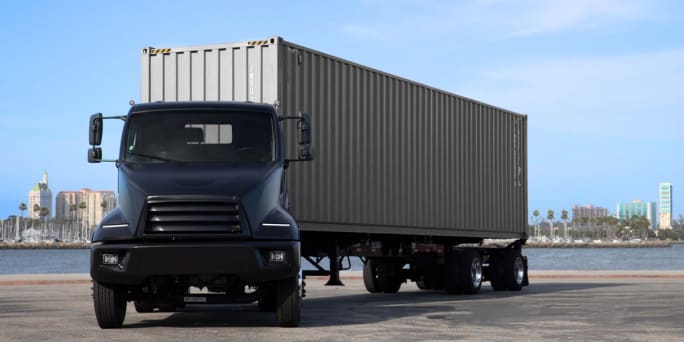
The Xos HDXT is a Class 8 heavy-duty electric tractor designed for regional-haul fleets.
Photo: Xos
5: Let’s talk about a sales and service network, a really important component for commercial vehicle owners.
Sordoni: Being that we started the company as people who had experience in operating fleets, we knew that this was paramount, and something that we really, really needed to get right in the early days. So number one, there should be fewer items to service on an electric vehicle. And our customers understand that and we're excited about that. But we absolutely need to have as robust of a service capability in place, if not better than, traditional internal combustion vehicles. And so we're doing a hybrid approach where we'll help support our customers and be the kind of the first line of defense if something goes wrong. We have deeper diagnostic capabilities than some traditional vehicles out there, where we can see and pinpoint what's going wrong with the vehicle and hopefully predict issues before things go wrong.
But beyond that, we have a network with [dealer partners like Thompson and MHC] that will help take care of our vehicles in the field in their local territories. And then we also have some mobile maintenance partners like Dickinson Fleet Services, that are experts in actually sending a technician out to where the vehicle is, rather than having to bring the vehicle into a dealer.
Watch the full interview:
More Fuel Smarts
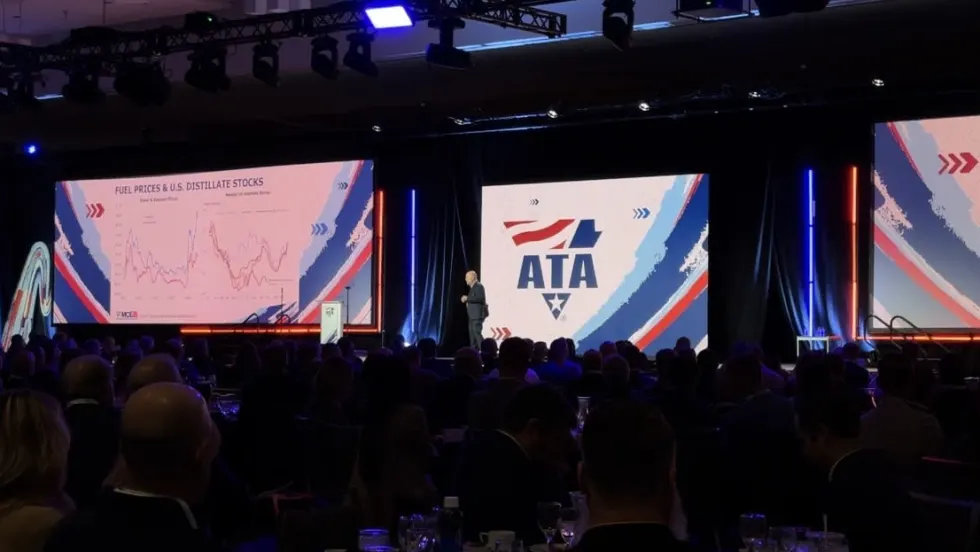
Trucking’s Diesel Squeeze Isn’t Letting Up
With diesel topping $6 a gallon nationally, ATA's Bob Costello explains why fleets should prepare for continued pressure at the pump.
Read More →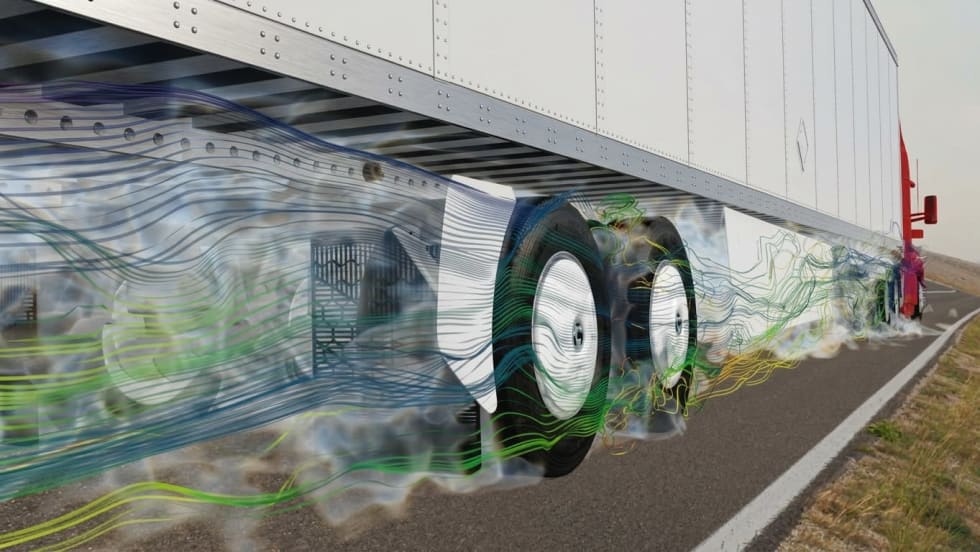
FlowBelow Redesigns Trailer AeroSlider to Cut Fuel Use
The lighter trailer aerodynamic system installs in less than 45 minutes, according to the company, with potential payback in under a year depending on fuel prices and trailer mileage.
Read More →
Why Diesel Price Relief Efforts May Fall Short
Diesel prices have eased from September’s record high, but doubts about additional Russian supply and limits on dyed-diesel tax relief mean trucking fleets still face expensive fuel. And prices could go higher.
Read More →
Why Small Fuel Savings Matter in Trucking
Can better fuel economy help pay for driver raises? In this podcast, GP Transco explains how small efficiency gains create room to reinvest in its people.
Read More →
How GP Transco Cuts Trucking Fuel Costs, a Tenth of a Gallon at a Time
What’s another tenth of a mile per gallon worth? GP Transco shares how equipment upgrades and driver coaching turn small gains into meaningful fuel savings.
Read More →
Electric Yard Tractors Move Beyond Pilots
Operating-cost savings have overtaken sustainability goals as the leading reason surveyed fleets are adopting battery-electric terminal tractors, according to new NACFE research.
Read More →
Geotab Links Fleet Card to Vehicle Data
The new card combines fuel discounts with telematics-based purchase controls. Geotab’s analysis also points to potential savings from choosing lower-priced fuel stops.
Read More →
Fleet Economics Shape Electric Truck Outlook
ACT Research expects costs, charging infrastructure, and technology improvements to drive zero-emission commercial vehicle adoption as federal regulations and incentives retreat.
Read More →
Wex Adds Cardless Fuel Payments for Over-the-Road Customers
A new fuel card feature for Wex customers offers convenience and security.
Read More →
New California Law Could Shed Light on Electric Truck Prices
Why do battery-electric Class 8 trucks remain so expensive? A California bill signed by Gov. Gavin Newsom would give fleets and state agencies more visibility into what manufacturers charge.
Read More →