




4 Ways Hirschbach Saves Fuel
At Hirschbach Motor Lines, an 850-truck-and-growing refrigerated fleet based in East Dubuque, Illinois, the goal is “to become the most fuel-efficient fleet in the trucking business while providing best-in-class service to our customers."

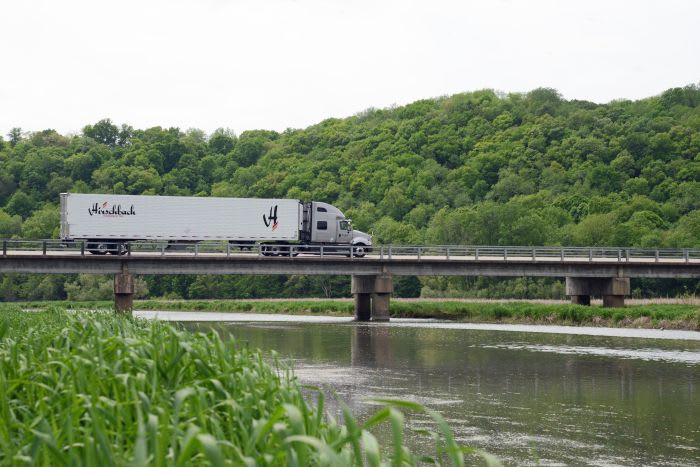
Hirschbach has a maximum four-year trade cycle so it can take advantage of the latest fuel-efficient models, with lightweight, aerodynamic specs and automated transmissions.
Photo courtesy Hirschbach Motor Lines
At Hirschbach Motor Lines, an 850-truck-and-growing refrigerated fleet based in East Dubuque, Illinois, the goal is “to become the most fuel-efficient fleet in the trucking business while providing best-in-class service to our customers,” says President Brad Pinchuk.
While acknowledging that it’s a difficult goal to measure, Pinchuk notes that the fleet’s better drivers regularly average 9.5 to 9.9 mpg, and some of its best drivers can coax more than 10 mpg out of the company’s newest trucks.
While there are “a million and one” ways the company attacks its goal, here are a handful of Hirschbach’s strategies:
1. Spec the most fuel-efficient equipment
Hirschbach’s strong relationships with truck and component OEs help it spec the most fuel-efficient equipment for its operation and give it an advance peek at the latest technology. Those relationships with Navistar and others have led the company to spec a new axle from Dana and get a retrofit calibration for its Cummins ISX engines that allows the trucks to use “coast mode” going downhill.
“You build relationships with all these different people, and you find really smart people who are involved in this,” Pinchuk says.
One of the spec’ing tactics is to take out as much weight as possible, he explains. “Our trucks today are almost 2,000 pounds less than what they used to be not too long ago.”
Although so far testing has not shown 6x2 axles to be a good fit for the company because of traction issues, Pinchuk says, “we’re not going to give up. We’re looking forward to testing Hendrickson’s new 6x2 with power to the rear axle.” (Hendrickson’s OptiMaax features an automated liftable forward tandem axle.)
2. Retrofit aerodynamic add-ons
Hirschbach is not hesitant to do major retrofits. Its latest project is the addition of FlowBelow Tractor Aerokits. These devices use wheel covers and additional fairing pieces that fit between and behind the tractor’s tandems to smooth the flow of air and improve fuel economy. Hirschbach piloted the technology on a small number of trucks to validate its effectiveness and durability before retrofitting the entire fleet. (Third-party supplier Velociti is handling the installation.)
“When we make a decision like this, we like to see the benefit of the decision we’ve made as soon as possible,” Pinchuk says. The company took a similar approach a few years ago in applying SmartTruck UT6 Plus trailer aerodynamic systems.
Generally Hirschbach is looking for a payback on these investments of 18 months or less.
3. Use data to coach drivers
“We’ve got a whole group of people who do nothing but analyze fuel economy,” Pinchuk says. ECM downloads come in every four hours. Those are used to update driver scorecards and more.
“We’ve got ‘coaches’ who are monitoring this information, and we work with our drivers on anything behavior-wise they can do to impact fuel economy,” he says, whether that’s progressive shifting, routing (the most efficient routes are determined with computer software), even how often they stop. “Every time you stop and get back up to highway speeds, you’re consuming a gallon of fuel,” he notes.
Testimonials and interviews with the highest-scoring drivers tease out best practices that are shared with other drivers. Fuel-efficient drivers are eligible for bonuses, and every month each driver’s fuel economy is posted on a board from best to worst.
“No one likes being on the bottom of the list,” Pinchuk says. “People are competitive. They’re trying to move up the list, and asking us what they can do to improve fuel economy.”
4. Fine-tune refrigeration
Hirschbach buys the most fuel-saving refrigeration units available – then uses telematics to make sure they’re operating most efficiently.
StarTrak’s two-way communication reefer management system, ReeferTrak Sentry, allows Hirschbach not only to remotely monitor things such as mode of operation and temperature, but also to change things on the fly without relying on the driver. It has created settings for specific commodities, whether they be bananas, meat or ice cream – and it’s worked with customers to make sure it can keep product in top condition without wasting fuel.
Because continuous mode uses a lot more fuel than start/stop, the computer system helps make sure continuous mode is used only for customers that require it. Some customers want fleets to use reefer settings lower than what is actually needed, but Hirschbach has been able to demonstrate that with its new trailers and reefer technology, that insurance policy isn’t needed.
“Our quest will always be to try to be the best, and we’ll never be satisfied and feel like we’re there,” Pinchuk says. “There’s always room for improvement, and it just becomes part of your culture to continuously improve.”
More Fuel Smarts
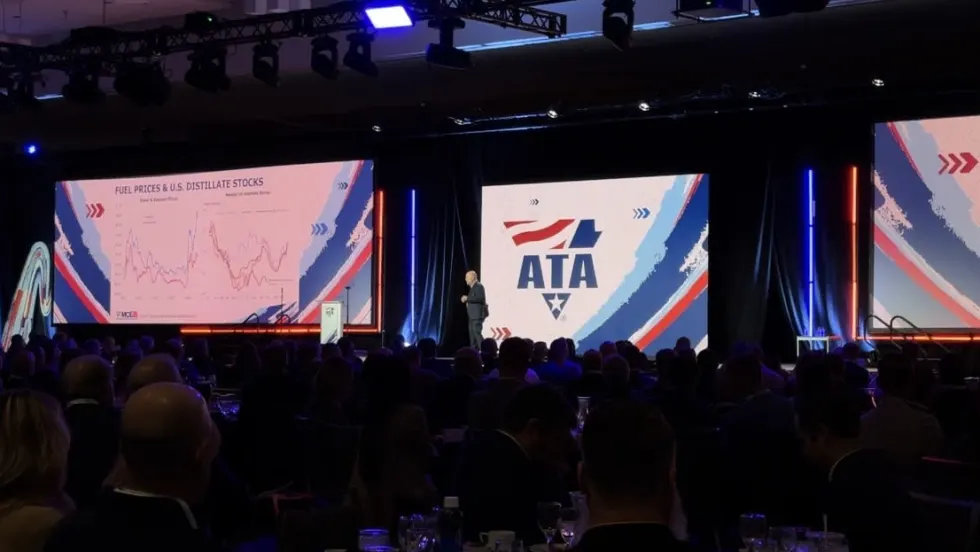
Trucking’s Diesel Squeeze Isn’t Letting Up
With diesel topping $6 a gallon nationally, ATA's Bob Costello explains why fleets should prepare for continued pressure at the pump.
Read More →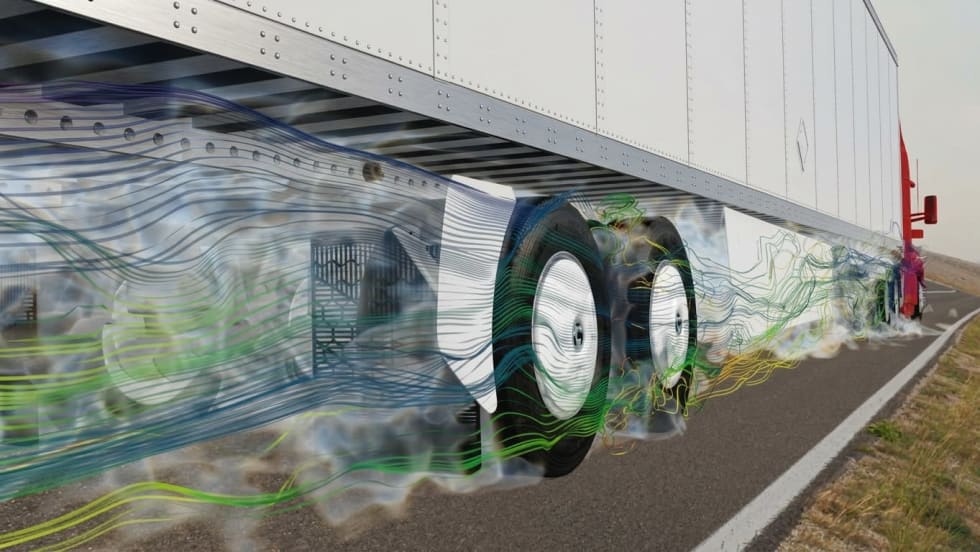
FlowBelow Redesigns Trailer AeroSlider to Cut Fuel Use
The lighter trailer aerodynamic system installs in less than 45 minutes, according to the company, with potential payback in under a year depending on fuel prices and trailer mileage.
Read More →
Why Diesel Price Relief Efforts May Fall Short
Diesel prices have eased from September’s record high, but doubts about additional Russian supply and limits on dyed-diesel tax relief mean trucking fleets still face expensive fuel. And prices could go higher.
Read More →
Why Small Fuel Savings Matter in Trucking
Can better fuel economy help pay for driver raises? In this podcast, GP Transco explains how small efficiency gains create room to reinvest in its people.
Read More →
How GP Transco Cuts Trucking Fuel Costs, a Tenth of a Gallon at a Time
What’s another tenth of a mile per gallon worth? GP Transco shares how equipment upgrades and driver coaching turn small gains into meaningful fuel savings.
Read More →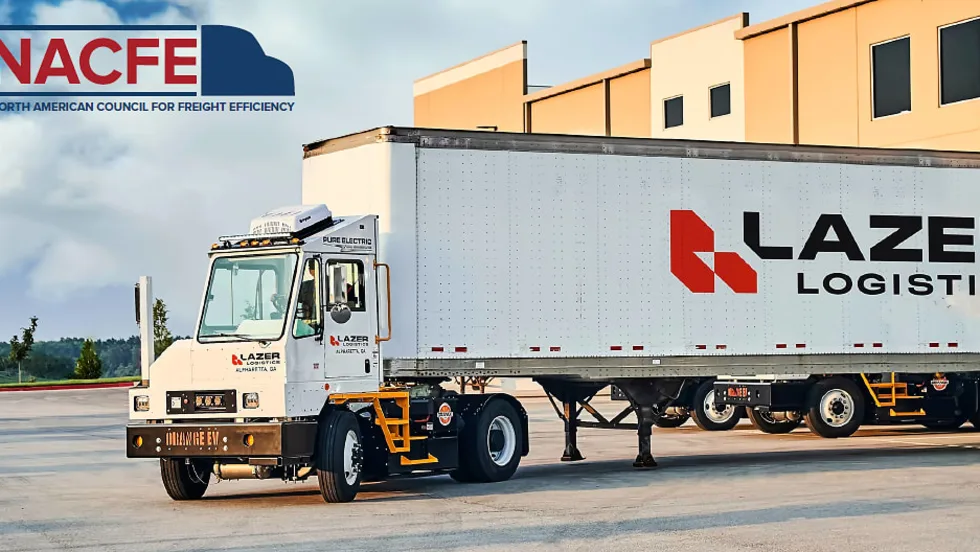
Electric Yard Tractors Move Beyond Pilots
Operating-cost savings have overtaken sustainability goals as the leading reason surveyed fleets are adopting battery-electric terminal tractors, according to new NACFE research.
Read More →
Geotab Links Fleet Card to Vehicle Data
The new card combines fuel discounts with telematics-based purchase controls. Geotab’s analysis also points to potential savings from choosing lower-priced fuel stops.
Read More →
Fleet Economics Shape Electric Truck Outlook
ACT Research expects costs, charging infrastructure, and technology improvements to drive zero-emission commercial vehicle adoption as federal regulations and incentives retreat.
Read More →
Wex Adds Cardless Fuel Payments for Over-the-Road Customers
A new fuel card feature for Wex customers offers convenience and security.
Read More →
New California Law Could Shed Light on Electric Truck Prices
Why do battery-electric Class 8 trucks remain so expensive? A California bill signed by Gov. Gavin Newsom would give fleets and state agencies more visibility into what manufacturers charge.
Read More →