




4 Ways COVID-19 Could Change Trucking [Commentary]
The word “unprecedented” has been overused, but it means we simply don’t have much past experience to draw on in figuring out how the trucking and logistics industry will be affected in the coming months.

![4 Ways COVID-19 Could Change Trucking [Commentary]](https://assets.bobitstudios.com/image/upload/f_auto,q_auto,dpr_auto,c_limit,w_920/drivermarksainbandana-roadmastergroup-highrez_1768077587599_bifecl.jpg)
The public has a new appreciation for supply chains and truck drivers.
Photo: Roadmaster Group
When our company sent office employees home in mid-March, they thought it was only going to be for two weeks. As of this writing, they’re still at home six weeks later.
In March, third-party logistics provider Coyote Logistics asked shippers how they anticipated COVID-19 would impact their business. A month later, Coyote asked for an update. In March, 53% expected a slight to significant increase in volume, but a month later, only 28% had seen said increase. In fact, 40% reported a significant reduction in volume.
Models for how COVID-19 cases and deaths will be affected by the gradual re-opening of our economy are all over the map as I write this, although even the most optimistic are saying they will rise as the nation gets back to work.
In short, we know a lot more now about the COVID-19 pandemic than we did when I was writing my editorial a month ago – but there’s still a lot we don’t know.
The word “unprecedented” has been overused, but it means we simply don’t have much past experience to draw on in figuring out how the trucking and logistics industry will be affected in the coming months.
I have no doubt that many trucking companies will not make it through this crisis. Others will get through it having learned valuable lessons about flexibility, creativity, preparedness, and perseverance.

Deborah Lockridge
HDT
For now, let’s take a longer-term look and think about how trucking might look different on the other side of this crisis. Here are four things I believe we’ll see going forward:
1. Changes to supply chains
The pandemic has highlighted weaknesses in supply chains. That started showing up early in the pandemic, as needed supplies and parts from China were not available due to their efforts to contain the novel coronavirus outbreak. You need look no further than empty toilet-paper shelves to see how our just-in-time practices of using trucks as rolling inventory can cause problems.
2. Increased adoption of technology
Technology could help make the supply chain both more flexible and more efficient. It could help fleets both large and small keep trucks loaded and moving, even when rates are in the toilet as they are as of this writing. Artificial intelligence, machine learning, and predictive analytics can be used to improve visibility for shippers, carriers, and brokers. Fleets are using technology such as paperless bills of lading and virtual online training to help drivers with social distancing, and there’s no reason not to continue.
3. More telecommuting
I’ve worked from home since 1998, two time zones away from the home office, so I know it’s possible. And it’s a lot easier today than it was then, when we were overnighting packages of floppy disks, printed manuscripts and slides across the country. A number of fleets have told me they will be re-evaluating their work-from-home policies with an eye toward more flexible arrangements as a permanent fixture.
4. A continued push toward sustainability
There are concerns that the pandemic will derail global efforts to address climate change, as international meetings related to climate have been disrupted and governments are coming under pressure to postpone regulatory measures. But I’m not seeing any signs that a push to lower-emissions commercial vehicles is slowing. We’re still regularly getting news announcements of the latest developments. A couple of big ones you can read about in Hotline: Daimler and Volvo have teamed up to work on fuel-cell technology, and California plans to vote in late June on a more ambitious draft of its rules pushing zero-emissions truck deployment.
There’s an opportunity for governments to include incentives for those creating and buying these technologies in economic stimulus measures post-COVID-19. And sights such as dolphins swimming in the canals of Venice and NASA’s report that NO₂ pollution in the Northeast was 30% lower in March than recent averages, could inspire people with the knowledge of what’s possible.
From the May 2020 issue of Heavy Duty Trucking
More Fleet Management
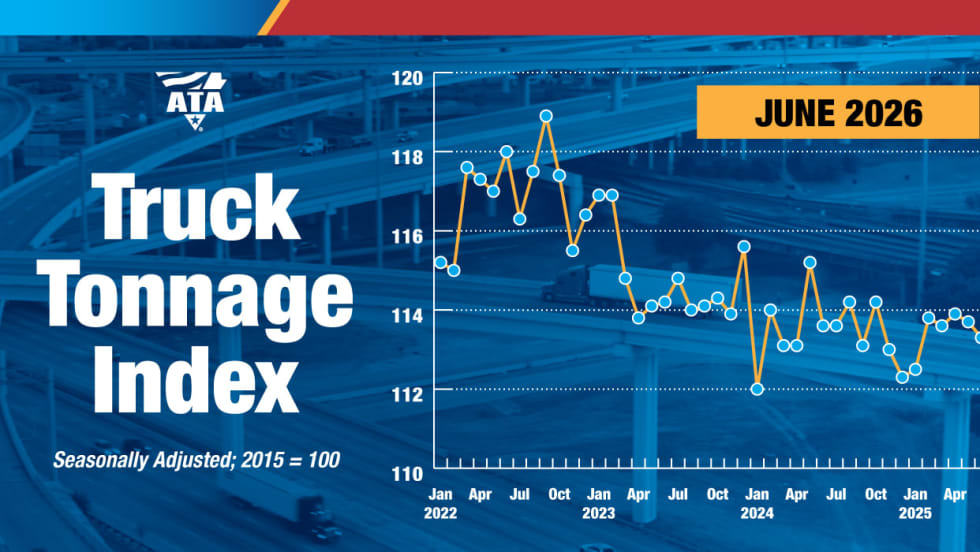
Freight Tonnage Down, Rates up, as Lower Capacity Powers Trucking Recovery
The recovery from the freight recession continues to be driven by reduction in capacity rather than by increased demand.
Read More →
Think Your Trucking Fleet Isn't Using Much AI? Think Again
Shadow AI — the use of unauthorized artificial intelligence tools at work — is becoming increasingly common, putting sensitive company data at risk. Learn how trucking fleets can protect sensitive data while embracing AI.
Read More →
ArcBest Consolidates Brands, Cuts Workforce
The company will bring three business units under the ArcBest brand, eliminate about 2% of positions, and expects the changes to generate $40 million in annual savings.
Read More →

Trucking Fleets Faced Record Operating Costs During Third Year of Freight Recession
ATRI's annual operational cost report shows carriers trimmed fleets, delayed equipment purchases, and ran older trucks as expenses continued to outpace freight rates.
Read More →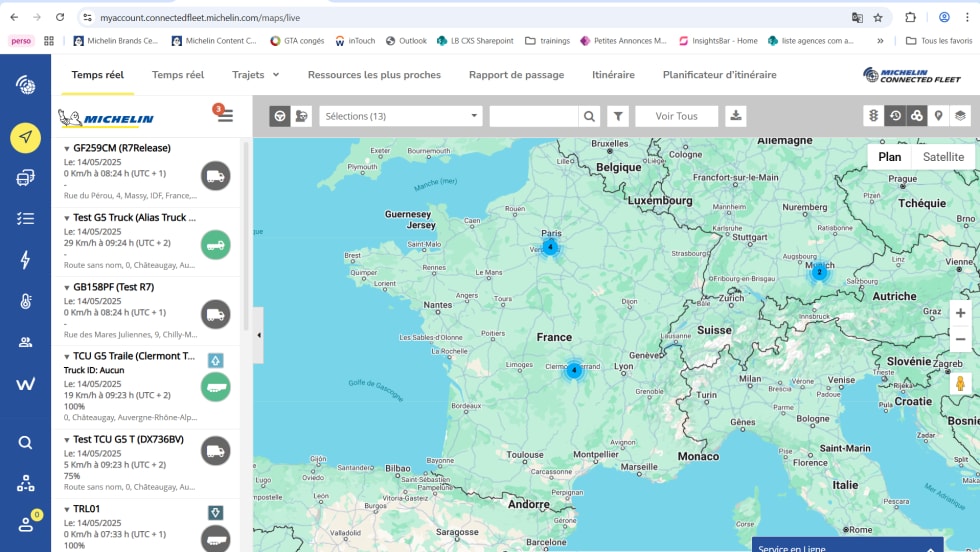
Michelin Adds AI Assistant to MyConnectedFleet Platform
Michelin’s new generative AI tool delivers instant fleet insights, helping managers analyze fuel use, tire maintenance, vehicle status, and operational performance without manually creating reports.
Read More →
LytxOne Platform Now Features AI, Compliance, and Asset Tracking Tools
New enhancements add AI-powered insights, asset tracking, compliance automation, and configurable privacy controls to Lytx's all-in-one fleet management platform.
Read More →
July Imports Poised to Set Container Record
The National Retail Federation projects July container imports will surpass the pandemic-era record as shippers frontload freight ahead of expected August tariff increases.
Read More →
HDT Announces 2026 Truck Fleet Innovator Finalists
From AI and fleet electrification to safety, operations, and leadership, these HDT Truck Fleet Innovator finalists are changing how trucking gets done.
Read More →
Van Spot Rates Top Contract Rates for First Time Since 2022
There’s more good economic news for the North American trucking industry according to the latest Truckload Volume Index report from DAT.
Read More →
Carrier Transicold Extends Refrigerated Trailer Life
Fleet Refresh enables refrigerated fleets to replace aging transport refrigeration units instead of entire trailers, while adding Lynx Fleet telematics and BluEdge service coverage.
Read More →