




How COVID is Still Affecting the Supply Chain and Where We Go From Here
3 Ways Fleet Managers Can Adapt to Consumer Trends During the Pandemic
How are fleet managers and strained delivery systems keeping up with consumer trends and supply chain challenges during the COVID-19 pandemic?
by Rick Bell, Merchants Fleet
February 5, 2021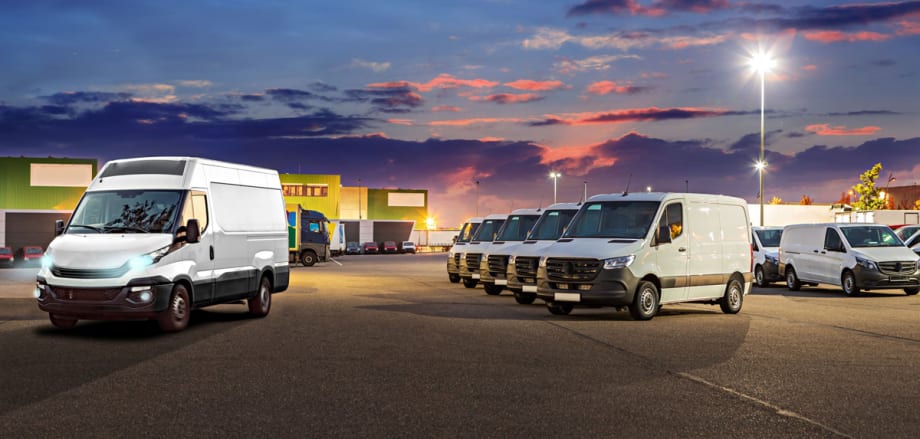
Fleet managers should adapt to challenges like driver shortages and shifts in buying in order to keep their businesses running smoothly.
Photo: Merchants Fleet
6 min to read
The COVID-19 pandemic has been a wake-up call for small businesses and supply chains all across the globe. There are fewer people shopping in stores, more people ordering online, and a boom in demand for contactless deliveries. How are fleet managers and strained delivery systems keeping up?
Digital Commerce 360 found that 36% of retailers have had to adjust their marketplace strategies due to the impact the pandemic has had on consumer trends. And with the e-commerce market expected to reach an annual growth rate of 14% through 2023, now is the time to make delivery and fleet management services a part of those strategies.
But there are a few challenges for fleet managers that need to be addressed first, they include:
Truck Driver Shortages: Even before COVID-19, it was estimated that there was to be a shortage of 1.1 million truck drivers over the next 10 years.
Driver Health and Safety: Delivery drivers are considered essential workers, which means they are at higher risk of exposure to COVID-19. There are nearly 2 million truck drivers in America and more than 20% are owner-operators. For this group, contracting COVID-19 could be financially crippling due to a lack of health insurance or paid sick time.
Shifts in Buying: During the early weeks of the outbreak, the supply chain that supported millions of office workers slowed down, while the residential supply chain faced a sudden, unexpected increase in demand. Subsequently, it became impossible to find certain essential items like toilet paper and hand sanitizer. This shift is expected to last long-term; in fact, Global Workforce Analytics predicts that 25-30% of the workforce will be working from home multiple days a week by the end of 2021. This shift has a great effect on fleet managers and their drivers, most notably for home deliveries, which already grapple with a shortage of drivers and delays. When supply chain interruptions occur, ripple effects can last months or longer.
The Amazon Effect: In an Onfleet survey conducted only a few months before the coronavirus outbreak in the U.S., 78% of respondents said their experience shopping on Amazon has raised their expectations for all deliveries. One in four respondents said that same-day delivery is important to them, and nearly 40% said they expect their local stores to deliver household items the same day. Delivery providers should be prepared to face increased expectations and volume as more traditional brick and mortar stores adapt by transitioning to e-commerce.
If these underprepared supply chain areas weren’t evident before the virus outbreak, they certainly are now. Fleet managers should pay special attention and adapt to the four challenges mentioned above in order to keep their businesses running smoothly. And although the lessons learned can help businesses be better prepared in the future, what can be done right now?
Three ways fleet managers can adapt to address the current challenges and changing supply chain are:
1. Get Drivers on the Road
On top of truck driver shortages, DMV and commercial truck training locations were closed across much of the country, preventing between 25,000 and 40,000 new truck drivers from getting their commercial driver’s license (CDL).
Acquiring alternative vehicles can help ease the already taxed delivery system. Last-mile deliveries — the process of delivering products directly to the customer from the store or fulfillment center — can easily be completed in pickup trucks and cargo vans, which don’t require CDLs to operate.
Sourcing these vehicles can be challenging for financially cautious businesses right now, but leasing can provide a few crucial benefits for online retailers and logistics companies:
Tax Deductions: Section 179 of the IRS tax code allows businesses to deduct the cost of equipment and software, which includes both leased and purchased vehicles.
No Up-Front Costs: Unlike vehicle purchases, leasing does not require up-front cash. This can be a gamechanger for small businesses that are strapped for cash right now but need access to vehicles quickly. It also preserves capital since leases have lower monthly payments than purchases.
Flexibility: If you have a seasonal business, a short-term lease can include skipped payment options so you will not be billed during your off season. Leasing also lets you start with one or two vehicles, and add or reduce the number of vehicles as your business needs change. Check your leasing partner’s fleet management services to see what options are available.
Higher Employee Satisfaction: Drivers across every industry prefer to operate newer vehicles. Leasing vehicles means you will have access to the latest models, without having to worry about complicated, expensive trade-ins. This is business decision can help boost your employee recruitment and retention. It is worth noting that today’s new vehicle inventory is tight, but leasing can still allow you to trade in for newer models as they become more available.
Safety and Liability: Having newer vehicles means your drivers can benefit from the latest safety technology, which can help reduce your accident risk. Currently, new vehicle inventory is tight, but even near-new and pre-owned models can offer safety technology benefits over older vehicles.
2. Stabilize Your Fleet Operations
The high demand for products means drivers may struggle to get everything delivered in a timely fashion. Online orders have been skyrocketing, and even many of the world’s largest retailers and logistics companies are struggling to meet the demand.
But every supply chain is different. No matter the specific challenges, there are a few steps to take to better stabilize your operations:
Set Priorities: First, fleet managers need to identify the critical gaps in production, labor, storage, and delivery.
Strategize Immediate Actions: Next, strategize short- and long-term actions you can take now to limit disruptions and better utilize suppliers and networks. For example, try sourcing materials from local vendors.
Improve Your Visibility: Take a good hard look at your operation’s ecosystem and identify your strengths and weaknesses. Then, you can create new strategies to streamline the production and forecasting processes both for today and into the future.
Expand Your Vehicle Search: Due to manufacturer shutdowns during the pandemic, there is now a shortage of new delivery vehicles and constraints on inventory are likely to extend into the coming year. This means you may need to expand your vehicle search to include renting near-new and small capacity models to keep routes running.
3. Focus on Driver Safety
Throughout much of the country, essential employees were earning less than some laid-off workers receiving unemployment benefits. This made it difficult to attract and retain delivery drivers who were risking their exposure to the coronavirus to perform their job duties.
Placing a strong focus on driver safety is critical to easing drivers’ concerns. This includes providing protective equipment such as masks and gloves, having crystal-clear policies around testing and what to do in the event of an exposure, and having specific cleaning protocols for vehicles at ends of shifts.
Rick Bellserves as vice president of strategic accounts at Merchants Fleet, which provides vehicle leasing and maintenance services. Bell has 20 years of sales experience and an track record of developing business relationships, leading teams, and qualifying and maintaining sales pipelines.This article was authored under the guidance and editorial standards of HDT’s editors to provide useful information to our readers.
Subscribe to Our Newsletter
More Fleet Management

Sponsored•September 16, 2026
Color Match Smarter: Tools That Restore & Perform
For fleet managers and collision repair professionals keeping heavy-duty trucks on the road, getting the color right the first time isn't just about appearance — it's about efficiency, turnaround time, and bottom-line results. Discover how today's digital color tools are transforming the repair process from guesswork to precision.
Read More →
FMCSA Pauses Biennial-Update Enforcement Amid Motus Transition
Carriers whose updates were due on or after June 1 have more time, while FMCSA works to stabilize its new registration system and warns of phishing sites impersonating its new carrier registration system, Motus.
Read More →
Sponsored•September 14, 2026
2026 Blueprint for Countering Smarter Supply Chain Theft
Cargo theft is no longer just the cost of doing business. It's a multi-billion-dollar criminal enterprise exploiting vulnerabilities across your fleet, drivers, and supply chain.
Read More →


Sponsored•September 1, 2026
How Telematics Improves Visibility, Control, and Performance in Refrigerated Fleets
Explore how telematics help refrigerated fleets improve visibility, uptime, efficiency, compliance, and cargo protection across connected cold chain operations.
Read More →
What the U.S.-Canada Trade War Means for Trucking
Escalating U.S.-Canada tariffs could disrupt cross-border freight, reduce truck volumes, raise costs, and create new uncertainty for carriers on both sides of the border.
Read More →
What Are Trucking’s Top Concerns for 2026?
The American Transportation Research Institute wants to know what's worrying trucking fleet managers, drivers, and other stakeholders in its annual Industry Issues survey.
Read More →
American Trucking Associations Looks for a New Leader
ATA President and CEO Chris Spear abruptly left his job at the association on August 21, at a pivotal time for the trucking industry.
Read More →
Public Wi-Fi Cybersecurity Risks: How Truck Drivers and Fleets Can Protect Their Data
Public Wi-Fi can expose truck drivers and fleets to credential theft, malware, and other cyber threats. Here’s how to reduce the risk on the road.
Read More →
For Nicky Cupp, Fleet Innovation Starts With Frustration
HDT Truck Fleet Innovator Nicky Cupp turns everyday pain points at Fraley & Schilling into opportunities for better technology and smarter processes.
Read More →
Adam Buttgenbach’s Approach to Electric Trucks: Start With Where They Fit
HDT Truck Fleet Innovator Adam Buttgenbach helped PepsiCo build one of North America’s largest EV fleets by focusing on where electric trucks make operational sense.
Read More →