





Related: ATRI Data Shows Ongoing COVID-19 Impacts on Trucking
ATRI, OOIDA Research Identifies COVID-19 Impacts
The American Transportation Research Institute and the Owner-Operator Independent Driver Association Foundation have released research on the impacts of the COVID-19 pandemic on all aspects of trucking operations.
May 6, 2020
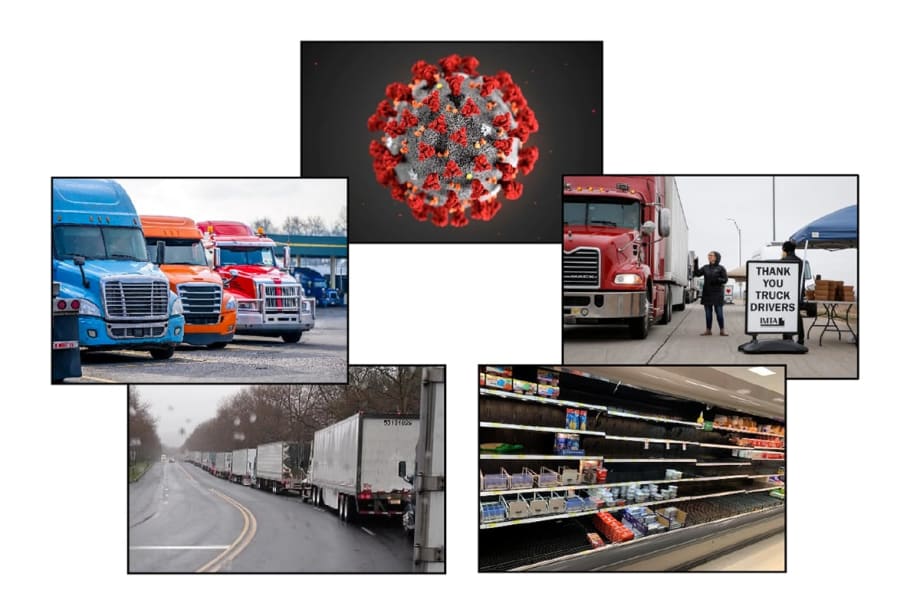
Image: ATRI, OOIDA
2 min to read
The American Transportation Research Institute and the Owner-Operator Independent Driver Association Foundation have released research on the impacts of the COVID-19 pandemic on all aspects of trucking operations, including deliveries, travel times, detention and truck parking. The joint research also provides recommendations and guidance on future strategies should similar disaster occur.
“The trucking industry has weathered national disasters in the past and is doing so again through the current COVID crisis,” said ATRI President and COO Rebecca Brewster. “However, this latest data quantifies the challenges motor carriers and drivers are facing during this pandemic to keep essential goods moving.”
Key findings from the research include:
Long-haul trips are down considerably as container imports at ports dried up. At the same time, local trips under 100 miles increased by more than 100%.
While certain segments of the industry, such as medical devices, perishable foods and paper products, saw solid COVID-related increases in truck traffic – nearly 50% of respondents described freight levels as “somewhat” to “much lower” due to COVID-19.
Nearly 70% of specialized and tank truck operations were negatively impacted. In nearly every instance, smaller fleets reported greater negative impacts than larger fleets.
More than 40% of respondents said that truck parking was not any worse due to the COVID-19 pandemic, but by fleet size, the larger fleets did describe truck parking as more difficult to find during the pandemic.
The research confirmed that driver detention generally did not change due to COVID-19; however, owner-operators and small fleets experienced much worse detention delays relative to larger fleets.
In terms of disaster planning, almost 80% of owner-operators and small fleets do not have any plan in place for managing operations during natural disasters.
The trucking industry generally has a favorable attitude towards state and federal responses, policies and programs set up to address the pandemic, with the federal response viewed as more favorable than the state responses.
The trucking industry’s perceptions about the country’s economic situation over the next several months leans slightly pessimistic – both in terms of freight movement and consumer spending.
“This research puts solid numbers to what we otherwise only suspected,” said Andrew King, research analyst for the OOIDA Foundation. “While we may be turning the corner on the COVID pandemic, we’re not out of the economic woods yet.”
You can download the full report here.
More Safety & Compliance

$604 Million Verdict Tests Broker Liability After Supreme Court Ruling
C.H. Robinson plans to appeal after a Texas jury found it bore the largest share of responsibility for a fatal 2021 crash, in a case that follows the Supreme Court's Montgomery decision allowing negligent hiring claims against freight brokers.
Read More →
How Fraley & Schilling Improved Logbook Compliance by Over 50%
Fraley & Schilling needed a way to close a compliance workflow gap in its ELD system without adding more work from driver training, reminders, and back-office follow-ups. It found the answer in a custom driver app.
Read More →
Farewell, CDL: Why I'm Giving Up My Commercial Driver's License
After more than 20 years as a CDL holder, HDT Executive Editor Jack Roberts is letting his commercial license expire. Not because he wants to — but because trucking's nuclear verdict crisis has made the risks of public-road test drives too great for editors, manufacturers, and everyone involved.
Read More →
Sponsored•July 1, 2026
Enhance Fleet Performance with High-Efficiency Auxiliary Power Units
Drive sustainable cost savings while increasing driver comfort during short- and long-haul logistics operations.
Read More →
Wabash Trailers Recalled for Improperly Installed Underride Guards
More than 900 Wabash dry van trailers may not comply with the Federal Motor Vehicle Safety Standard for rear impact guards.
Read More →
Why K&B Trucking Is Embracing AI and Driver Safety Technology
Crunching data and embracing artificial intelligence are key in K&B Trucking's safety efforts, says the company's safety director.
Read More →
The Hidden Problem Behind FMCSA's ELD Revocations
NMFTA researchers say dozens of registered ELDs may be built on the same software platforms, allowing compliance and security concerns to persist even after individual devices are removed from the market.
Read More →
ATRI Wants Motor Carriers for Driver-Facing Camera Study
In this new study, the American Transportation Research Institute will explore how driver-facing cameras can impact safety and operational metrics in trucking fleets.
Read More →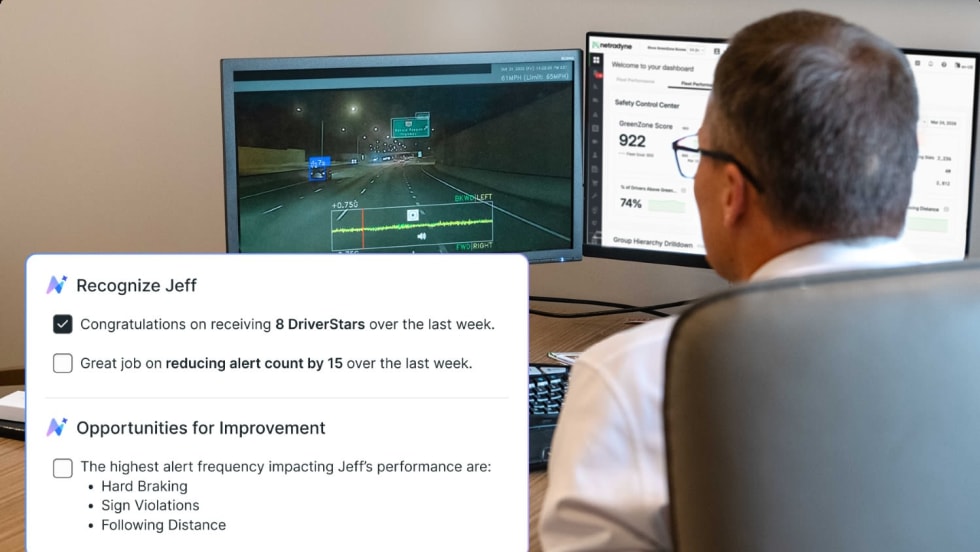
Netradyne Intelligence Uses New AI Agents to Automate Response to In-Cab Camera Data
The company called the next-generation in-cab camera safety platform "a fundamental shift from systems that report on what happened to systems that actively drive what should happen next."
Read More →Mack, Volvo Issue ‘Do Not Drive’ Recall on Possible Wheel-Offs
Owners will be sent advance notice not to operate their affected vehicles until the remedy is performed.
Read More →