




Pennsylvania Reopens Rest Areas on Busiest Routes
Pennsylvania's abrupt closure earlier this week of all of its roadside rest areas in response to the Coronavirus outbreak drew an outcry from trucking. Now, the state will reopen some areas along busy interstate routes.

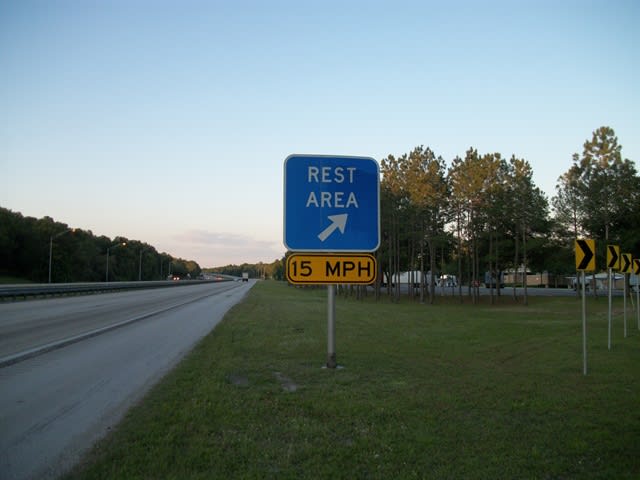
Pennsylvania, which closed all of its rest areas in a move to contain COVID-19 will now reopen some of them.
Photo: DanTD
Pennsylvania's abrupt closure earlier this week of all of its roadside rest areas in response to the Coronavirus outbreak drew an outcry from trucking. Now, the state will reopen some areas along busy interstate routes.
According to news outlets in Pennsylvania, including the Pittsburg Post-Gazette and Philadelphia Inquirer, two days after the Pennsylvania Department of Transportation closed 30 public rest stops around the state, the agency decided to reopen the 13 busiest areas by Thursday.
According to the Pittsburg Post-Gazette, the decision comes after complaints from the trucking industry and several elected officials, including state Rep. Daryl Metcalfe, R-Cranberry.
“Every decision made has been in the interest of mitigating the spread of COVID-19, and we are constantly reevaluating our response,” PennDOT spokeswoman Alexis Campbell said in an email to the Post-Gazette Wednesday. “That said, we also recognize that drivers need and deserve access to rest areas.”
According to news reports, the stops that will reopen are on Interstate 81, north and southbound stops in Luzerne and Cumberland counties; on Interstate 79, north and southbound stops in Crawford County and the northbound stop in Allegheny County; and on Interstate 80, east and westbound stops in Venango, Centre and Montour counties.
At these locations, PennDOT will take down the barricades and make facilities available for truck parking. Portable restroom facilities will be available at these locations; each location will have five portable toilets (one of which is ADA-accessible) that will be cleaned once a day. Electronic message signs will be used near the applicable centers to notify drivers near the opened areas.
Campbell told the Post-Gazette indoor facilities will not be open at the rest stops because PennDOT doesn’t have staffing available to keep them sanitized to prevent the spread of the virus. The department will continue to monitor conditions to determine whether other sites can be reopened.
Norita Taylor, a spokeswoman for the Owner-Operator Independent Drivers Association, said the group was pleased with the reversal.
“We encouraged Gov. Tom Wolf and PennDOT Secretary Yassmin Gramian to open all the state's rest areas the moment we learned of the closures ordered and so we certainly welcome this latest decision,” Taylor said in an email to the Post-Gazette. “Hopefully other states will refrain from implementing similar, short-sighted policies. And we'll continue to call out those who propose policies that jeopardize the safety of truckers and the motoring public.”
More Safety & Compliance

FMCSA Pauses Biennial-Update Enforcement Amid Motus Transition
Carriers whose updates were due on or after June 1 have more time, while FMCSA works to stabilize its new registration system and warns of phishing sites impersonating its new carrier registration system, Motus.
Read More →
ZF Expands Commercial Vehicle Push in North America
ZF is expanding its North American commercial-vehicle presence with new transmission applications, electrification, trailer technology and autonomous-driving systems.
Read More →
Truck Drivers Need More Than Another Alert
Fleets have more visibility into truck health, safety events, and driver activity than ever. The next challenge is turning all that information into useful guidance for the person who has to decide what to do next.
Read More →
Tesla Wants a Self-Driving Semi. Are Cameras Enough?
Could Tesla’s camera-only autonomous driving technology work on an 80,000-pound Semi? In this commentary, HDT's Deborah Lockridge takes a look at Tesla, Cybercab, and how autonomous trucks see the road.
Read More →
What DOT’s Automated Vehicle Strategy Means for Trucking
The U.S. Department of Transportation issued a new automated-vehicle strategy that outlines plans for driverless-truck regulations, cross-state freight corridors, and federal safety standards.
Read More →
NYC Expands Speed, Pedestrian Safety Tech Across Fleet
New York City is expanding intelligent speed assistance and pedestrian-alert systems across its municipal fleet, moving the technologies from pilot programs into vehicle procurement and retrofit requirements.
Read More →
FMCSA Removes 110 Truck Driver Training Schools from Certified ELDT List
Federal regulators also are targeting more than 160 additional training providers and launching a nationwide audit of third-party CDL skills testers as part of a broader crackdown on trucking fraud.
Read More →
Beyond DOT Compliance: What Makes a Trucking Fleet Truly Safe?
A trucking fleet can follow every rule and still make unsafe decisions. The real test comes when safety conflicts with freight, productivity, or cost.
Read More →
Hours of Service Pilot Programs: FMCSA Readies for 2027 Rollout
Two pilot programs could eventually reshape hours-of-service rules, giving truck drivers options to pause their 14-hour clock or use longer split sleeper rest periods.
Read More →
New Guide Offers Pet Safety Tips for Truck Drivers
Hundreds of thousands of pets travel in truck cabs. A new safety guide from Volvo Trucks and the Center for Pet Safety offers practical advice for truck drivers who bring dogs and cats along for the ride.
Read More →