





Related: A Failed Drug Test Doesn't Have to Be the End of the Rod for Truck Drivers
Trucker Drug and Alcohol Clearinghouse Already Showing ‘Encouraging Results’
The Federal Motor Carrier Safety Administration announced on Feb. 21 that the new Drug and Alcohol Clearinghouse has detected and identified nearly 8,000 positive substance abuse tests of commercial drivers just since January 6.
February 21, 2020

Data collected so far shows that the clearinghouse has detected and identified nearly 8,000 positive substance abuse tests of commercial drivers since January 6.
Photo: Pexels.com
4 min to read
The Federal Motor Carrier Safety Administration announced on Feb. 21 that just weeks after it launched, there are “encouraging results” from the new Drug and Alcohol Clearinghouse, which is designed to keep tabs on substance-abuse tests required of commercial driver’s license holders.
Data collected so far shows that the clearinghouse has detected and identified nearly 8,000 positive substance abuse tests of commercial drivers since January 6. The clearinghouse now has more than 650,000 registrants.
“We’ve seen encouraging results from the Drug and Alcohol Clearinghouse, but there’s still work to do to ensure we identify more drivers who should not be behind the wheel,” said FMCSA Acting Administrator Jim Mullen. “The clearinghouse is a positive step, and the agency continues to work closely with industry, law enforcement, and our state partners to ensure its implementation is effective.”
The reaction to HDT’s requests for comment from industry stakeholders suggests trucking is also impressed with the rollout of the clearinghouse thus far.
“The current number of DOT drug and alcohol violations within the clearinghouse and the number of carriers that have already disqualified drivers during the pre-employment screening process demonstrates the significant need for this type of database,” said ATA Press Secretary Sean McNally.
Noting that although there were “some significant challenges with the initial rollout,” he said that ATA recognizes the Clearinghouse now as an “effective tool for assisting motor carriers in preventing prohibited alcohol and drug use.
“The success of the clearinghouse again demonstrates that when the industry asks for tools to improve safety, like the clearinghouse or hair testing, it puts those tools to good use,” McNally added.
David Heller, vice president of Government Affairs for the Truckload Carriers Association, said that “development of the clearinghouse by FMCSA certainly highlights the partnership between industry and regulators to remove the use of illegal and unsafe substances from our nation’s highways and we look forward to taking this program even further when alternative testing methods, such as hair testing, can be incorporated into the DOT drug testing protocols and ensuing positive results posted in the clearinghouse.
“Identifying nearly 8,000 records where a positive drug test has been recorded demonstrates the need for such a program in the first place and one that TCA has been patiently waiting for since the rule was finalized in late 2016,” he continued. “We are looking forward to the continued success of this program.”
Dave Osiecki, president and CEO of Scopelitis Transportation Consulting, said, “These numbers—nearly 8,000 reported positive tests— make a clear statement the clearinghouse is working. Kudos to FMCSA. Driver violations are being reported, hiring trucking companies have greater visibility into those violations, and disqualified drivers are being taken off the road to address their substance abuse problem. Public and highway safety is the obvious winner.
“The trucking industry pushed for this centralized clearinghouse for two decades and now, just six weeks in, it’s great to see the industry’s push is already paying dividends.”
In its news release on the early results, the agency made it clear that it does not view the clearinghouse as simply a safety-compliance tool: “The goal of the clearinghouse is to ensure that such drivers [those who have violated federal drug and alcohol testing program requirements and are prohibited from operating a CMV] receive the required evaluation and treatment before they have the opportunity to resume driving.”
Those required to register for the clearinghouse include:
Employers of commercial driver’s license (CDL) and commercial learner’s permit (CLP) holders, or their designated service agents, and medical review officers who report drug and alcohol program violations that occurred on or after January 6, 2020
Employers or their designated service agents who conduct required queries which inform them whether prospective or current employees have drug and alcohol program violations in their clearinghouse records. Employers must purchase a query plan before conducting queries in the clearinghouse – query plans must be purchased from the FMCSA clearinghouse website only
Drivers who respond to employer consent requests or would like to view their clearinghouse record when applying for a job
Substance abuse professionals who report on the completion of driver initial assessments and driver eligibility for return-to-duty testing for violations committed on or after January 6, 2020
Per FMCSA, the clearinghouse is in fact a secure online database that allows the agency, employers of CDL drivers, state driver licensing agencies, and law enforcement officials to identify in real time CDL drivers who have violated federal drug and alcohol testing program requirements.
There is no cost for registration. While CDL holders are not required to immediately register for the clearinghouse, they will need to register to respond to an employer’s request for consent prior to a pre-employment query or other full query being conducted. In addition, employers must be registered during the first year of implementation to ensure they are able to conduct the required annual query on all employed drivers.
The FMCSA clearinghouse website provides access to various resources, including user brochures and instructional aids with step-by-step registration instructions.
More Safety & Compliance

More Trailer Data Through the Same Seven-Way [Video]
Can trucking’s standard seven-way connector handle more cameras and trailer data? Grote’s Adam Slade shows HDT how the company is using new technology with its 4See trailer system, not only to add a new backup camera but also to expand other capabilities — without adding another connection.
Read More →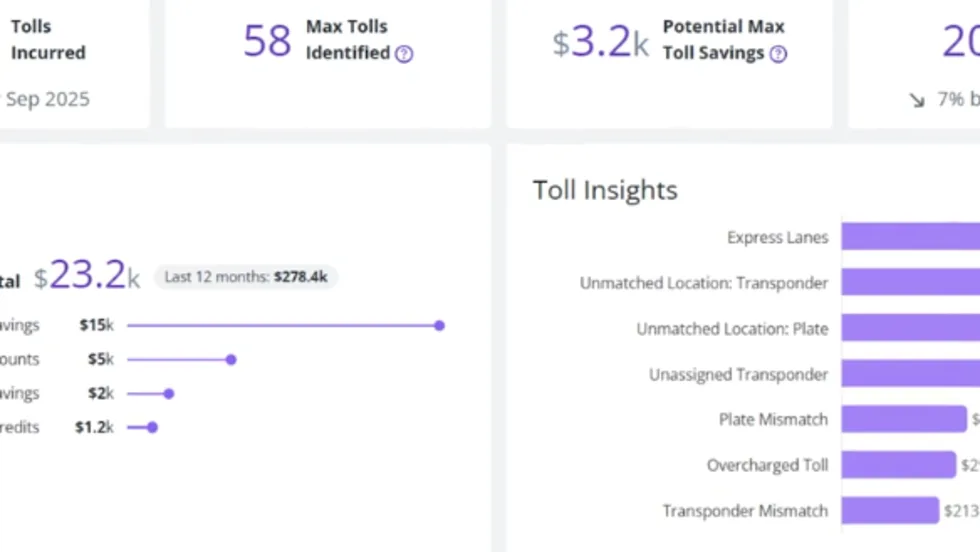
PrePass Intelligence Mines Fleet Bypass, Toll and Safety Data
PrePass Intelligence helps fleets measure bypass savings, flag potential toll overcharges, and spot suspicious transactions by combining data from separate systems.
Read More →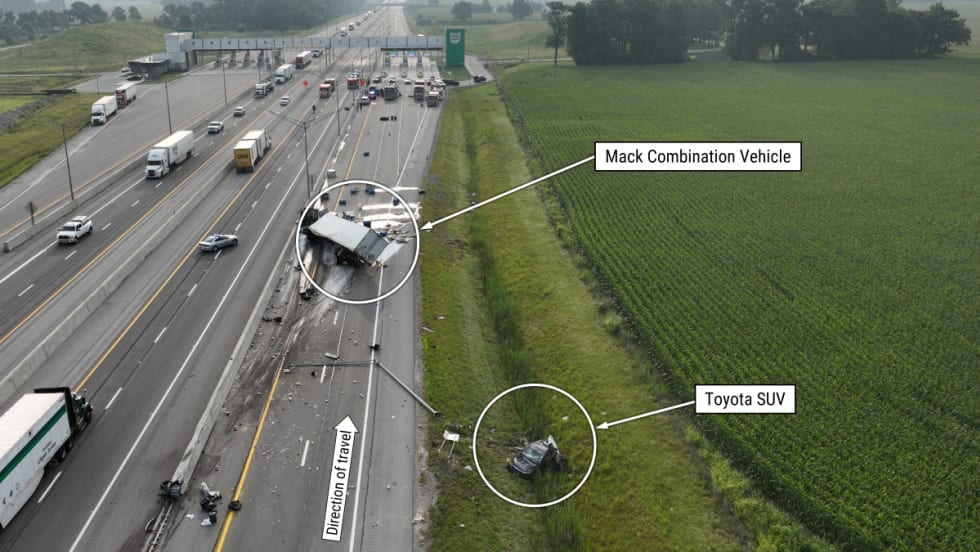
Fatal Crash Exposes Toll Plaza Risks
An NTSB investigation found that last-minute lane changes and large speed differences at an Ohio toll plaza created a hazard the truck driver couldn't avoid in time.
Read More →
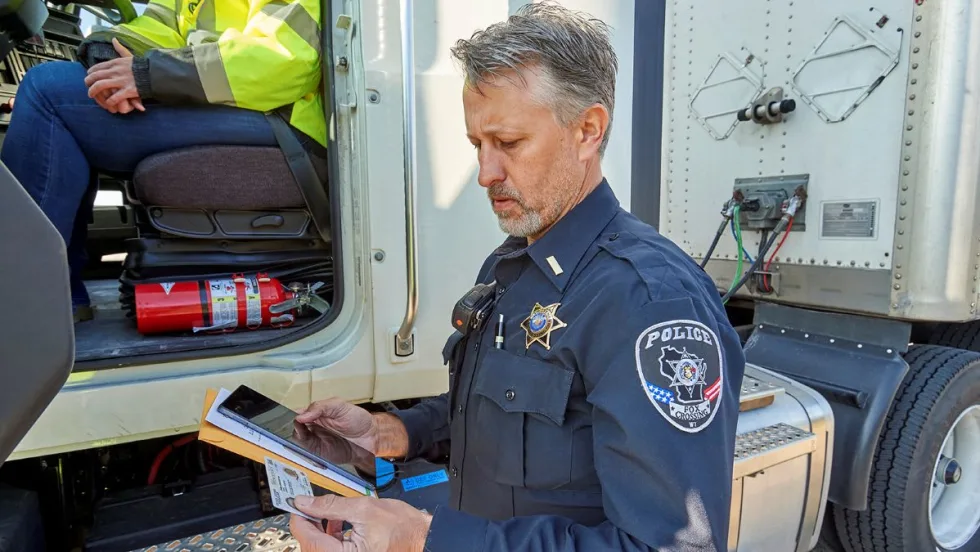
When Language Stops the Truck: The Return of ELP Out-of-Service Orders
English language proficiency rules for commercial drivers aren’t new, but renewed out-of-service enforcement has raised the stakes. Here’s what carriers need to know before a driver reaches a roadside inspection.
Read More →
Sponsored•October 6, 2026
A Camera Isn't a Safety Program. Here's What Brokers Are Screening for Now
Footage alone may not be enough to pass broker vetting processes. Here's what counts as a defensible safety program now.
Read More →
Marijuana and Trucking’s Drug-Testing Dilemma
Marijuana is getting stronger, laws are changing, and drug tests still can’t reliably establish impairment. What does that mean for truck drivers and the fleets that employ them?
Read More →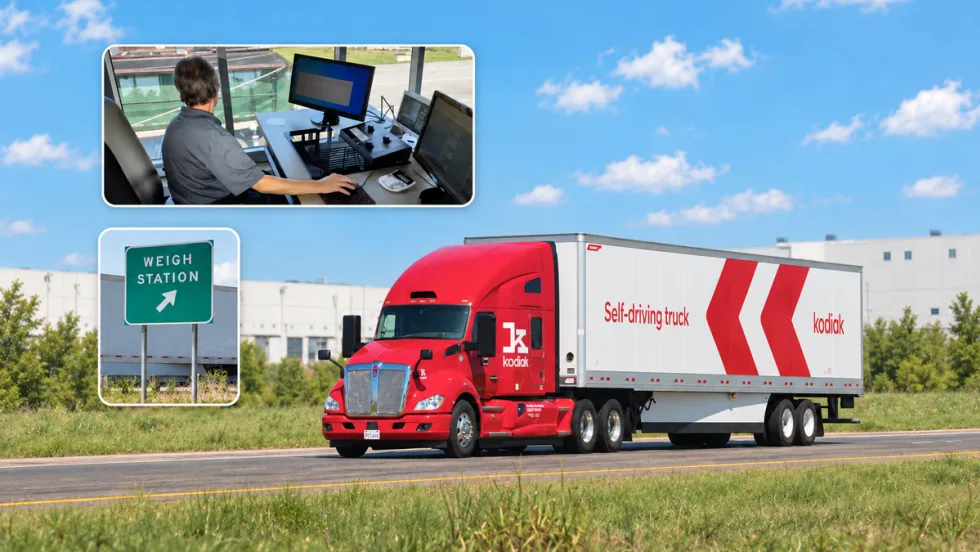
PrePass, Kodiak Connect Driverless Trucks to Roadside Enforcement
The system will allow enforcement agencies to verify Enhanced Inspection information and decide whether Kodiak’s autonomous trucks can bypass roadside screening sites.
Read More →
From One Generation to the Next: How Mentorship Builds Safer Truck Drivers
After three decades in trucking, Harold Perry shares what he's learned about driver safety, mentorship, and helping the next generation build confidence behind the wheel.
Read More →
FMCSA Pauses Biennial-Update Enforcement Amid Motus Transition
Carriers whose updates were due on or after June 1 have more time, while FMCSA works to stabilize its new registration system and warns of phishing sites impersonating its new carrier registration system, Motus.
Read More →
ZF Expands Commercial Vehicle Push in North America
ZF is expanding its North American commercial-vehicle presence with new transmission applications, electrification, trailer technology and autonomous-driving systems.
Read More →