





Related: Eaton Teases Electric Truck Transmission Ahead of NACV Show
Eaton Discontinues Procision Dual-Clutch Transmission
According to an Eaton official, the company will be discontinuing production of its Procision transmission at the end of the year.
December 9, 2019
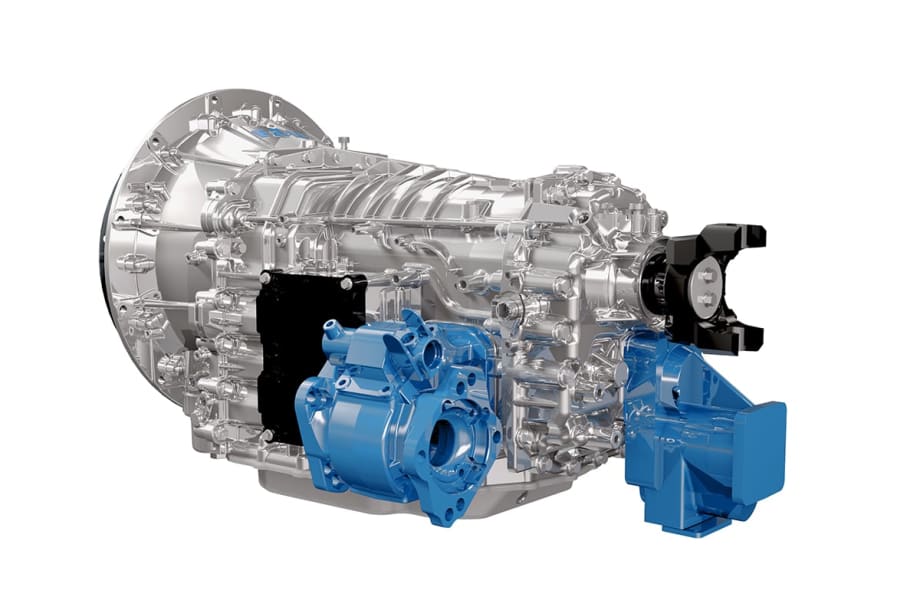
Eaton will end production of the Procision transmission at the end of the year.
Photo: Eaton
2 min to read
Eaton will no longer be producing its Procision dual-clutch automated transmission. While responding to inquiries for a story about medium-duty transmissions, an Eaton official said the manufacturer would be discontinuing production of the Procision transmission at the end of the year, adding that customers had been notified "a couple of months ago." Eaton declined our request for comment and provided no further details.
The Procision, introduced in 2014 and in production since 2015, was the first automated dual-clutch transmission in the North American market. It was a 7-speed configuration with a 0.64:1 double-overdrive final drive ratio and was rated at 660 lb-ft. It featured creep mode, hill helper feature, and had three standard PTO openings.
The dual-clutch shifting technology was the key to the Procision transmission. Eaton said when the transmission was launched that the torque path to the drive wheels is not interrupted by gear changes, so drivers wouldn't feel a lag in power when upshifting as they do with a traditional manual transmission or automated manuals. Gear changes are made by swapping the engine torque between clutches with the next gear preselected.
Smart features such as Eaton Dynamic Shifting allowed the transmission to automatically switch between economy and performance shift schedules based on mass, grade, and driver demand.
Withdrawing the Procision from the medium-duty market leaves Eaton with a line of 5- and 6-speed light- and medium-duty synchronized manual transmissions rated from 11,000 to 66,000 pounds GVW.
More Equipment
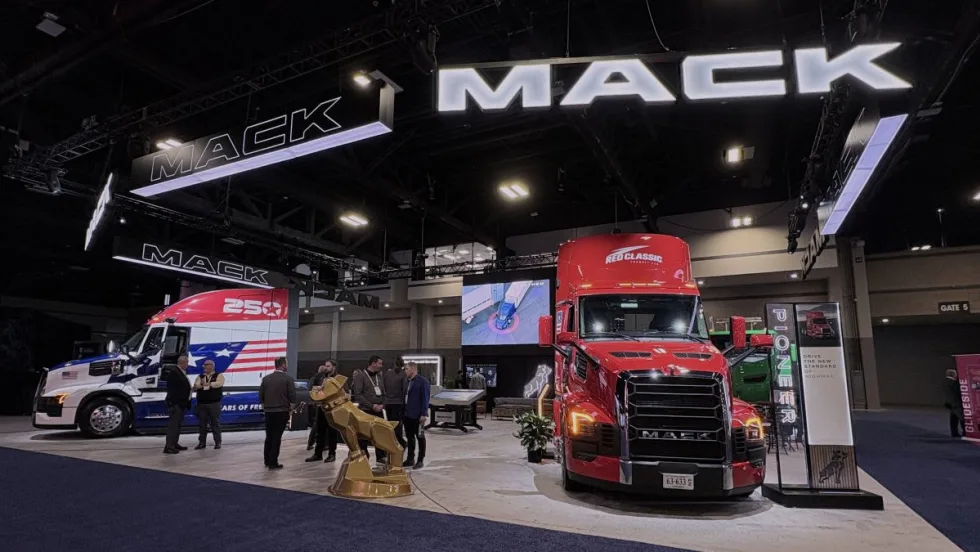
Trucks at ATA's 2026 MC&E in Charlotte, North Carolina [Photos]
From rigs decked out in patriotic America's 250 paint schemes to autonomous trucks and more, check out these photos from ATA's 2026 Management Conference & Exhibition.
Read More →
Help HDT Find Trucking’s Top Products
Have you come across a new product that could make a difference for trucking fleets? Nominate it for HDT’s 2027 Top 20 Products Awards by November 9.
Read More →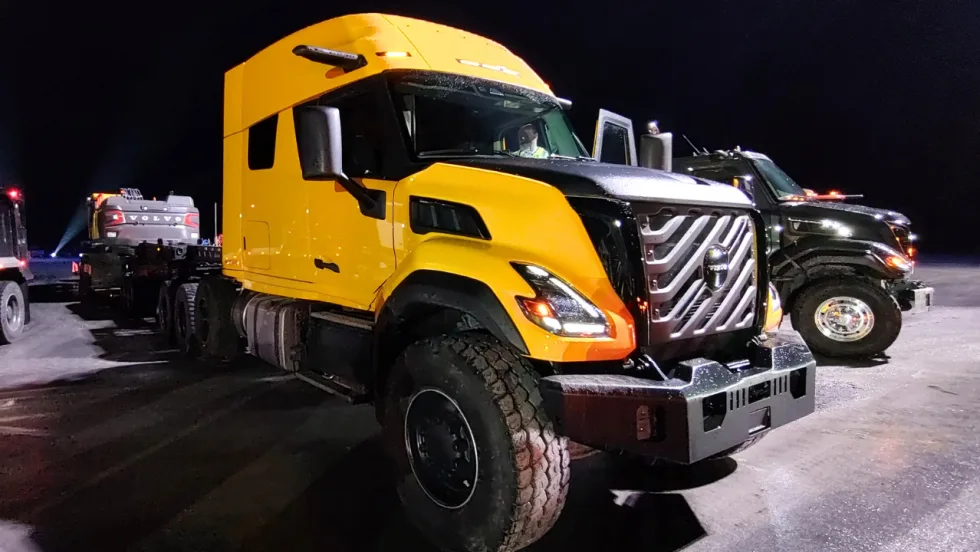
Volvo Unveils New VNX Heavy-Haul and Vocational Truck
Volvo Trucks has launched the VNX, a new vocational truck also available as a tractor in day cab and two sleeper configurations, with one heavy-haul model. The Volvo VNX is powered by Volvo's D13 platform, which delivers up to 540 horsepower and 1,950 pound-feet of torque and is EPA 2027-compliant.
Read More →
How GP Transco Cuts Trucking Fuel Costs, a Tenth of a Gallon at a Time
What’s another tenth of a mile per gallon worth? GP Transco shares how equipment upgrades and driver coaching turn small gains into meaningful fuel savings.
Read More →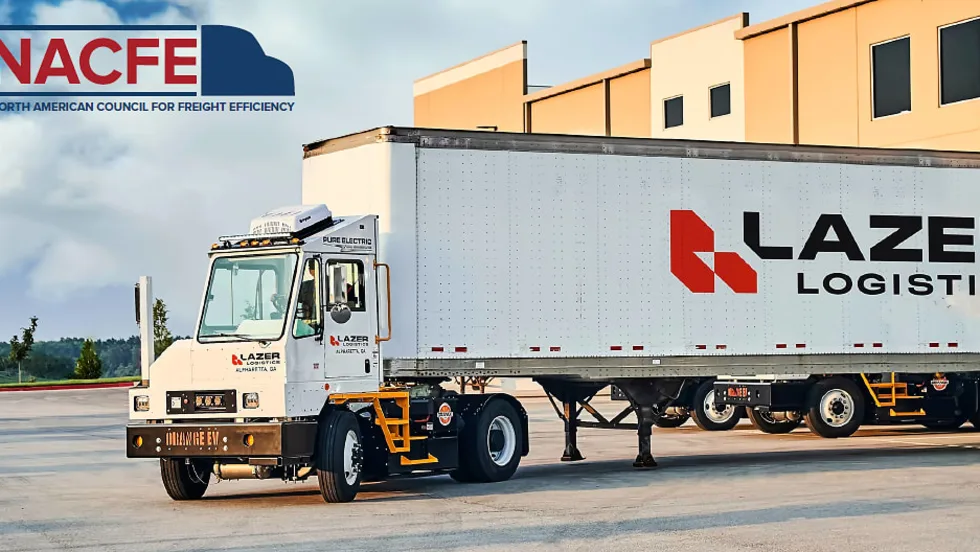
Electric Yard Tractors Move Beyond Pilots
Operating-cost savings have overtaken sustainability goals as the leading reason surveyed fleets are adopting battery-electric terminal tractors, according to new NACFE research.
Read More →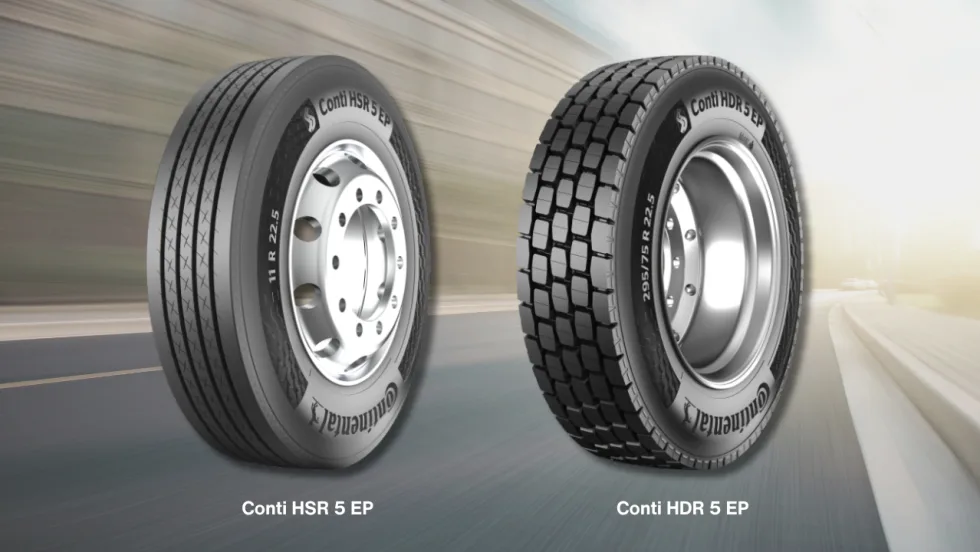
Continental Introduces New Regional Truck Tires
Continental says its new Generation 5 steer and drive tires for regional operations offer longer tread life, with estimated mileage gains of 22% and 19%, respectively.
Read More →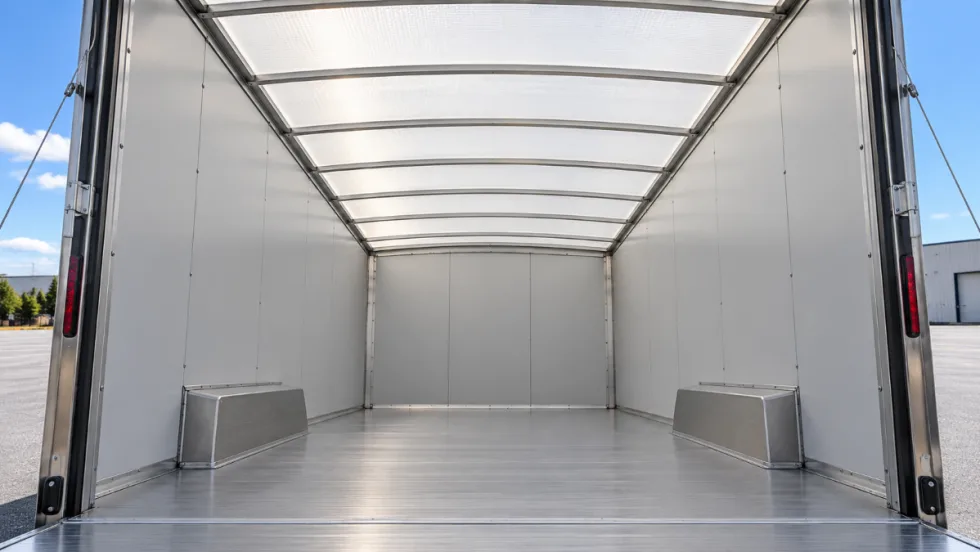
Tekmodo Introduces CargoBright Brand for Translucent Trailer Roofs
CargoBright is designed to diffuse daylight across the cargo area while performing as a working vehicle roof.
Read More →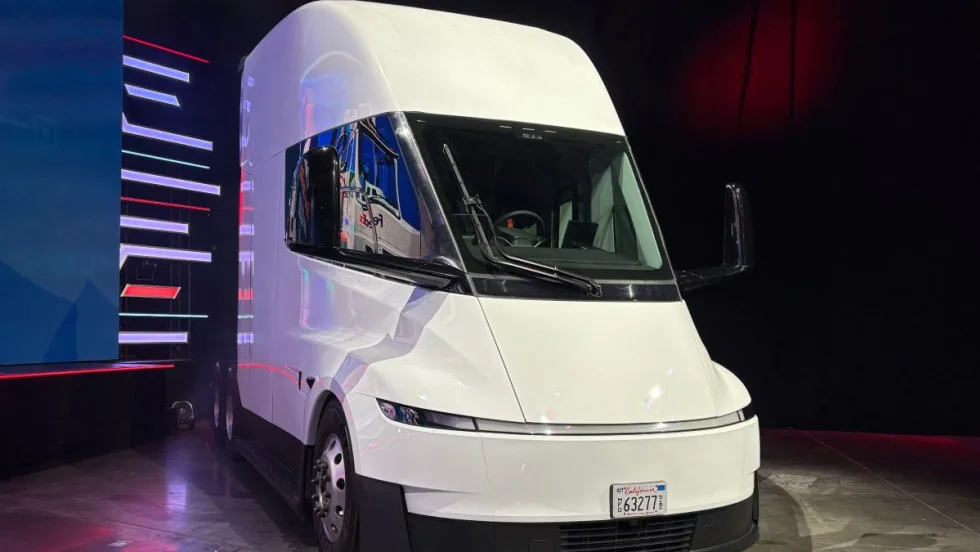
Fleet Economics Shape Electric Truck Outlook
ACT Research expects costs, charging infrastructure, and technology improvements to drive zero-emission commercial vehicle adoption as federal regulations and incentives retreat.
Read More →
Kodiak Targets Dallas–Houston for Driverless Trucks
The company says its autonomous trucks are completing the I-45 run without a safety observer taking control. It plans to remove the observer by the end of 2026.
Read More →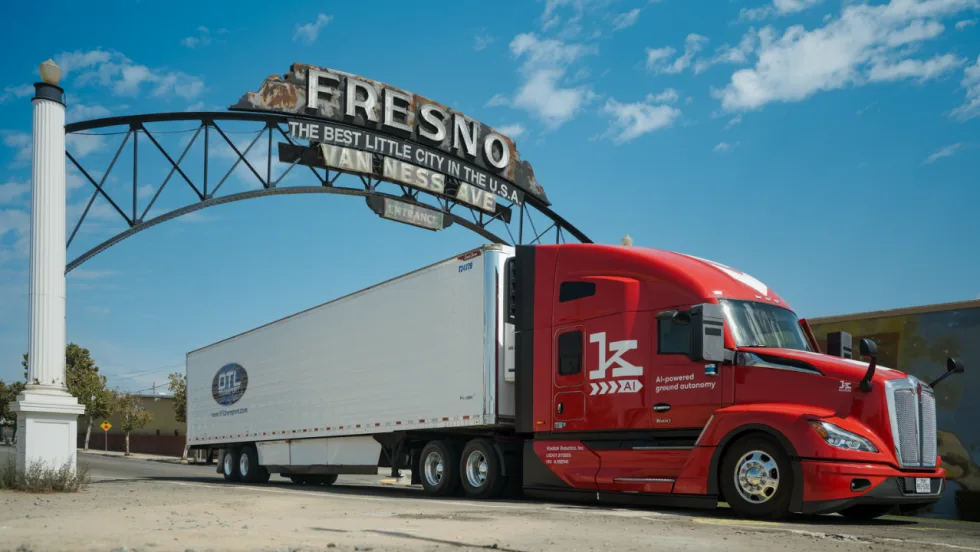
Kodiak Hauls Produce in California Autonomous Truck Pilot
Kodiak AI and DTL Transport have begun hauling produce between Fresno and Los Angeles under California’s new rules for testing heavy-duty autonomous trucks. A safety driver remains behind the wheel.
Read More →