




Mercedes-Benz Electric Truck Testing Returns Promising Results
Mercedes-Benz has been testing its all-electric eActros commercial trucks in real-world usage for about a year. So far, it has received positive feedback for using the electric vehicles in short range distribution applications.

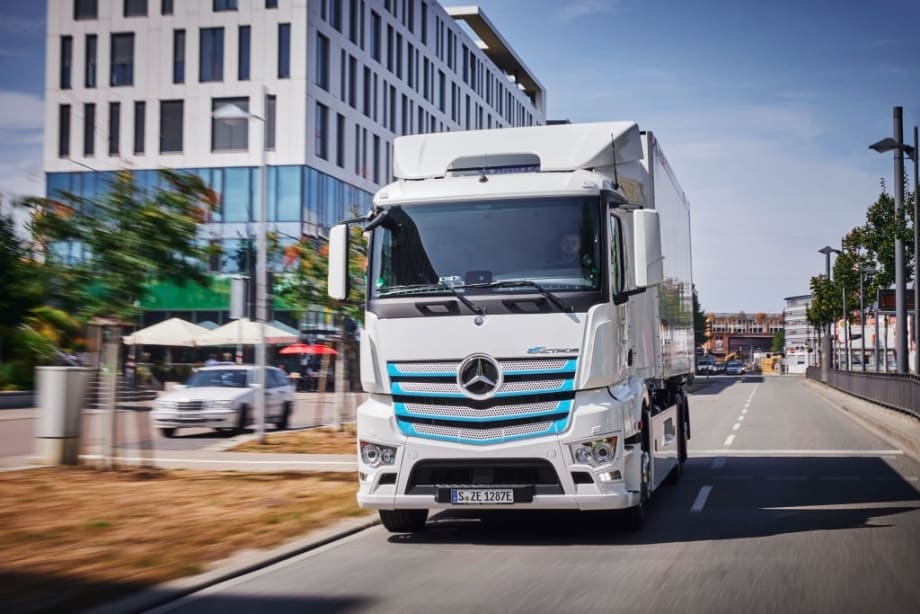
Mercedes-Benz Trucks handed over a total of 10 eActros electric trucks to customers for testing in regular operations. These trucks have racked up thousands of miles and Mercedes-Benz received feedback from drivers, dispatchers and fleet managers.
Photo: Mercedes-Benz
In Europe, Mercedes-Benz has been testing its all-electric eActros commercial trucks in real-world usage for a year. So far, it has received positive feedback for using electric vehicles in short-range distribution applications, the company reported.
As part of the eActros innovation fleet, Mercedes-Benz Trucks handed over a total of 10 eActros electric trucks to customers for testing in regular operations. These trucks have racked up thousands of miles and Mercedes-Benz received feedback from drivers, dispatchers and fleet managers.
Overall, the company found that customer feedback and test results show that with its electric trucks, heavy-duty short-range distribution is already possible with current technology.
The eActros has a range of up to 124 miles and testing has so far revealed this to be a realistic figure in real-world operation, regardless of payload, route, or topography. Even with cargo climate systems and cabin air conditioning tied to the battery in hot summer and low winter temperatures, the truck maintained its expected performance level.
"We're absolutely on the right track with the concept behind the Mercedes-Benz eActros,” said Andreas von Wallfeld, marketing, sales and service for Mercedes-Benz Trucks. “For me, this is the key finding after more than a year of extremely intensive real-world trials with our battery-electric heavy-duty short-radius distribution truck. I'm extremely thankful to our customers, whose active support is making a highly valuable contribution on the road to series production of the vehicle."
Drivers reported being impressed with the electric truck’s continuously available torque across the entire speed range and noted its quiet operation and smooth driving experience.
The ten trucks making up Mercedes-Benz’s innovation fleet operated in different sectors and categories. The spectrum ranged from groceries to building supplies and raw materials. The eActros was fitted with a variety of bodies suited for the application that included box and refrigerated bodies.
The eActros is based on the frame of the Mercedes-Benz Actros. However, the vehicle's architecture has been redesigned around an electric drive system and features a high percentage of vehicle-specific components.
Two electric motors near the wheel hubs of the rear axle provide the drive, each delivering an output of 169 horsepower and 358 lb.-ft. of maximum torque. Lithium-ion batteries feature a 240-kWh capacity and, depending on the available charging output, the batteries can be charged completely within as little as two hours (at 150 kW).
The eActros is scheduled to begin series production in 2021.
More Fuel Smarts

Why Small Fuel Savings Matter in Trucking
Can better fuel economy help pay for driver raises? In this podcast, GP Transco explains how small efficiency gains create room to reinvest in its people.
Read More →
How GP Transco Cuts Trucking Fuel Costs, a Tenth of a Gallon at a Time
What’s another tenth of a mile per gallon worth? GP Transco shares how equipment upgrades and driver coaching turn small gains into meaningful fuel savings.
Read More →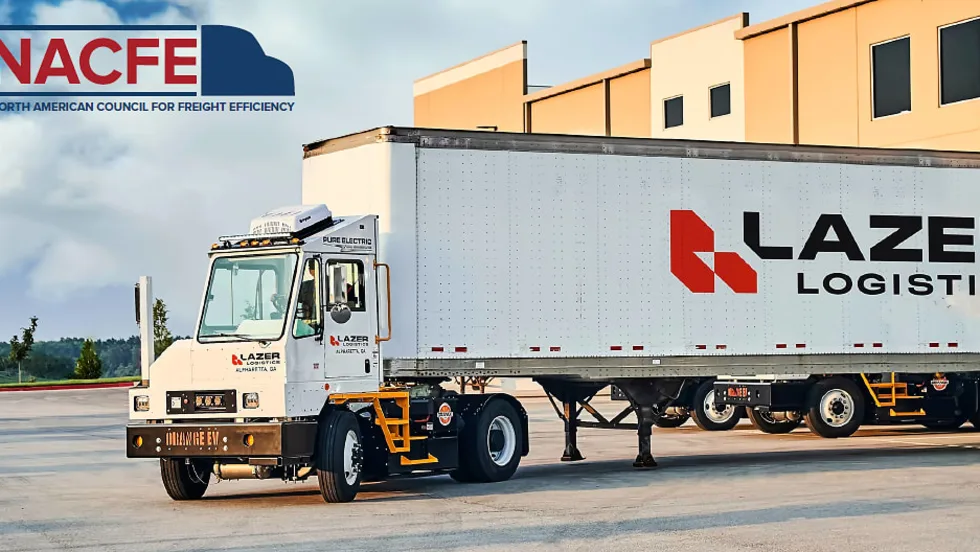
Electric Yard Tractors Move Beyond Pilots
Operating-cost savings have overtaken sustainability goals as the leading reason surveyed fleets are adopting battery-electric terminal tractors, according to new NACFE research.
Read More →
Geotab Links Fleet Card to Vehicle Data
The new card combines fuel discounts with telematics-based purchase controls. Geotab’s analysis also points to potential savings from choosing lower-priced fuel stops.
Read More →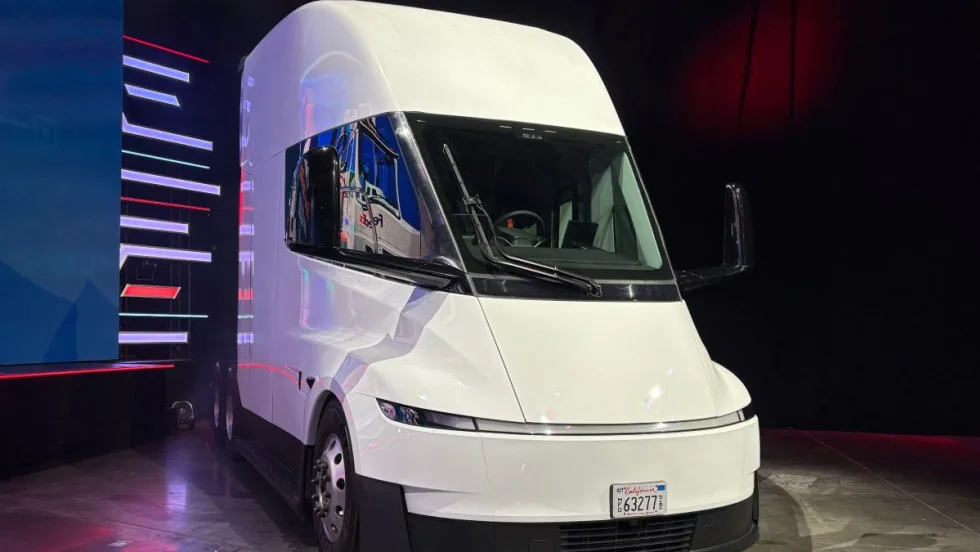
Fleet Economics Shape Electric Truck Outlook
ACT Research expects costs, charging infrastructure, and technology improvements to drive zero-emission commercial vehicle adoption as federal regulations and incentives retreat.
Read More →
Wex Adds Cardless Fuel Payments for Over-the-Road Customers
A new fuel card feature for Wex customers offers convenience and security.
Read More →
New California Law Could Shed Light on Electric Truck Prices
Why do battery-electric Class 8 trucks remain so expensive? A California bill signed by Gov. Gavin Newsom would give fleets and state agencies more visibility into what manufacturers charge.
Read More →
How Volvo Updated Its D13 for EPA 2027 [Watch]
Volvo’s updated D13 promises lower emissions without sacrificing performance or fuel economy. Take a closer look at what changed inside the engine in this HDT Spotlight video.
Read More →
Diesel Price Spike Shortens Payback for Natural Gas Trucks, Report Says
Energy Vision estimates fleets could recover the higher purchase price of an RNG-fueled Class 8 tractor in 1.3 to 2.8 years under current fuel-price scenarios.
Read More →
Calstart Becomes Catalyst Mobility, Reflecting Broader Focus
Calstart is now Catalyst Mobility, reflecting the nonprofit’s growing national role in clean transportation, including zero-emission trucks, infrastructure and incentive programs.
Read More →