




Injury Prevention Program Helps Improve Retention, On-Time Deliveries
Discussions of safety in trucking often focus on vehicle crashes – but Hub Group has also been working to reduce musculoskeletal injuries. Preventing crashes is only one part of a true safety culture, the company says.

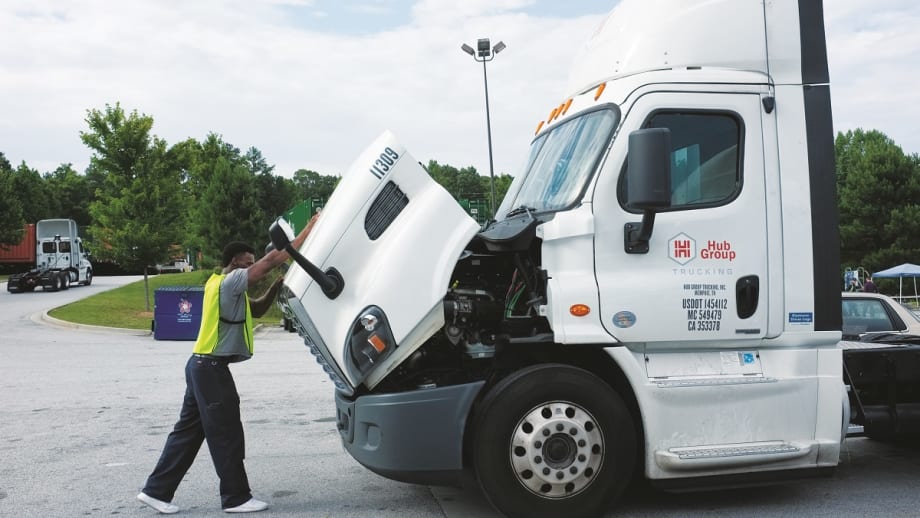
Common workplace injuries can occur from simple movements such as lowering, lifting, carrying, stepping and bending, and cost companies millions in workers’ compensation. Yet many of those injuries are preventable.
Photos courtesy Hub Group
Discussions of safety in trucking often focus on vehicle crashes – but Hub Group has also been working to reduce musculoskeletal injuries.
Tim Smith, senior vice president of safety at the Oak Brook, Illinois-based supply chain management and logistics company, explains that safety is a core focus at all levels of his organization.
“We believe that the more we can strengthen our safety culture, the better we’ll be as an organization,” says Smith. That’s why he decided to look into Worklete, a technology platform that works to reduce musculoskeletal injuries at transportation, shipping and logistics companies.
“We wanted to cultivate a culture of safety and ingrain that safety mindset with our entire team,” Smith explains.
Common workplace injuries can occur from simple movements such as lowering, lifting, carrying, stepping and bending, and cost companies millions in workers’ compensation. Yet many of those injuries are preventable.
“Everything has always been about the truck,” says Smith. “Drivers are taught to be safe and not hit anything. This program doesn’t just teach you how not to get hurt,” he explains. “It teaches you how to place your body in a position that helps you get stronger while you work.”
Hub Group focuses on incorporating new technology and approaches where it makes sense to do so. The Worklete (from “work like an athlete”) program includes peer-to-peer training and coaching, and certifies an internal network of “champions” in their techniques that act as boots on the ground, teaching and reinforcing these habits with their colleagues every day, according to Smith. “I believe that team engagement and local ownership is a key to sustainability.”
Worklete’s programs emphasize learning the basics of proper human movement, and how to apply these principles to work-related tasks. At Hub Group, the drivers apply the core concepts they have learned to job-specific functions, such as opening and closing bay doors, unhooking trailers, and raising and lowering landing gear, without injuring their bodies.
Since implementing Worklete, Hub Group has seen a dramatic reduction in injuries that take employees both off their routes and out of the office.
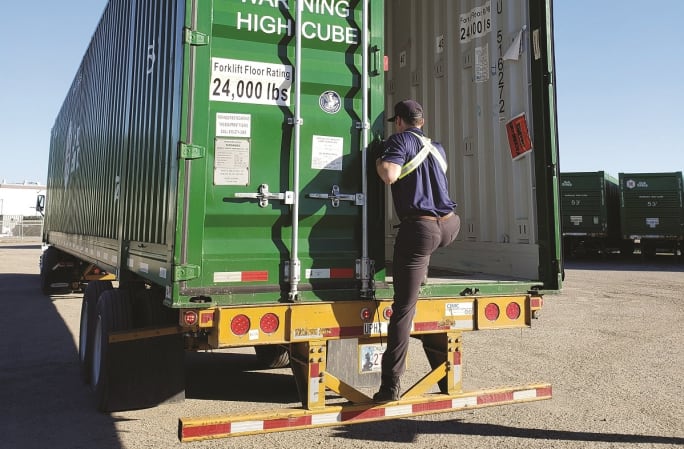
Drivers apply the core concepts they have learned to job-specific functions, like entering and exiting trailers, without injuring their bodies.
“The program is embedded into the everyday lives of our drivers, and as a result, makes them more safety-aware overall,” Smith says. “Worklete’s effectiveness is due to the fresh and innovative way that the information is delivered to our workers. In fact, the training and the program itself transcend the workplace.”
During the first six months of piloting the program, the company experienced zero recordable injuries, compared to 16 over the same time period in the year prior. Once Worklete was fully implemented across 160 locations, Hub Group decreased its recordable injury rate by 63% over three years, resulting in an 85% reduction in injury-related direct costs over that same time period.
Hub Group also has seen an improvement in productivity and on-time deliveries. “It also means that more freight is safely moved on our highways because our driver is safe, uninjured, and prepared for a work shift,” Smith says. “The balance of safety, compensation, and home time is a great recipe for our drivers.”
While it’s hard to put turnover numbers to the specific program, Smith and his team believe the program helps the company build a relationship of trust and appreciation, both between the company and its 4,400 drivers, and among the drivers themselves.
“We have seen drivers watching out for each other and even pointing out corrections if they see someone who could improve their form based on the Worklete techniques,” Smith says. “Some of our drivers have even incorporated learnings from the Worklete program into their everyday lives.”
More Safety & Compliance
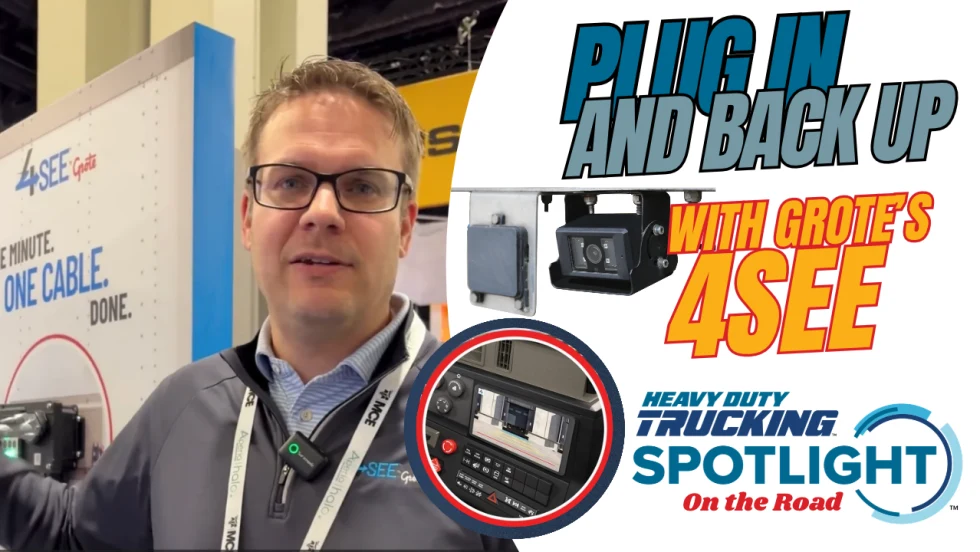
More Trailer Data Through the Same Seven-Way [Video]
Can trucking’s standard seven-way connector handle more cameras and trailer data? Grote’s Adam Slade shows HDT how the company is using new technology with its 4See trailer system, not only to add a new backup camera but also to expand other capabilities — without adding another connection.
Read More →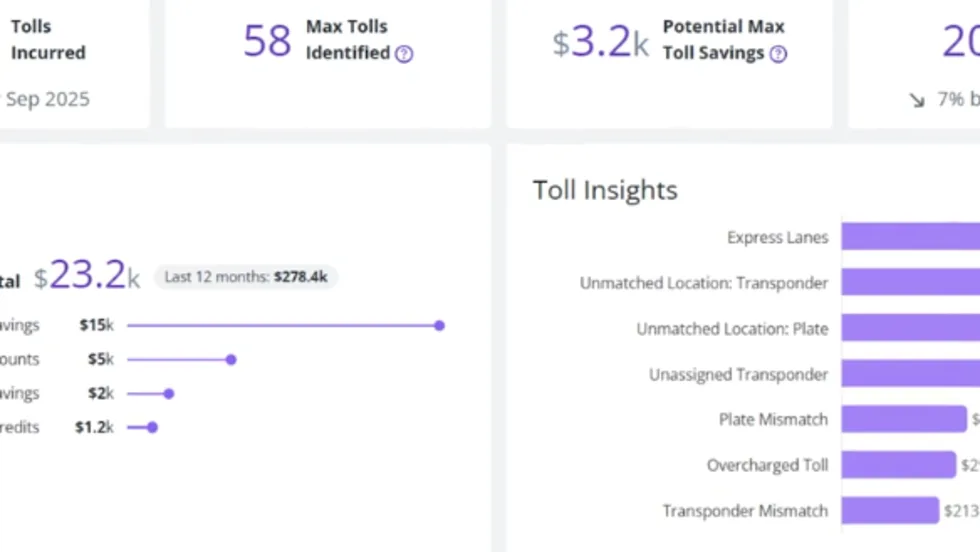
PrePass Intelligence Mines Fleet Bypass, Toll and Safety Data
PrePass Intelligence helps fleets measure bypass savings, flag potential toll overcharges, and spot suspicious transactions by combining data from separate systems.
Read More →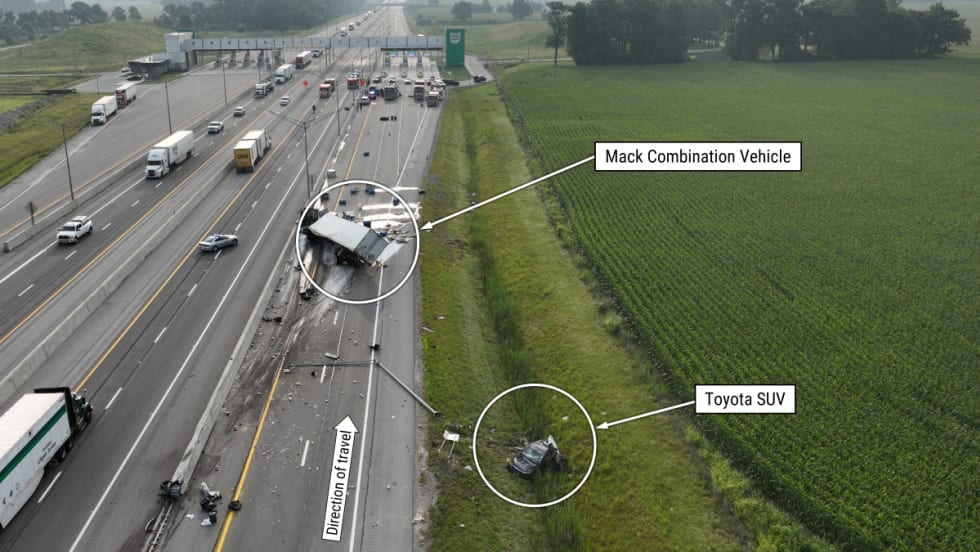
Fatal Crash Exposes Toll Plaza Risks
An NTSB investigation found that last-minute lane changes and large speed differences at an Ohio toll plaza created a hazard the truck driver couldn't avoid in time.
Read More →
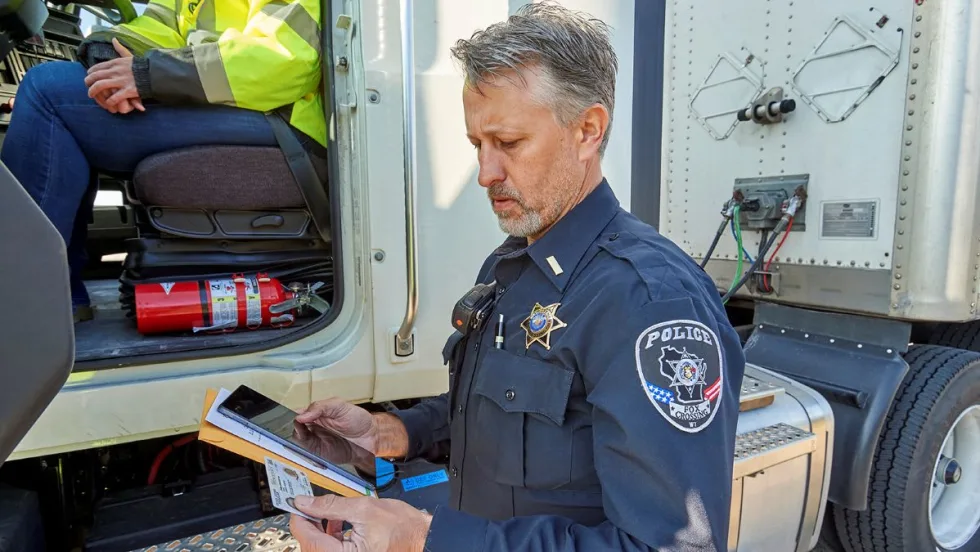
When Language Stops the Truck: The Return of ELP Out-of-Service Orders
English language proficiency rules for commercial drivers aren’t new, but renewed out-of-service enforcement has raised the stakes. Here’s what carriers need to know before a driver reaches a roadside inspection.
Read More →
A Camera Isn't a Safety Program. Here's What Brokers Are Screening for Now
Footage alone may not be enough to pass broker vetting processes. Here's what counts as a defensible safety program now.
Read More →
Marijuana and Trucking’s Drug-Testing Dilemma
Marijuana is getting stronger, laws are changing, and drug tests still can’t reliably establish impairment. What does that mean for truck drivers and the fleets that employ them?
Read More →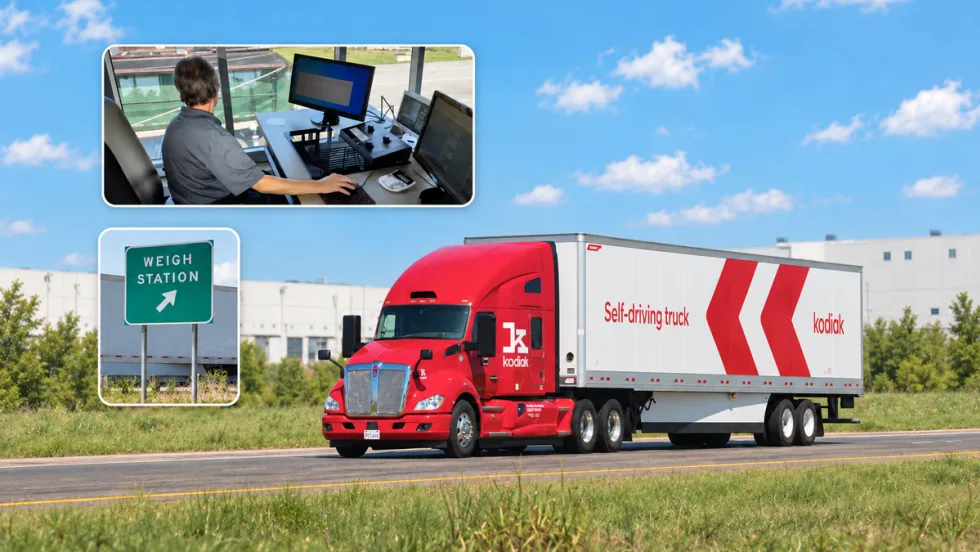
PrePass, Kodiak Connect Driverless Trucks to Roadside Enforcement
The system will allow enforcement agencies to verify Enhanced Inspection information and decide whether Kodiak’s autonomous trucks can bypass roadside screening sites.
Read More →
From One Generation to the Next: How Mentorship Builds Safer Truck Drivers
After three decades in trucking, Harold Perry shares what he's learned about driver safety, mentorship, and helping the next generation build confidence behind the wheel.
Read More →
FMCSA Pauses Biennial-Update Enforcement Amid Motus Transition
Carriers whose updates were due on or after June 1 have more time, while FMCSA works to stabilize its new registration system and warns of phishing sites impersonating its new carrier registration system, Motus.
Read More →
ZF Expands Commercial Vehicle Push in North America
ZF is expanding its North American commercial-vehicle presence with new transmission applications, electrification, trailer technology and autonomous-driving systems.
Read More →