




How to Deal With FDA's Food Hauling Rules
To transport food compliantly, fleets must adopt certain best practices and consider adding advanced technology.

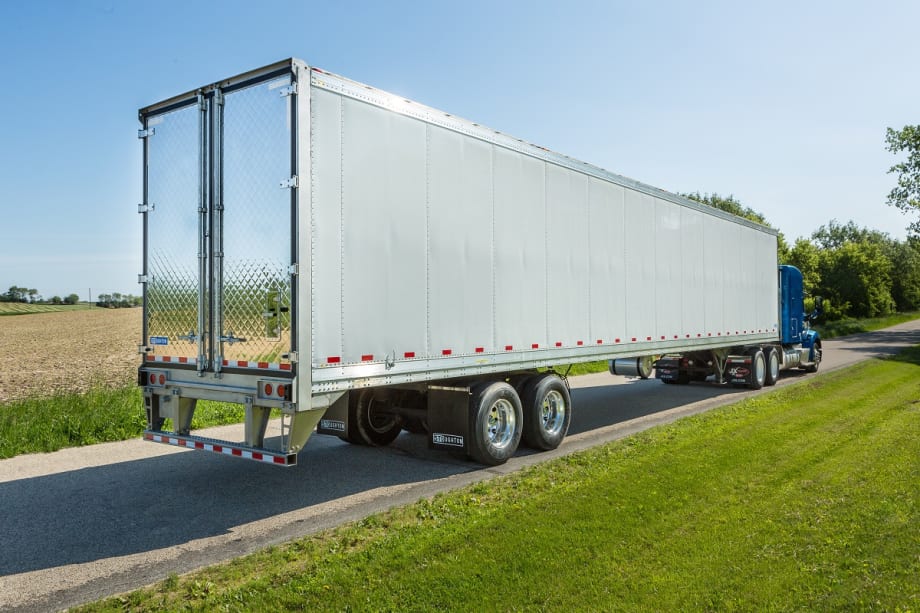
To comply with the new sanitary food transportation rule, reefer fleets must adhere to best practices for temperature-controlled freight established by shippers.
Photo: Stoughton Trailers
Since September 2018, all truck operations that haul food for human or animal consumption have been required to comply with provisions of the Food and Drug Administration’s Sanitary Transportation of Human and Animal Food rule. The rulemaking was required to satisfy aspects of the Food Safety Modernization Act of 2011, which amounts to the largest reform to food safety in more than 70 years.
The rule, STF for short, at this point may still be an unfamiliar jumble in trucking’s overflowing bowl of alphabet soup. And dealing with a rule that aims to protect every aspect of transporting food — literally from farm to fork — may appear extremely unappetizing.
But there is a blue-plate special dished up by the regulators in which truckers may find some comfort food: Under the STF rule, food haulers comply by adhering to shipper requirements, which means fleets are expected to follow best practices for temperature-controlled freight established by shippers.
“This rule builds on current safe food transportation best practices and is focused on ensuring that persons engaged in the transportation of food that is at the greatest risk for contamination during transportation follow appropriate sanitary transportation practices,” states FDA in its executive summary.
The agency describes the rule as flexible, in that it allows the continued use of “industry best practices concerning cleaning, inspection, maintenance, loading and unloading of, and operation of vehicles and transportation equipment” to prevent food from spoiling in transit.
Yet as agreeable as “flexible” may sound, failure to comply can have a huge financial impact on a fleet, as Penske Truck Leasing points out in a resource post on its website about the STF rule. “If anyone in the supply chain becomes aware of possible temperature control failure or other conditions that may render the food unsafe during transportation, the food cannot be sold or distributed.” Those costs can mount quickly. What’s more, the lessor stresses that failure to comply is prohibited and makes a motor carrier “subject to injunction and criminal prosecution.”
Order up!
In its best practices guide on sanitary food transportation, the International Refrigerated Transportation Association says the STF rule “identifies shippers as the primary responsible holder when it comes to determining appropriate standards for sanitary and safe transportation of food products.”
While FDA defines “shipper” as the initiator of a shipment of food, IRTA stresses that “carriers, loaders and receivers must also abide by the STF ruling, agree to designated shipper requirements, and perform as expected and per shipper requirements.”
To help make that happen, shippers have developed food safety plans that incorporate industry best practices to ensure the sanitary transport of perishable food.
What carriers must do, then, is fully understand and comply with the requirements of the food safety plans issued by their shipper customers. “Maintaining pre-requisite process documentation will enable the carrier to support its position should claims or lawsuits arise out of the act of carriage,” points out IRTA.
Menu items
IRTA stresses that maintaining proper records alone may not be enough to defend against claims and suits about food spoilage. It recommends that carriers seek legal and risk management counsel. Also recommended are conducting periodic reviews of contracts and prerequisites to make sure fleets stay compliant with the latest regulations and best business practices.
Claims experts with insurance carrier Travelers say in a blog post that the new rule seeks to strengthen safety standards even further by mandating recordkeeping requirements for each party responsible for sanitary food transportation chain. “It does not, however, introduce unfamiliar protocols or change how damage or adulteration is determined.”
“It was not the FDA’s intent to change how the cargo insurance claims process is handled,” explains Ray Lampley, associate manager, Travelers Inland Marine Claims. “It continues to show itself to be more of a perceived risk than a real risk from an insurance and claims perspective.”
As Travelers sees it, many motor carriers are already meeting the performance-based standards of the new rule, with the challenge being formalizing their documentation procedures.
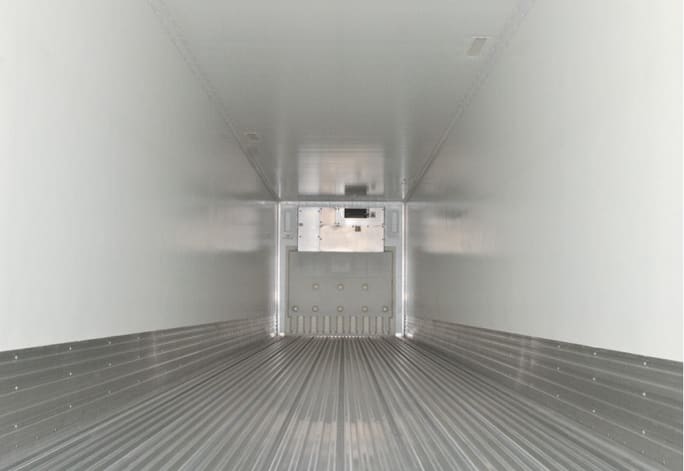
Maintaining clean trailers is critical to prevent cross-contamination of food in transit, and the interior of reefers must keep temperatures at proper levels to prevent bacterial growth that contaminates food.
Photo: Great Dane
Clean it
Carriers must also provide information to shippers and loaders (when requested) about previous cargoes hauled in bulk vehicles and the intervening cleaning of those vehicles, points out Orbcomm, a supplier of temperature monitoring and control systems, in an FSMA white paper. On top of that, vehicles should be inspected for cleanliness prior to loading food that is not completely enclosed by a container.
Maintaining clean trailers is paramount to prevent cross-contamination, says Travelers. Fleet records should include practices for cleaning, including sanitizing as needed, and inspecting vehicles. All this may be the responsibility of the shipper or of the carrier, depending on what a given contract stipulates.
The rule doesn’t provide specific recommendation on how or when a trailer should be cleaned, notes Adam Sellars, Travelers Inland Marine risk control specialist. “They leave that up to the transportation parties and shippers to decide. The key element is ensuring that records are maintained that demonstrate appropriate cleaning and sanitation practices were implemented.”
For example, he says, if the shipper cleaned the trailer before loading, then the shipper should document that, and the carrier should obtain copies of that record or validate it on its own.
Cool it
A key aspect of compliance for carriers is being able to demonstrate that its refrigerated vehicles have been satisfactorily pre-cooled, according to Orbcomm. “Carriers are also responsible for providing temperature records upon request to demonstrate appropriate temperature ranges were maintained during transportation.”
“You want to make sure that the trailer itself, along with the air within it, is at a certain temperature before loading,” Travelers’ Sellars says. “If you’re loading cold products into a warm trailer, you can change the dynamics very quickly, as the refrigeration system may not be able to maintain appropriate temperatures.” That can vary depending on the type of trailer, its insulation characteristics, including at doors, and the temperatures that will need to be controlled during transit.
As crucial as it is to keep temperature at the proper level to prevent bacterial growth that contaminates food, the rule does not require carriers to provide real-time temperature monitoring. However, Sellars say many leading carriers are using such technology.
“Some of the more sophisticated shippers will use telemetry to monitor temperatures in transit. That way a sensor can send an alert to the driver or a main office as soon as the temperature approaches an unsafe level, and action can be taken immediately to reroute that truck or otherwise fix the issue.”
Penske suggests that fleets can use transportation management systems and GPS monitoring to help pinpoint the exact location of a load if a shipper needs to halt the delivery. “Radio-frequency identification (RFID) technology on pallets also can ensure quick and easy traceability in the event of a food safety crisis.”
Specific cold-compliance guidelines offered by Orbcomm include:
Put in place a system to monitor and control cargo-area temperature during transit;
Develop processes to communicate temperature profiles gathered en route to both the shipper and receiver;
Create and maintain a repository of temperature profiles for past loads;
Limit exposure of temperature-sensitive cargo to non-controlled areas; and
Figure out how to deal with temperature violations that can occur during transportation as well as when loading and unloading product.
Teach it
Obviously, making sure reefer equipment is clean and operating correctly at the start of a trip and stays that way throughout is a responsibility that falls on the truck driver, too. Sellars recommends that driver training reflect that reality. “Drivers will have their traditional orientation that relates to collision avoidance and defensive driving. But they also need training that is specific to safe food handling and sanitary transportation.” The new rule requires documentation of that training.
A summary of the rule prepared by the law firm Covington & Burling LLP is crystal clear on the importance of training. “The final rule imposes specific training obligations on carriers engaged in transportation operations, because carriers would generally not be subject to the training provisions in other human and animal food safety regulations… the carrier must provide adequate training to its personnel about potential food safety problems that might occur during transportation and basic practices to address those problems.”
More Equipment

More Trailer Data Through the Same Seven-Way [Video]
Can trucking’s standard seven-way connector handle more cameras and trailer data? Grote’s Adam Slade shows HDT how the company is using new technology with its 4See trailer system, not only to add a new backup camera but also to expand other capabilities — without adding another connection.
Read More →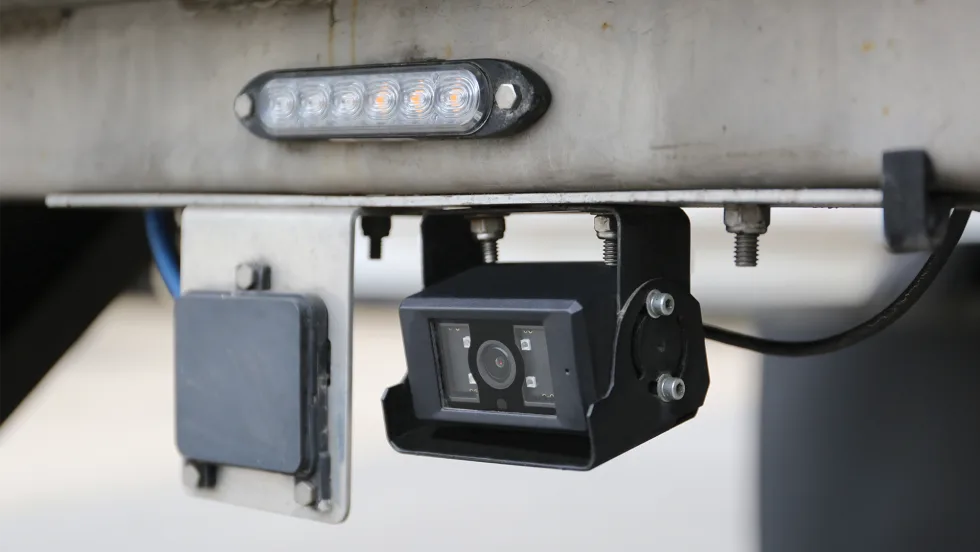
Grote: More Cameras, Same Seven-Way Connector
The next-generation 4See rear-view backup camera from Grote uses the standard seven-way connector and supports additional cameras and other trailer data.
Read More →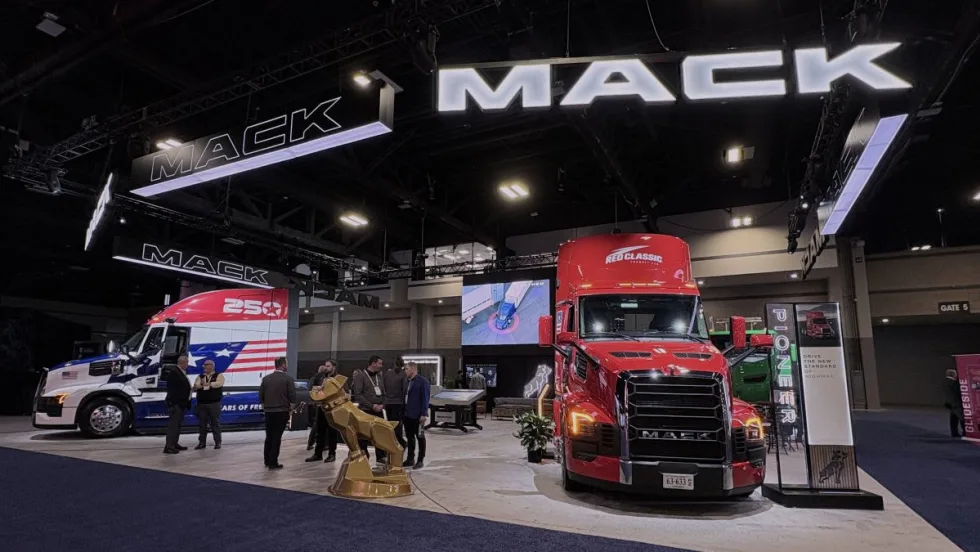
Trucks at ATA's 2026 MC&E in Charlotte, North Carolina [Photos]
From rigs decked out in patriotic America's 250 paint schemes to autonomous trucks and more, check out these photos from ATA's 2026 Management Conference & Exhibition.
Read More →
Help HDT Find Trucking’s Top Products
Have you come across a new product that could make a difference for trucking fleets? Nominate it for HDT’s 2027 Top 20 Products Awards by November 9.
Read More →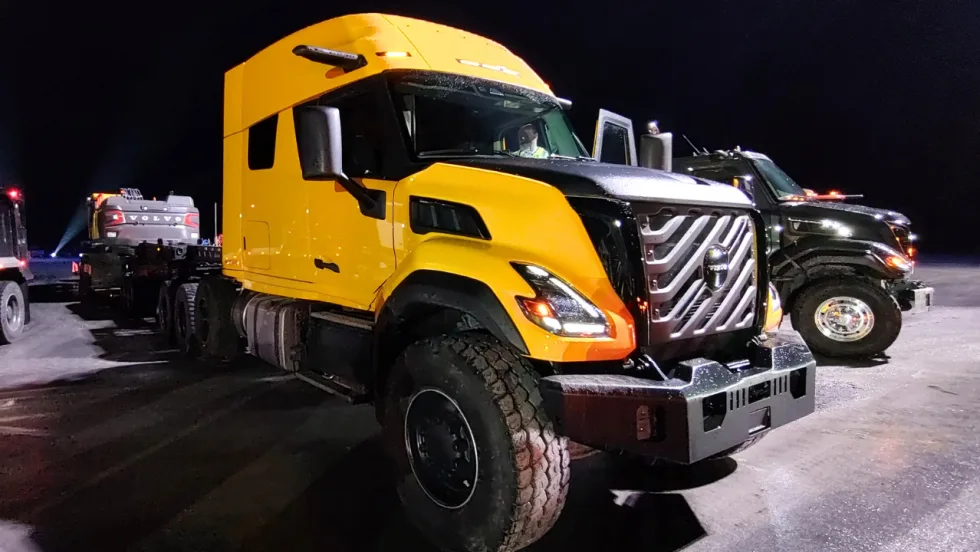
Volvo Unveils New VNX Heavy-Haul and Vocational Truck
Volvo Trucks has launched the VNX, a new vocational truck also available as a tractor in day cab and two sleeper configurations, with one heavy-haul model. The Volvo VNX is powered by Volvo's D13 platform, which delivers up to 540 horsepower and 1,950 pound-feet of torque and is EPA 2027-compliant.
Read More →
How GP Transco Cuts Trucking Fuel Costs, a Tenth of a Gallon at a Time
What’s another tenth of a mile per gallon worth? GP Transco shares how equipment upgrades and driver coaching turn small gains into meaningful fuel savings.
Read More →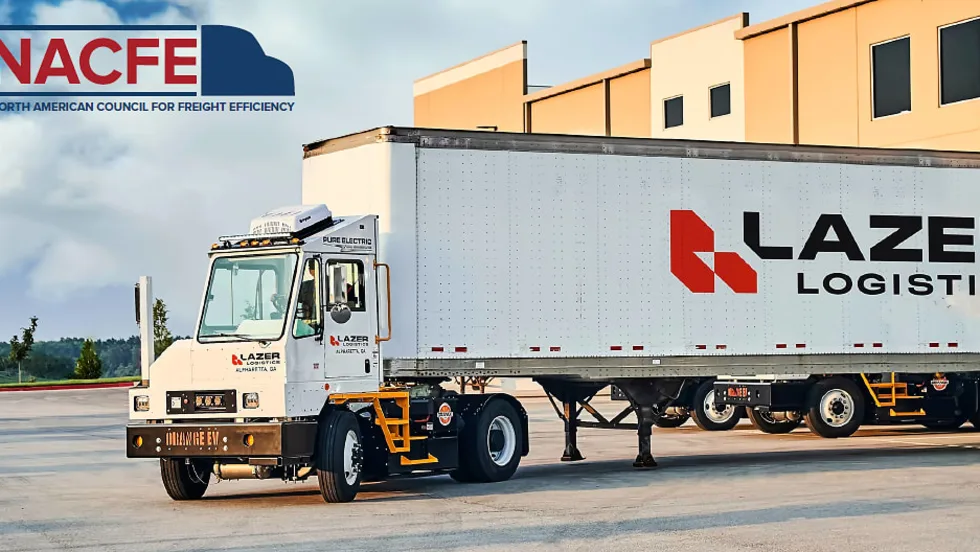
Electric Yard Tractors Move Beyond Pilots
Operating-cost savings have overtaken sustainability goals as the leading reason surveyed fleets are adopting battery-electric terminal tractors, according to new NACFE research.
Read More →
Continental Introduces New Regional Truck Tires
Continental says its new Generation 5 steer and drive tires for regional operations offer longer tread life, with estimated mileage gains of 22% and 19%, respectively.
Read More →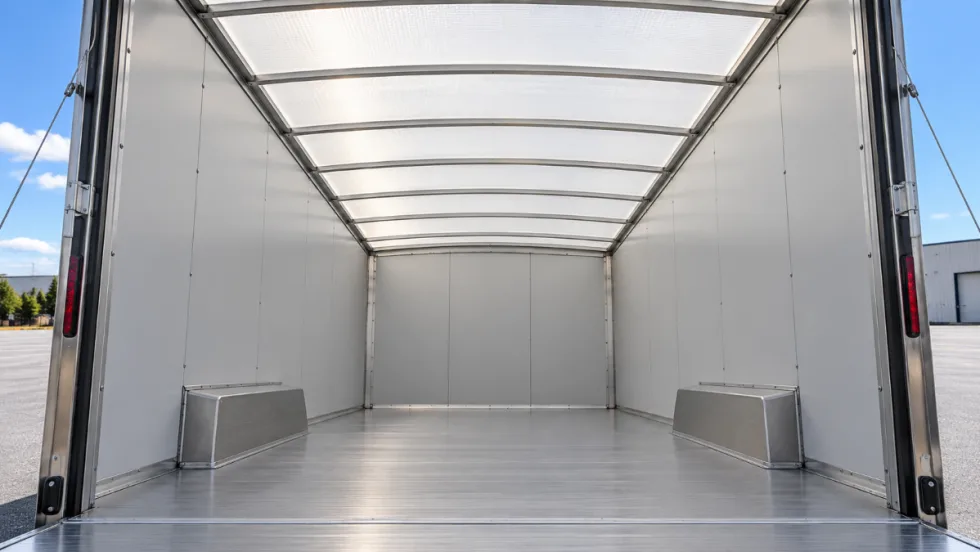
Tekmodo Introduces CargoBright Brand for Translucent Trailer Roofs
CargoBright is designed to diffuse daylight across the cargo area while performing as a working vehicle roof.
Read More →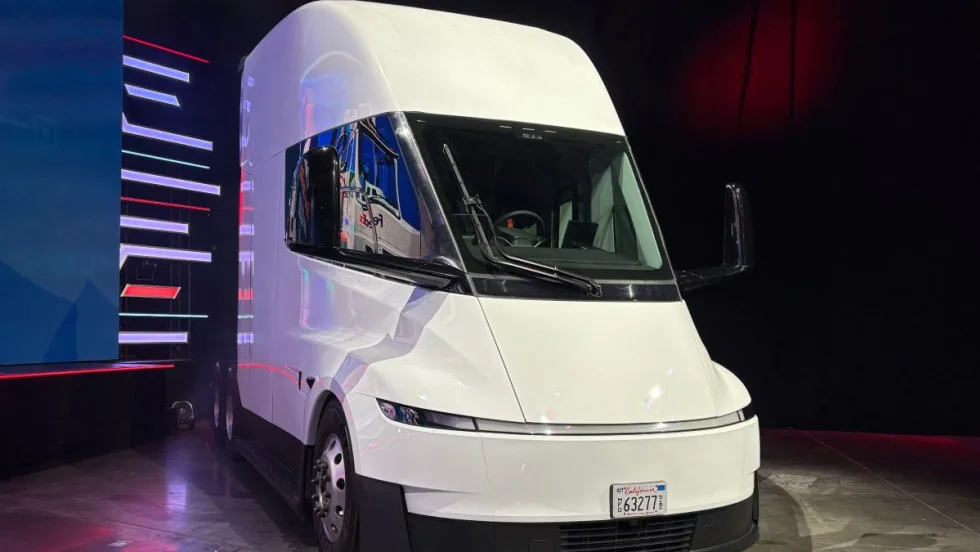
Fleet Economics Shape Electric Truck Outlook
ACT Research expects costs, charging infrastructure, and technology improvements to drive zero-emission commercial vehicle adoption as federal regulations and incentives retreat.
Read More →