




Peloton CEO: Platooning Still Shows Promise for Enhanced Fuel Economy
In an exclusive HDT interview, Peloton founder and CEO Josh Switkes responds to news reports that Daimler may not pursue further research in truck platooning technology.

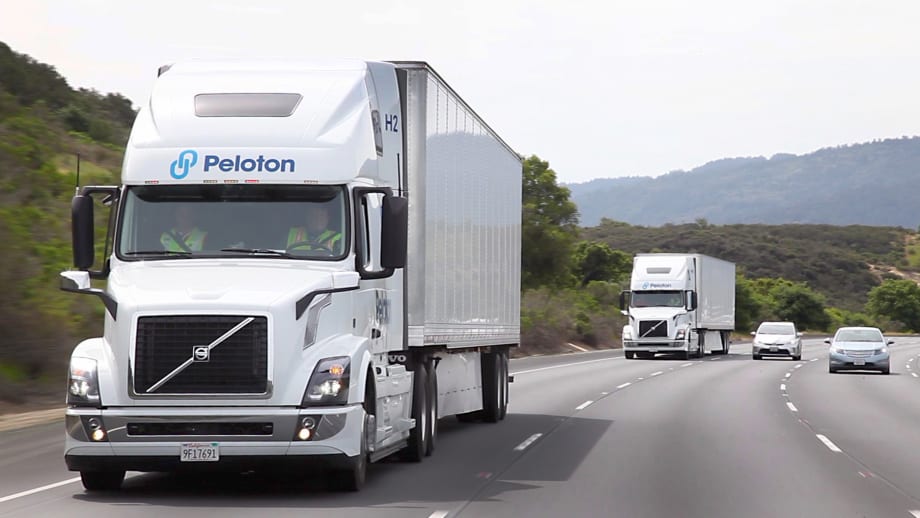
Peloton CEO Josh Switkes said the company is seeing even better fuel economy results on public roads than was anticipated based on previous research and ongoing track tests.
Photo: Peloton
Earlier this week, at the Consumer Electronics Show in Las Vegas, Daimler Trucks North American officially announced that it was shifting its near-term vehicle research and development efforts away from truck platooning and instead will focus on other advanced autonomous vehicle control and safety systems.
Daimler backed that statement up with the launch of its new Freightliner Cascadia Class 8 tractor, which features a host of standard Level 2 autonomous systems, including lateral (steering) and longitudinal (acceleration/deceleration) control. Doubling down on the new technology, Daimler also announced that it would put new trucks with Level 4 autonomous controls onto the road later this year.
Last fall, at the IAA Commercial Vehicle Show in Hannover, Germany, Martin Daum, head of Daimler’s Global Truck and Bus business division, set off a bombshell at the Heavy Duty Manufacturers Association Breakfast on the last day of the show, when he said that, “Platooning might not be the Holy Grail,” adding that recent Daimler testing had shown that platooning fuel economy benefits were not “as hoped” for using recent model tractor-trailers with highly advanced aerodynamic systems.
Still, Daum said at the time, Daimler could continue to invest in and research platooning technology, which uses advanced autonomous control and safety systems to allow trucks to travel at closer following intervals at highway speeds to obtain better fuel economy.
This week, in Las Vegas, Daimler further distanced itself from truck platooning technology, saying that reassessing truck platooning after testing “currently shows no business case” for the technology on new aerodynamic trucks.
For some perspective on Daimler’s platooning announcement, HDT spoke with Josh Switkes, founder and CEO of Peloton, a leading developer of platooning technology for Class 8 tractor-trailers.
HDT: Daimler is signaling that it no longer thinks platooning technology is worth pursuing for newer-model, higher aerodynamic trucks and trailers. Where do you see platooning standing at the moment?
Switkes: Peloton is seeing even better fuel economy results on public roads than we anticipated based on our previous and ongoing track tests. In addition, we have also seen a high utilization of platooning on typical freight lanes.
HDT: Do you think platooning is a “dead end” or “near term” technology, as Daimler seems to be suggesting?
Switkes: No. Our development and testing of platooning over the last five years has shown us how critical specific functionalities are in the vehicle and the cloud. These include the control of following trucks, as well as the supervision of the platoons by our Network Operations Cloud. These functionalities, many of which are patented, combine to enable high utilization and the close following distances that do provide good fuel economy improvement.
HDT: Do you think this Daimler news is a signal that platooning may be more of an aftermarket solution for fleets, as opposed to technology offered by OEMs?
Switkes: Possibly. Peloton has developed our platooning system to be interoperable across OEMs and fleets, and we strive to show fleets value and efficiency regardless of the manufacturer.
HDT: Where do things stand at the beginning of this year in terms of moving forward on platooning specific legislation?
Switkes: We have seen tremendous traction on regulations supporting platooning over the past year, with the majority of the freight ton miles now occurring in 18 platooning-approved states.
More Equipment

NHTSA Moves to Rewrite Truck Fuel-Economy Rules
The National Highway Traffic Safety Administration says it lacks authority to regulate medium- and heavy-duty truck engines separately from complete vehicles, but the existing standards have not yet been eliminated.
Read More →
Detroit Opens Orders for EPA 2027 Engines
Detroit isn’t starting from scratch to meet EPA 2027 diesel emissions standards. Its Gen 6 DD13 and DD15 engines keep much of today’s platform while updating the fuel and aftertreatment systems.
Read More →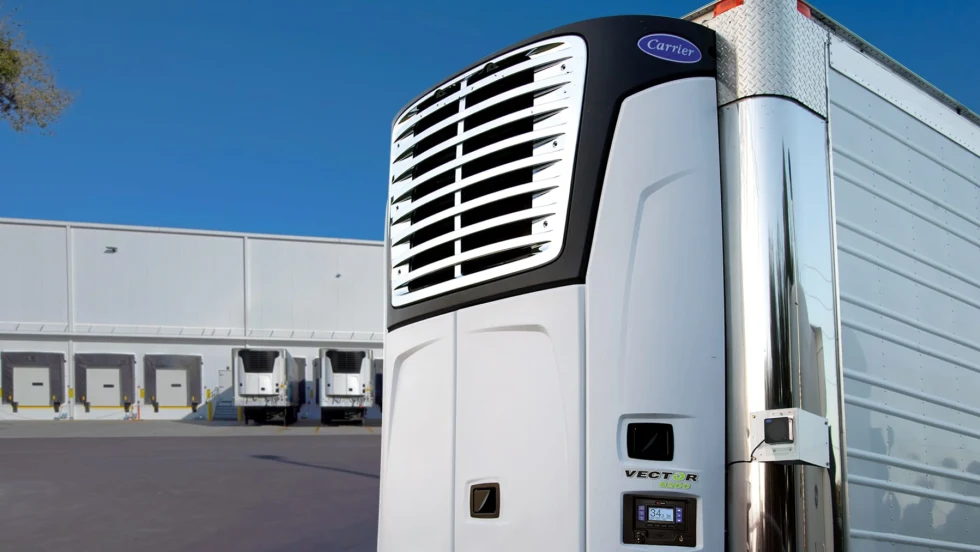
Carrier Transicold Adds All-Electric TRU for Stationary Cold Storage
Carrier Transicold’s new Vector 8200 all-electric transport refrigeration unit gives fleets a diesel-free option for temporary refrigerated and frozen trailer storage.
Read More →
A Closer Look at Kenworth’s Electric T880E Vocational Truck [Video]
Learn more about Kenworth's T880E battery-electric vocational truck at the Paccar Technical Center, including its range, applications, upfitting considerations, and PTO options, in this HDT Spotlight video.
Read More →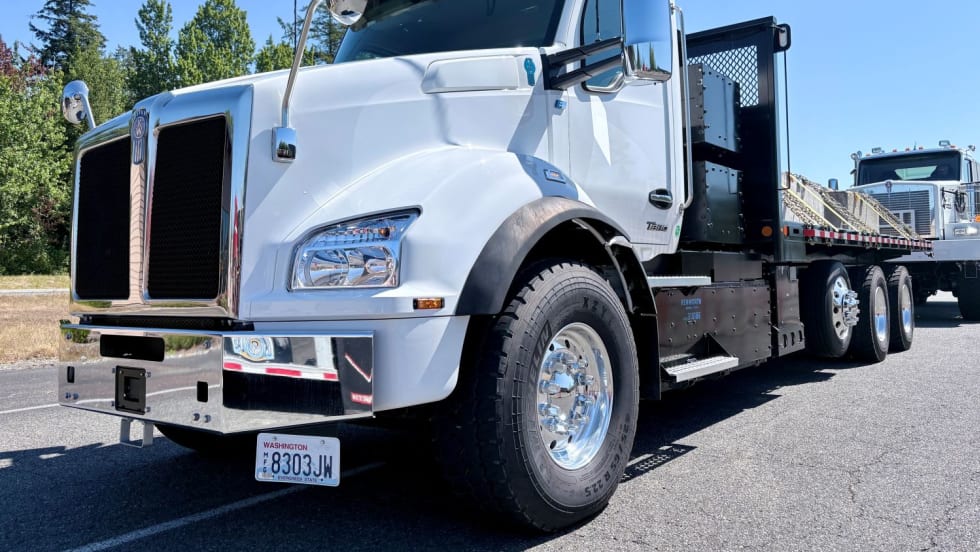
Kenworth T880E Brings EV Power to Vocational Trucks
A closer look at the Kenworth T880E’s range, charging, powertrain and upfit options — and where fleets are showing the most interest.
Read More →
What the U.S.-Canada Trade War Means for Trucking
Escalating U.S.-Canada tariffs could disrupt cross-border freight, reduce truck volumes, raise costs, and create new uncertainty for carriers on both sides of the border.
Read More →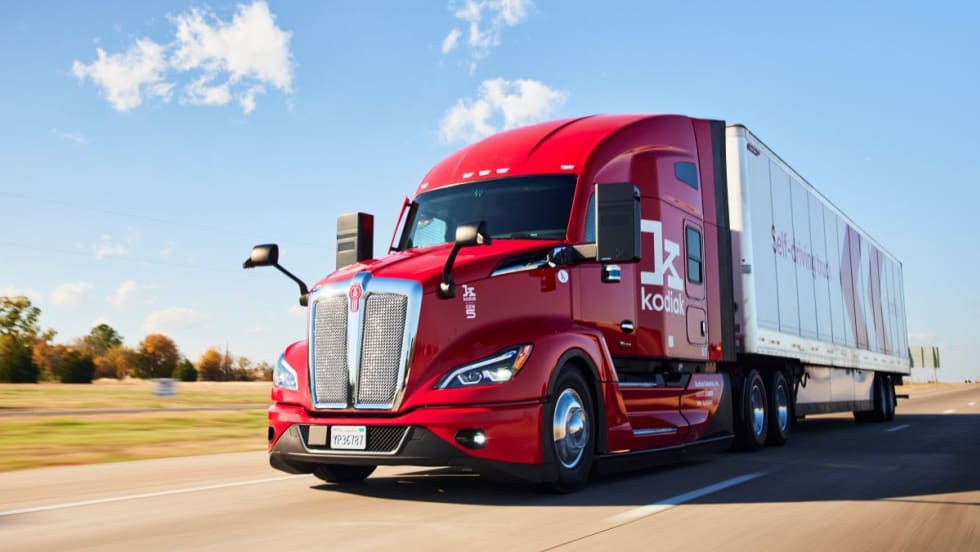
Autonomous Truck Testing Moves Ahead in California as Teamsters Challenge Rules
California has begun permitting heavy-duty autonomous truck testing, with Aurora and Kodiak among the first to receive approval, as the Teamsters sue the DMV over the new regulations.
Read More →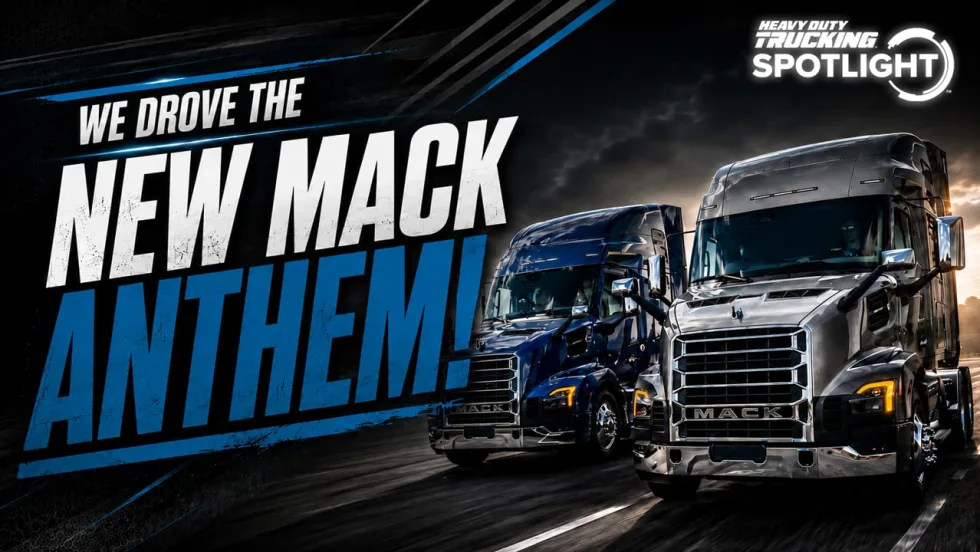
Behind the Wheel of the New Mack Anthem [Video]
HDT takes the new Mack Anthem around Mack’s Pennsylvania test track to see how its driver-focused design, technology, visibility and handling perform from behind the wheel.
Read More →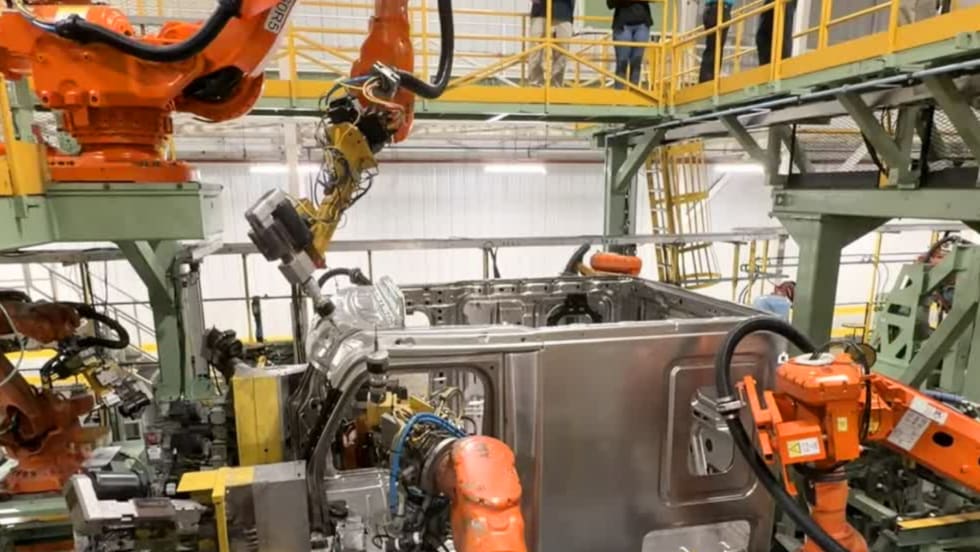
DTNA Plans New U.S. Truck Plant as Manufacturing Footprint Shifts
Daimler Truck North America is evaluating sites for a new assembly plant expected to open in 2029 while winding down operations at its longtime Portland manufacturing facility.
Read More →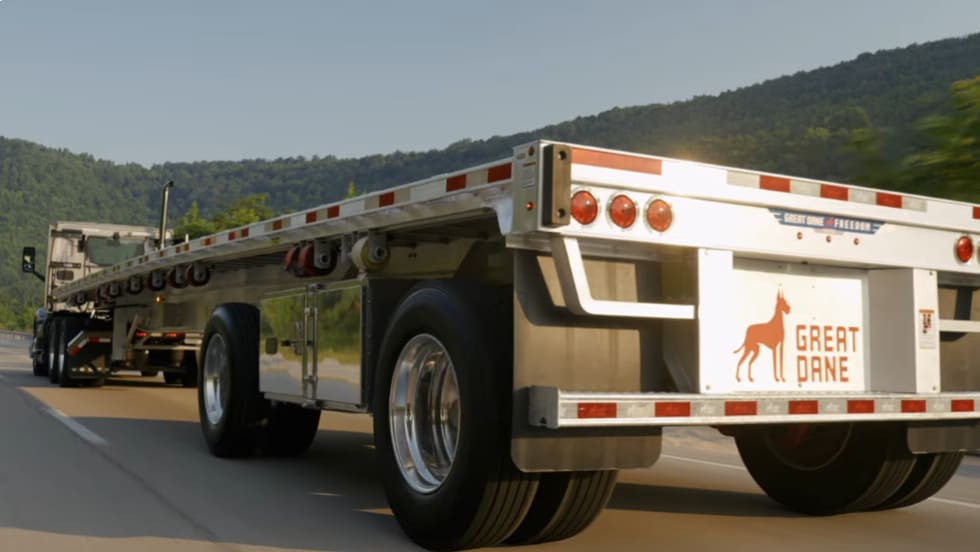
Great Dane Flatbed Trailer Offers Light Weight and Strength
Freedom Ultra is designed for a wide range of open-deck applications, including building materials, lumber, machinery, steel products, industrial freight, and coil hauling.
Read More →