





Related: Fleet Safety Conference Session on Vehicle Tech Brings Together Agencies and Attendees
Expert to Show Marijuana’s Effect on the Brain While Driving
With more and more states allowing for either medicinal and recreational marijuana sales, many fleets are beginning to show concern about whether or not they need to keep a closer eye on their drivers.
September 27, 2018

Photo via Wikimedia Commons
3 min to read
With more and more states allowing for either medicinal and recreational marijuana sales, many fleets are beginning to show concern about whether or not they need to keep a closer eye on their drivers. No matter the controlled or uncontrolled substance a person imbibes, the effects on their driving ability and the safety of those around them on the highway is a cause for concern that needs to be addressed.
Dr. Denise Valenti, IMMAD LLC, will review driving and marijuana use in general and further discuss the associated dysfunctions to visual and neural pathways at the Fleet Safety Conference in Las Vegas on Wednesday, October 31, 2018. She will also provide additional information regarding the status of roadside testing related to marijuana impairment.
“Marijuana affects self-awareness. A driver cannot accurately self-assess so they do not judge their impairment properly,” says Dr. Valenti. “I compare this to the permanent dysfunctions with Alzheimer’s disease.”
According to the Washington Traffic Safety Commission, drivers testing positive for marijuana - active THC alone-indicative of use within four hours - in fatal crashes are more likely to have killed someone other than themselves at a higher rate than for alcohol positive drivers. The data provided related to the total number of drivers involved for alcohol alone and for THC alone and the number of deaths to pedestrians, bicyclists, other drivers and passengers factor to be such that those drivers positive for active THC alone are six times more likely to have killed someone other than themselves compared to alcohol positive alone. Marijuana drivers in a fatal crash survive the crash at a higher rate than those in alcohol related crashes and thus can refuse to provide blood sampling delaying the test for hours. By then the active THC has dissipated from blood. When taking this into consideration the harm rate to innocent by those positive for marijuana alone, but of all forms, is eight times greater than alcohol The data were reported in the agency’s 2015 report “Driver Toxicology Testing and the Involvement of Marijuana in Fatal Crashes, 2010-2014.”
But how can we test drivers on the roadside? According to Valenti, there is a new possible test on the horizon.
“We have a National Institutes of Health National Institute of Drugs and Addiction Small Business Innovation Research contract to research a simple goggle virtual reality system coupled with a cell phone and blue tooth response button to measure retinal dysfunction,” explains Valenti. “We are finding mid peripheral vision impairments. This is essentially the ‘tunneling’ of vision often reported by marijuana users. The final version will be a quick, simple, objective, sensitive, specific test of marijuana driving impairment for law enforcement. This test will be threshold related and have a number value compared to a large normative data base. That test will take two minutes per eye.”
For more information on this session, visit the Fleet Safety Conference website.
More Safety & Compliance
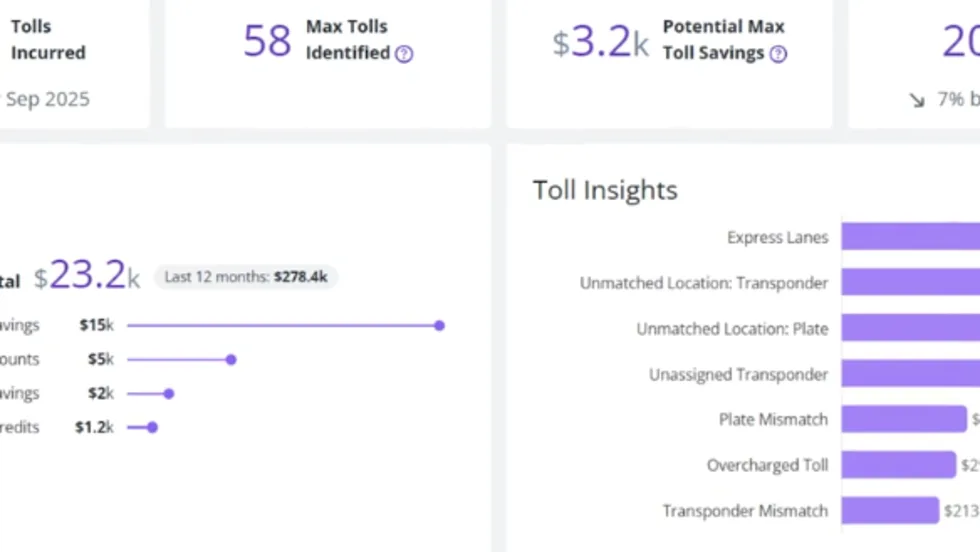
PrePass Intelligence Mines Fleet Bypass, Toll and Safety Data
PrePass Intelligence helps fleets measure bypass savings, flag potential toll overcharges, and spot suspicious transactions by combining data from separate systems.
Read More →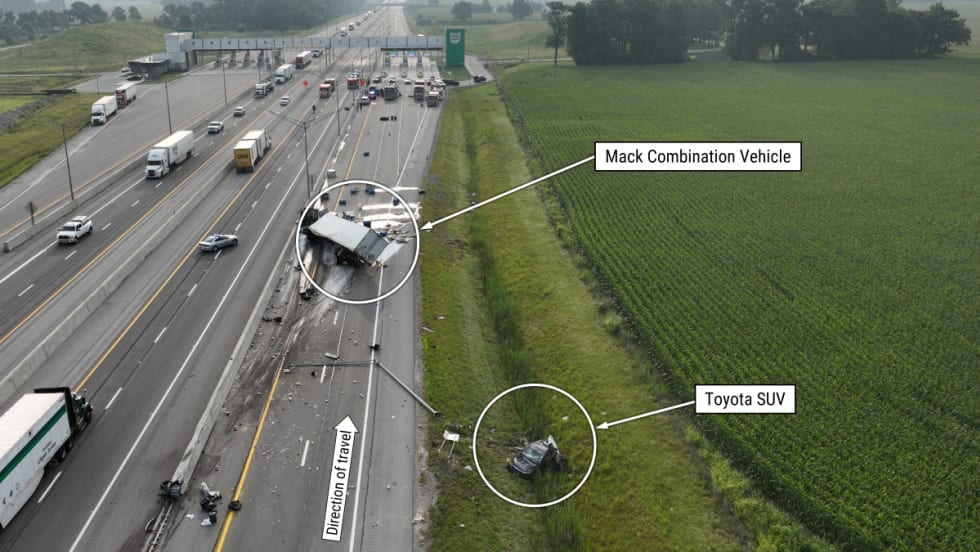
Fatal Crash Exposes Toll Plaza Risks
An NTSB investigation found that last-minute lane changes and large speed differences at an Ohio toll plaza created a hazard the truck driver couldn't avoid in time.
Read More →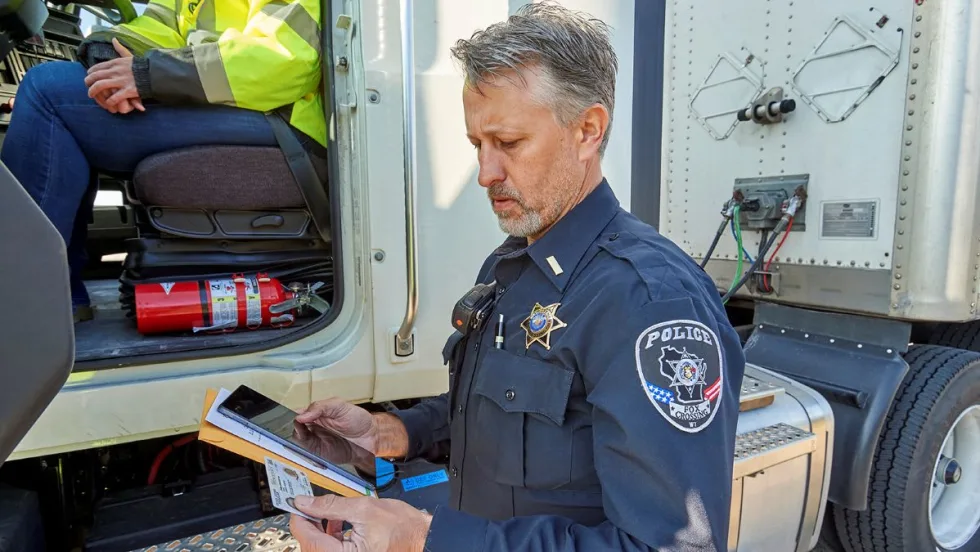
When Language Stops the Truck: The Return of ELP Out-of-Service Orders
English language proficiency rules for commercial drivers aren’t new, but renewed out-of-service enforcement has raised the stakes. Here’s what carriers need to know before a driver reaches a roadside inspection.
Read More →
Sponsored•October 6, 2026
A Camera Isn't a Safety Program. Here's What Brokers Are Screening for Now
Footage alone may not be enough to pass broker vetting processes. Here's what counts as a defensible safety program now.
Read More →
Marijuana and Trucking’s Drug-Testing Dilemma
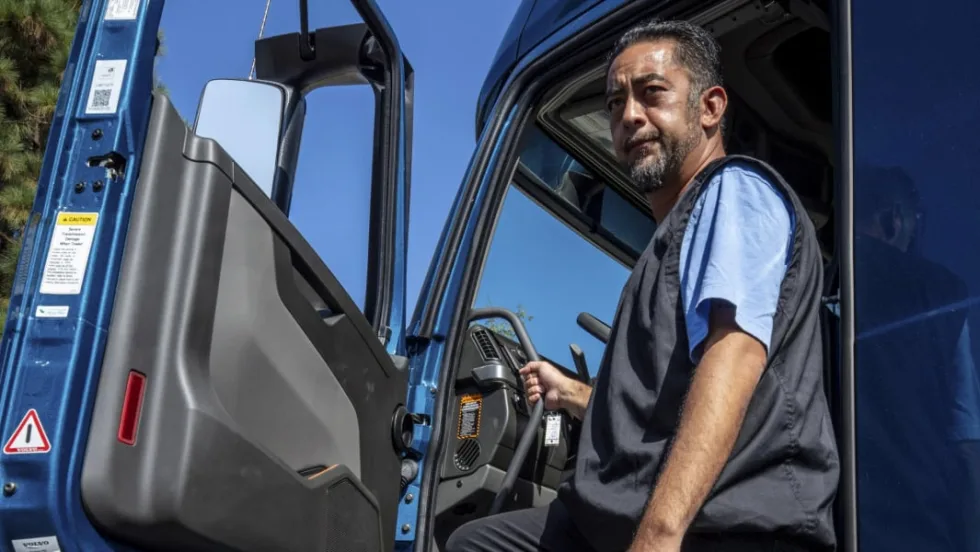
Marijuana is getting stronger, laws are changing, and drug tests still can’t reliably establish impairment. What does that mean for truck drivers and the fleets that employ them?
Read More →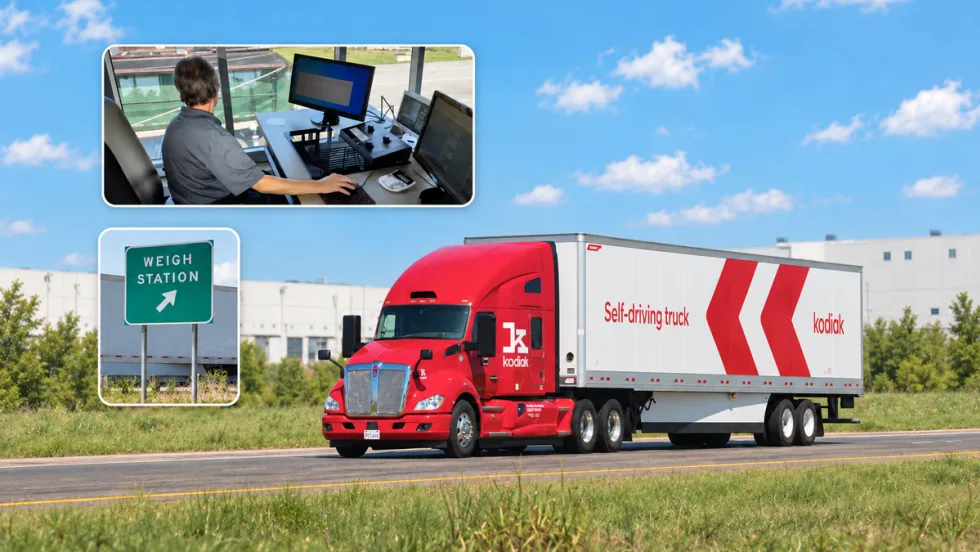
PrePass, Kodiak Connect Driverless Trucks to Roadside Enforcement
The system will allow enforcement agencies to verify Enhanced Inspection information and decide whether Kodiak’s autonomous trucks can bypass roadside screening sites.
Read More →
From One Generation to the Next: How Mentorship Builds Safer Truck Drivers
After three decades in trucking, Harold Perry shares what he's learned about driver safety, mentorship, and helping the next generation build confidence behind the wheel.
Read More →
FMCSA Pauses Biennial-Update Enforcement Amid Motus Transition
Carriers whose updates were due on or after June 1 have more time, while FMCSA works to stabilize its new registration system and warns of phishing sites impersonating its new carrier registration system, Motus.
Read More →
ZF Expands Commercial Vehicle Push in North America
ZF is expanding its North American commercial-vehicle presence with new transmission applications, electrification, trailer technology and autonomous-driving systems.
Read More →
Truck Drivers Need More Than Another Alert
Fleets have more visibility into truck health, safety events, and driver activity than ever. The next challenge is turning all that information into useful guidance for the person who has to decide what to do next.
Read More →