




Volvo Trucks to Bring All-Electric Truck Here in 2020
Volvo Trucks will demonstrate an all-electric truck in California next year with plans to bring it to market in North America in 2020.

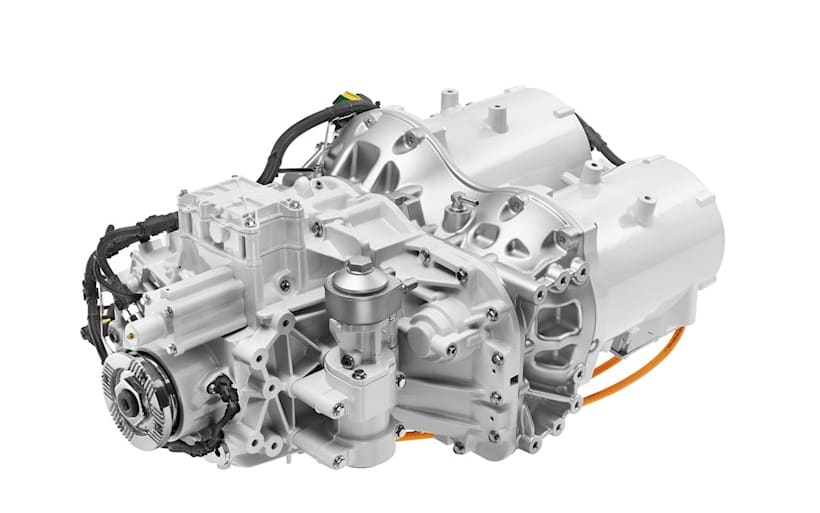
Volvo Trucks plans to develop eight Class 8 electric trucks for use in California with technology based on the FE Electric Truck (pictured).
Photo courtesy Volvo Trucks
Volvo Trucks will demonstrate an all-electric truck in California next year with plans to bring it to market in North America in 2020. The truck is based on Volvo's existing FE Electric truck, which was developed for Europe and will go on sale there in 2019.
Funding for the demo project comes from the California Air Resources Board, which has preliminarily awarded $44.8 million to the South Coast Air Quality Management District to fund a project dubbed the Volvo Low Impact Green Heavy Transport Solutions. Volvo LIGHTS will involve 16 partners and deploy eight multi-configuration, battery-electric Class 8 demonstration units to two unnamed "top trucking fleets."
Volvo LIGHTS will also integrate non-truck battery electric equipment, non-proprietary chargers, and solar energy production equipment. The goal is to eliminate an estimated 3.57 tons of air pollutants and 3,020 tons of greenhouse gases annually.
The project is part of California Climate Investments, a statewide initiative that aims to use cap-and-trade dollars to reduce greenhouse gas emissions, while also strengthening the state’s economy and improving public health and the environment.
“This is an excellent opportunity to show the end-to-end potential of electrification,” said Peter Voorhoeve, president of Volvo Trucks North America. “From solar energy harvesting at our customer locations, to electric vehicle uptime services, to potential second uses for batteries, this project will provide invaluable experience and data for the whole value chain.”
More Fuel Smarts

Why Small Fuel Savings Matter in Trucking
Can better fuel economy help pay for driver raises? In this podcast, GP Transco explains how small efficiency gains create room to reinvest in its people.
Read More →
How GP Transco Cuts Trucking Fuel Costs, a Tenth of a Gallon at a Time
What’s another tenth of a mile per gallon worth? GP Transco shares how equipment upgrades and driver coaching turn small gains into meaningful fuel savings.
Read More →
Electric Yard Tractors Move Beyond Pilots
Operating-cost savings have overtaken sustainability goals as the leading reason surveyed fleets are adopting battery-electric terminal tractors, according to new NACFE research.
Read More →
Geotab Links Fleet Card to Vehicle Data
The new card combines fuel discounts with telematics-based purchase controls. Geotab’s analysis also points to potential savings from choosing lower-priced fuel stops.
Read More →
Fleet Economics Shape Electric Truck Outlook
ACT Research expects costs, charging infrastructure, and technology improvements to drive zero-emission commercial vehicle adoption as federal regulations and incentives retreat.
Read More →
Wex Adds Cardless Fuel Payments for Over-the-Road Customers
A new fuel card feature for Wex customers offers convenience and security.
Read More →
New California Law Could Shed Light on Electric Truck Prices
Why do battery-electric Class 8 trucks remain so expensive? A California bill signed by Gov. Gavin Newsom would give fleets and state agencies more visibility into what manufacturers charge.
Read More →
How Volvo Updated Its D13 for EPA 2027 [Watch]
Volvo’s updated D13 promises lower emissions without sacrificing performance or fuel economy. Take a closer look at what changed inside the engine in this HDT Spotlight video.
Read More →
Diesel Price Spike Shortens Payback for Natural Gas Trucks, Report Says
Energy Vision estimates fleets could recover the higher purchase price of an RNG-fueled Class 8 tractor in 1.3 to 2.8 years under current fuel-price scenarios.
Read More →
Calstart Becomes Catalyst Mobility, Reflecting Broader Focus
Calstart is now Catalyst Mobility, reflecting the nonprofit’s growing national role in clean transportation, including zero-emission trucks, infrastructure and incentive programs.
Read More →