




Diesel to Remain Dominant Fuel Type Through 2040
Commercial vehicles are expected to run on diesel fuel through 2040 due to increases in fuel economy, according to new research from IHS Markit.


In 22 years, 66% of new medium and heavy commercial vehicles sold in the U.S. will be fueled by diesel, compared to 80% today.
Photo: Getty
Commercial vehicles are expected to run on diesel fuel through 2040 due to increases in fuel economy, according to new research from IHS Markit.
In 22 years, 66% of new medium and heavy commercial vehicles sold in the U.S. will be fueled by diesel, compared to 80% today. Range and load capacity requirements from long-haul, on-highway trucking will keep diesel relevant in the short- and long-term, while other vehicle types will grow in popularity as technology continues to advance, according to the forecast.
The findings came in Reinventing the Truck, a new multi-client research initiative that analyzes the world’s largest trucking markets.
“Understanding the future course of commercial trucking is so important because its impacts will reverberate far beyond just the trucking industry and through a whole host of industries,” said Daniel Evans, vice president of the IHS Markit downstream practice and co-author of the study. “Trucking accounts for half of diesel demand globally, or one-sixth of oil demand, making the future of trucking critically important for the oil industry. A wholistic, system-wide view is needed to see the full picture of this new reality of transportation.”
The report predicts a 15% compound annual growth rate for battery electric vehicles in the U.S. through 2040, as acquisition rates increase for medium-duty trucks. The initial cost disadvantage of BEVs will require adoption from larger truck fleets first, before they can be implemented smaller fleet owners and operators.
More Fuel Smarts
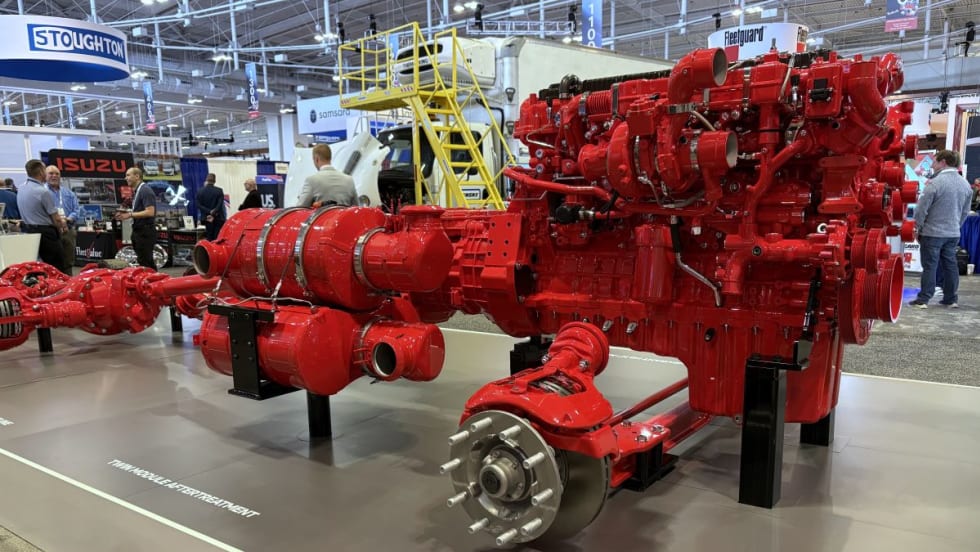
Cummins Adjusts 2027 Engine Rollout After EPA Proposal
The engine maker will gradually introduce its new Model Year 2027 diesel engines while continuing to offer current models during the transition, citing the EPA's proposed emissions rule changes.
Read More →
EPA Proposal Could Ease 2027 Truck Costs and Buying Uncertainty
The proposal doesn't change the tougher NOx standard, but it would revise key implementation requirements that manufacturers say have driven up costs and complicated fleet purchasing decisions.
Read More →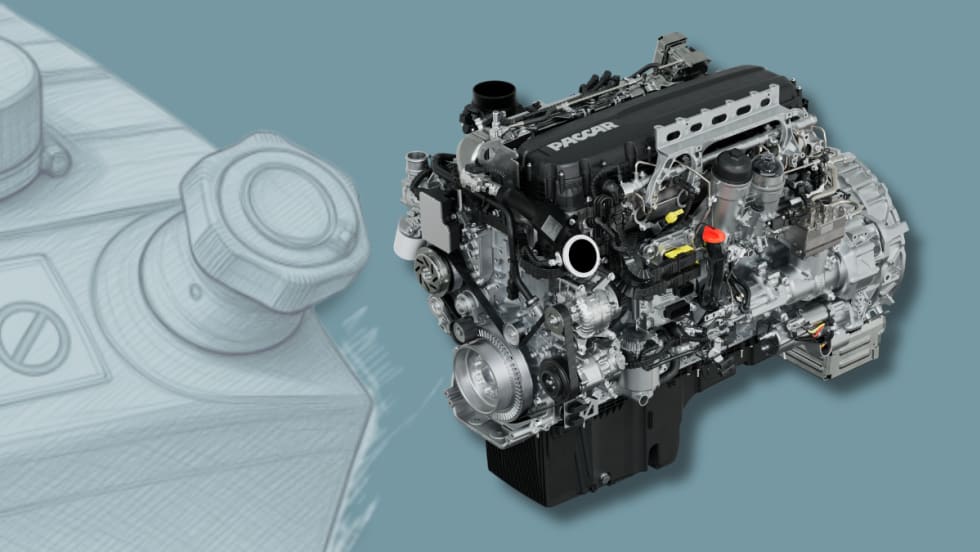
Cummins, Paccar Ease DEF Derates After EPA Guidance
Updated diesel engine software gives truck operators more time to address emissions-system issues while staying compliant with EPA emissions standards.
Read More →
Maintenance in the Messy Middle Part 3: Biodiesel
Biodiesel can reduce emissions, improve fuel-system lubricity and use existing diesel infrastructure. But NACFE’s Messy Middle maintenance report says fleets must actively manage storage, cold-weather operation, filters and oil drain intervals to avoid problems.
Read More →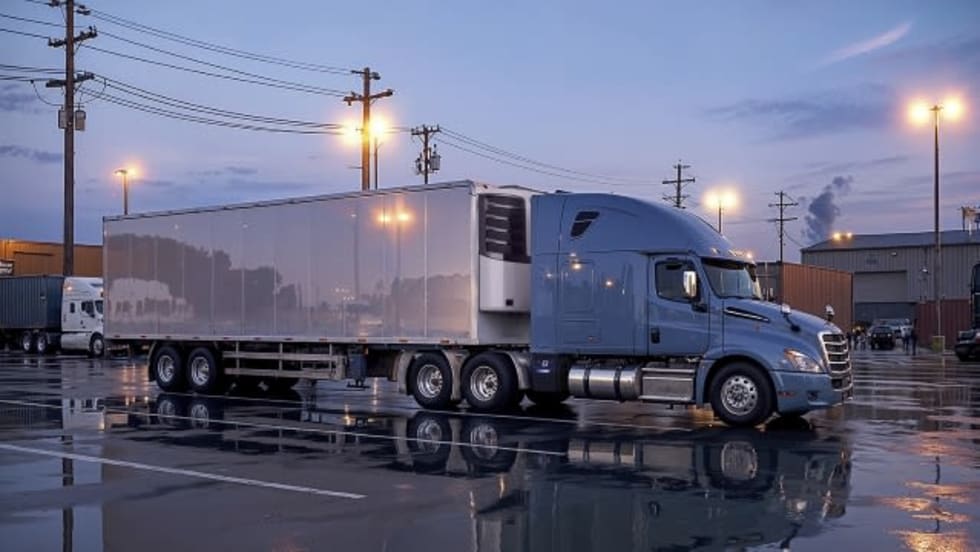
Enhance Fleet Performance with High-Efficiency Auxiliary Power Units
Drive sustainable cost savings while increasing driver comfort during short- and long-haul logistics operations.
Read More →
Maintenance in the ‘Messy Middle’ Part 2: Renewable Diesel Fuel
NACFE's latest Messy Middle Powertrain Service & Maintenance report says renewable diesel gives fleets an opportunity to reduce carbon emissions without changing trucks, fueling infrastructure or maintenance practices. But technicians still need to understand several important operational differences.
Read More →
The Diesel Engine Enters NACFE’s ‘Messy Middle’
NACFE’s new Messy Middle Powertrain Service & Maintenance report says keeping modern diesel engines running now depends as much on software, diagnostics and data as traditional mechanical service.
Read More →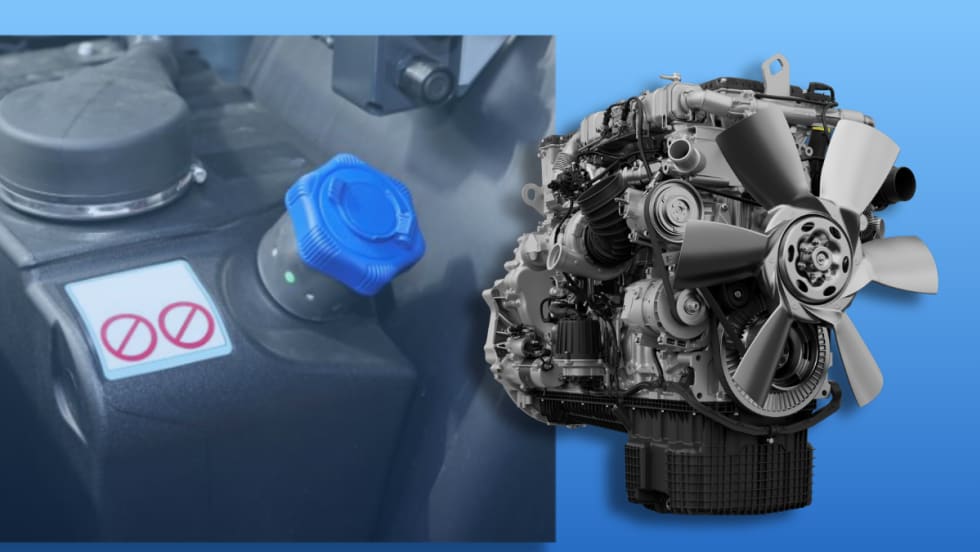
DTNA Software Update Gives Truckers More Time Before DEF Derates Take Effect
The changes reflect EPA guidance aimed at reducing downtime caused by emissions-system faults while maintaining compliance requirements.
Read More →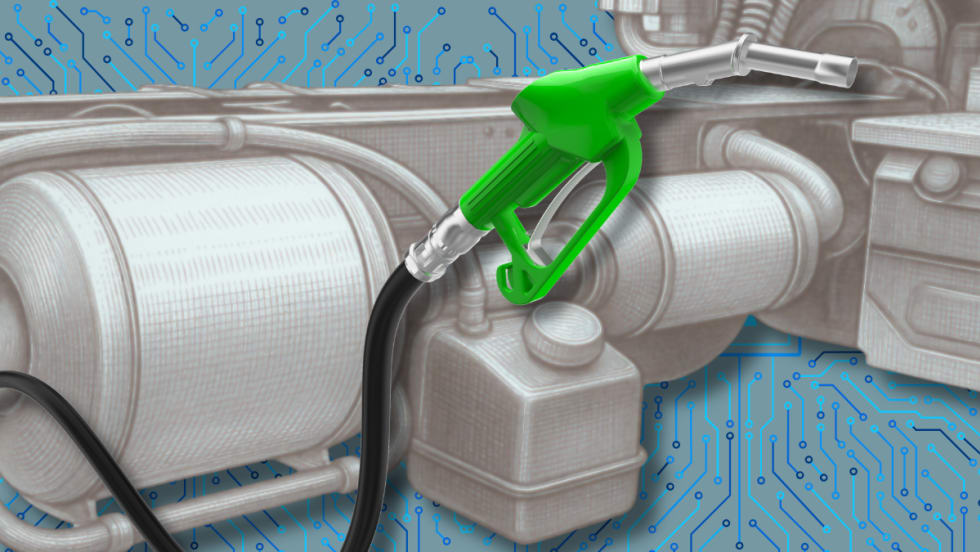
New Agentic Predictive Maintenance Report Demonstrates How Degraded Aftertreatment Systems Waste Fuel
Questar analyzed a large mixed-class fleet and discovered it was wasting as much as $30 in fuel per vehicle, per day, because of mechanically degraded aftertreatment systems.
Read More →
New York City's Microhub Project is Delivering Results
Trucking, last-mile delivery companies, and environmental advocates like what they are seeing so far with New York's microhub program.
Read More →