




Freight Booking Startup Focuses on Intermodal
Freight matching startup DrayNow has raised $5 million in Series A funding as it brings its freight booking and tracking platform to more markets.

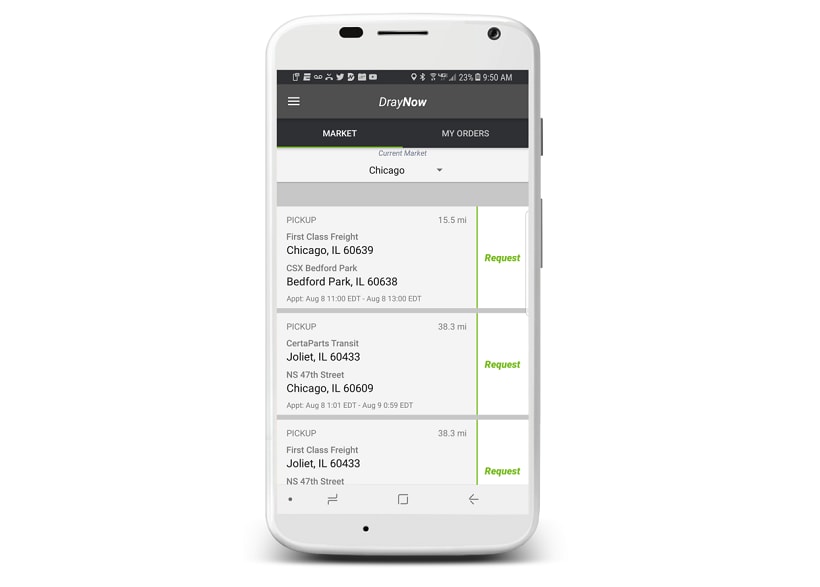
DrayNow's freight booking and tracking platform is focused on the shipping and logistics sector.
Photo courtesy DrayNow
Freight matching startup DrayNow has raised $5 million in Series A funding as it brings its freight booking and tracking platform to the shipping and logistics sector. Funding came from investors at Comcast Ventures and Osage Venture Partners.
“The shipping and logistics industry is an incredibly vital and growing part of our economy. Yet the Intermodal sector of the industry has seen very little technology enabling the match-making and operational efficiency it needs,” said Sam Landman, managing director of Comcast Ventures. “We invested in DrayNow because the team and the technology establishes a much more efficient method for moving freight. In addition to being the first mover in the space, DrayNow has demonstrated an ability to build and refine an offering that addresses its customers’ pain points.”
DrayNow’s platform is aimed at addressing the first and last miles of freight movement. It features an instant load-booking app and matchmaking platform that is designed to help shippers and brokers connect to trucking capacity while also providing a window into what is happening with a given shipment at any time.
The latest round of funding will be used to expand the service into new markets with thousands of new carriers.
“We spent the past 6 months asking our customers and users what they need…and then refining our platform to deliver total visibility, greater operational efficiency and other tools to help improve overall quality of life,” said Mike Albert, founder and CEO of DrayNow. “Now, with the support of our great partners, Comcast Ventures and Osage Venture Partners, we’re better positioned to swiftly move into new markets.”
More Fleet Management

How Telematics Improves Visibility, Control, and Performance in Refrigerated Fleets
Explore how telematics help refrigerated fleets improve visibility, uptime, efficiency, compliance, and cargo protection across connected cold chain operations.
Read More →
What the U.S.-Canada Trade War Means for Trucking
Escalating U.S.-Canada tariffs could disrupt cross-border freight, reduce truck volumes, raise costs, and create new uncertainty for carriers on both sides of the border.
Read More →
What Are Trucking’s Top Concerns for 2026?
The American Transportation Research Institute wants to know what's worrying trucking fleet managers, drivers, and other stakeholders in its annual Industry Issues survey.
Read More →

American Trucking Associations Looks for a New Leader
ATA President and CEO Chris Spear abruptly left his job at the association on August 21, at a pivotal time for the trucking industry.
Read More →
Public Wi-Fi Cybersecurity Risks: How Truck Drivers and Fleets Can Protect Their Data
Public Wi-Fi can expose truck drivers and fleets to credential theft, malware, and other cyber threats. Here’s how to reduce the risk on the road.
Read More →
For Nicky Cupp, Fleet Innovation Starts With Frustration
HDT Truck Fleet Innovator Nicky Cupp turns everyday pain points at Fraley & Schilling into opportunities for better technology and smarter processes.
Read More →
Adam Buttgenbach’s Approach to Electric Trucks: Start With Where They Fit
HDT Truck Fleet Innovator Adam Buttgenbach helped PepsiCo build one of North America’s largest EV fleets by focusing on where electric trucks make operational sense.
Read More →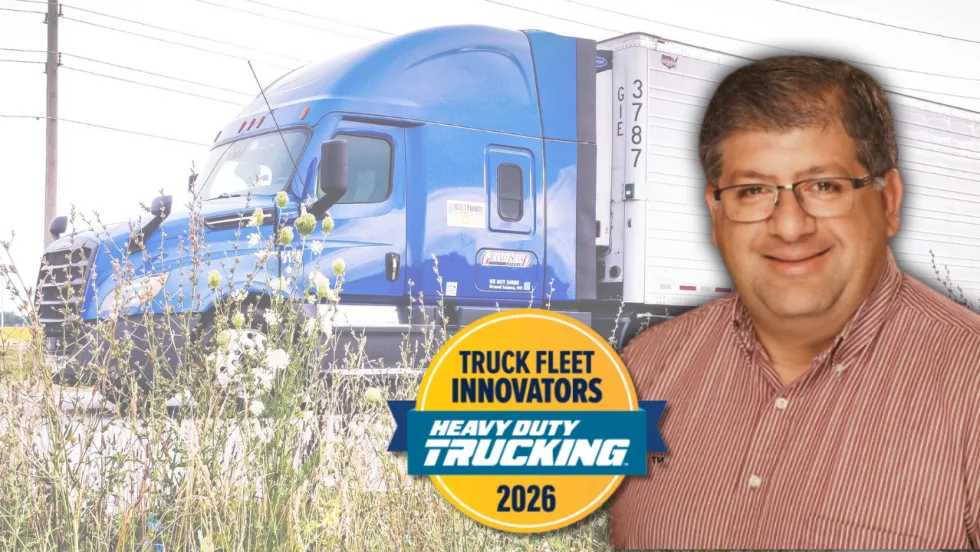
Deen Albert: Let Automation Do the Math, People Make the Decisions
HDT Truck Fleet Innovator Deen Albert makes sure people are still at the heart of operations at Grand Island Express, even while adopting artificial intelligence tools. AI-assisted dispatch helped boost revenue 25% with the same number of trucks.
Read More →
Trimble’s New AI Agent Takes Aim at Fleet Back-Office Busywork
Arc Agent works across Trimble TMS products to automate repetitive tasks such as freight orders, maintenance, invoices, fuel costs and more.
Read More →
How HDT’s 2026 Truck Fleet Innovators Are Rethinking Fleet Operations
Meet five trucking leaders who are challenging assumptions, solving operational problems, and putting innovative ideas to work.
Read More →