




Study: Automated Vehicles Won’t Displace Truck Drivers
Despite concerns that a rise in automated vehicles will displace significant numbers of truck drivers, a new report finds that only a modest number of truck driver jobs, if any, will be affected.
August 8, 2018

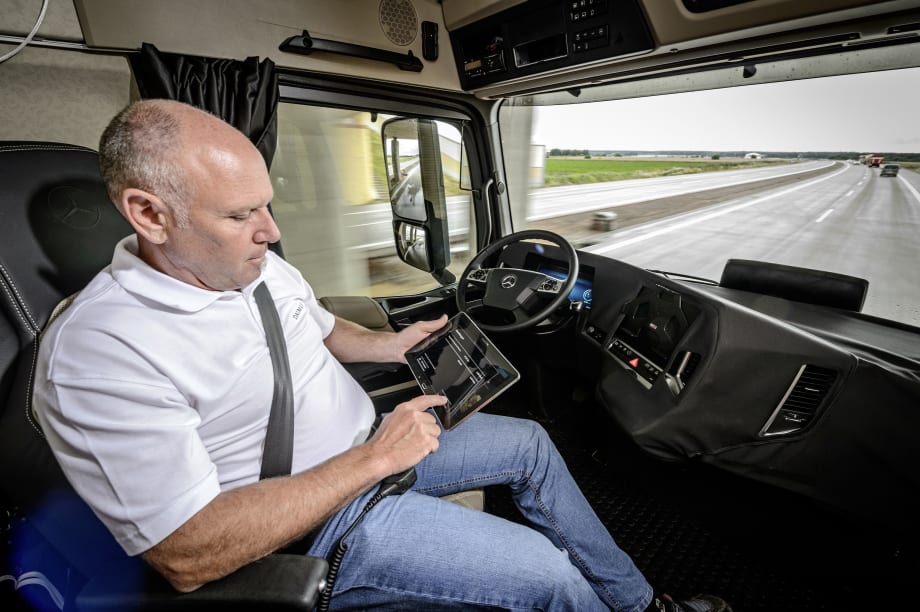
Automated vehicle technologies will support truck drivers, not replace them, says new study.
Photo courtesy Daimler Trucks
3 min to read
Despite concerns that a rise in automated vehicles will displace significant numbers of truck drivers, a new report finds that only a modest number of truck driver jobs, if any, will be affected.
The report was commissioned by the American Center for Mobility, led by Michigan State University and supported by Texas A&M Transportation Institute and projects that significant numbers of automated vehicles will not be deployed until the latter half of the 2020s.
At that point, we could see a loss in passenger car-based driving jobs such as taxicab drivers, according to researchers. But due to existing truck driver worker shortages, and the belief that automated technology will largely support truck drivers instead of replacing them, truck drivers are not likely to be displaced in large numbers, says the report.
The news comes the day after the Insurance Institute for Highway Safety, a nonprofit funded by auto insurers, released the results of a study casting doubt on how ready advanced driver assistance systems are to take over driver functions.
Evaluations of adaptive cruise control and active lane-keeping show variable performance in typical driving situations, IIHS said, such as approaching stopped vehicles and negotiating hills and curves. “The early results underscore the fact that today's systems aren't robust substitutes for human drivers.”
Expect Shifts in Workforce Demands
“Automated vehicle technology could incorrectly be viewed as a change that will eliminate driving jobs,” said Shelia Cotten, MSU Foundation professor of media and information, who led the research. “However, the more nuanced assessment is that over the next decade, the innovation will foster broader societal changes resulting in shifts in the workplace and workforce demands.”
In addition, she said, this level of advanced technology has the potential to lead to the creation of thousands of new jobs in areas such as engineering, data analysis, cybersecurity, and vehicle “monitoring.”
“Based on data collected from industry experts during the study, there is already a significant demand in several of these areas related to AVs.”
What will be needed, however, is training.
“The results of the report indicate substantial and multifaceted education and training efforts will be needed to transition the workforce and public for automated vehicles,” said Soraya Kim, ACM’s chief innovation officer.
“In the near-term, there is great potential for these technologies to assist commercial drivers in safely operating trucks. Longer-term it will be important to define, develop and deliver targeted training for the workforce,” said Christopher Poe, assistant director for connected and automated transportation strategy, Texas A&M Transportation Institute.
Based on the report’s findings, ACM and the study authors recommend the following steps be taken:
Conduct additional research that captures the input of the vehicle operators in different workforce sectors on what training they would be interested in pursuing.
Identify, in greater detail, the specific skillsets needed by the automotive and technology industries to facilitate the creation and adoption of AVs.
Establish rapid coursework and training that meets those specific needs.
Conduct additional research to quantify the overall positive financial impact of automated vehicle technology on the economy as a whole, and the potential for job creation.
The research was funded by ACM, Waymo, AARP and the Toyota Research Institute.
The American Center for Mobility is a nonprofit testing, education and product development facility for future mobility, designed to enable safe validation and self-certification of connected and automated vehicle technology, and to accelerate the development of voluntary standards. ACM is one of 10 U.S. DOT-designated Automated Vehicle Proving Grounds in the U.S.
More Safety & Compliance

More Trailer Data Through the Same Seven-Way [Video]
Can trucking’s standard seven-way connector handle more cameras and trailer data? Grote’s Adam Slade shows HDT how the company is using new technology with its 4See trailer system, not only to add a new backup camera but also to expand other capabilities — without adding another connection.
Read More →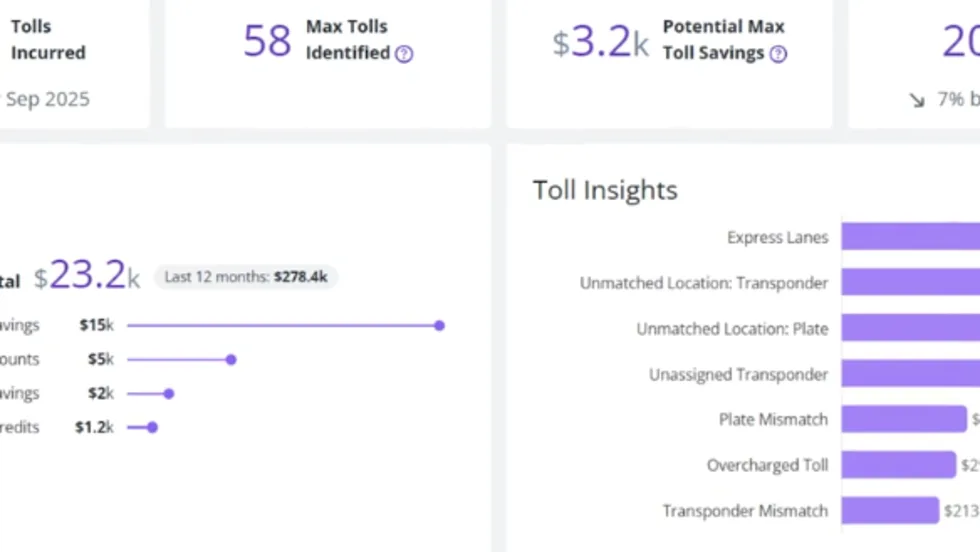
PrePass Intelligence Mines Fleet Bypass, Toll and Safety Data
PrePass Intelligence helps fleets measure bypass savings, flag potential toll overcharges, and spot suspicious transactions by combining data from separate systems.
Read More →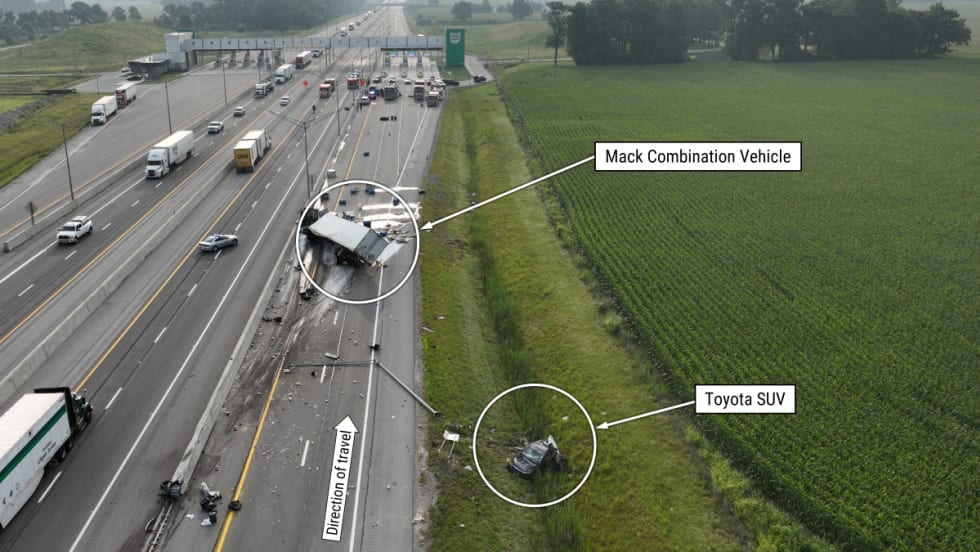
Fatal Crash Exposes Toll Plaza Risks
An NTSB investigation found that last-minute lane changes and large speed differences at an Ohio toll plaza created a hazard the truck driver couldn't avoid in time.
Read More →

When Language Stops the Truck: The Return of ELP Out-of-Service Orders
English language proficiency rules for commercial drivers aren’t new, but renewed out-of-service enforcement has raised the stakes. Here’s what carriers need to know before a driver reaches a roadside inspection.
Read More →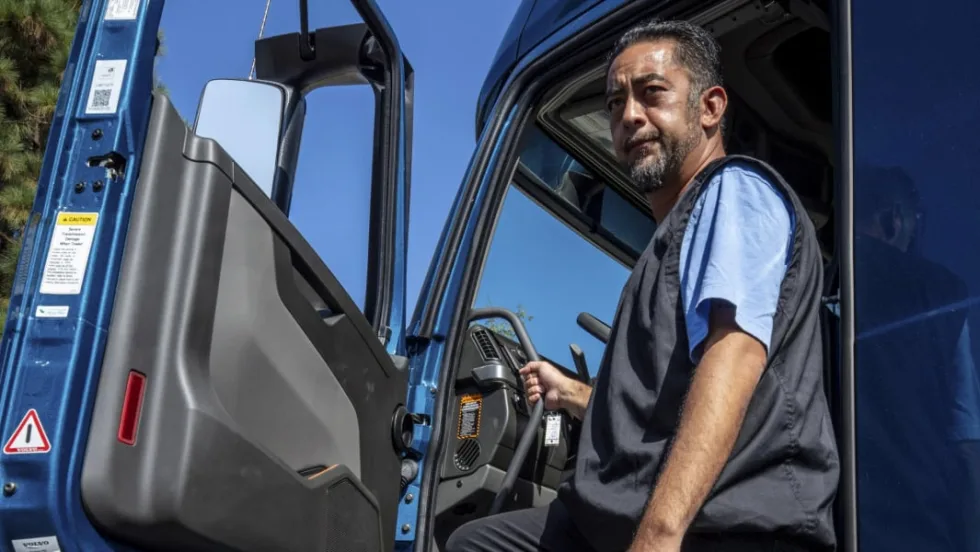
Sponsored•October 6, 2026
A Camera Isn't a Safety Program. Here's What Brokers Are Screening for Now
Footage alone may not be enough to pass broker vetting processes. Here's what counts as a defensible safety program now.
Read More →
Marijuana and Trucking’s Drug-Testing Dilemma
Marijuana is getting stronger, laws are changing, and drug tests still can’t reliably establish impairment. What does that mean for truck drivers and the fleets that employ them?
Read More →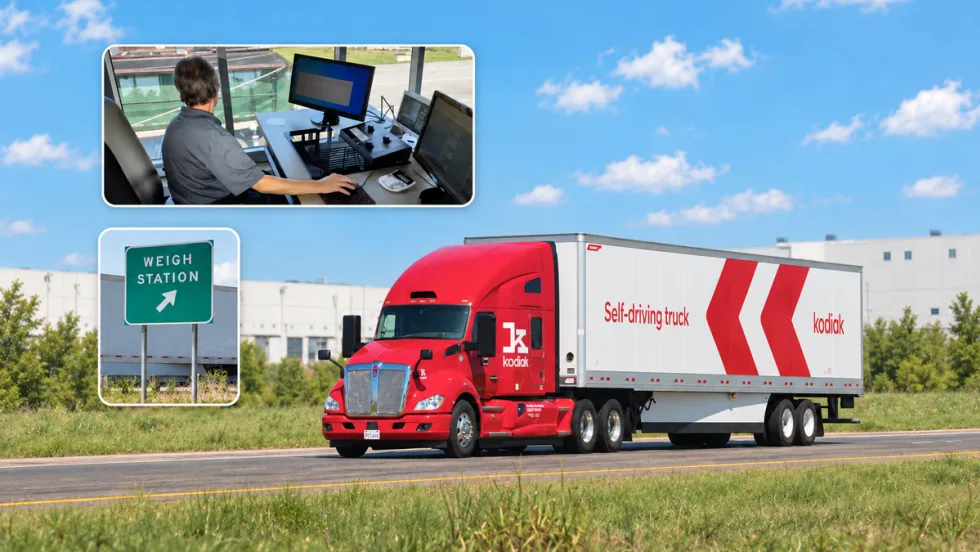
PrePass, Kodiak Connect Driverless Trucks to Roadside Enforcement
The system will allow enforcement agencies to verify Enhanced Inspection information and decide whether Kodiak’s autonomous trucks can bypass roadside screening sites.
Read More →
From One Generation to the Next: How Mentorship Builds Safer Truck Drivers
After three decades in trucking, Harold Perry shares what he's learned about driver safety, mentorship, and helping the next generation build confidence behind the wheel.
Read More →
FMCSA Pauses Biennial-Update Enforcement Amid Motus Transition
Carriers whose updates were due on or after June 1 have more time, while FMCSA works to stabilize its new registration system and warns of phishing sites impersonating its new carrier registration system, Motus.
Read More →
ZF Expands Commercial Vehicle Push in North America
ZF is expanding its North American commercial-vehicle presence with new transmission applications, electrification, trailer technology and autonomous-driving systems.
Read More →