




Senate Bill Would Reform ELD and HOS Rules for Livestock Truckers
There's yet another in this spring’s bumper crop of bills proposed on Capitol Hill to benefit livestock (and insect) haulers by relaxing the electronic logging device rule and also, in some cases, easing the hours of service rules specifically for this class of truckers.

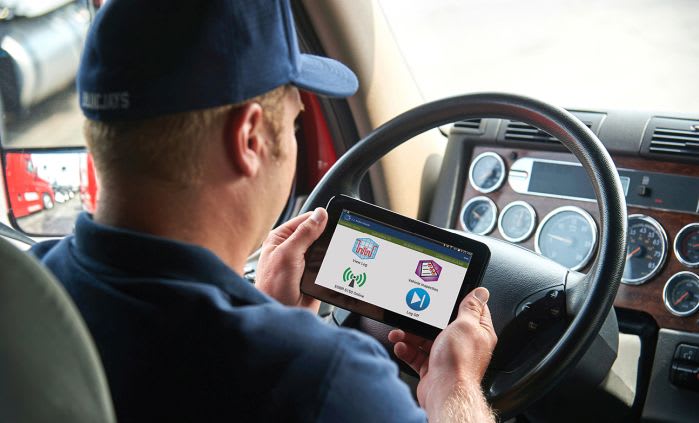
The “Modernizing Agricultural Transportation Act” would reform both the ELD and HOS rules-- but only for livestock haulers.
Photo courtesy J.J. Keller
There's yet another in this spring’s bumper crop of bills proposed on Capitol Hill to benefit livestock (and insect) haulers by relaxing the electronic logging device rule and also, in some cases, easing the hours of service rules specifically for this class of truckers.
The Modernizing Agricultural Transportation Act, introduced in bipartisan fashion by farm state Sens. John Hoeven (R-ND) and Michael Bennet (D-CO), would reform both the ELD and HOS rules— and for a nice kicker, would further delay enforcement of the ELD on livestock haulers until the actions that would be required under the bill are formally proposed by the Department of Transportation.
According to Sen. Hoeven’s office, the bill would “establish a working group at DOT to identify obstacles to the safe, humane and market-efficient transport of livestock and, within one year of the group’s establishment, develop guidelines for regulatory or legislative action to improve the transportation of these commodities.”
The working group would consist of representatives from the transportation and agriculture industries, as well as the Department of Agriculture, and would be required to consider:
The impact, incompatibilities and other challenges and concerns of existing HOS rules and ELD rules under the Federal Motor Carrier Safety Administration on the commercial transport of livestock, insects and agricultural commodities.
Initiatives and regulatory changes that maintain and protect highway safety and allow for the safe, efficient and productive marketplace transport of livestock, insects and agricultural commodities.
Other related issues that the transportation secretary considers appropriate.
Within 120 days of receiving the working group’s report, the transportation secretary would be required to propose regulatory changes to the HOS and ELD regulations, “taking into account the findings and recommendations of the working group.”
“Improving highway safety is an important goal, but the rules we put in place must recognize the very real challenges faced by those who haul livestock and other perishable commodities,” said Hoeven. “Our legislation would delay enforcement while ensuring that the HOS and ELD rules are reformed with the concerns of all impacted stakeholders taken into account. That means providing a permanent, flexible solution that both strengthens safety and ensures the humane transportation of livestock.”
“Our bipartisan legislation will provide Colorado’s farmers and ranchers a seat at the table to help develop sensible rules around the transportation of agricultural goods,” said Sen. Bennet. “It is important that we maintain safe roads for all, while also recognizing the unique flexibility needed for the transportation of Colorado’s agriculture products.
No trucking interest groups are listed as supporting the Modernizing Agricultural Transportation Act. Groups that are supporting the bill include the National Pork Producers Council, National Cattlemen’s Beef Association, United States Cattlemen’s Association, Livestock Marketing Association, American Farm Bureau Federation, the American Honey Producers Association, and the Rocky Mountain Farmer’s Union.
Related: Trucking Alliance Blasts Senate Bill to Rewrite HOS for Livestock Haulers
More Safety & Compliance
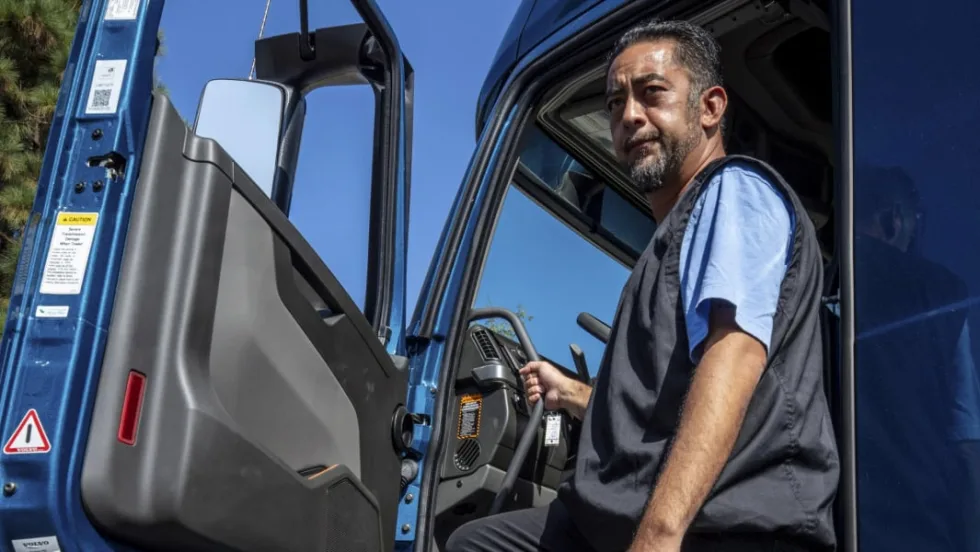
A Camera Isn't a Safety Program. Here's What Brokers Are Screening for Now
Footage alone may not be enough to pass broker vetting processes. Here's what counts as a defensible safety program now.
Read More →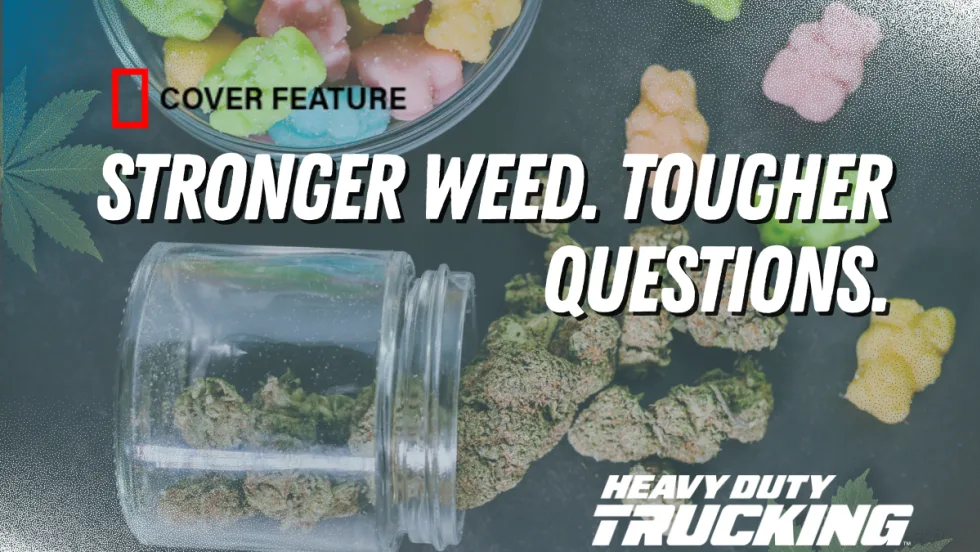
Marijuana and Trucking’s Drug-Testing Dilemma
Marijuana is getting stronger, laws are changing, and drug tests still can’t reliably establish impairment. What does that mean for truck drivers and the fleets that employ them?
Read More →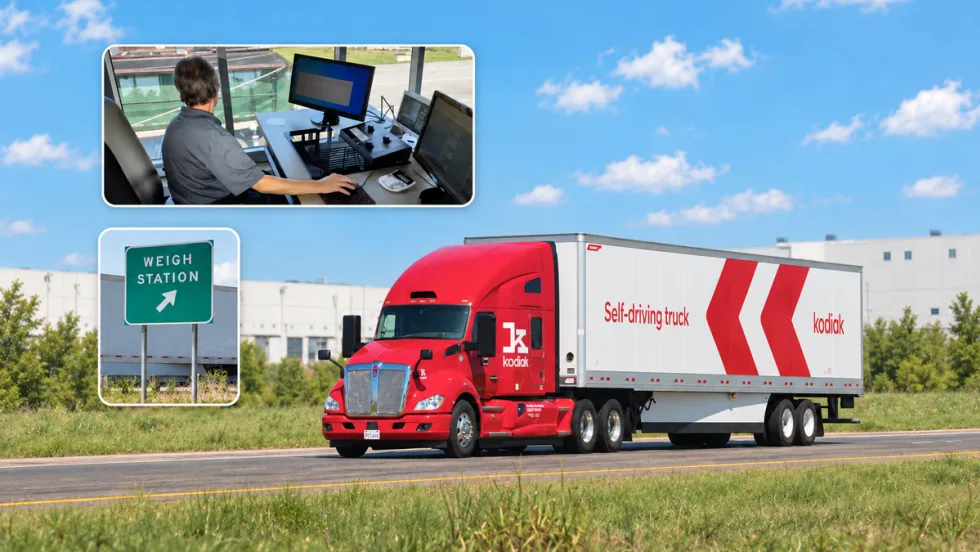
PrePass, Kodiak Connect Driverless Trucks to Roadside Enforcement
The system will allow enforcement agencies to verify Enhanced Inspection information and decide whether Kodiak’s autonomous trucks can bypass roadside screening sites.
Read More →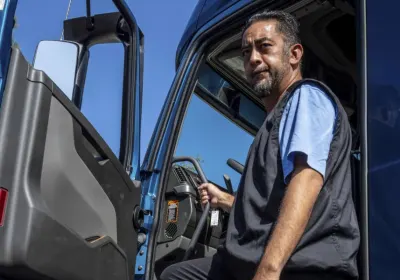

From One Generation to the Next: How Mentorship Builds Safer Truck Drivers
After three decades in trucking, Harold Perry shares what he's learned about driver safety, mentorship, and helping the next generation build confidence behind the wheel.
Read More →
FMCSA Pauses Biennial-Update Enforcement Amid Motus Transition
Carriers whose updates were due on or after June 1 have more time, while FMCSA works to stabilize its new registration system and warns of phishing sites impersonating its new carrier registration system, Motus.
Read More →
ZF Expands Commercial Vehicle Push in North America
ZF is expanding its North American commercial-vehicle presence with new transmission applications, electrification, trailer technology and autonomous-driving systems.
Read More →
Truck Drivers Need More Than Another Alert
Fleets have more visibility into truck health, safety events, and driver activity than ever. The next challenge is turning all that information into useful guidance for the person who has to decide what to do next.
Read More →
Tesla Wants a Self-Driving Semi. Are Cameras Enough?
Could Tesla’s camera-only autonomous driving technology work on an 80,000-pound Semi? In this commentary, HDT's Deborah Lockridge takes a look at Tesla, Cybercab, and how autonomous trucks see the road.
Read More →
What DOT’s Automated Vehicle Strategy Means for Trucking
The U.S. Department of Transportation issued a new automated-vehicle strategy that outlines plans for driverless-truck regulations, cross-state freight corridors, and federal safety standards.
Read More →
NYC Expands Speed, Pedestrian Safety Tech Across Fleet
New York City is expanding intelligent speed assistance and pedestrian-alert systems across its municipal fleet, moving the technologies from pilot programs into vehicle procurement and retrofit requirements.
Read More →