




Anheuser-Busch Orders 800 Nikola Hydrogen-Electric Trucks
Anheuser-Busch has placed an order for up to 800 hydrogen-electric heavy-duty trucks from Nikola Motor Co. as part of a plan to convert its entire dedicated fleet to renewable power by 2025.

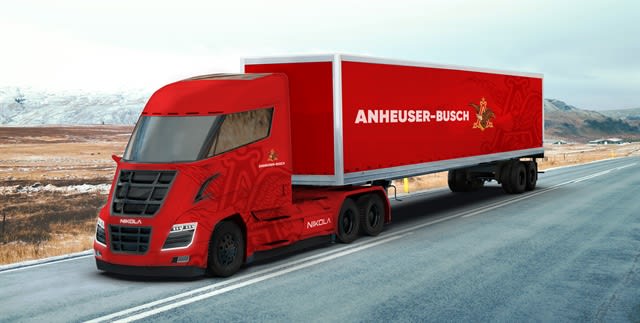
Nikola's hydrogen-electric truck technology got a major endorsement from Anheuser-Busch in the form of an order for up to 800 trucks. Illustration: Nikola
Photo: Anheuser-Busch
Anheuser-Busch has placed an order for up to 800 hydrogen-electric heavy-duty trucks from Nikola Motor Co. as part of a plan to convert its entire dedicated fleet to renewable power by 2025.
The zero-emission trucks — which will be able to travel between 500 and 1,200 miles and be refilled within 20 minutes, reducing idle time — are expected to be integrated into Anheuser-Busch’s dedicated fleet beginning in 2020.
It will also help Nikola build out its hydrogen-fueling network. “All of our stations will be open to all our fleets,” Nikola spokesperson Colleen Robar told HDT. “But this order helps us get 28 stations operating on key Anheuser Busch routes.”
Through this agreement, Anheuser-Busch aims to convert its entire long-haul dedicated fleet to renewable powered trucks by 2025. Nikola’s technology will enable the brewer to achieve this milestone across its long-haul loads, while also helping to improve road safety through the trucks’ advanced surround viewing system, according to an announcement from the two companies.
“At Anheuser-Busch we’re continuously searching for ways to improve sustainability across our entire value chain and drive our industry forward,” said Michel Doukeris, CEO of Anheuser-Busch. “The transport industry is one that is ripe for innovative solutions, and Nikola is leading the way with hydrogen-electric, zero-emission capabilities. We are very excited by the possibilities our partnership with them can offer.”
Trevor Milton, CEO of Nikola, noted that "Anheuser-Busch has a long history of investing in progressive, sustainable technology, and we are excited to partner with them to bring the largest hydrogen network in the world to the USA. By 2028, we anticipate having over 700 hydrogen stations across the USA and Canada. With nearly $9 billion in pre-order reservations, we are building to order, not speculation, and are very excited for what’s to come.”
About a month ago, Sweden-based Nel ASA, which Nikola tapped late last year to be the equipment supplier for its planned network of hydrogen refuelling stations, announced it had received an additional order from Nikola in the wake of a deal with a major fleet.
“The Nikola hydrogen electric semi-trucks will begin testing with fleets in 2019 and begin full production in 2021,” Milton said as part of that announcement, noting that the then-undisclosed deal with A-B would require an additional 28 stations to go up on top of the previous Nel purchase order.
Anheuser-Busch had previously ordered 40 Tesla electric Semi tractors.
The partnership with Nikola will contribute to Anheuser-Busch’s recently announced 2025 Sustainability Goals, which include reducing CO2 emissions by 25% across its value chain. Once fully implemented, the carbon reductions gained from these 800 trucks will reduce the brewer’s carbon emissions from logistics by more than 18% — equivalent to taking more than 13,000 passenger vehicles off the road annually.
Emission reduction has, and continues to be, a long-term focus for Anheuser-Busch. In 2006, the brewer joined the U.S. Environmental Protection Agency’s SmartWay Transport program; and since 2008, has reduced its total energy use in U.S. breweries by more than 30%.
Related: Watch Nikola Hydrogen Fuel Cell Truck on the Road
More Equipment
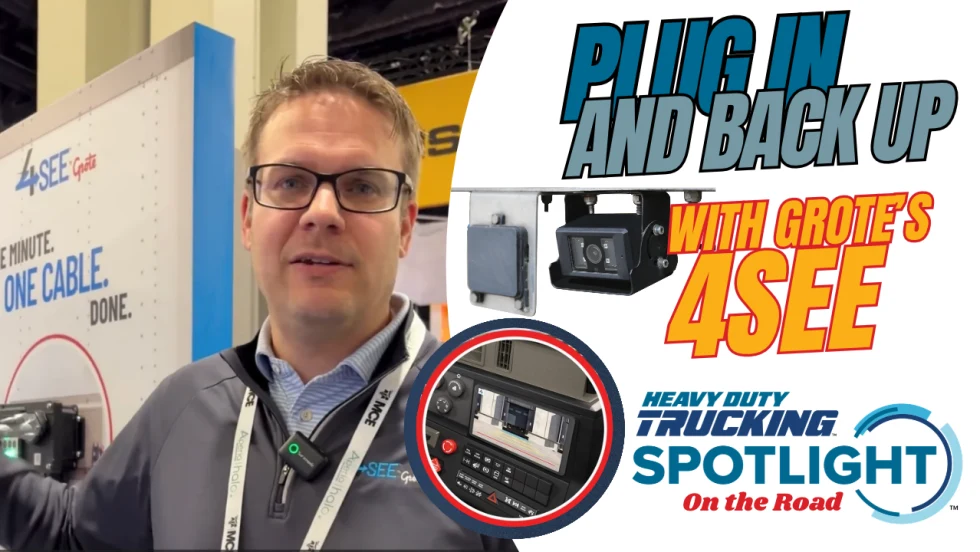
More Trailer Data Through the Same Seven-Way [Video]
Can trucking’s standard seven-way connector handle more cameras and trailer data? Grote’s Adam Slade shows HDT how the company is using new technology with its 4See trailer system, not only to add a new backup camera but also to expand other capabilities — without adding another connection.
Read More →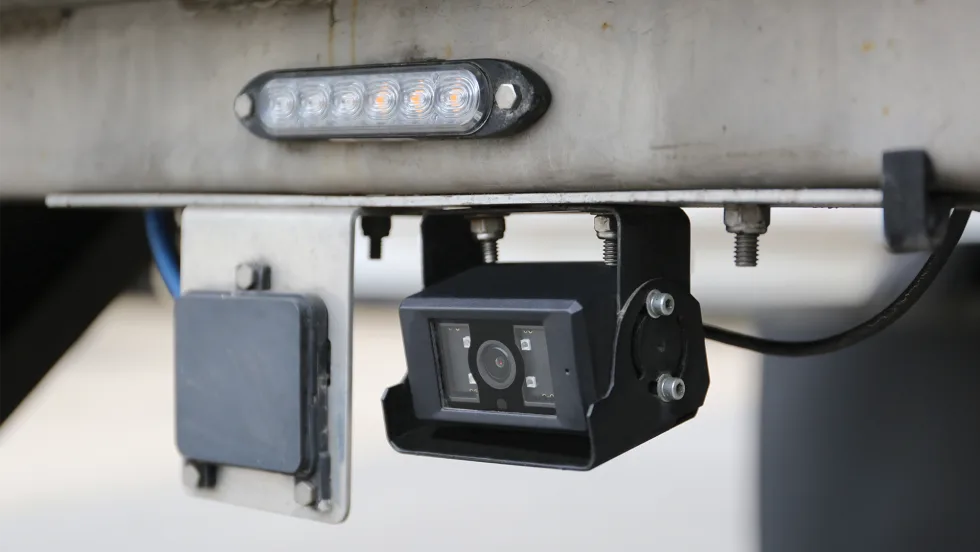
Grote: More Cameras, Same Seven-Way Connector
The next-generation 4See rear-view backup camera from Grote uses the standard seven-way connector and supports additional cameras and other trailer data.
Read More →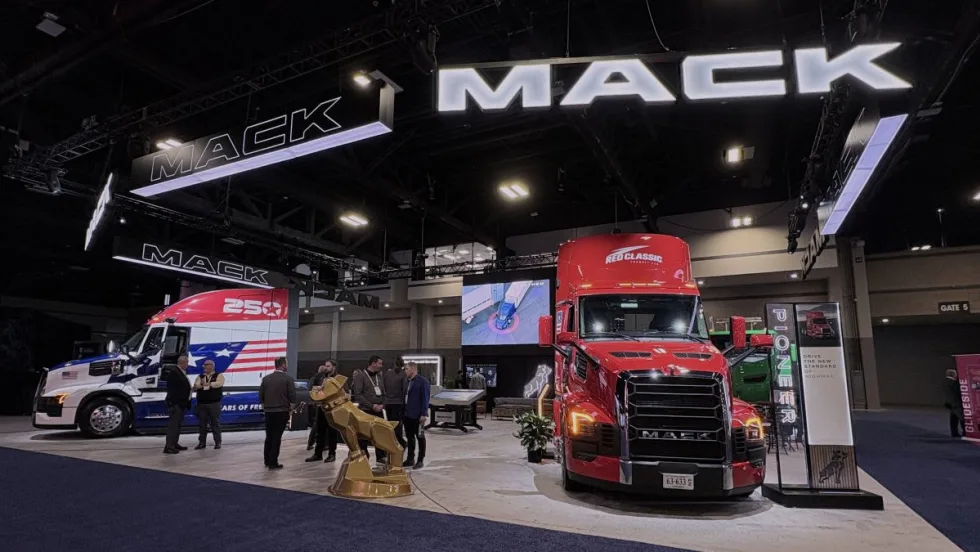
Trucks at ATA's 2026 MC&E in Charlotte, North Carolina [Photos]
From rigs decked out in patriotic America's 250 paint schemes to autonomous trucks and more, check out these photos from ATA's 2026 Management Conference & Exhibition.
Read More →
Help HDT Find Trucking’s Top Products
Have you come across a new product that could make a difference for trucking fleets? Nominate it for HDT’s 2027 Top 20 Products Awards by November 9.
Read More →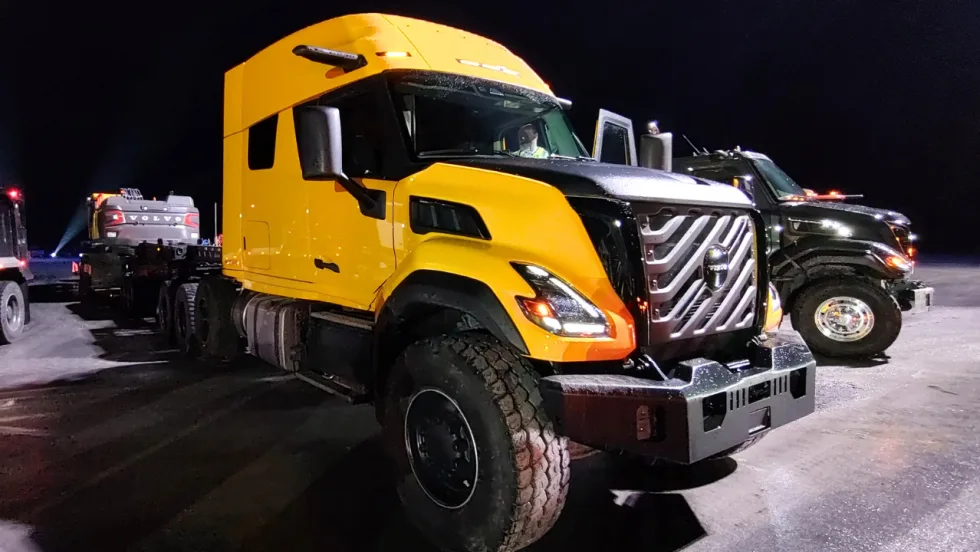
Volvo Unveils New VNX Heavy-Haul and Vocational Truck
Volvo Trucks has launched the VNX, a new vocational truck also available as a tractor in day cab and two sleeper configurations, with one heavy-haul model. The Volvo VNX is powered by Volvo's D13 platform, which delivers up to 540 horsepower and 1,950 pound-feet of torque and is EPA 2027-compliant.
Read More →
How GP Transco Cuts Trucking Fuel Costs, a Tenth of a Gallon at a Time
What’s another tenth of a mile per gallon worth? GP Transco shares how equipment upgrades and driver coaching turn small gains into meaningful fuel savings.
Read More →
Electric Yard Tractors Move Beyond Pilots
Operating-cost savings have overtaken sustainability goals as the leading reason surveyed fleets are adopting battery-electric terminal tractors, according to new NACFE research.
Read More →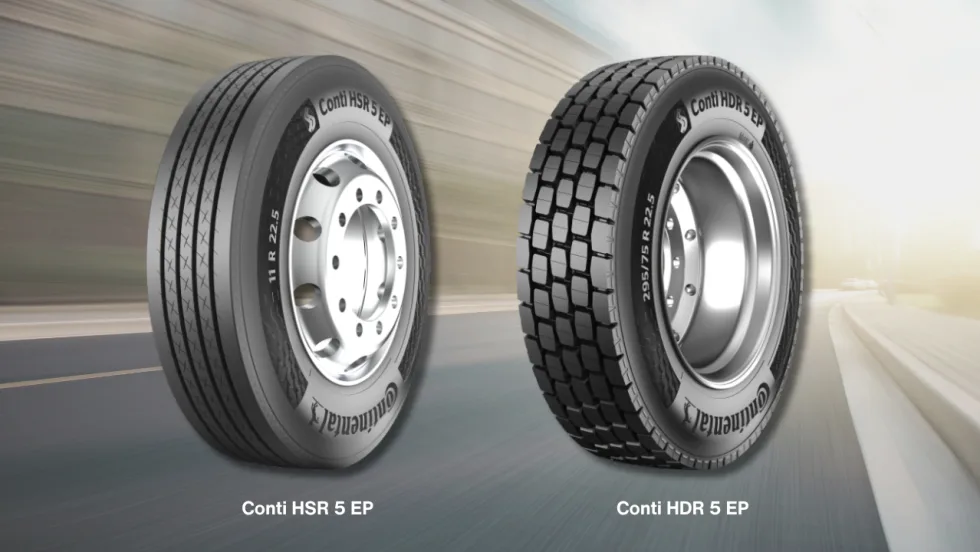
Continental Introduces New Regional Truck Tires
Continental says its new Generation 5 steer and drive tires for regional operations offer longer tread life, with estimated mileage gains of 22% and 19%, respectively.
Read More →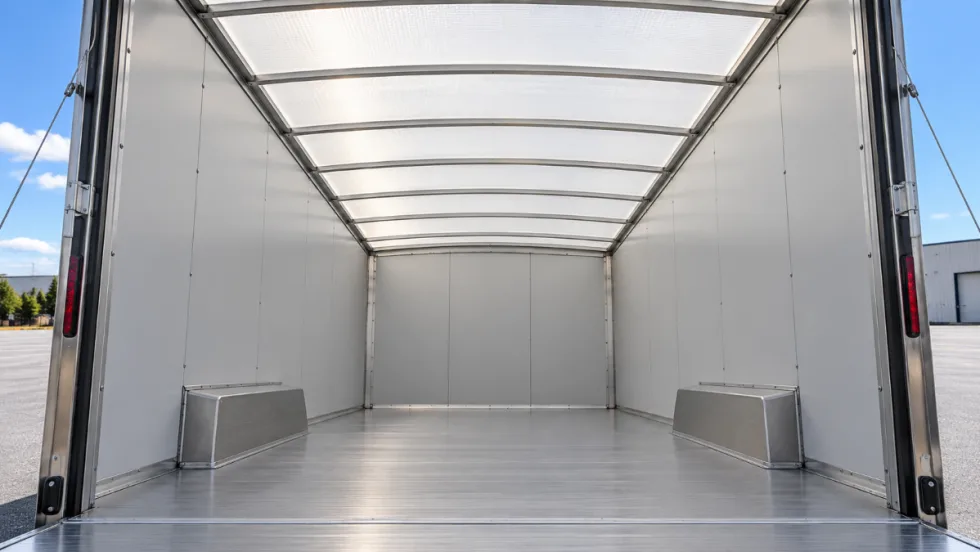
Tekmodo Introduces CargoBright Brand for Translucent Trailer Roofs
CargoBright is designed to diffuse daylight across the cargo area while performing as a working vehicle roof.
Read More →
Fleet Economics Shape Electric Truck Outlook
ACT Research expects costs, charging infrastructure, and technology improvements to drive zero-emission commercial vehicle adoption as federal regulations and incentives retreat.
Read More →