




Related: 10 Tesla Take-Aways
Anheuser-Busch Orders 40 Tesla Semi Tractors
Anheuser-Busch said 40 new Tesla Semi tractors will help the company meet its sustainable transportation goal to reduce its carbon footprint by 30% by 2025.
by Staff
December 7, 2017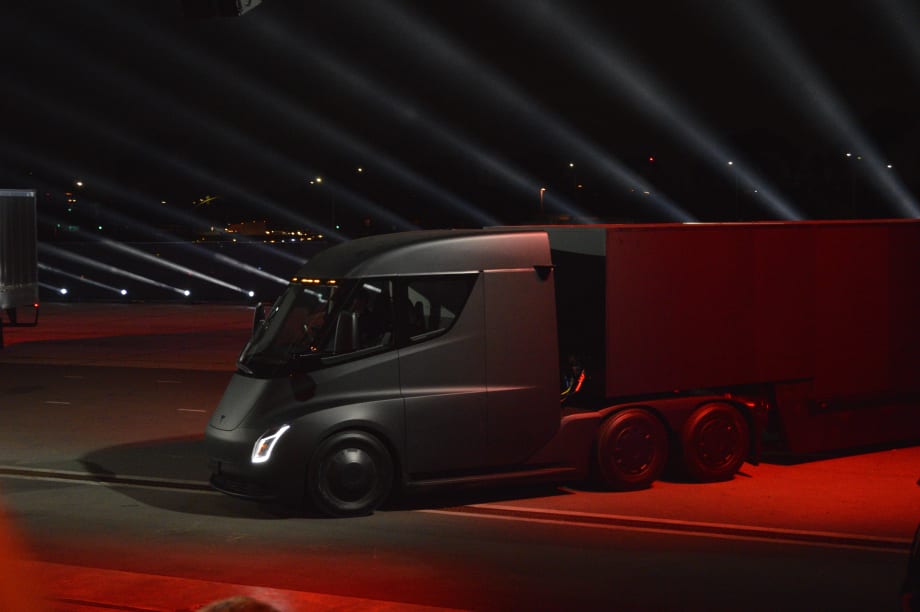
Anhesuer-Busch has ordered 40 Tesla Semi trucks as part of its ongoing sustainable transportion strategy. Photo: Jack Roberts
2 min to read
Anhesuer-Busch has ordered 40 Tesla Semi trucks as part of its ongoing sustainable transportion strategy. Photo: Jack Roberts
Tesla’s new Semi electric truck got a big boost this week when Anheuser-Busch announced it has placed an order for 40 of the new regional haul tractors, which are slated to go into production next year.
The brewing giant said the move is part of a company-wide strategy to employ cutting-edge technology to reduce the environmental impact and increase the efficiency of its operations.
The 40 tractors, which represent one of Tesla’s largest reported pre-orders, will be fully electric-powered and equipped with autonomous driving capabilities, as part of the company’s commitment to improving road safety and reducing carbon emissions.
Integrating the Tesla trucks into the brewer’s distribution network will help Anheuser-Busch achieve its commitment to reduce its operational carbon footprint by 30% by 2025 – the equivalent of removing nearly 500,000 cars from the road globally each year.
“At Anheuser-Busch, we are constantly seeking new ways to make our supply chain more sustainable, efficient, and innovative,” said James Sembrot, senior director of Logistics Strategy. “This investment in Tesla semi-trucks helps us achieve these goals while improving road safety and lowering our environmental impact.”
Anheuser-Busch also said the Tesla technology will also improve safety and efficiency, particularly for truck drivers while they are operating these vehicles, and will help ensure drivers continue to play a central role in beer distribution far into the future.
Anheuser-Busch said it has long been a pioneer and industry leader in supporting innovative technology in its transportation operations to build a more sustainable and efficient beer distribution network.
In addition to its partnership with Tesla, and a range of other recent investments in its transportation operations, Anheuser-Busch is also working with a number of innovative companies. These include Nikola, to develop and implement hydrogen-powered engines within its network; Otto and Uber Freight, to test autonomous driving technology, and Convoy, to access on-demand trucking capacity.
In 2016, an Otto truck carrying 51,744 cans of Budweiser completed an autonomous truckload shipment from Anheuser-Busch’s Fort Collins, Colorado brewery to a wholly owned distributorship in Colorado Springs, a distance of 132 miles, marking the first-ever commercial beer delivery using autonomous driving technology.
“We can’t wait to get these trucks on the road, and keep leading our industry forward to a greener, smarter future in partnership with some of the world’s most innovative companies,” said Sembrot. “The transportation industry is evolving fast, and we’re really excited to play a leadership role in driving this evolution by integrating these new technologies across our network.”
More Fleet Management
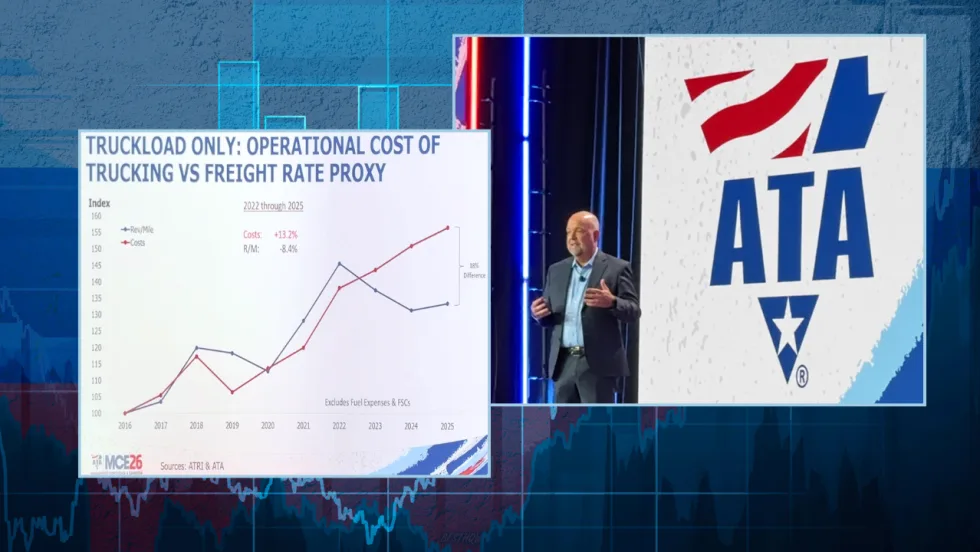
Why This Trucking Recovery Is Different
Freight demand remains sluggish, but rising costs and tougher enforcement have taken enough capacity out of the market to change the outlook for motor carriers.
Read More →
Platform Science Adds Dispatch and Safety Tools
Four additions to PS Fleet help fleets monitor loads, manage driver coaching, share truck locations and adjust video system settings.
Read More →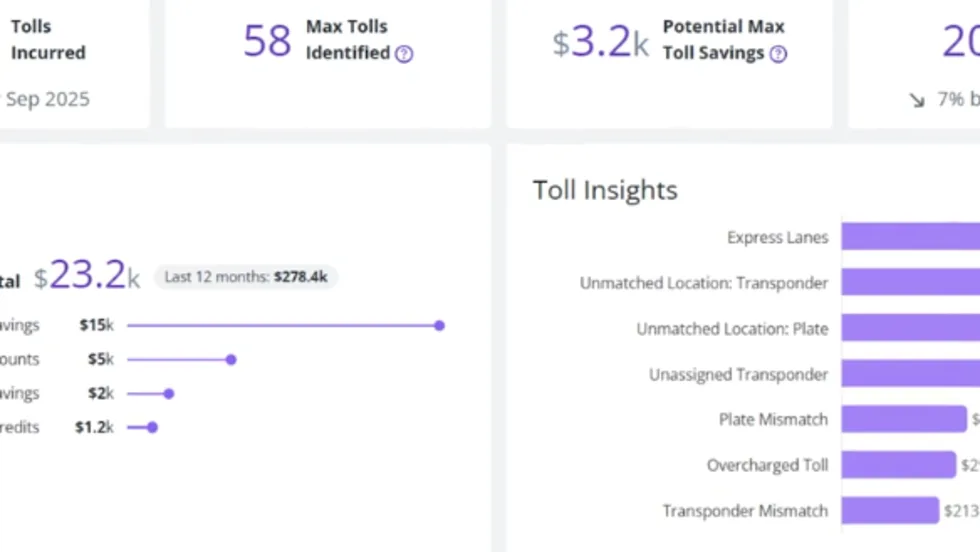
PrePass Intelligence Mines Fleet Bypass, Toll and Safety Data
PrePass Intelligence helps fleets measure bypass savings, flag potential toll overcharges, and spot suspicious transactions by combining data from separate systems.
Read More →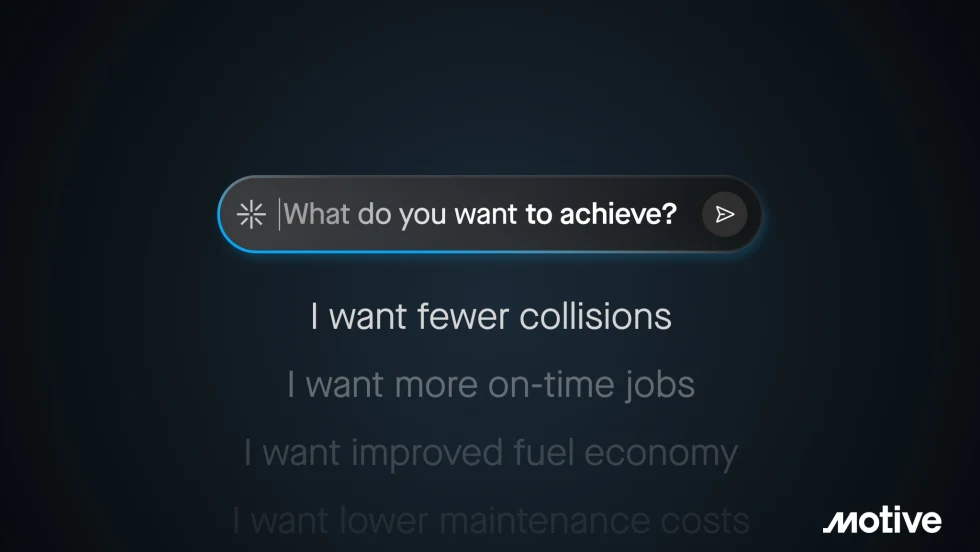
Motive Adds AI Agents for Fleet Operations
New tools automate follow-up on fleet data, from maintenance work orders to driver alerts, with two-way voice conversations planned for later this year.
Read More →
Can You Beat Our Trucking Trivia Challenge?
Test your truck knowledge with 19 trivia questions from Heavy Duty Trucking Exchange. Can you keep up with the fleet pros?
Read More →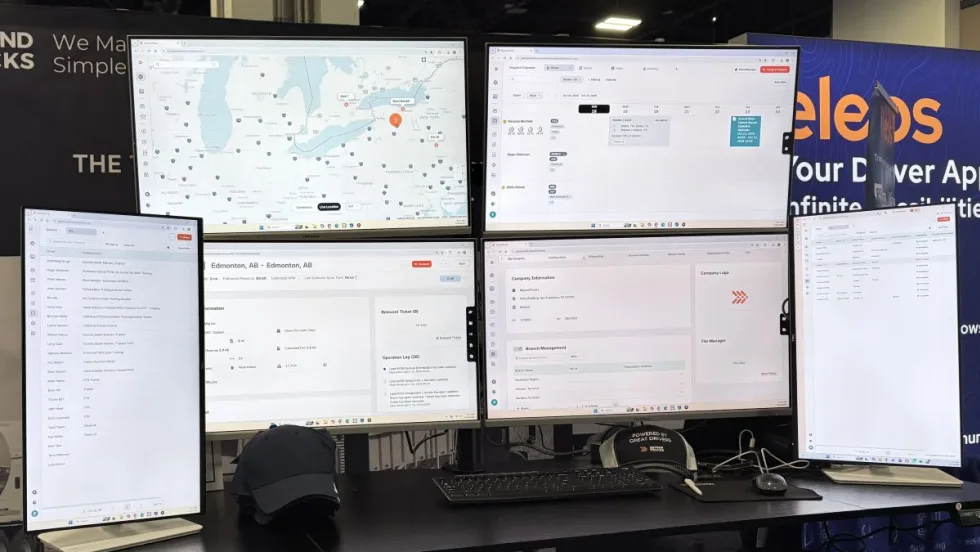
BeyondTrucks Adds Rules Checks to Dispatch
New Compatibility Engine checks driver qualifications, equipment requirements and fleet policies before loads are dispatched.
Read More →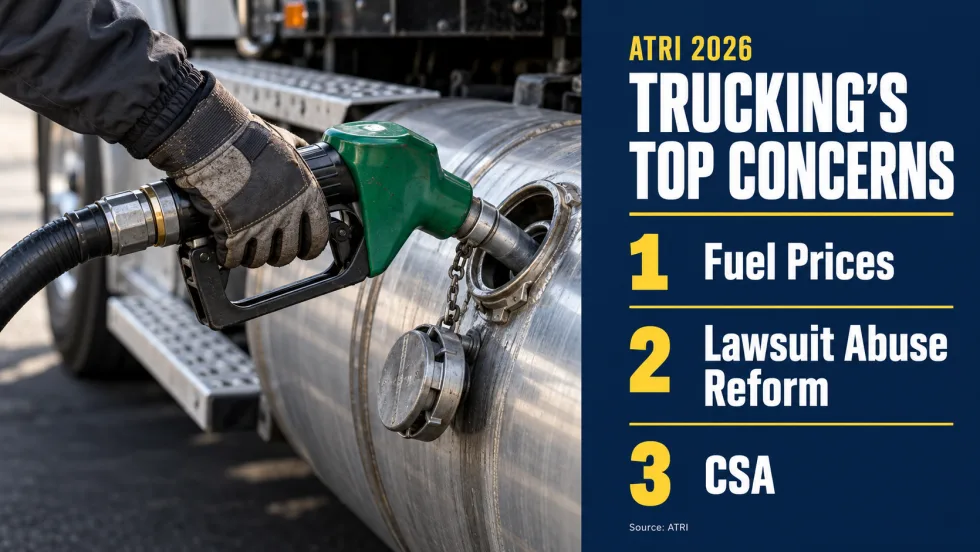
Diesel Prices Hijack Trucking’s Worry List
ATRI’s annual survey finds cautious optimism about freight, but diesel costs, litigation, and insurance continue to squeeze fleets. Drivers have different priorities on several issues.
Read More →
Nomination Deadline Extended for HDT Emerging Leaders
Just a few more days to nominate accomplished trucking fleet professionals under 40 who are making an impact and helping lead the industry forward for the HDT Emerging Leaders award. Deadline extended to October 20!
Read More →
What Will ATA’s New Leader Bring to Trucking's Table?
Incoming President and CEO Mark Colson’s record in Alabama offers clues about his priorities and approach following Chris Spear’s abrupt departure as the head of the American Trucking Associations.
Read More →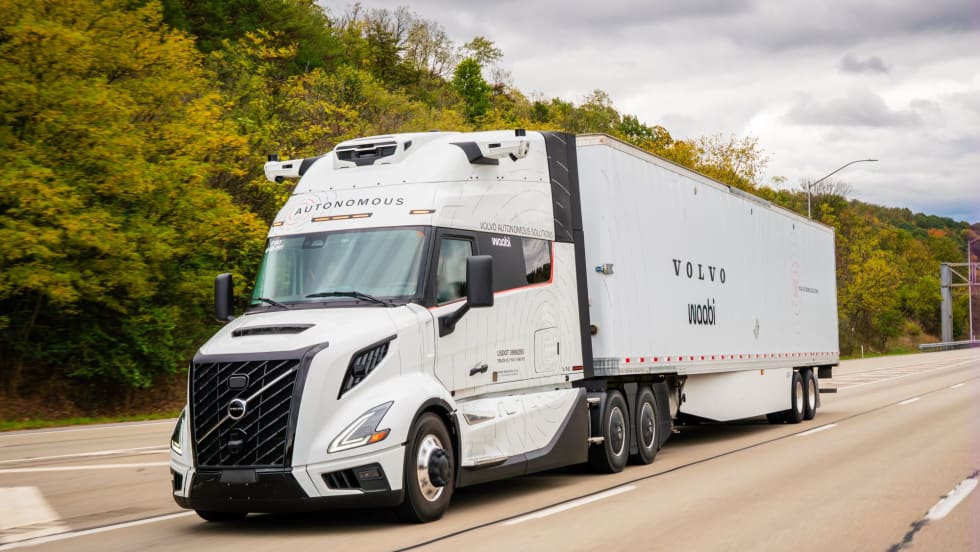
Volvo, Waabi Start Commercial Autonomous Operations in Texas
Volvo VNL Autonomous trucks, powered by the Waabi Driver, are hauling freight directly to third-party facilities for a customer in Texas.
Read More →