



The lighter a vehicle is, the better fuel efficiency it generally gets. And according to a financial analyst’s report this week, Navistar will soon be looking at new, lighter-weight materials as a way to further boost Class 8 fuel economy.
 MENU
MENU SEARCH
Navistar has signed an agreement with TPI Composites to design and develop Class 8 trucks with lighter-weight frame rails and body panels crafted from composite materials.

Navistar's agreement to explore composite materials for Class 8 trucks comes on the heels of the company's SuperTruck II project. Photo: Jack Roberts
The lighter a vehicle is, the better fuel efficiency it generally gets. And according to a financial analyst’s report this week, Navistar will soon be looking at new, lighter-weight materials as a way to further boost Class 8 fuel economy.
According to a report by the investment firm Zacks, Navistar has signed an agreement with TPI Composites to design and develop Class 8 trucks with lighter-weight frame rails and body panels crafted from composite materials.
The agreement comes on the heels of Navistar’s award-winning participation in the U.S. Department of Energy’s Super Truck II program, a collaborative effort between government and private industry to explore cutting-edge methods to boost fuel efficiency for Class 8 commercial vehicles.
TPI Composites is a leading company that engages in the development of composite materials based on advanced technologies and manufacturing procedures.
According to the report by Zacks, both Navistar and TPI are seeking to reduce the weight of a Class 8 tractor by approximately 30% in order to improve freight efficiency, while reducing the number of body parts required on the vehicle and extending vehicle life with the use of non-corrosive materials.
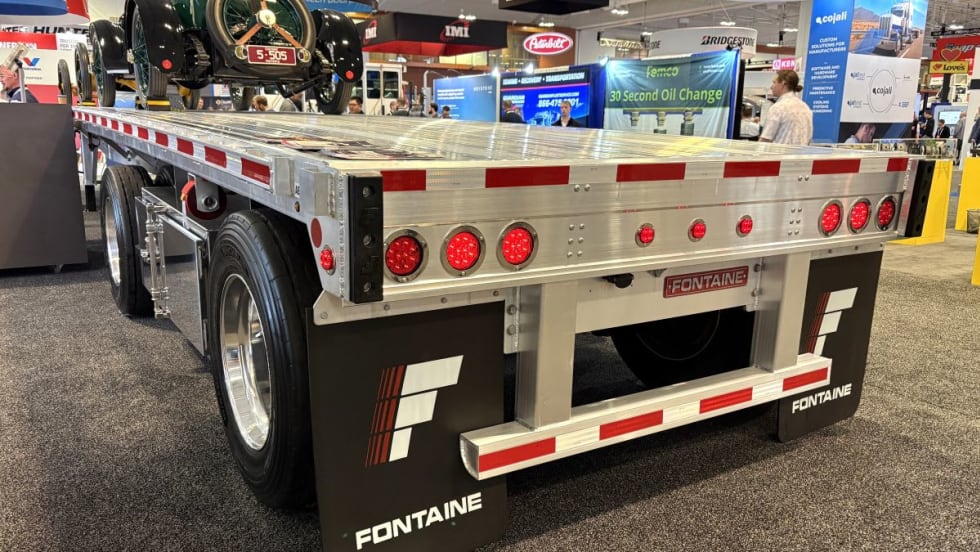
Fontaine is broadening its flatbed lineup with new models aimed at fleets, including a lightweight aluminum trailer expected in 2027 that emphasizes durability, repairability, and lower cost.
Read More →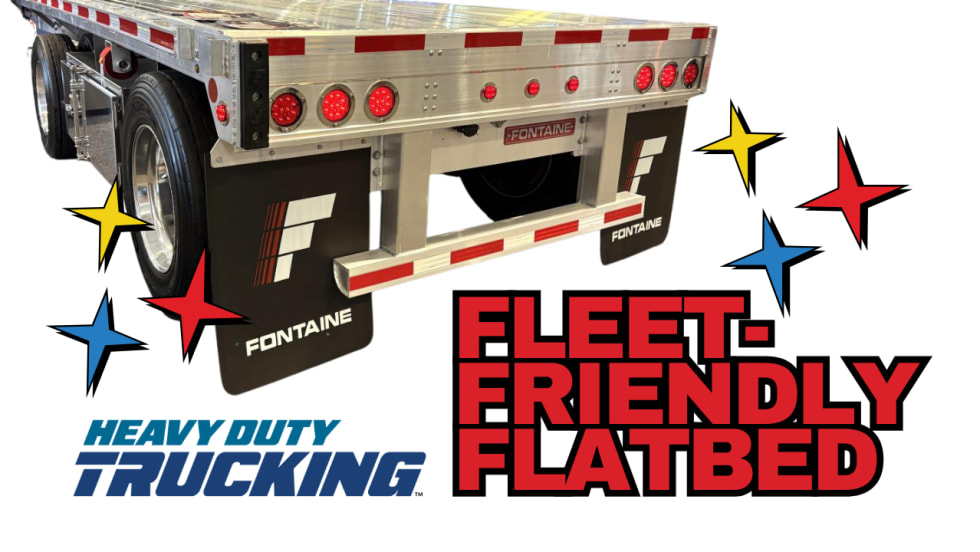
A new prototype from Fontaine Trailer focuses on what fleets say they need most: easier repairs, lower maintenance costs, and practical, service-friendly design.
Read More →
As warehouse networks expand, predictable regional routes are replacing long-haul runs—reshaping how fleets spec, operate, and resell day cabs.
Read More →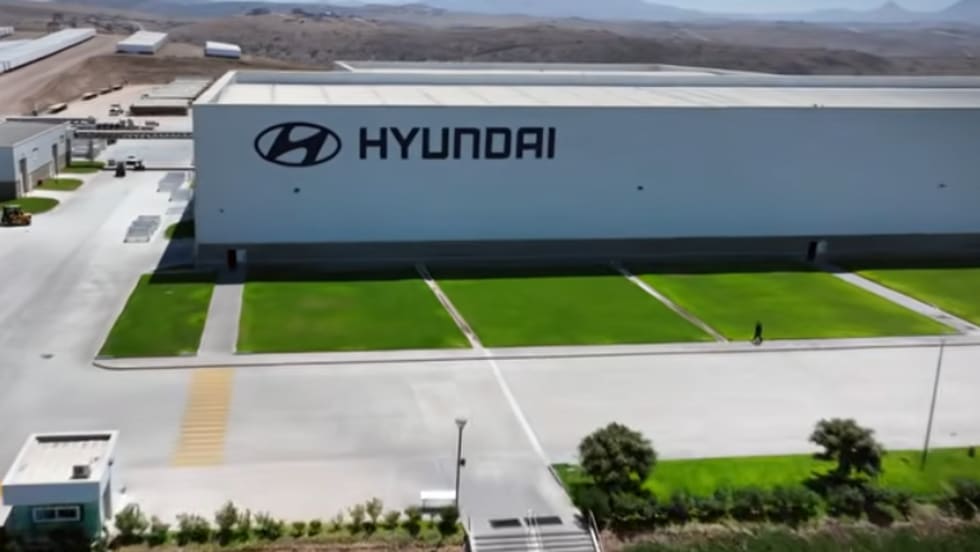
The new Hyundai Translead production sites will improve trailer and body delivery to customers by reducing lead times and leveraging a growing dealer network.
Read More →
Heavy Duty Trucking's Top 20 Products awards recognize the best new products and technologies. Check out the award presentations at the 2026 Technology & Maintenance Council annual meeting.
Read More →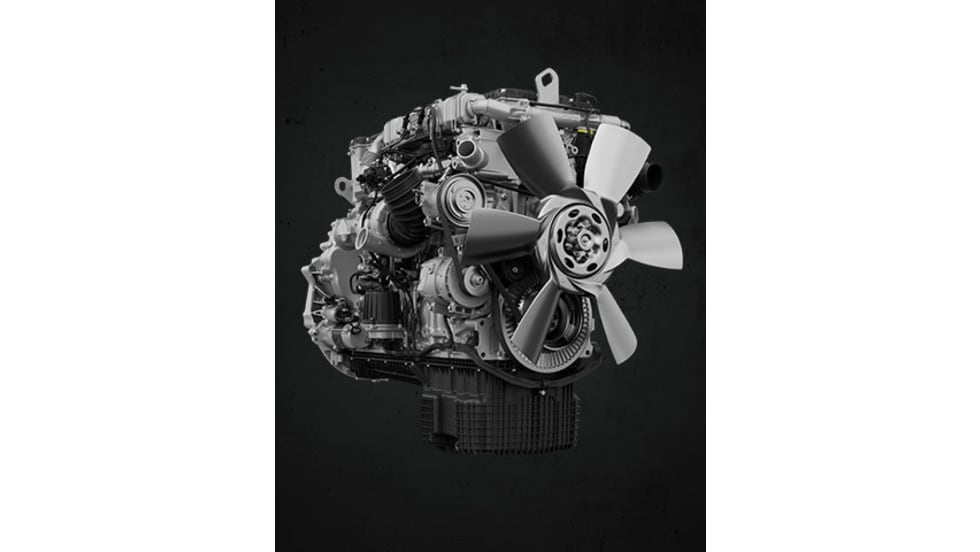
The Detroit® Gen 6 engine platform proves that real progress doesn’t require a complete redesign. Built on 20 years of trusted technology, these engines are designed for efficiency, stronger performance, and greater reliability than before. And they do it all while complying with 2027 EPA standards on every mile.
Read More →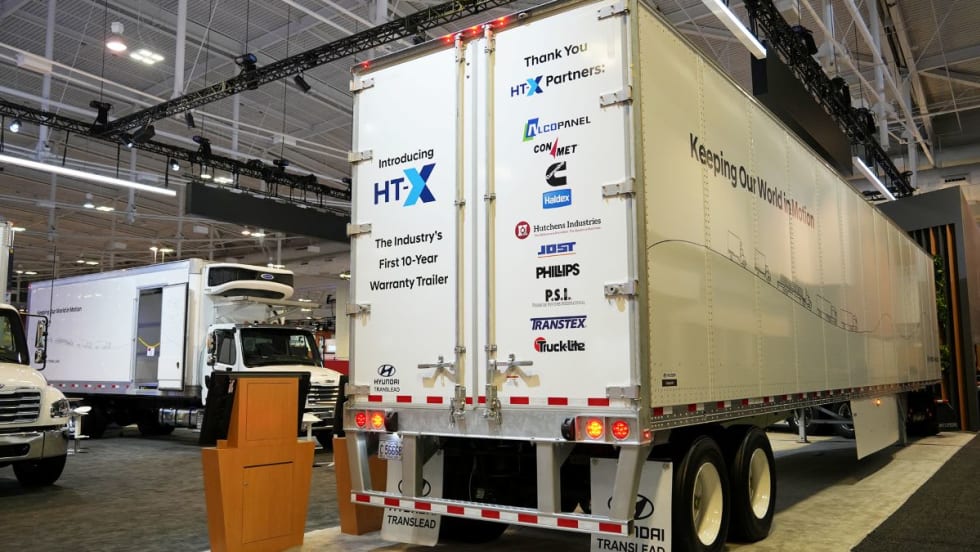
Smart safety systems, AI-powered visibility, a 10-year-warranty dry van, and a modular refrigerated body debuted at TMC.
Read More →
New guidance allows engine makers to replace problematic DEF sensors with NOx-based systems, aiming to reduce unnecessary derates and downtime caused by failures in the sensors designed to monitor diesel exhaust fluid on trucks.
Read More →
Is your company a leader in sustainability efforts among trucking fleets? If so, Heavy Duty Trucking's editors want to hear from you.
Read More →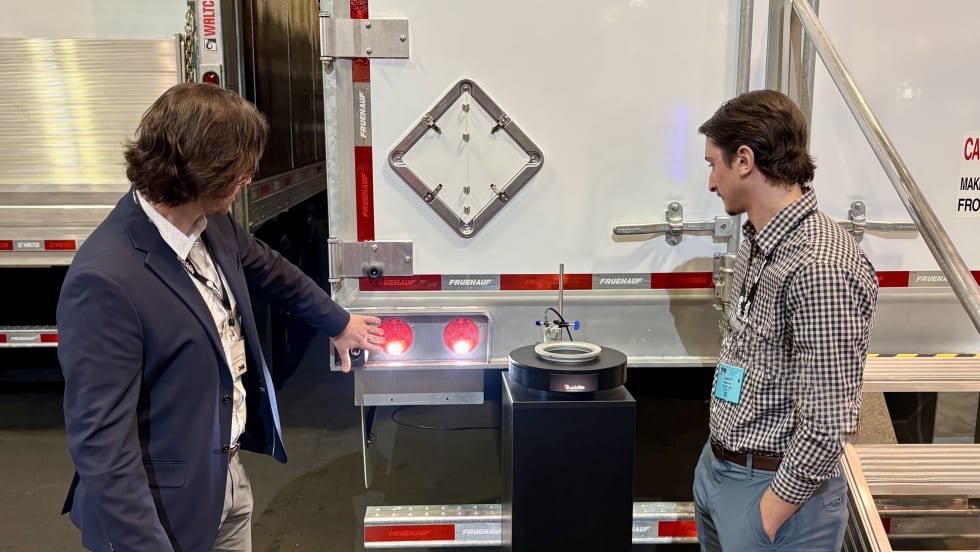
From advanced connectivity to AI-powered cameras and next-gen fuel filtration, Clarience companies outlined a roadmap for safer, more connected trailers at TMC’s Annual Meeting.
Read More →