




Schneider Completes Shift to Company-Owned Intermodal Chassis Network
Trucking giant Schneider has completed its conversion to a company-owned and managed chassis fleet after buying 15,000 intermodal container chassis over the past four years.
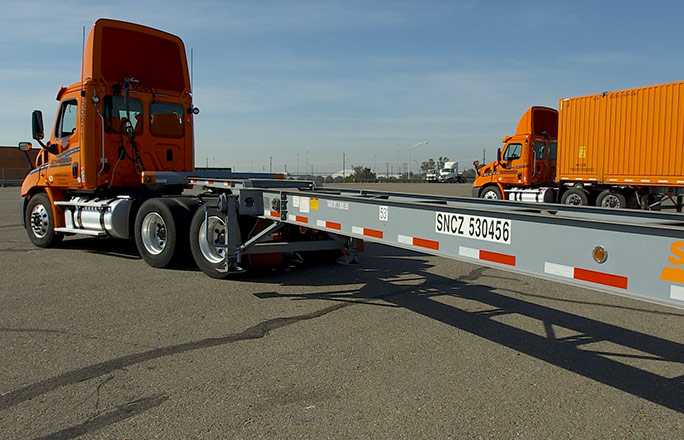
Over a four-year period, Schneider purchased 15,000 intermodal chassis. Photo: Schneider

Trucking giant Schneider has completed its conversion to a company-owned and managed chassis fleet after buying 15,000 intermodal container chassis over the past four years.
The company began implementing the program in 2014 to assure access to lightweight, quality chassis when and where shippers and drivers needed them.
“We began investing in chassis because we realized we could deliver a better experience to our customers and dray drivers by controlling our own assets,” explained Jim Filter, senior vice president and general manager of Schneider’s Intermodal division. “The shared chassis pool that carriers often use creates significant delays for drivers, primarily at the ramp or when experiencing a breakdown on the road. When there isn’t an available chassis, the container is grounded. When one becomes available from the pool, they are often older, heavier, and fraught with mechanical problems.”
Owning a chassis fleet also means that the weight of all Schneider’s chassis are the same. This allows the shipper to know how much weight they can haul with every load. Because the demand for chassis in shared pools can outstrip supply, Schneider says, it also will have an advantage because the company has more control.
Schneider can also control the condition of its chassis fleet, because it will maintain the equipment to identify issues and make repairs before they turn into more critical problems.
“With the Schneider chassis, shippers can expect fewer delays and greater efficiency, as we’ve supplied plenty of chassis at each ramp location,” said Filter. “We even created our own technology that tracks utilization, turn time and location, so we can ensure there is the right number of chassis at every ramp and we can keep shippers’ freight moving.”
More Fleet Management
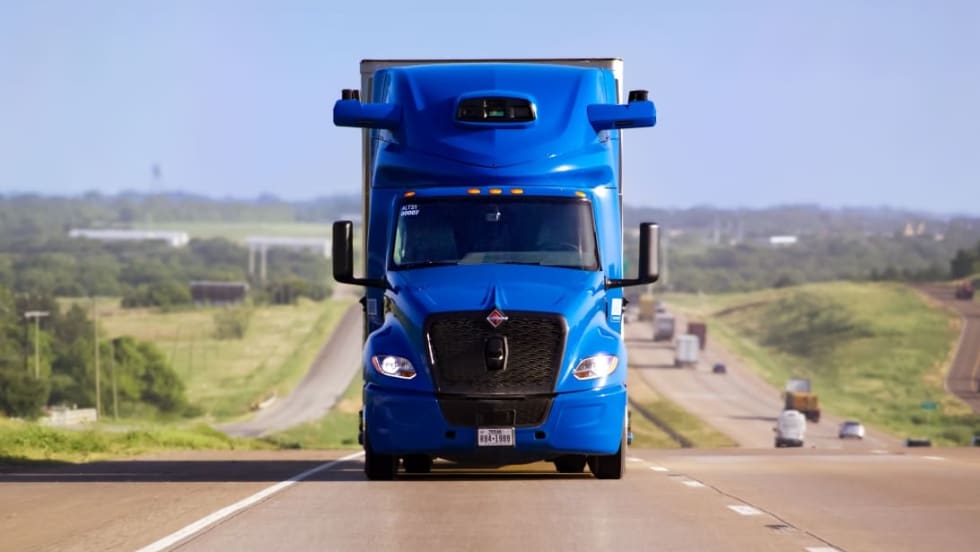
Aurora Rolls Out Next Generation of Driverless Trucks for Commercial Freight
Aurora's latest autonomous trucks it's rolling out with International feature lower-cost hardware designed for a million miles as the company expands commercial driverless freight operations across the U.S. Sun Belt.
Read More →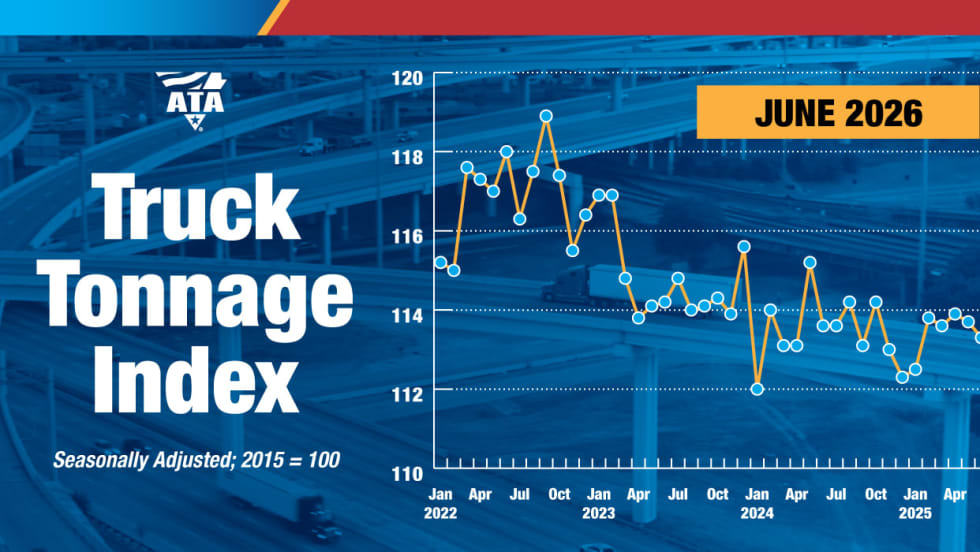
Freight Tonnage Down, Rates up, as Lower Capacity Powers Trucking Recovery
The recovery from the freight recession continues to be driven by reduction in capacity rather than by increased demand.
Read More →
Think Your Trucking Fleet Isn't Using Much AI? Think Again
Shadow AI — the use of unauthorized artificial intelligence tools at work — is becoming increasingly common, putting sensitive company data at risk. Learn how trucking fleets can protect sensitive data while embracing AI.
Read More →
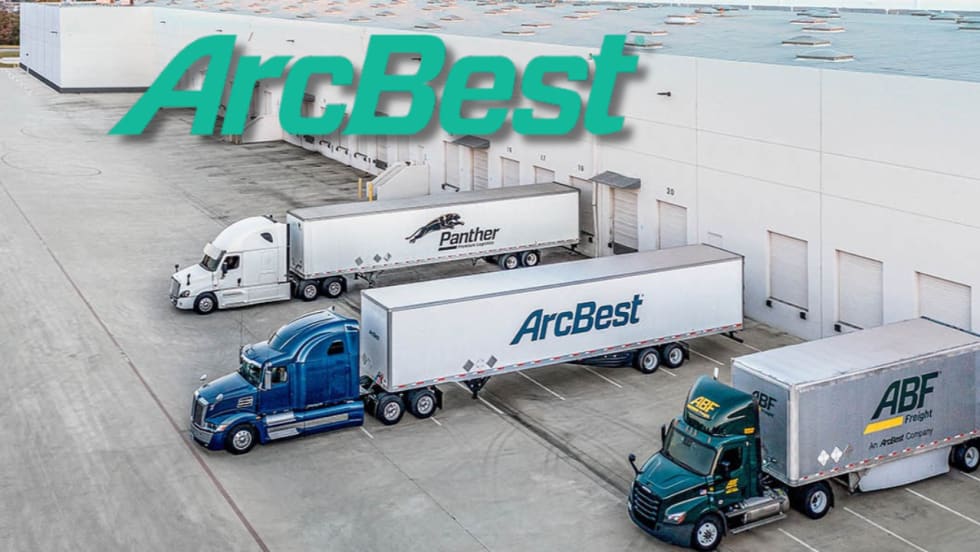
ArcBest Consolidates Brands, Cuts Workforce
The company will bring three business units under the ArcBest brand, eliminate about 2% of positions, and expects the changes to generate $40 million in annual savings.
Read More →
Trucking Fleets Faced Record Operating Costs During Third Year of Freight Recession
ATRI's annual operational cost report shows carriers trimmed fleets, delayed equipment purchases, and ran older trucks as expenses continued to outpace freight rates.
Read More →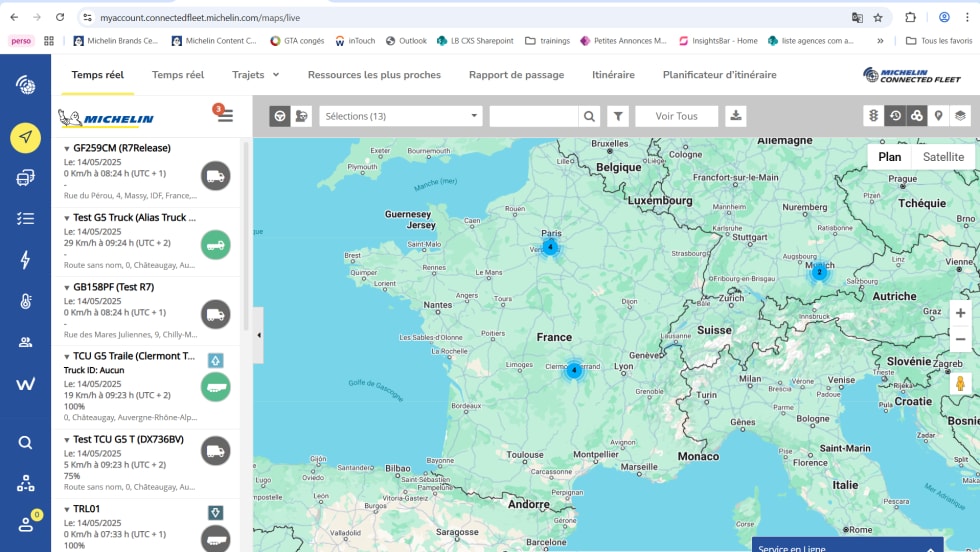
Michelin Adds AI Assistant to MyConnectedFleet Platform
Michelin’s new generative AI tool delivers instant fleet insights, helping managers analyze fuel use, tire maintenance, vehicle status, and operational performance without manually creating reports.
Read More →
LytxOne Platform Now Features AI, Compliance, and Asset Tracking Tools
New enhancements add AI-powered insights, asset tracking, compliance automation, and configurable privacy controls to Lytx's all-in-one fleet management platform.
Read More →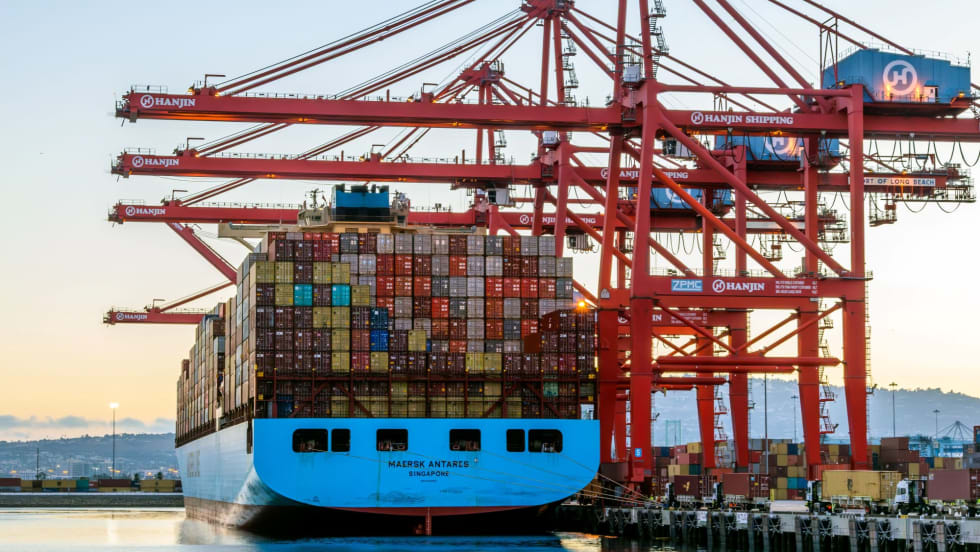
July Imports Poised to Set Container Record
The National Retail Federation projects July container imports will surpass the pandemic-era record as shippers frontload freight ahead of expected August tariff increases.
Read More →
HDT Announces 2026 Truck Fleet Innovator Finalists
From AI and fleet electrification to safety, operations, and leadership, these HDT Truck Fleet Innovator finalists are changing how trucking gets done.
Read More →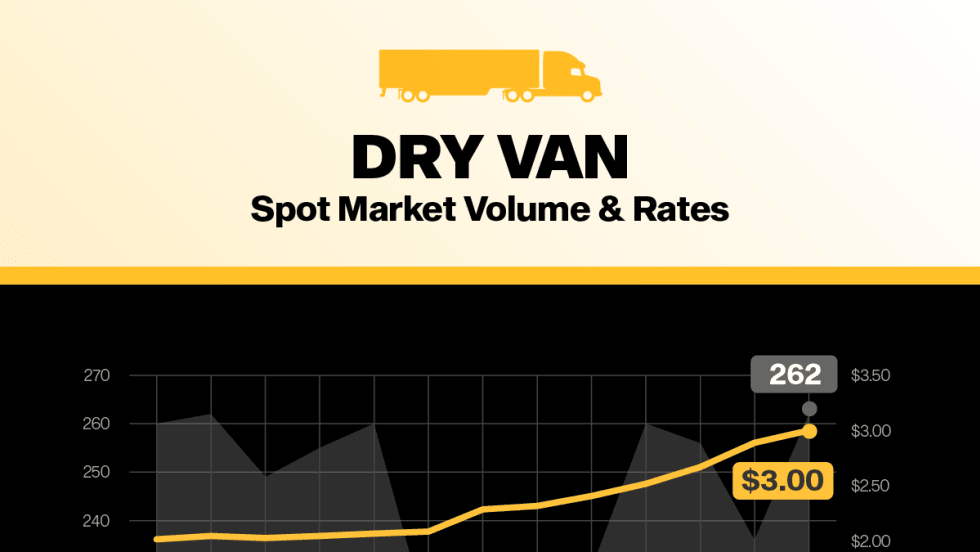
Van Spot Rates Top Contract Rates for First Time Since 2022
There’s more good economic news for the North American trucking industry according to the latest Truckload Volume Index report from DAT.
Read More →