Spot Flatbed Rate Rises Again, Van and Reefers Continue Decline
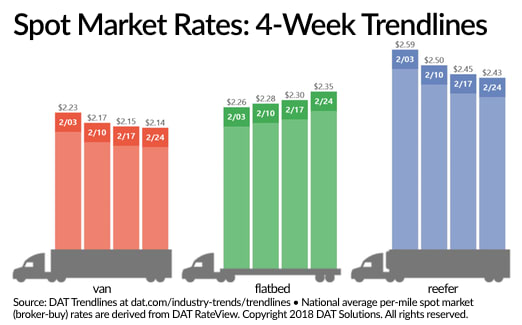
The national average rate for spot flatbed loads increased for the third straight week and the flatbed load-to-truck ratio topped 70 to 1 during the week ending Feb. 24, according to DAT Solutions and its network of load boards.
The national average rate for spot flatbed loads increased for the third straight week and the flatbed load-to-truck ratio topped 70 to 1 during the week ending Feb. 24, according to DAT Solutions and its network of load boards.
The number of available flatbed loads increased 10% compared to the previous week while truck posts dipped 1%. The load-to-truck ratio rose 10% as the national average flatbed rate gained 5 cents to $2.35 per mile. All rates include fuel surcharges.
Ad Loading...
Van and refrigerated freight rates continued their gradual slide but remain higher than at this point last year.
The national average van rate lost 1 cent to $2.14 per mile on a 6% decline in the number of van loads and a 1% gain in available capacity. The van load-to-truck ratio fell slightly to 6.7 loads per truck.
The national average reefer rate fell 2 cents to $2.43 per mile. The number of available loads was down 2% and truck posts edged up 1% for a 9.3 to 1 load-to-truck ratio.
The mixed performance with freight rates happened as the average cost of diesel fell to $3.023 per gallon.
The national average spot van rate has now fallen for seven straight weeks, according to DAT, but there are some signs they may have hit bottom and could rebound soon:
Ad Loading...
Most declines last week were slight, and pricing has been stable in many markets.
Volumes rebounded 2% last week on the top 100 van lanes.
The "phase-in" period for the electronic logging device mandate ends on April 1, which is when trucks will be placed out of service if they don't have an electronic logging device (ELD) installed. If capacity tightens the way that it did when the mandate started in December, prices could spike again.
Just when capacity gets tight, demand is expected to surge. The first quarter closes on Saturday, March 31, and shippers will be in a rush to move freight before the weekend. Then the spring freight season starts to rev up in April, and rates typically keep climbing at least until July 4th.
You can read more about the latest spot market trends in the DAT blog.
Artificial intelligence is evolving faster than fleets can keep up, and telematics must evolve with it, Cawse said during Geotab Connect. The future? A single AI coordinating every system — and leaders who know how to guide it.
Geotab launches GO Focus Pro, an AI-powered 360-degree dash cam designed to reduce collisions, prevent fraud, and protect fleets from nuclear verdict risk.
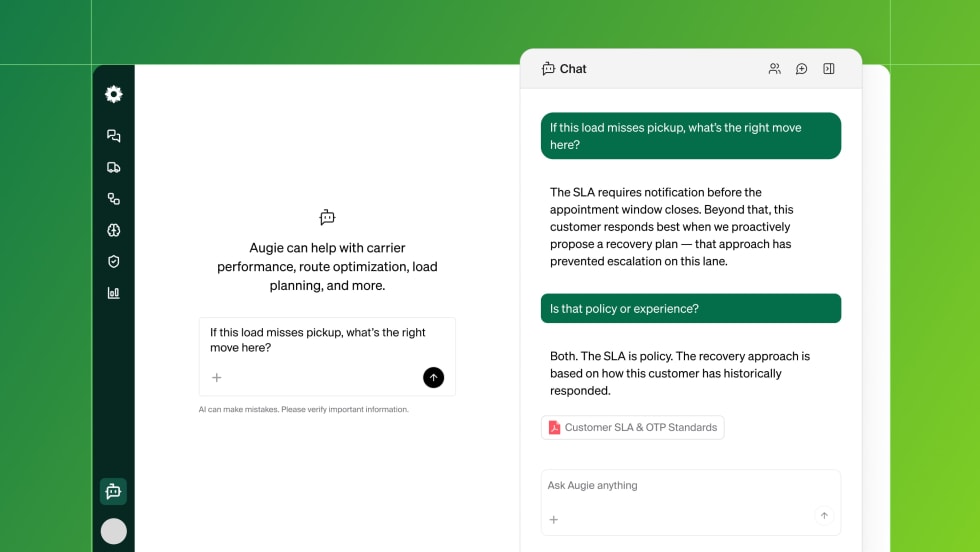
Knowledge Hub is designed to turn scattered tribal knowledge into execution-ready intelligence and help logistics teams make faster, more consistent decisions.
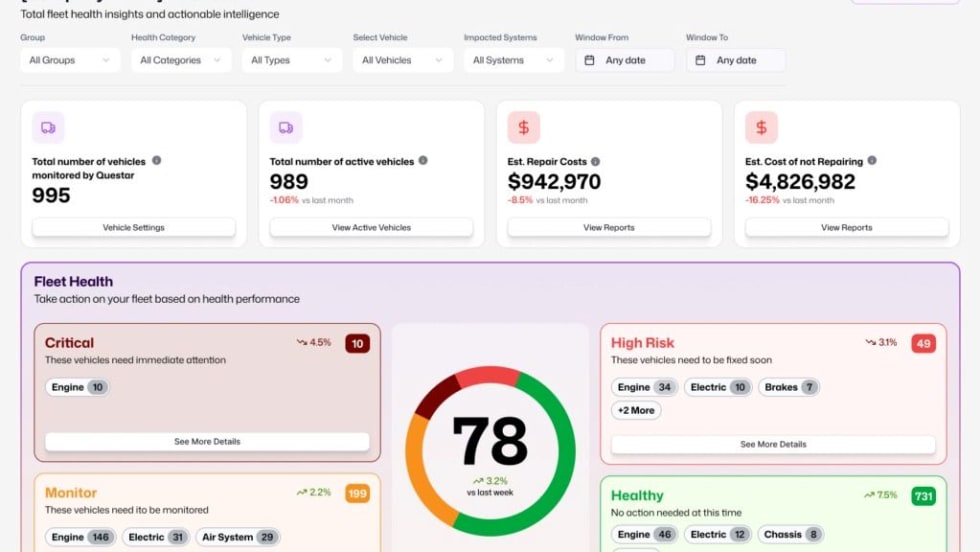
Quester’s AI-driven maintenance insights aim to help fleets reduce unplanned downtime, improve repair planning, and better understand the true cost of maintenance decisions.
Artificial intelligence is changing how cybercriminals and cargo thieves target trucking fleets—and how fleets defend themselves. As phishing, impersonation, and cargo theft converge, cybersecurity is becoming a core part of fleet safety and operations.
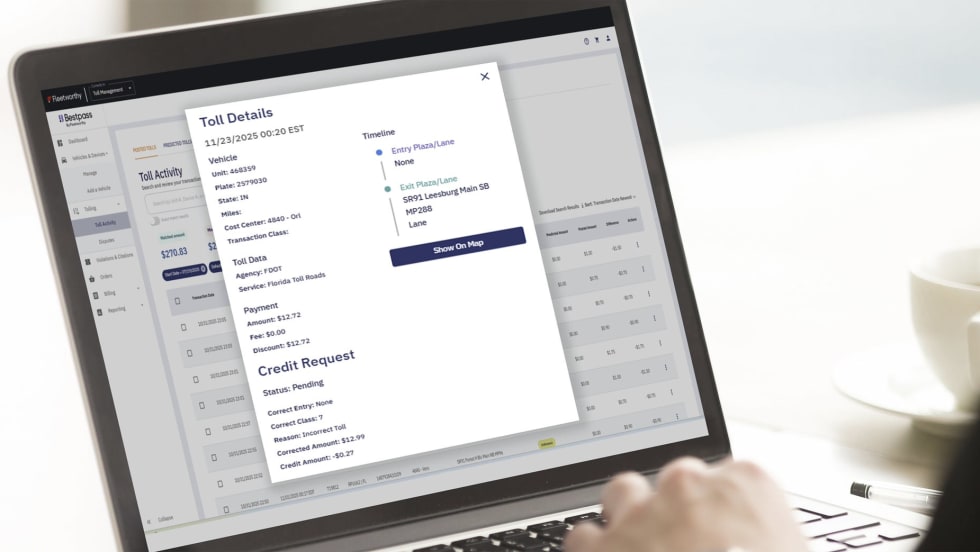
Fleetworthy's new Bestpass Toll360 add-on uses route data and AI to predict toll charges, reconcile invoices, and automatically file eligible disputes—helping fleets cut manual work and recover overpayments.