




Related: Winter Truck Maintenance Tips
Safe Winter Driving Tips
General preventive driving habits can make a big difference in winter driving safety. Here are some tips to make driving in hazardous conditions safer.
by Mel Kirk, Ryder System
December 30, 2014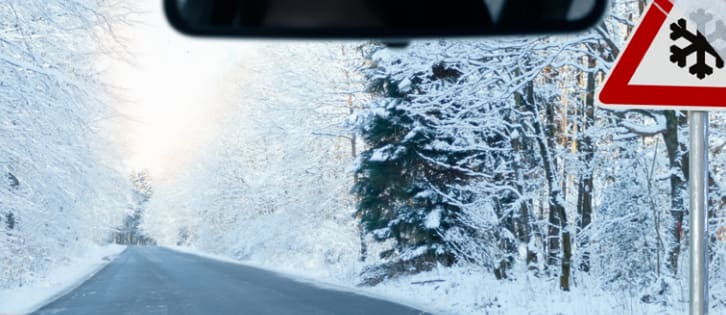
Photo by Ryder System.
3 min to read
Photo by Ryder System.
General preventive driving habits can make a big difference in winter driving safety. Before beginning any trip, remember to check the current road conditions and closures, weather forecast and local winter requirements such as use of tire chains. For highway information 24 hours a day, check your state’s Department of Transportation website.
Buckle up!
Before departing, have a contingency plan for what you will do if weather conditions deteriorate.
Don’t ignore dashboard warning lights! Be mindful that the regeneration process that is required for emissions control will not execute in extreme temperatures.
Be conscious of weather conditions that may limit visibility. Keep your headlights on at all times and use low beam headlights when there’s poor visibility.
Give yourself plenty of room between your vehicle and the others on the road. Avoid traveling alongside snow plows and give extra room - at least 200 feet - between your vehicle and other snow service vehicles on the road.
Avoid sudden braking that can be extra dangerous with slick road conditions. Do not use cruise control and avoid abrupt driving maneuvers.
Use extra caution and lower your speed when approaching curves and intersections to reduce the chance of losing control. Be aware of icy conditions that occur especially on bridges and overpasses.
Be aware of the signs of cold-related stress: fatigue, confusion, shivering and slowed breathing.
Do not let your truck idle. The Diesel Exhaust Fluid (DEF) tank freezes at about 10 degrees, so make sure to begin driving your truck immediately to ensure the heaters warm up DEF in order for it to circulate throughout the engine.
Brush snow and ice from the vehicles rooftop before traveling, which will keep the windshield and mirrors clean for better visibility.
Use a solid, 3-point stance when entering and exiting vehicle cabs. Wear appropriate footwear for the weather conditions. Be aware of ice and snow on walking surfaces, as well as falling snow and ice from the top of your vehicle.
If you have to stop or pull over, find a safe spot to do so. If you cannot get off of the road, make sure you’re truck is as visible as possible – use emergency triangles, cones, flashers and a reflective vest.
Maintain at least a half tank of gas during winter season. Along with the correctly blended fuel, this will keep the fuel lines from freezing.
In a skid, turn into the skid. Depress the clutch fast; Look at the left mirror only; Steer and counter-steer as fast as you can to get back in front of the trailer.
Keep an emergency supply of water, non-perishable food, extra clothes and blankets in case of a vehicle breakdown or other emergency.
Don’t ask your truck to do more than it can. If you don’t feel comfortable driving, park it. Period.
Published by Ryder System. Used with permission. More information available at: campaigns.ryder.com/WinterDriving. This article was authored under the guidance and editorial standards of HDT's editors to provide useful information to our readers.
Subscribe to Our Newsletter
More Drivers
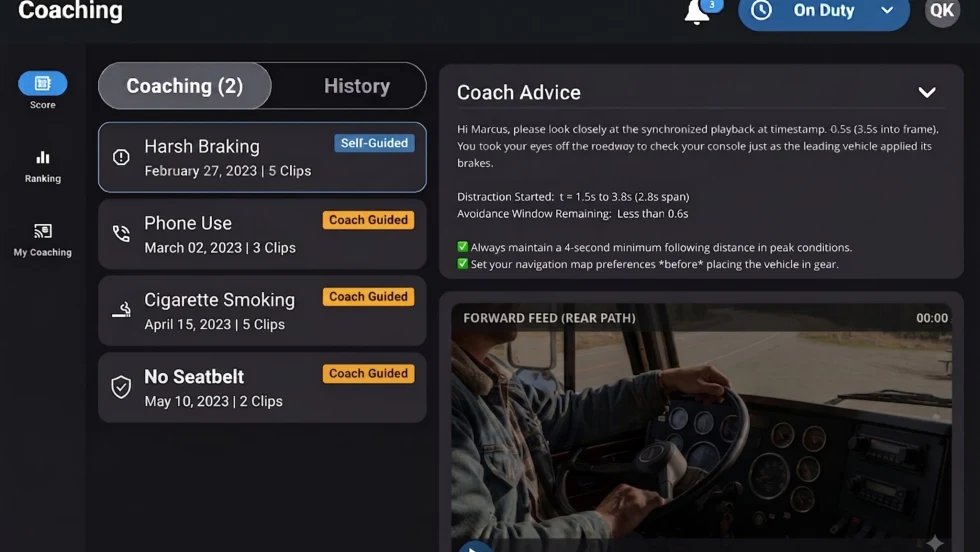
Platform Science Adds Dispatch and Safety Tools
Four additions to PS Fleet help fleets monitor loads, manage driver coaching, share truck locations and adjust video system settings.
Read More →
When Language Stops the Truck: The Return of ELP Out-of-Service Orders
English language proficiency rules for commercial drivers aren’t new, but renewed out-of-service enforcement has raised the stakes. Here’s what carriers need to know before a driver reaches a roadside inspection.
Read More →
Samsara Launches Custom AI Agent Builder
Agent Studio lets fleets create AI tools for hours-of-service monitoring, reporting and driver support, including agents that communicate by phone.
Read More →
Trucker Path Expands Reserved Parking Network
Trucker Path has added close to 6,000 more truck parking spaces to its Trucker Path Reserved Parking Network with the addition of Safe Truck Parking.
Read More →
EEOC Sues Texas Trucking Company Over Driver Age Limits
The agency says Trancasa USA rejected applicants over 65 and applied tougher driving-record standards to those over 60.
Read More →
Nussbaum, Roehl Announce Second Driver Pay Increase This Year
This year has seen a swath of major truck driver pay increases as freight capacity has tightened.
Read More →
From One Generation to the Next: How Mentorship Builds Safer Truck Drivers
After three decades in trucking, Harold Perry shares what he's learned about driver safety, mentorship, and helping the next generation build confidence behind the wheel.
Read More →
Truck Drivers Need More Than Another Alert
Fleets have more visibility into truck health, safety events, and driver activity than ever. The next challenge is turning all that information into useful guidance for the person who has to decide what to do next.
Read More →
FMCSA Removes 110 Truck Driver Training Schools from Certified ELDT List
Federal regulators also are targeting more than 160 additional training providers and launching a nationwide audit of third-party CDL skills testers as part of a broader crackdown on trucking fraud.
Read More →
Hours of Service Pilot Programs: FMCSA Readies for 2027 Rollout
Two pilot programs could eventually reshape hours-of-service rules, giving truck drivers options to pause their 14-hour clock or use longer split sleeper rest periods.
Read More →