





Today, fleets have an alternative to on-site rooms full of computer servers – using a hosted environment for your computing needs, known as cloud computing. In the cloud computing environment, the servers are maintained by a third party (or maybe your enterprise software vendor) and fleets access applications and data via a web interface.
Is Cloud Computing Right For You?
Today, fleets have an alternative to on-site rooms full of computer servers – using a hosted environment for your computing needs, known as cloud computing. In the cloud computing environment, the servers are maintained by a third party (or maybe your enterprise software vendor) and fleets access applications and data via a web interface.
April 23, 2014

6 min to read

Many trucking companies may already use software-as-a-service applications or web services that are accessible via an Internet connection. Mobile communications/telematics vendors typically provide their software in this fashion, then collect and store telematics and other data for their fleet customers in the vendor’s proprietary data warehouse. Other fleets are going further, moving much of their enterprise and other software into a cloud environment, meaning all of their computing infrastructure, such as servers and storage, are hosted in the cloud.
There are many good reasons for embracing a cloud environment. And there are reasons some companies many not find it to their advantage. But there appears to be a definite trend toward cloud computing in all industries, including trucking.
“I think it’s very clear, that in general software is migrating from an approach where you buy the software and then pay fees to upgrade it periodically, to a subscription-type service,” says Vikas Jain, vice president of product and program management with Omnitracs. “Even the most common software used in an office is available as software-as-a-service. You pay for what use, just like you do with your utility or water bill. I think that is the direction for the future.”
Freedom, flexibility and financing
Kelly Frey, vice president, product marketing with Telogis, says there are three key benefits to a cloud environment: freedom, flexibility and financing. With the cloud, companies are freed from “hosting, updating and managing traditional client/server applications,” Frey says, allowing customers to focus on their business as opposed to their “IT infrastructure, software versions and update schedules.”
Wyn Partington, vice president, marketing at NexTraq, agrees. “The main benefits for a small to medium business is you don’t have to look after the hardware, you don’t have to have the redundancies, power supplies” or other infrastructure required for a premise-based system.
Application updates are automatically installed, which makes your business more ready for the future.
“When you have your IT assets in the cloud and assessable the way it should be, you are sort of future-proof in many ways,” says Jeff Baer, founder and CEO of LinkeDrive.
Companies gain flexibility because the cloud allows them to deploy the system at a single business unit or across the whole enterprise, Frey says.
New users and features are easily added as the business grows.
This flexibility extends to how and where the system can be accessed. With on-site servers, users are “pretty much tied to one location or a couple of locations,” said Stu Sutton, president of Sylectus. With a web-based system, you can access your system from anywhere: an iPad while on vacation, for instance. “Even without high-speed Internet, you can still check on how things are going,” he says.
Andrew Johnson, vice president marketing and sales support for Zonar, agrees that a “primary advantage of cloud services is accessibility of data.”
Fleets can access their information from any Internet-enabled device from any remote location that has an Internet connection. The result, Johnson says, is that it allows for “multiple remote users and faster communication between drivers, fleet management and maintenance operations.”
The financial benefits may be the most important reason many fleets have adopted cloud-based systems. Put simply, cloud systems are less expensive to install than on-site systems. “You don’t have the capital outlay for the equipment,” Sutton notes. Instead, companies pay a licensing fee and a monthly fee. Plus, companies won’t require the IT support staff to keep on-site servers and applications running and updated. “The cost of the IT person can be the most expensive thing right now,” Sutton says.
“There has been an uptick in companies that want to look at the potential benefits of having a hosted option for their software,” says Monica Truelsch, director of marketing for TMW Systems. “There are benefits as far as the financial look – you can allocate personnel away from IT responsibilities to other business responsibilities.”
Potential drawbacks
There are potential drawbacks to deploying a cloud-based system, and such systems may not be the best option for some companies, especially if a company’s on-site system is current and up-to-date.
“If a company has an existing client-server technology that has been recently upgraded, long-term, it would be cheaper to remain there [instead of migrating to the cloud] as long as they have the support,” Sutton says.
Temporary service disruptions to an Internet connection can pose a problem, Johnson says. “While cloud-based services provide immediate access to information, if the information portal is interrupted, the information stops,” he says.
Of course on-site servers can malfunction, but if the Internet connection is interrupted, the data is not accessible. As Johnson notes, this is typically a short-term inconvenience and “the providers of cloud-based data storage provide multiple location backups, so the data is secure no matter the interruption.”
Baer says companies should make sure whatever system they deploy can still function, no matter what. “The system needs to be structured in a way that it can behave with or without a network connection.”
John Wisdom, marketing technology manager with Paccar Parts, notes that users should be aware of “any event or physical limit that may impact internet response times,” when evaluating cloud-based systems.
And while the upfront costs to deploy a cloud-based system are less, there are costs involved. “Obviously you have to get some of your information from where it is now into the cloud,” Baer says. “That could be an issue, and the migration cost should be one of the first things you consider.”
Security is also an issue. Companies have proprietary information they don’t want shared and companies need to be assured their data is secure.
“Some companies will not be comfortable having their critical data in a cloud environment beyond their control,” Jain says. As a result, “not every business is ready right now to migrate to the cloud.”
It doesn’t have to be all or nothing with the cloud. A number of companies use cloud-based applications in conjunction with their on-site system.
Increasing integration between the systems means fleets can “integrate disparate systems and use multiple cloud-based systems, have them talk to each other and act like one large system,” Jain says.
Moving to the cloud provides an opportunity for greater mobility, reliability and lower overall costs, Johnson explains.
What cloud applications promise, according to Frey, are “ubiquitous connectivity and availability without all the hassle of traditional server-based architectures.”
While a number of companies will choose to stick with their premise-based IT systems, at the end of the day, as LinkeDrive’s Baer put it, “trucking companies need to ask themselves if IT is their core competency, or is it trucking?”
Subscribe to Our Newsletter
More Fleet Management

The Trucking Industry’s Threat Intelligence Gap
The trucking industry has no shortage of cybersecurity reports and cargo crime statistics. What it lacks is timely, operational intelligence that fleets can actually use.
Read More →
Truck Crash Rates Are Down. So Why Do Insurance Costs Keep Rising?
ATRI’s latest research points to litigation, social inflation, and soaring claims costs as key drivers behind record-high liability premiums for trucking fleets. But there are things motor carriers can do.
Read More →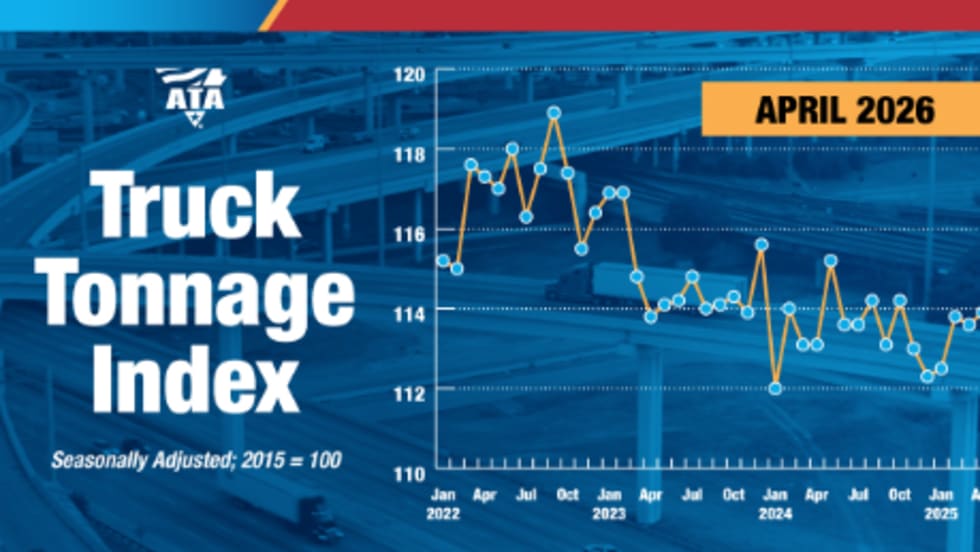
ATA Truck Tonnage Holds Steady in April at Highest Levels Since 2022
ATA’s For-Hire Truck Tonnage Index was unchanged in April after a strong March gain, with freight volumes remaining at their highest levels since late 2022.
Read More →
Fleetworthy Launches Connected Platform for Fleet Readiness Across Safety and Compliance, Toll Management, and Weigh Station Bypass
Fleetworthy has unveiled three major product launches it says mark a new era in fleet readiness.
Read More →
Behind the SCOTUS Broker Ruling Part 1
Transportation attorney Greg Feary breaks down the recent Supreme Court decision that brokers can be held liable for damages in truck accidents and what it means for the trucking industry going forward.
Read More →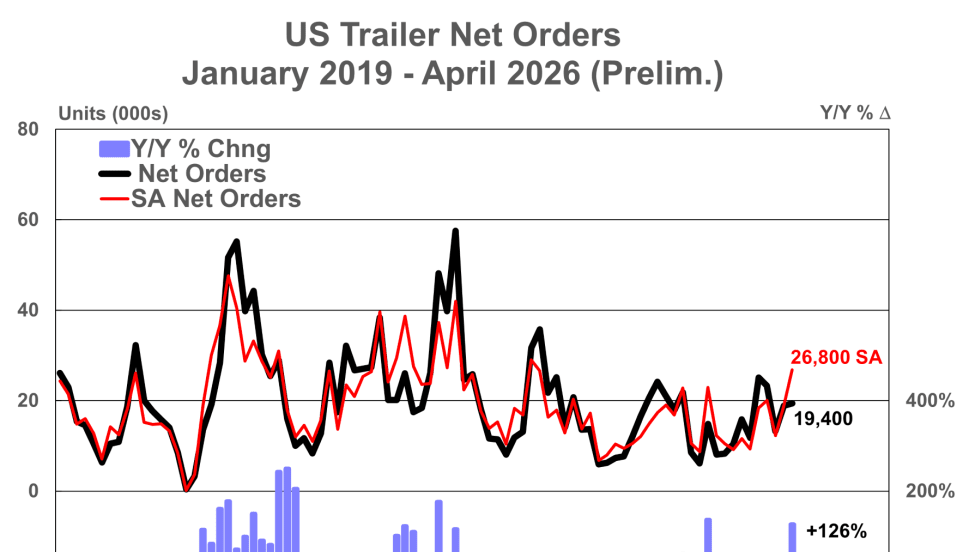
ACT Research: Trailer Orders Continue Upward Surprise in April
Preliminary net trailer orders rose 3% from March and jumped 126% year over year, signaling stronger-than-expected demand despite typical seasonal softness.
Read More →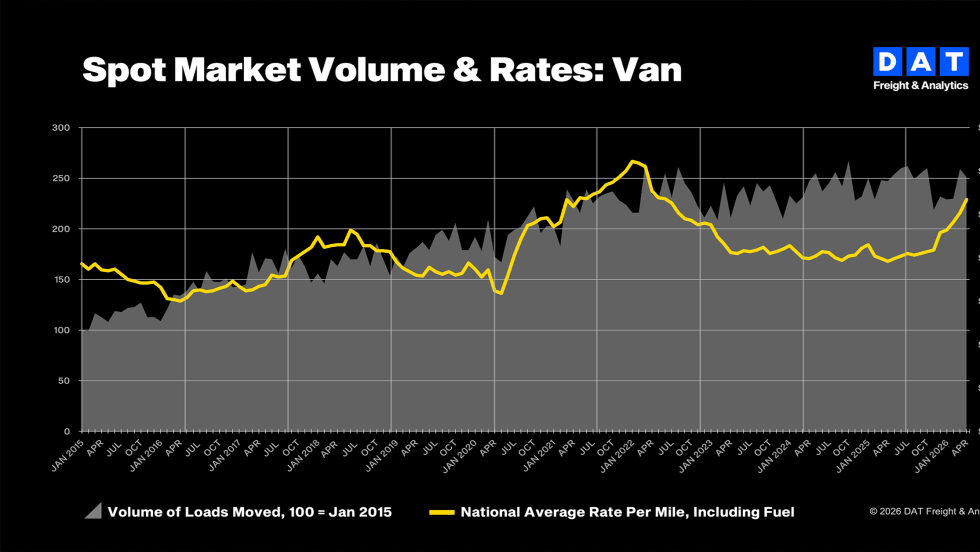
DAT: Fuel Surcharges Drive April Truckload Rate Gains as Freight Volumes Slip
Truckload spot and contract rates climbed in April. But DAT says higher fuel costs -- not stronger freight demand -- were behind most of the increase.
Read More →
Deadline Extended for HDT Truck Fleet Innovators Nominations
Heavy Duty Trucking has extended the deadline for nominations for its Truck Fleet Innovators awards. The deadline has been extended to May 22.
Read More →
Supreme Court Ruling Puts Freight Broker Vetting Practices in Spotlight
The unanimous SCOTUS ruling in the closely watched Montgomery v. Caribe case allows state negligence claims against freight brokers that hire unsafe motor carriers, raising new liability and vetting concerns among brokers.
Read More →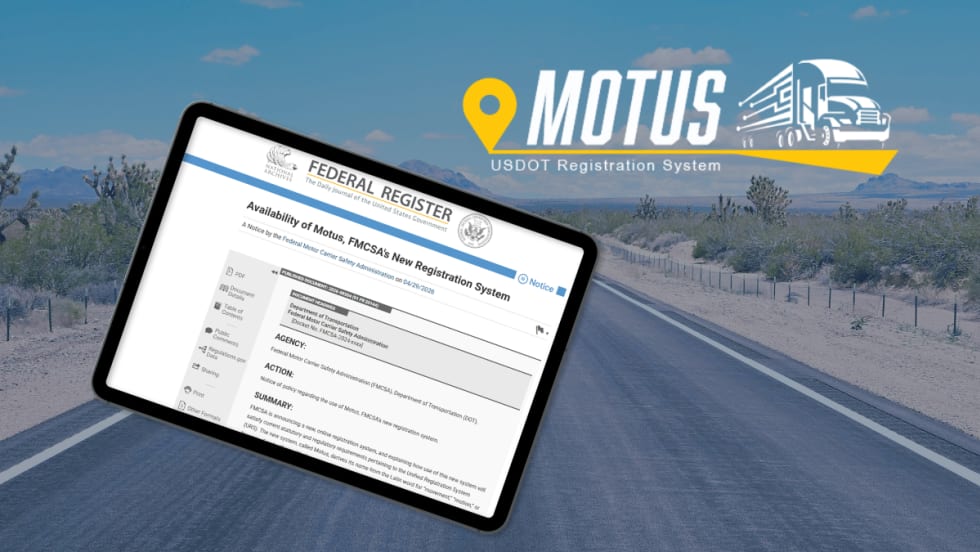
FMCSA’s Motus System Is Coming. What Fleets Need to Know Now
FMCSA's long-awaited registration system promises a single portal — and tighter fraud controls. And there are steps you need to take by May 14.
Read More →