





Talk about perseverance. Pressure Systems International is celebrating 20 years in business this year. PSI began pumping its automatic tire inflation systems into the market in 1996. Since then, with about 675,000 units delivered worldwide, PSI Executive Vice President Frank Sonzala, estimates the company has captured maybe 25% of the total available trailer market in North America.
Adopting Tire Inflation Systems
Why are adoption rates for proven fuel-saving technologies so low? It looks like a classic case of stepping over a dollar to pick up a dime. Maybe “a lack of credible information on payback” means, “we don’t know how much this device will save us so we’re not going to buy it.”
December 9, 2013
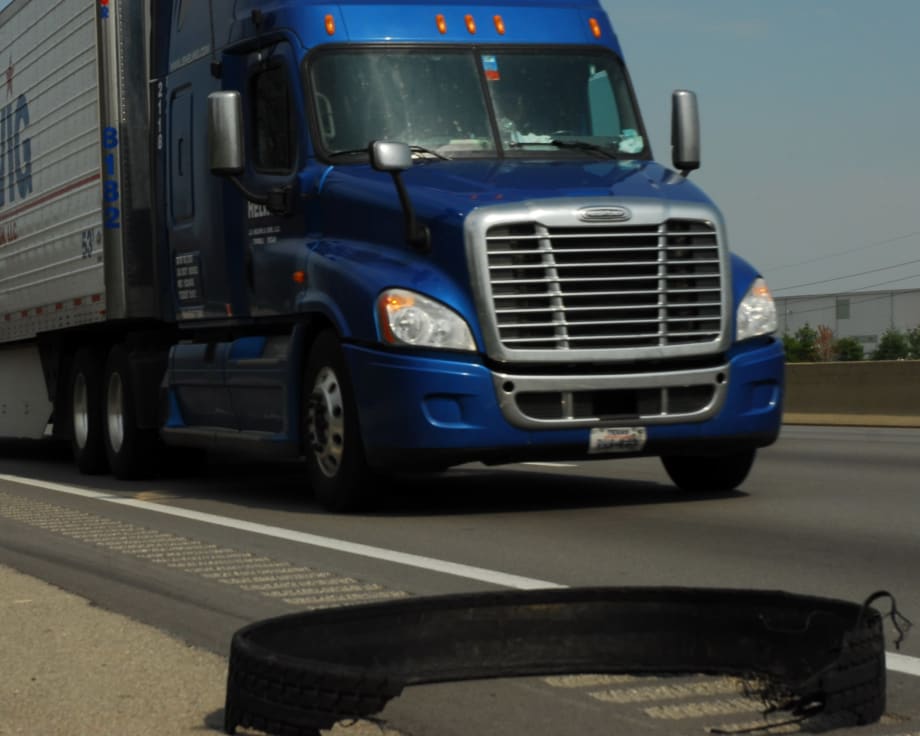
ATIS and TPMS do more than prevent good tires from coming apart. ROI also includes improved fuel economy, longer tread life and higher casing value.
9 min to read

Sonzala says the first years in the market, 1996 to 2004, were challenging. Fuel was still relatively cheap, and tires were too. Few but the really forward-thinking fleets even let him in the door, so to speak. After partnering with Meritor in 1999, it was another four years before things began moving. Since 2005, except for the Great Recession, the graph has been climbing steadily.
While PSI deserves credit – as would any company – for remaining in business 20 years, it’s shocking that a product with relatively tame upfront costs that can save fleets money in so many ways has taken so long to catch on.
The story is similar at all the suppliers of tire inflation and pressure management systems, not just PSI. In July, the North American Council for Freight Efficiency, in partnership with Cascade Sierra Solutions, released a report called Barriers to the Increased Adoption of Fuel Efficiency Technologies in the North American On‐Road Freight Sector.
Using results from a hundreds-deep fleet survey and dozens of follow-up interviews, NACFE identified five key bottlenecks to nationwide implementation of available technologies that could deliver thousands of dollars in fuel savings. The first report, focusing on tire pressure monitoring systems and automatic inflation systems, cites a lack of credible information on payback as the largest hurdle. That was followed by a lack of access to capital, insufficient reliability, the high initial cost of trucks and unavailability of technology.
The pool from which the NACFE survey drew its conclusions contains 40,000 tractors and about 60,000 trailers. Among the fleets responding to the survey were NACFE members, described by executive director Mike Roeth as “probably a small slice of the industry, but generally ahead of the adoption curve and with a very scientific approach to equipment acquisition.”
Among that group, adoption rates for automatic inflation systems was at about 35% in 2012. Adoption rates for trailer tire pressure monitoring systems was about 10% and for tractors about 2%.
All about payback
Most fleets and owner-operators in the NACFE survey indicated they expect a payback on a fuel-saving product in 18 to 24 months, or in the first half of a three- to four-year trade cycle.
In recent years, several independent studies of ATIS and TPMS technologies – including a two-year study of two fleets conducted by the Department of Transportation – concluded there were indeed quantifiable benefits to both types of systems. Chris Flanigan of the Federal Motor Carrier Safety Administration’s Office of Analysis, Research and Technology shared the results of the agency’s Tire Pressure Monitoring Field Operational Test at the Technology and Maintenance Council annual meeting in Tampa, Fla., in 2012.
“The program goals were to assess the cost/benefit, to determine if the systems could influence maintenance intervals in a positive way and to determine their impact on performance and safety,” Flanigan told the group. “We saw an increase in fuel economy in both fleets of 1.4%. Based on current fuel costs [about $4 a gallon] and equipment costs of about $1,500 per tractor-trailer unit, the ROI comes in under one year.”
Asked to account for the apparent discrepancy between what the fleets say they need and what tire technologies have proven to deliver, Roeth said it comes down to awareness of costs.
“ATIS and TPMS offer three benefits, in varying degrees: fewer roadside breakdowns, longer tire life and better fuel economy,” Roeth says. “Rarely in our interviews did we come across a fleet that looked at all three. They typically focus on one or two out of the three, usually breakdowns and tire wear, which led us to conclude that fleets are being a little conservative in recognizing all the benefits.”
Roeth says one TPMS supplier told him during the follow-up interviews that his first question to a potential customer is about tire costs.
“When I talk to a fleet for the first time, I ask them what their tire expenses are,” the supplier rep told Roeth. “If they can’t tell me quickly what their costs are, I leave and go find a fleet that can.”
Roeth called that anecdote a real eye-opener. “That supplier recognized that there was no point trying to sell a cost-saving system to a fleet that isn’t aware of its costs.”
Maybe “a lack of credible information on payback” means, “we don’t know how much this device will save us so we’re not going to buy it.”

Coveralls or pinstripes
NACFE’s report details many reasons that came out in follow-up discussions that offer some insight into the spec’ing decision. Maintenance managers, while excited about the prospect of reducing the human and capital costs of tire maintenance, were afraid the devices would add another layer of maintenance to their overburdened shoulders. The finance people were concerned more with acquisition costs rather than life-cycle costs.
“On an order of 5,000 trailers, our system would add about $3.5 million. That’s a lot of money to find in the budget,” Sonzala says. “That’s why we’re now talking with the financial officers as well as the maintenance people. The numbers are out there. The savings we have documented speak for themselves. When we have the chance to explain it to the financial people, they can make sense of the equation.”
One fleet owner from Iowa, who was used to changing out all his trailer tires at least once every 16 months, told Sonzala that after 24 months of using the Meritor Tire Inflation System from PSI, those tires were still in service and would probably run a few more months.
“He gained at least six months wear from the tires, which translated into a saving of $576,000 for a 1,100-trailer fleet,” Sonzala says. “And that doesn’t include savings on road calls or fuel.”
The fleet owner also reported a total elimination of tire attention from the DOT. “They see the hoses on the wheels and just move on,” Sonzala says.
“The barriers are coming down,” Sonzala admits, “but it’s taken a decade worth of data and reports to make the case.”
Likewise for the TPMS crowd. Phil Zaroor, president, CEO and founder of PressurePro, says the doors are opening up more easily today than they once did. It was data that made the difference. Partnering with telematics providers allowed the product to demonstrate its own capabilities, he says.
[PAGEBREAK]“Rather than just turning on a light alerting the drivers of a pending tire problem, now the system alerts a manager and they see the results immediately,” Zaroor says. “Every time they receive an alert, they know the system is saving them money.”
Zaroor says the telematics capability added to the functionality of the system as well, helping fleet managers track tires. Several products on the market now, including Tire Stamp, Pressure Pro, Bendix’s SmartWave system and others, can automatically populate tire management databases, which leads to a greater awareness of tire costs and potential savings offered by such systems.
Another of the past hurdles to TMPS was marrying sensors to receivers in drop-and-hook operations. Some systems required drivers to go through a process to connect the systems, but Zaroor says that problem has been largely overcome as well.
“Our system is fully automated and doesn’t require any button pushes when changing trailers,” he says. “It’s taken a little time to get it out there, but there are now solutions to what were once considered barriers.”
While TPMS still needs someone to physically reinflate the tire, it takes the user much closer to solving the problem of inflation-related blowouts and downtime.
Roeth noted that private fleets and for-hire fleets handle the hands-on problem differently.
“We found that for-hire fleets prefer to take as much as possible off the drivers’ plates, whereas the private fleets seem to prefer to engage their drivers and keep them involved,” he says.
The next time you get a call from an ATIS or TPMS vendor, sit them down and really pick their brain. If they are doing their job, they will let the product sell itself. Don’t forget to pick that dollar up of the ground while you’re reaching for the dime.
Balancing Compounds Won't Affect ATIS or TPMS
Fleets that worry about the fine granules in certain balancing compound affecting tire valves needn't worry; products like Equal come with a filtered valve core made of stainless steel screen to prevent any of the material from clogging the valve or preventing it from sealing properly.
Bob Fogal Jr., president and CEO of International Marketing Inc. (IMI), which manufactures Equal, says tires are assets that need to be managed, and fleets should be taking advantage of every tool at their disposal to get the best value from their tires.
"Aside from providing cradle to grave tire balance on every new tire, Equal provides vibration dampening inside the tire as well, which helps absorb some of the impact on the tread face as the tire rotates," he says. "We all know that as a tire wears it becomes more fuel efficient, so it's a shame to pull a tire prematurely because the tread has worn irregularly. Keeping tire and wheel assemblies properly balanced provides the maximum miles to take off, thus ensuring the more fuel economy from a tire when it's at it's most efficient."
Once the balancing compound is installed, it will continuously balance the tire, regardless of the tread condition, and that combined with tire pressure management or automatic inflations systems will help prolong tire life and ensure even wear down to the final few 32nds of an inch of tread.
ATIS for drive axles coming soon

For about a year now, convincing rumors have been circulating about automatic tire inflation systems for drive axles. We know that at least one supplier plans to launch next year. Others we are aware of have been more circumspect about launch dates, but they have products in the field on fleet trucks going through reliability testing.
Dana Holding Corp. offered a sneak peak at a new system in September 2012 at the IAA Commercial Vehicles show in Hanover, Germany. Dana said then the system, optimized for line-haul tractors, was in the initial road-testing phase. Dana already offers a central tire inflation system for off-road vehicles.
A new supplier, Aperia Technologies, says it will release its Halo Tire Inflator sometime in 2014. Aperia describes Halo as a “bolt-on plug-and-play device that automatically maintains optimal tire pressure by taking advantage of a wheel’s rotational motion to generate pumping power to inflate tires.” It’s totally external and mounts to the axle hub much like a hub odometer.
CEO Josh Carter told HDT that the technology has been more than two years in development and is currently being piloted by several fleets that have logged almost 7 million miles with the device.
Aperia says Halo is a retrofit-capable inflation solution capable of serving both drive and trailer axles, and a simple switch out taking just minutes allows for off-truck maintenance.
“We fully expect it to pay for itself in less than a year and continue to deliver strong returns for many years after,” Carter says.
Subscribe to Our Newsletter
More Maintenance
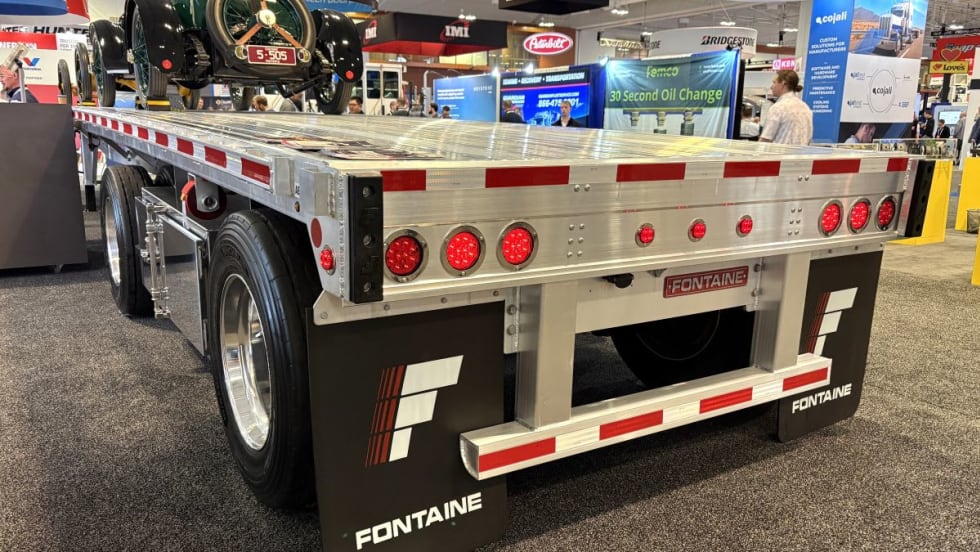
Fontaine Expands Flatbed Lineup with New Fleet-Focused Models, Eyes 2027 Launch
Fontaine is broadening its flatbed lineup with new models aimed at fleets, including a lightweight aluminum trailer expected in 2027 that emphasizes durability, repairability, and lower cost.
Read More →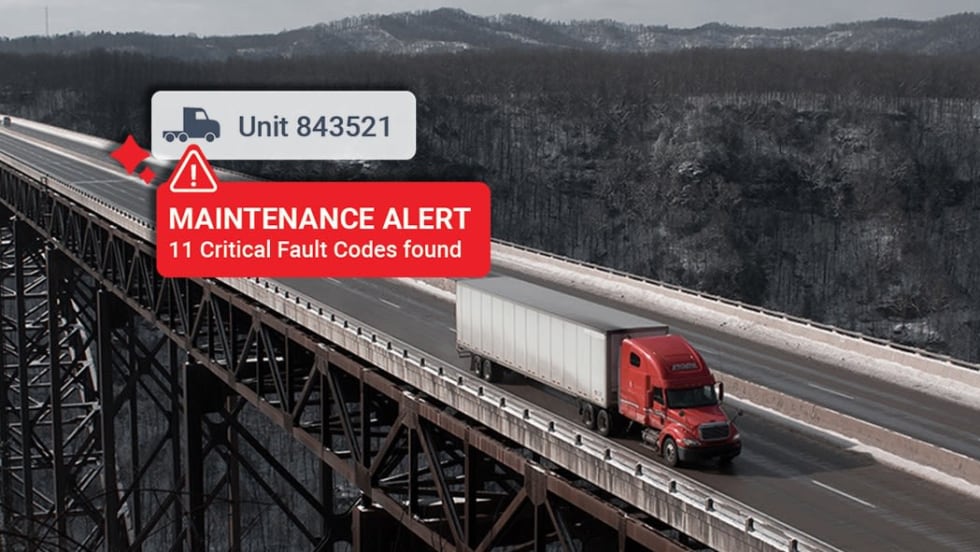
Fullbay Acquires Pitstop to Strengthen AI-Powered Predictive Maintenance
Pitstop AI will use Fullbay's extensive shop data to drive predictive maintenance for trucking fleets and repair shops.
Read More →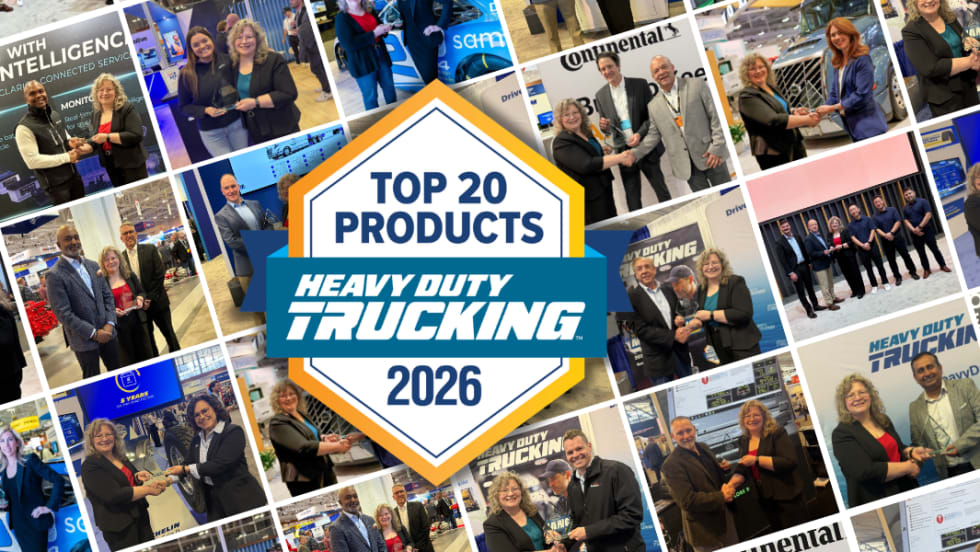
HDT Honors the Best New Products of 2025 at TMC [Photos]
Heavy Duty Trucking's Top 20 Products awards recognize the best new products and technologies. Check out the award presentations at the 2026 Technology & Maintenance Council annual meeting.
Read More →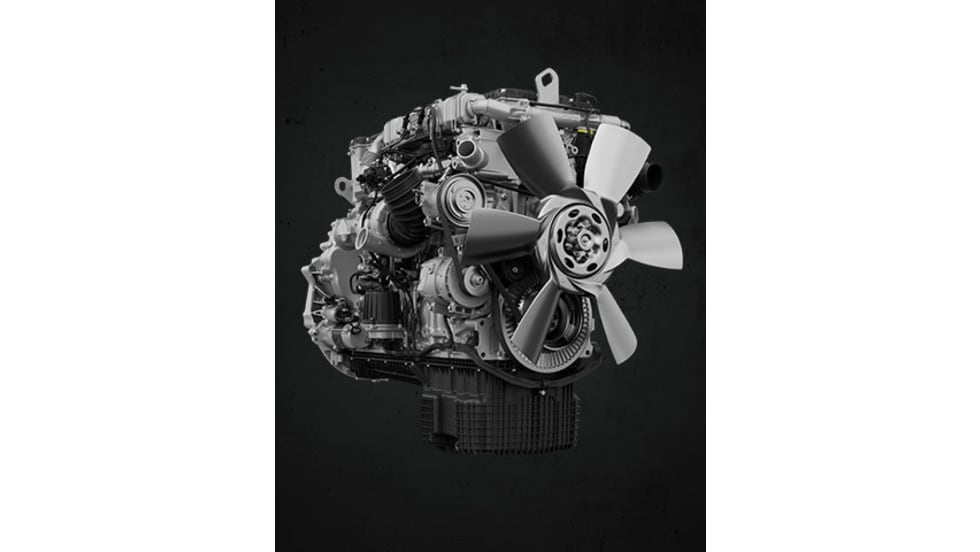
Sponsored•March 31, 2026
Detroit Engines: Trusted Performance, Built for What's Next
The Detroit® Gen 6 engine platform proves that real progress doesn’t require a complete redesign. Built on 20 years of trusted technology, these engines are designed for efficiency, stronger performance, and greater reliability than before. And they do it all while complying with 2027 EPA standards on every mile.
Read More →
EPA Targets DEF Sensor Failures Behind Truck Derates
New guidance allows engine makers to replace problematic DEF sensors with NOx-based systems, aiming to reduce unnecessary derates and downtime caused by failures in the sensors designed to monitor diesel exhaust fluid on trucks.
Read More →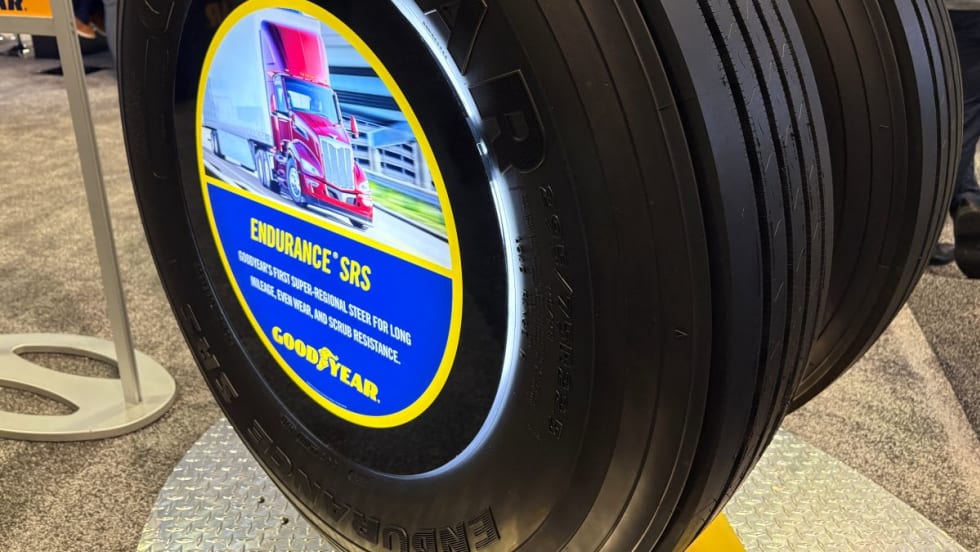
Goodyear Targets ‘Super-Regional’ Sweet Spot with New Steer Tire
Goodyear is preparing to roll out a new steer tire designed to bridge the gap between regional and linehaul for trucking fleets.
Read More →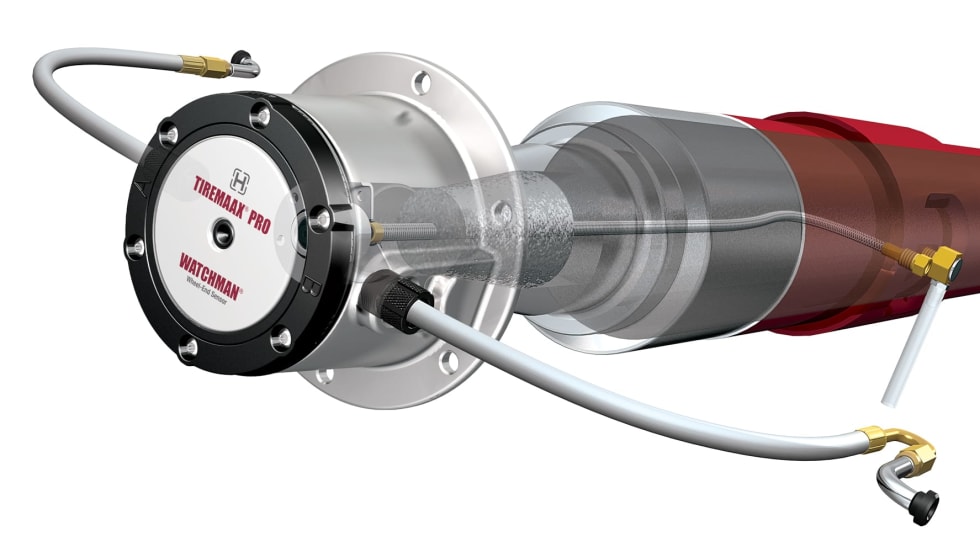
Hendrickson Unveils Watchman Smart Wheel-End System at TMC
Hendrickson’s new sensor platform integrates with its TireMaax system to deliver real-time tire and wheel-end insights, targeting uptime and cost savings.
Read More →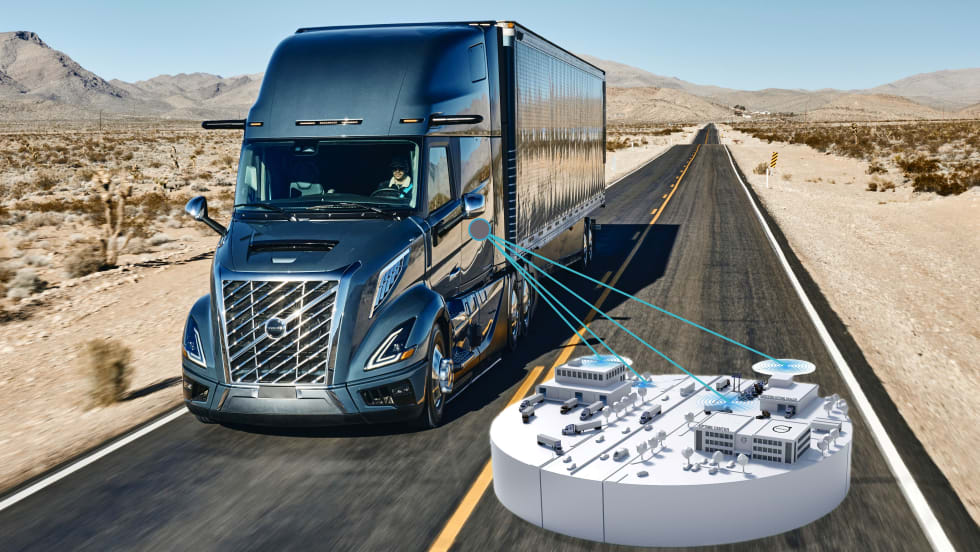
Over-the-Air Updates and the Modern Powertrain Explained
Over-the-air updates are moving beyond recalls, and expanding how fleets manage performance, compliance, and uptime.
Read More →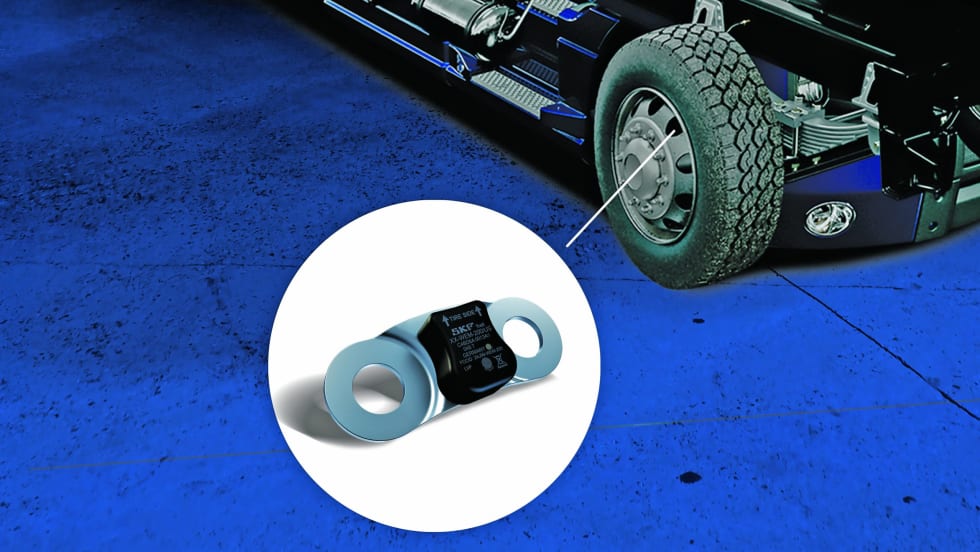
SKF, TMC Expand Hands-On Training to Boost Technician Skills at Annual Meeting
A new partnership between SFK and TMC brings certified, on-site instruction focused on wheel-end reliability and maintenance best practices.
Read More →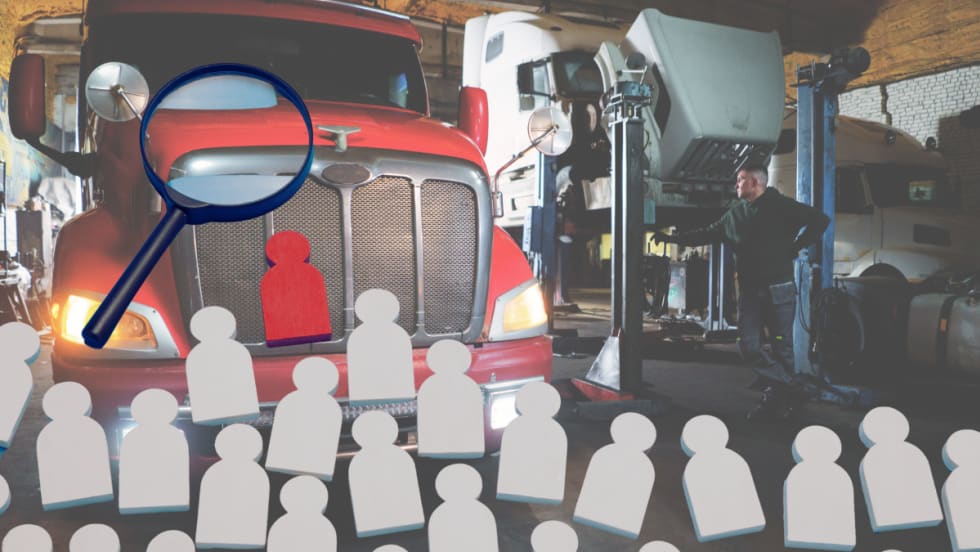
Why Higher Pay Isn’t Fixing the Heavy-Duty Technician Shortage
Hiring heavy-duty truck technicians has become a bidding war, but shops that focus on culture, training, and career paths are gaining an edge. That's the takeaway from a TMC panel discussion.
Read More →