




SKF, TMC Expand Hands-On Training to Boost Technician Skills at Annual Meeting
A new partnership between SFK and TMC brings certified, on-site instruction focused on wheel-end reliability and maintenance best practices.

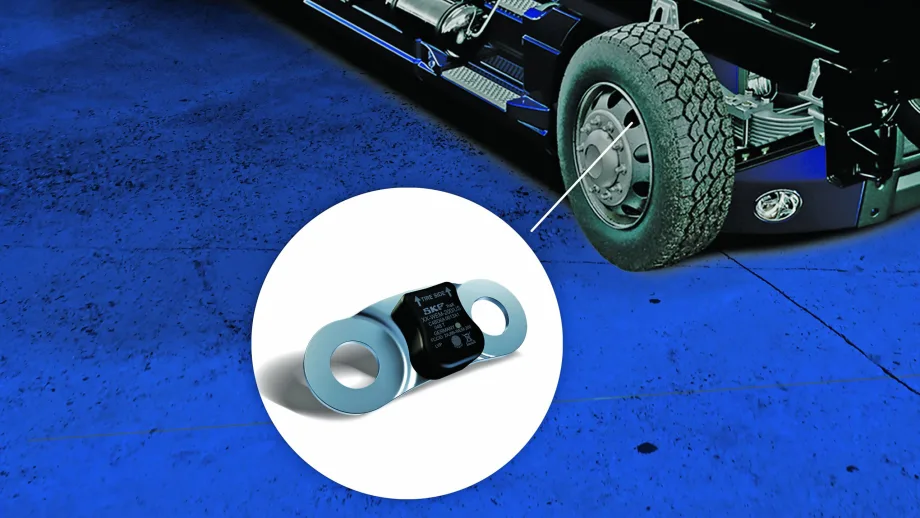
A new curriculum offered by SKF and TMC this year focused on key areas such as inspection, installation, lubrication, and failure prevention for wheel bearings and wheel-end systems. These are components that are critical to vehicle uptime and safety.
SKF
SKF Vehicle Aftermarket is deepening its long-standing relationship with the American Trucking Associations’ Technology & Maintenance Council. A new partnership will saw the company and the organization deliver live, hands-on training sessions during TMC’s 2026 Annual Meeting in Nashville.
The training initiative, held March 16–19 at the Music City Center, was designed to sharpen technician expertise and improve fleet maintenance outcomes, particularly around wheel-end systems and bearing performance.
Longstanding Collaboration With TMC
SKF and TMC have collaborated for years across study groups, task forces, and technical sessions, as well as through contributions to industry standards.
“SKF’s collaboration with TMC spans many years and includes our participation in study groups, task forces, technical sessions, and even contributions to industry maintenance standards,” said Cengiz Shevket, vice president of innovation and business development for SKF reliability solutions, SKF Automotive USA.
He noted that SKF has also played a role in updating TMC Recommended Practices, including a new spindle condition analysis RP currently under review by the TMC Board.
Bringing that expertise directly to technicians at the Annual Meeting, he added, creates a valuable opportunity for both fleets and service professionals.
Focus On Wheel-End Reliability
At the core of the training effort is SKF’s Certified Trouble Free Operation (TFO) program, which combines classroom instruction with hands-on demonstrations.
The curriculum focused on key areas such as inspection, installation, lubrication, and failure prevention for wheel bearings and wheel-end systems. These are components that are critical to vehicle uptime and safety.
By emphasizing practical application, SKF aimed to help technicians better diagnose issues, avoid common maintenance pitfalls, and extend component life.
Training Designed to Improve Uptime
The broader goal of the program was to help fleets improve reliability while controlling maintenance costs.
Through the TFO training sessions, participants earned certifications recognizing proficiency in core maintenance disciplines. The sessions also provided direct access to industry experts, allowing technicians to deepen their understanding of best practices and emerging standards.
SKF said the initiative was intended to equip service professionals with the tools and knowledge needed to maximize uptime. This is an ongoing priority for fleets facing tight operating margins and increasing equipment complexity.
Bringing Education to the Show Floor
By offering on-site training during TMC, SKF said it was meeting fleet owners and maintenance managers where they are. TMC is one of the industry’s largest gatherings focused on maintenance and engineering.
The move reflects a broader trend of bringing more interactive, skills-based education into industry events, helping translate technical standards and theory into real-world application.
For fleets, that could mean faster adoption of best practices and more consistent maintenance performance across operations.
More Maintenance
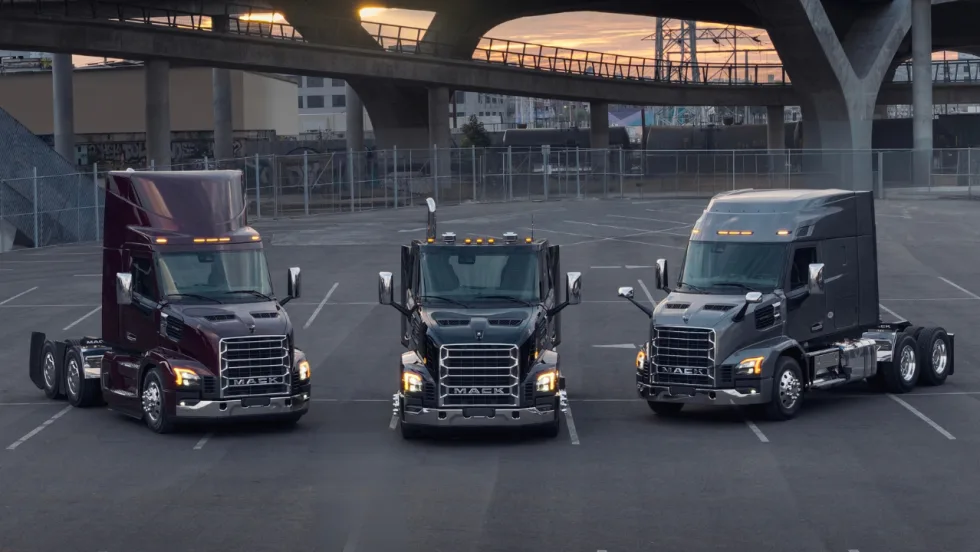
Mack Expands Extended Coverage With Four Chassis System Plans
Mack Trucks' new system-specific coverage options allow heavy-duty fleets to select protection for driveline, cab, HVAC, electronics, and advanced safety components.
Read More →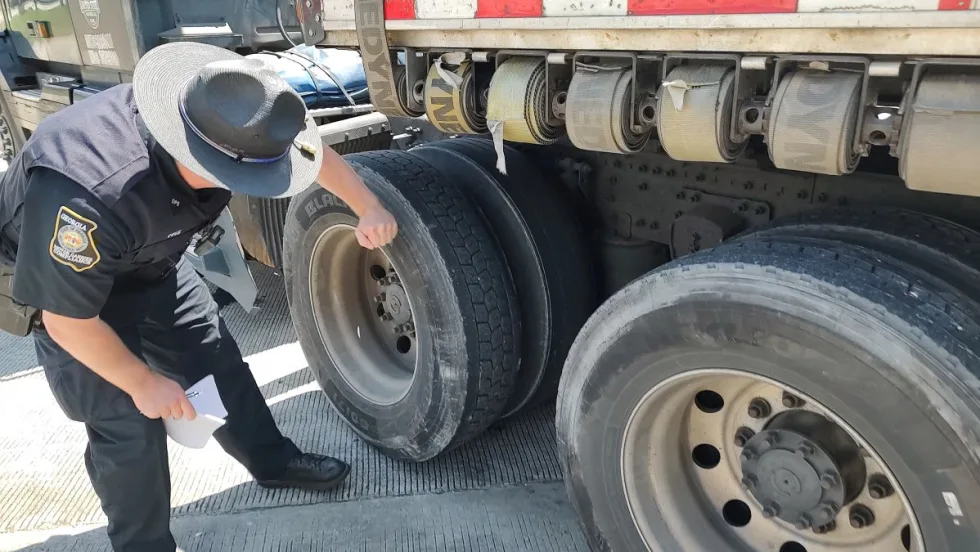
What an Out-of-Service Order Really Costs, and How to Plan for One
The repair invoice is the first number you see — and often one of the smallest. Here’s what else an out-of-service order can cost a fleet, and how planning can reduce the damage.
Read More →
International Launches Online Truck Parts Store
Fleetrite.com lets fleets and repair shops find OEM and all-makes parts, check prices and availability, and order without calling a parts counter.
Read More →

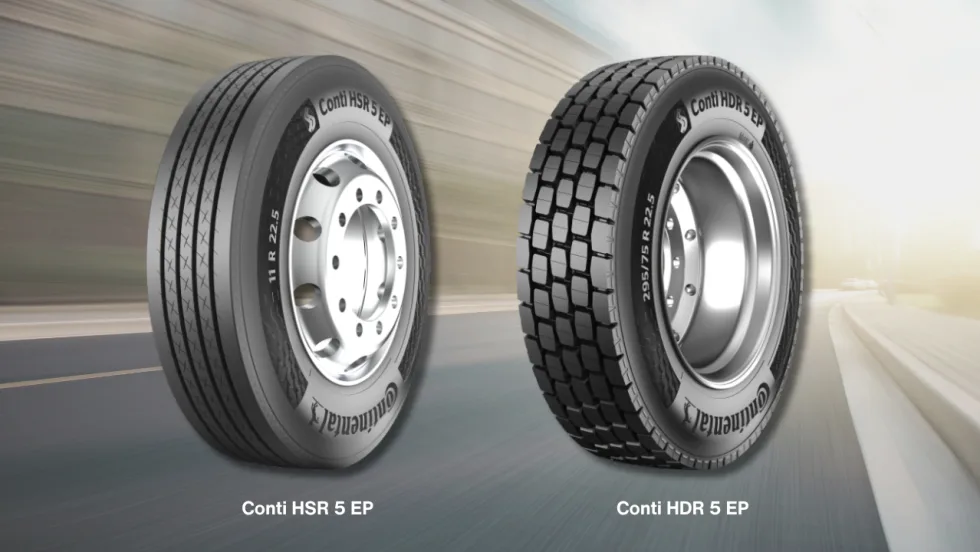
Continental Introduces New Regional Truck Tires
Continental says its new Generation 5 steer and drive tires for regional operations offer longer tread life, with estimated mileage gains of 22% and 19%, respectively.
Read More →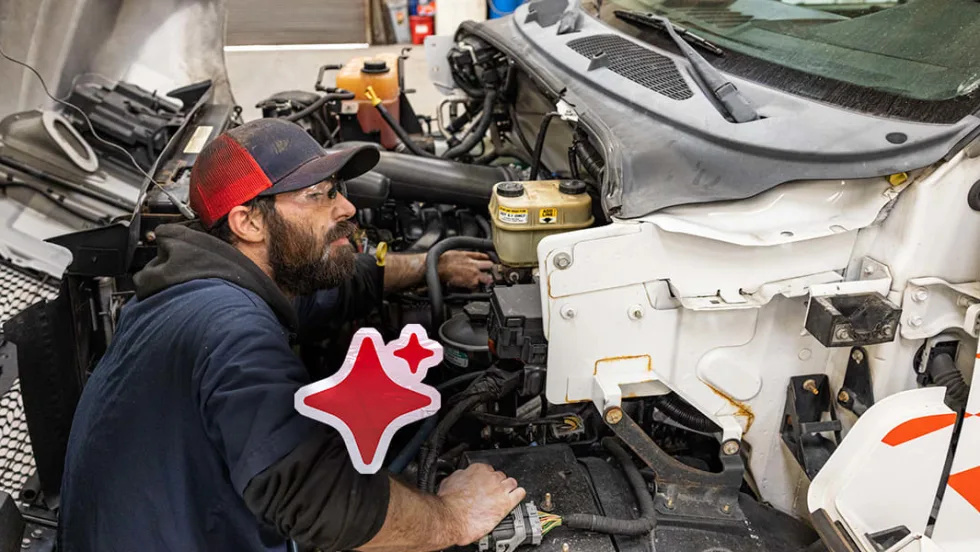
How AI Can Help Your Techs’ Efficiency
The technician shortage isn't going away, and no single fix can close the gap on its own. Trent Broberg makes the case that AI's real job in the shop is protecting the billable hours and job satisfaction of the techs you already have, not asking them to work faster.
Read More →
Color Match Smarter: Tools That Restore & Perform
For fleet managers and collision repair professionals keeping heavy-duty trucks on the road, getting the color right the first time isn't just about appearance — it's about efficiency, turnaround time, and bottom-line results. Discover how today's digital color tools are transforming the repair process from guesswork to precision.
Read More →
Wrong Repair Prompts Recall of Freightliner, Western Star 4x2 Trucks
DTNA is recalling more than 2,400 trucks that received an incompatible software fix instead of the hardware repair required to address brake valve corrosion.
Read More →
Truck Drivers Need More Than Another Alert
Fleets have more visibility into truck health, safety events, and driver activity than ever. The next challenge is turning all that information into useful guidance for the person who has to decide what to do next.
Read More →
The Maintenance Checks Trucking Fleets Should Prioritize Before Fall Freight Picks Up
Making it through August isn’t the same as being ready for the next several months of operation. Find out what systems may have suffered from summer heat and need to be checked out before fall.
Read More →
What Three Fleets Are Doing Differently When Buying Truck Parts in 2026
With freight improving but costs still climbing, fleet maintenance executives explain how they're balancing price, quality, and supplier relationships.
Read More →