




Causes Of Truck Crashes
Drivers are a common factor in most crashes, but truck drivers are at fault more than we thought.


Driver error – not bad weather, not equipment malfunctions or road conditions – is the major factor in most fatal truck/car crashes. We've always assumed that. But the role truck drivers play is much higher than was previously thought.
This was among the findings of the Large Truck Crash Causation Study, released in March. The study was ordered by Congress seven years ago and will fill a big gap in regulators' understanding of truck safety.
The study, which FMCSA conducted with the National Highway Traffic Safety Administration, investigated 967 accidents that took place between 2001 and 2003 at 24 sites in 17 states. Each accident involved at least one large truck and led to at least one death or injury. Investigators recorded up to 1,000 data points on each accident. They got their information from official records, interviews and inspections of the accident scene.
Key findings:
• The study supports the contention that car drivers are more often at fault in car-truck accidents, but not in the 75 percent to 25 percent ratio that is currently accepted.
"In two-vehicle crashes involving a large truck and a passenger vehicle, the passenger vehicle was assigned the critical reason in 56 percent of the crashes and the large truck in 44 percent," the study says.
• The study breaks driver errors into four separate categories. In the non-performance category, which includes drivers falling asleep or physical impairment, car drivers were coded five times more often than truck drivers (15.6 percent to 2.8 percent). In the recognition category, which refers to a failure to recognize the situation due to distraction or faulty observation, truck drivers were more frequently coded than car drivers (35.5 percent to 30.3 percent). In the decision category, which references driving too fast for conditions – following too closely or the like – truck drivers were coded significantly more often than car drivers (42.6 percent to 23.5 percent). And in the performance category, which references overcompensation or poor control, car drivers were three times as likely to be coded (19.3 percent to 6.8 percent).
• Prescription and over-the-counter drug use is a factor in many accidents – more often by truck drivers than car drivers. But illegal drugs and alcohol are hardly a factor at all among truck drivers, while they are a significant factor among car drivers.
• Truck drivers were coded as driving too fast for conditions almost 50 percent more often than car drivers, but car drivers were coded as being fatigued almost twice as often. • Equipment shortcomings, most notably brake failure, were far more common for trucks compared to cars.
FMCSA said the study's database will be available to the public by the end of 2006. This will open up the information to other government agencies, universities, private groups and individuals, the agency said, adding that analysis from many sources "is the best path for realizing the full potential of the (study)." This analysis provides data that has not been collected before, and will give researchers new insights into key safety issues. The information is going to play a significant role in future safety rulemaking at FMCSA.
There are obvious areas where the trucking industry needs work – most notably, truckers speeding and tailgating. These statistics are even more alarming when you look at the findings on truck brake problems. It makes proposals to mandate speed governors on big rigs even more appealing.
And while it's heartening that truckers don't have the serious issues with illegal drug and alcohol impairment that other motorists do, it's disturbing that prescription and over-the-counter medications play a higher role in accidents among truck drivers.
Driving too fast and tailgating while dosed up on over-the-counter drugs in an 80,000-pound rig with bad brakes?
Yikes!
E-mail Deb Whistler at dwhistler@truckinginfo.com
More Fleet Management
Where Electric Trucks Can Charge Now
New depots and truck-stop chargers gave electric trucks more places to plug in in 2026. Here’s where fleets can charge today, how megawatt charging works, and which freight routes to watch in 2027.
 Discuss with peers

Truck Tonnage Slips, Carrier Outlook Improves
For-hire truck tonnage fell 1.8% in October but was higher than a year earlier, and FTR raised its outlook for carriers for at least the next three quarters.

New Independent Contractor Rule Gives Trucking More Clarity
The Labor Department is once again changing how it determines who's an independent contractor. This time, the rule includes specific examples addressing trucking safety requirements, CDLs, and lease-purchase agreements.
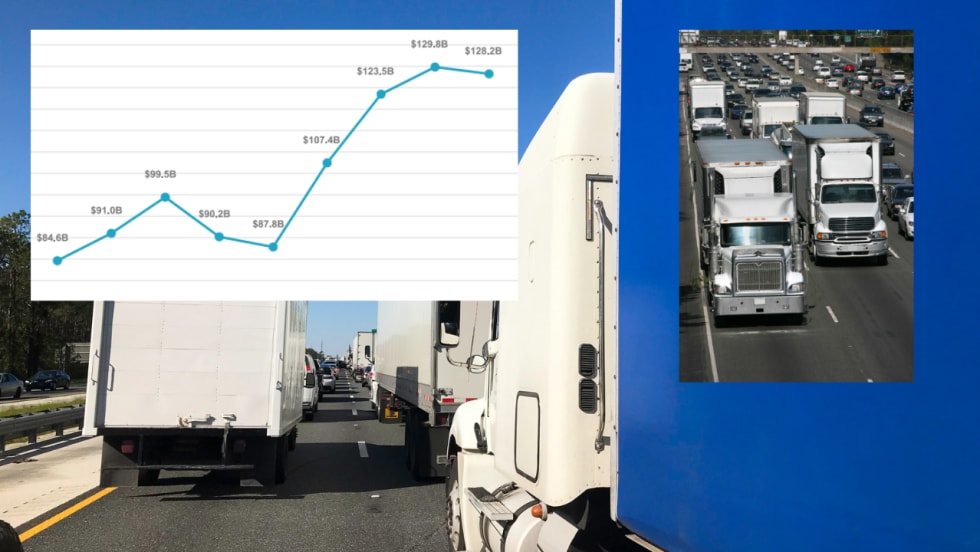
Trucking's Annual Congestion Costs Reach $128.2 Billion
That's the average cost, according to new ATRI research. And the wasted time and diesel are staggering.

How to Modernize Your TMS Without Replacing It [Podcast]
Before investing in a new transportation management system, take a closer look at what you've already got. AI, cloud technology and better integrations may offer ways to improve your trucking operations without starting over.

Could Your Truck's Connected Devices Be a Cybersecurity Risk?
ELDs, telematics systems and driver tablets help fleets operate more efficiently. But every connected device needs protection against cyberattacks.
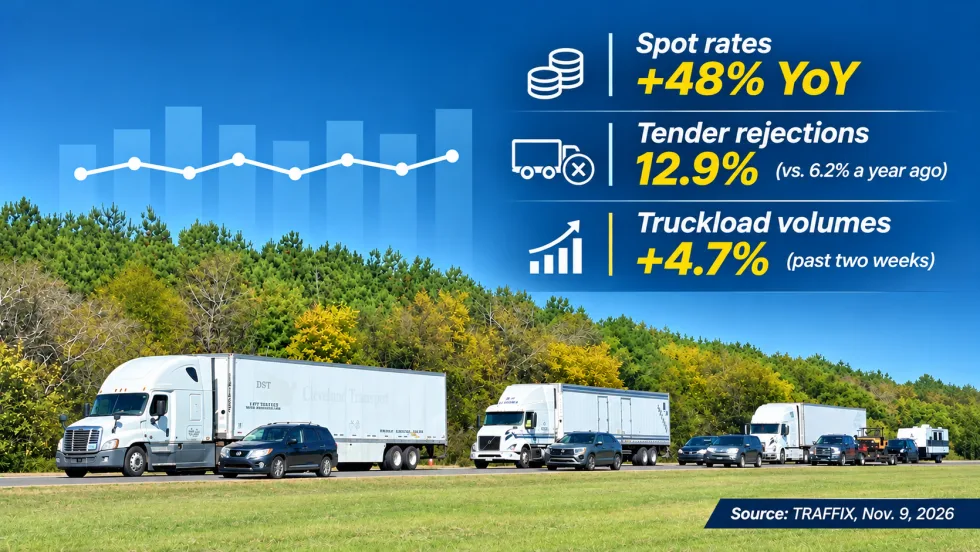
Holiday Freight Meets a Tight Trucking Market
There's no freight boom, but truckload carriers are finding themselves in a stronger position to negotiate rates. And holiday shipping demand could tighten the market further.
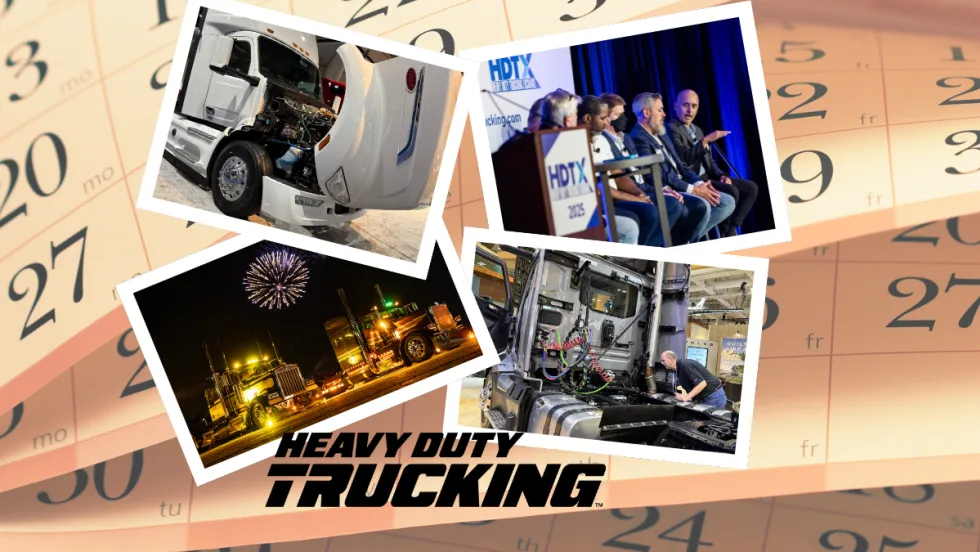
What Trucking Events are Happening in 2027?
Looking for trucking-related conventions, expos, and other events? Heavy Duty Trucking has developed this list of national and larger regional trucking shows and events.
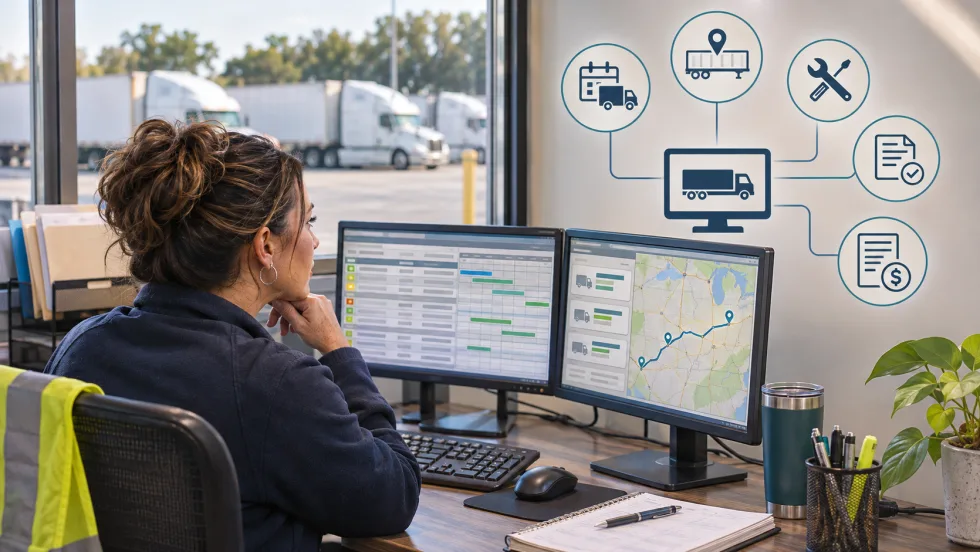
Does Your Trucking Fleet Need a New TMS?
Artificial intelligence and better integrations promise less busywork and more useful data. Can your TMS help your company solve problems? Do you need additional vendors or an upgrade? Or is it time to look for a new platform?
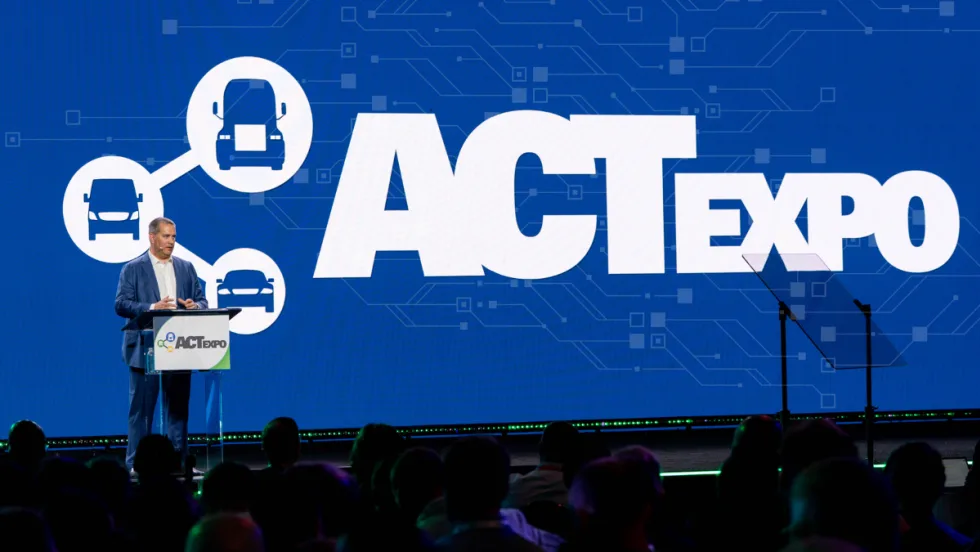
Fleet Costs Shape ACT Expo 2027 Agenda
With diesel prices high and operating expenses under pressure, ACT Expo's 2027 agenda emphasizes fuel efficiency, AI, safety and the return on fleet technology investments.