




Does anyone remember the days when the only time we thought about high diesel fuel prices was when OPEC decided to mess with us? Fuel cards use to be handed out and drivers would fuel at any place they wanted.
Fleet Management and Fuel Savings
Does anyone remember the days when the only time we thought about high diesel fuel prices was when OPEC decided to mess with us? Fuel cards use to be handed out and drivers would fuel at any place they wanted
by Glen Sokolis, Sokolis Group
October 1, 2010
5 min to read
Unfortunately, it still does happen at a few companies. Back in the old days no one really paid attention to fuel management. It wasn't that important. But today, fuel management better be part of the picture, or companies just won't get the fuel savings that they should be.
Some people say you can't control your fueling or diesel fuel prices. We say, sure you can. The answer is fuel management as part of your fleet management for your company.
Any company can improve their fleet fuel efficiencies. It takes work and commitment from everyone in the organization, and from both direct and indirect suppliers. But with proper fuel management system in place, your diesel fuel prices will go down.
We believe with the tips below as well as a solid fuel card program, your fleet manager will see the difference.
Ten Ways to Cut Fuel Costs
1. Jackrabbit starts waste fuel and save less than 3 minutes per hour driving, but can result in using 40 percent more fuel. That is not going to help your fuel savings or help your on-time delivery. Teach your drivers to take it easy.
2. Speeding is dangerous, wastes fuel and creates higher levels of toxic emissions. Speeds over 60 mph drastically impact fuel efficiencies. Trucks travelling at 75 mph use 50 percent more fuel and they also emit twice the carbon monoxide, 50 percent more hydrocarbons and 31 percent more nitrogen oxides. If those numbers don't make you want to put a speed limiter on your trucks, I don't know what will. If you think saving a couple of cents on your diesel fuel prices is big, wait until you put this in place.
3. Be aware of the time truck engines idle. Excessive idling adds to your fleet fuel costs by as much as 50 percent and can shorten the life of engine oil by 75 percent, adding more costs. Initiate a campaign to reduce idling time and reward participants. Allowing an engine to idle more than 3 minutes harms efficiency, shortens engine life and increases maintenance costs. It all adds up to big savings if you handle your fleet management correctly.
4. Extra weight places unnecessary strain on your vehicle's engine and greatly affects its fuel efficiency. By removing as little as 100 pounds you can significantly improve your miles per gallon.
5. Proper tire inflation improves fuel mileage. Statistics show improperly inflated tires can cost up to 2 weeks worth of fuel per year! In addition proper inflation results in improved vehicle and braking performance, and increases tire life.
6. Whenever possible, invest in modern, fuel-efficient vehicles. Modern diesel engines are far more fuel-efficient and perform better with modern diesel fuels such as ultra low sulfur diesel, biodiesel and diesel fuel additives. Though it may seem expensive, new diesel vehicles can save thousands of dollars in maintenance, fueling and productivity per vehicle. Replace and upgrade your equipment regularly. It may hurt now, but it will pay you back when you look in your fleet management program.
7. You can't improve what you don't measure. You can measure and your fleet management program better when you have the right information. Tracking miles traveled, average speed and engine efficiency is critical to cutting fueling costs. This information will help your drivers and managers optimize routes with better planning. Mapping software and GPS will eliminate thousands of unnecessary miles per week. Less time on the road means less fuel consumed, less wear on vehicles, decreased expenditures and overall increased productivity, which will lower your overall operating ratios.
8. Does your company have a solid preventive maintenance program? Many companies "fix it when it breaks." A well-maintained vehicle performs better, improves fleet fuel efficiency, reduces toxic emissions and, in the long run, will cost less to maintain.
9. It starts with the people who have their foot on the gas pedal. Your drivers can control fuel consumption each time they fire up their engines, and proper training can improve fuel efficiency, economy and emissions. Hard acceleration, speeding and idling are the biggest causes of fuel waste. Initiate a training course for drivers and reward participation.
10. Have a fleet manager or an outside fuel management company that are experts in diesel fuel prices, fleet management services, fuel cards, diesel fuel additives, fuel cards, mobile fueling and have relationships with fueling companies. When you can have an expert on your staff with fueling knowledge, your company will see more fuel savings through any of the methods above or with fleet credit card to provide fleet management solutions.
Until next time, go start your fuel savings by following these tips. You also might want to consider a better fleet card, diesel fuel additive, shop for lower diesel fuel prices. And you can't go wrong with a good fuel management system.
Glen Sokolis is president of Sokolis Group, a nationwide fuel management and fuel consulting company, www.FuelManagementSokolisGroup.com. You can reach him at gsokolis@sokolisgroup.com or (267) 482-6160.
Recent installments of "Friday Fuel:"
* Are Fuel Storage Tanks The Right Choice for Your Fleet?" 9/17/2010.
* "Are You Comparing Apples to Apples on Fuel Prices?" 9/10/2010.
* "Fuel Management and Seven Tips for Putting Together an Effective Fleet Fueling Program," 9-3-2010.
* "Cheap Diesel Fuel Prices? A Distant Memory", 8-27-10
* "Fleet Fuel: A Look Back and a Glimpse Ahead", 8-6-10
* "Fuel Management When You Least Expect It", 7-2-10
* "Life Is Like Fuel Management: You Never Know What You're Going to Get", 6-11-10
* "Take the Wild Card Out of Fuel Management", 5-28-10
Subscribe to Our Newsletter
More Fleet Management

HDT Honors the Best New Products of 2025 at TMC [Photos]
Heavy Duty Trucking's Top 20 Products awards recognize the best new products and technologies. Check out the award presentations at the 2026 Technology & Maintenance Council annual meeting.
Read More →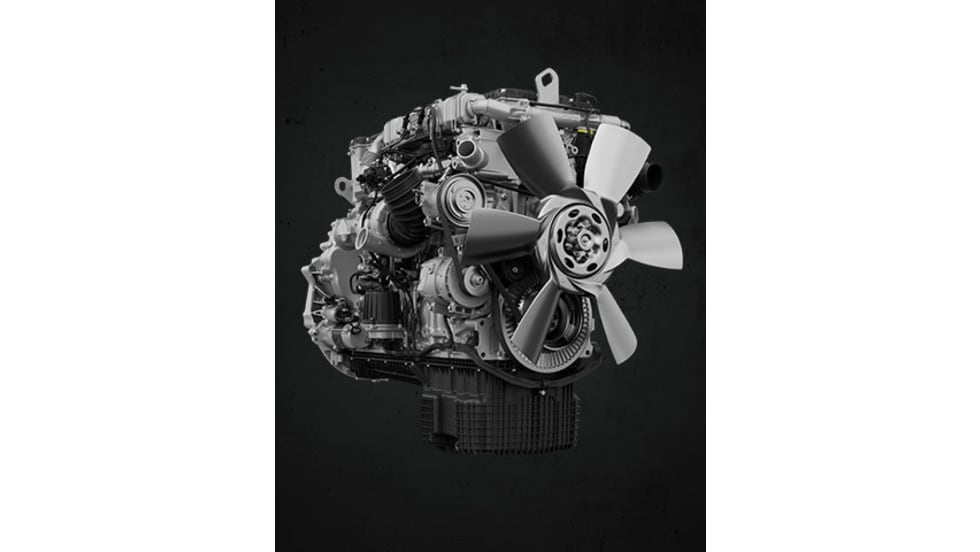
Sponsored•March 31, 2026
Detroit Engines: Trusted Performance, Built for What's Next
The Detroit® Gen 6 engine platform proves that real progress doesn’t require a complete redesign. Built on 20 years of trusted technology, these engines are designed for efficiency, stronger performance, and greater reliability than before. And they do it all while complying with 2027 EPA standards on every mile.
Read More →
Q&A: What's Real in Advanced Truck Tech? ACT Expo's Erik Neandross Weighs In
The 2026 ACT Expo is focusing heavily on what organizer Erik Neandross calls trucking's digital frontier. This interview excerpt dives into artificial intelligence, zero-emission vehicles, and tips to make sense of it all.
Read More →
Trucking's Digital Frontier: AI, Connected Vehicles, Alternative Fuels and More
There's an amazing amount of new technology for trucking out there. For fleets, the challenge is figuring out what’s real, what’s hype, and what’s worth investing in.
Read More →
What's Real in Advanced Truck Technology? ACT Expo's Erik Neandross Weighs In
Artificial intelligence, the software-defined vehicle, telematics, autonomous trucks, electric trucks and alternative fuels, and more in this HDT Talks Trucking interview
Read More →
ACT: Trucking Volumes Rise, Capacity Tightens as Fuel Prices Cloud Outlook
ACT Research data shows volumes hitting a four-year high and supply-demand balance strengthening, but higher oil prices are undercutting tariff relief and tempering optimism.
Read More →
Wabash Teams Physical Security With Digital Tech For Better Cargo Visibility
The patent-pending cargo solution integrates a digitally connected cargo door and an intelligent locking system with the TrailerHawk.AI technology platform.
Read More →
From Diesel Prices to Cyberattacks: How the Iran War Is Affecting Trucking
The impact of the Iran conflict extends beyond fuel costs, bringing more fraud and cybersecurity risks to the trucking industry.
Read More →
ATA’s Spear Warns Fuel Prices, Trade Policy, and Global Conflict Could Stall Trucking Recovery
Speaking at the TMC Annual Meeting in Nashville, ATA President Chris Spear said trucking faces mounting pressure from rising fuel prices, geopolitical instability, and uncertainty around trade policy.
Read More →
New Entrants, Chameleon Carriers, and Safety: Is It Too Easy to Start a Trucking Company?
More than 100,000 new trucking companies enter the industry each year, but regulators manage to audit only a fraction of them. That churn creates opportunities for inexperienced startups — and for “chameleon carriers” that shut down after safety violations and reappear under new identities. Read more from Deborah Lockridge in this commentary.
Read More →