




Fleet Fuel: A Look Back and a Glimpse Ahead
What a difference eight years makes in the world of fleet fuel. In May 2002 the average diesel fuel price was $1.30 a gallon and the percentage of that price collected in federal and state fuel taxes was 37 percent

What a difference eight years makes in the world of fleet fuel. In May 2002 the average diesel fuel price was $1.30 a gallon and the percentage of that price collected in federal and state fuel taxes was 37 percent.
At that price many of us complained about the high cost and the high tax rate. As the price of fuel rose through the years, taxes remained relatively stable in most states based upon a cents per gallon tax rate. Throughout the subsequent years as the price of fleet fuel increased, the tax rates as a percentage shrank to less than 10 percent of the total cost of fuel in July 2008 when diesel hit its all time high of $4.70 a gallon, to the current rate of 15 percent in May when the average national price was $3.06.
Legislators, both at the federal and state levels, have always been reluctant to increase these fleet fuel taxes to protect their electability. After all they would be vilified if they were to even suggest such increases when the cost of fuel was skyrocketing. This inaction combined with more fuel efficient vehicles such as hybrids and more and more electric vehicles has lead to a dilemma, substantially decreased revenue to fund highway and public transportation programs. Federal, state and local governments are not immune to the impact the high cost of fleet fuel has on their operations. Like any fleet operations, large or small, their diesel fuel prices have substantially increased. Combining the high cost of fuel and the greatly reduced revenue from less fuel being consumed means that cuts have to be made somewhere to remain solvent, if there is such a thing as solvency for a government entity.
Discussions now focus on a fair and equitable way to insure that enough tax revenue will be collected being that the cents per gallon fuel tax may be a thing of the past. Increased fuel efficiency for both cars and trucks means more miles traveled on highways while paying less to the governments to travel those miles. Fuel efficiency will continue to greatly improve over the next few years, exacerbating the problem unless drastic changes are made in the taxing structure.
Department of Energy (DOE) Chairman Chu announced in January awards totaling more than $115 million being made to Cummins, Navistar and Daimler Trucks of North America for three projects that will focus on cost-effective measures to improve the efficiency of Class 8 long-haul freight trucks by 50 percent. An additional six awards were made to improve automobile fuel efficiency by 40 to 50 percent by 2015. Considering all of these factors we can clearly see the shrinking fuel tax revenue.
We've looked back, looked at the present; now let's take a glimpse into the future. What is the most fair and equitable way to collect enough fuel tax to fund all of the highway and public transit projects? How do you tax alternative fuels such as electricity or hydrogen? Hydrogen is easy since it would be doubtful anyone could refuel their car at home so it could be taxed at the pump the same way fuel is currently taxed. Electricity presents a different problem since it is readily available almost anywhere. Do you equip the car so it can only be fueled through a specific charger and meter so that it could be taxed by kilowatt hours used? Should fuel be taxed on a percentage basis rather than a cents per gallon basis? Another option that is on the table is the Vehicle Miles Traveled (VMT) tax, which would track miles traveled using onboard GPS and tax according to class, type of road and when they drive. Regardless of the system chosen, we know something must be done to make up for the revenue shortfall. If not, be prepared for continued bad highways, falling bridges and delayed projects.
I don't think any of us want to pay more for in our diesel fuel prices or gas prices but if road conditions were better meaning wider roads, less bottlenecks, less potholes, etc., how much fuel, labor time and truck repair cost would we save? Until next time, keep thinking about your fuel management systems and if they are working.
Glen Sokolis is president of Sokolis Group, a nationwide fuel management and fuel consulting company, www.FuelManagementSokolisGroup.com. You can reach him at gsokolis@sokolisgroup.com or (267) 482-6160.
Previous installments of "Friday Fuel:"
* "Successful Fuel Management Program Equals Discipline", 9-11-09
* "Who's Watching Your Fuel Program," 9-18-09
* "Fleet Fuel Margins: Are You Paying Too Much?" 9-25-09
* "How Do You Audit Your Fleet Fuel Invoices?" 10-2-09
* "Fleet Fuel Price Negotiating: Details, Details", 10-9-09
* "Mobile On-Site Fueling", 10-16-09
* "The Bees Are Still Buzzing: Handling Fuel on a Daily Basis", 10-23-09
* "Fleet Fuel Card Shopping", 10-30-09
* "Is Your Fuel Management Ready for Winter?", 11-6-09
* "Don't Let the Weather Freeze Your Deliveries", 11-13-09
* "Fuel Management or Fuel Inventory? That is the Question", 11-20-09
* "Put Your Fleet Fueling Policy in Place For 2010, Part I", 12-4-09
* "Put Your Fleet Fueling Policy in Place For 2010, Part II", 12-11-09
* "Be Safe, Not Sorry With Fuel Management During the Holidays", 12-18-09
* "Looking Back: 2009 Fuel Management in Review", 12-23-2009
* "Oil's Ups and Downs", 1-8-2010
* "Why Oil Does What It Does When It Comes to Prices", 1-15-2010
* "Controlling Fuel Efficiency When Fuel Prices Are Unpredictable", 1-22-2010
* "The Motivation Behind Mobile Fleet Fueling", 1-29-2010
* "Fleet Fuel Prices: What are They Now?", 2-5-2010
* "Fuel Management Lost at Sea," 3-5-10
* "Spring is in the Air.....and There's Water in my Tank!", 3-19-10
*
More Fleet Management
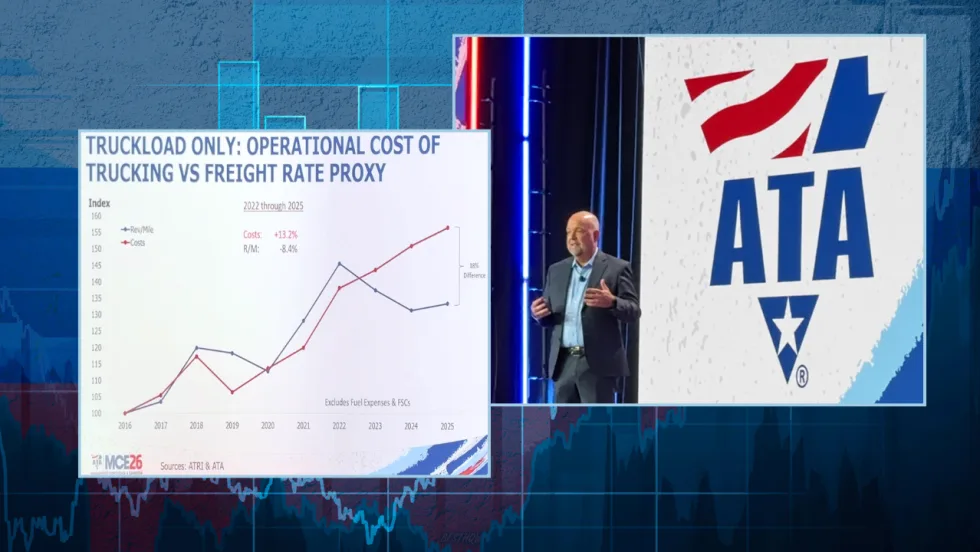
Why This Trucking Recovery Is Different
Freight demand remains sluggish, but rising costs and tougher enforcement have taken enough capacity out of the market to change the outlook for motor carriers.
Read More →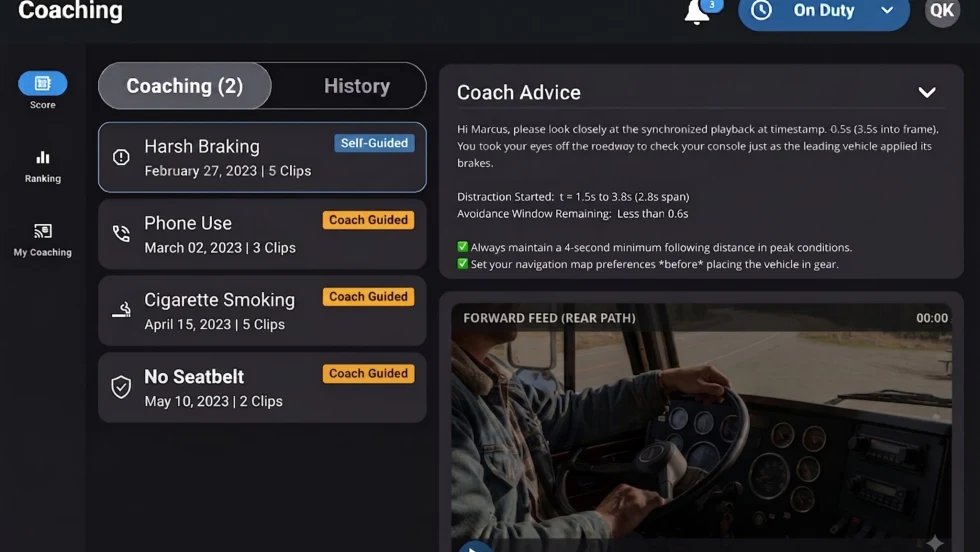
Platform Science Adds Dispatch and Safety Tools
Four additions to PS Fleet help fleets monitor loads, manage driver coaching, share truck locations and adjust video system settings.
Read More →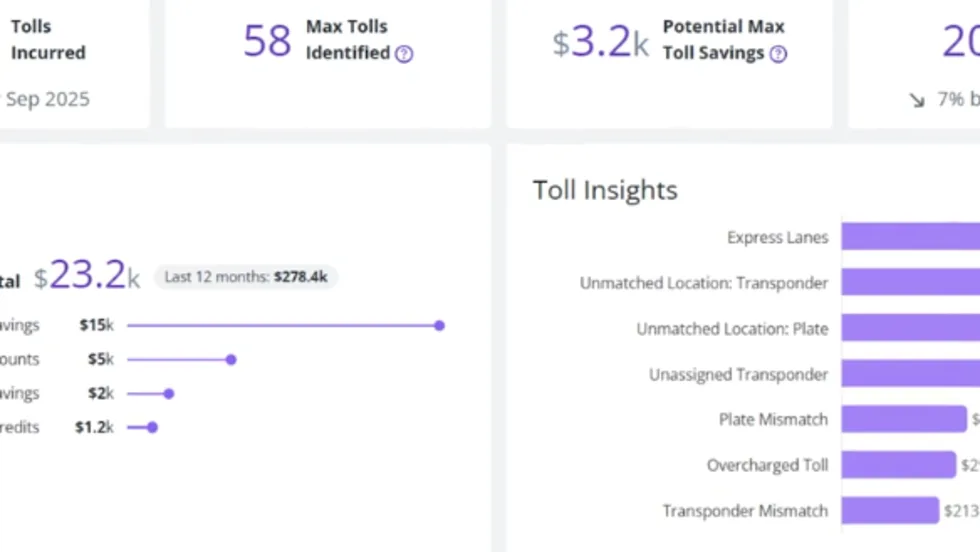
PrePass Intelligence Mines Fleet Bypass, Toll and Safety Data
PrePass Intelligence helps fleets measure bypass savings, flag potential toll overcharges, and spot suspicious transactions by combining data from separate systems.
Read More →
Motive Adds AI Agents for Fleet Operations
New tools automate follow-up on fleet data, from maintenance work orders to driver alerts, with two-way voice conversations planned for later this year.
Read More →
Can You Beat Our Trucking Trivia Challenge?
Test your truck knowledge with 19 trivia questions from Heavy Duty Trucking Exchange. Can you keep up with the fleet pros?
Read More →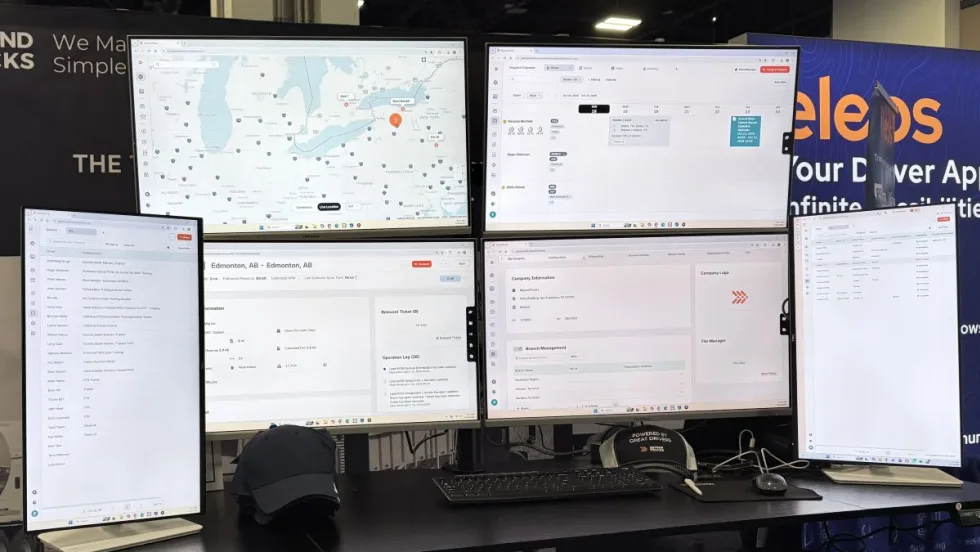
BeyondTrucks Adds Rules Checks to Dispatch
New Compatibility Engine checks driver qualifications, equipment requirements and fleet policies before loads are dispatched.
Read More →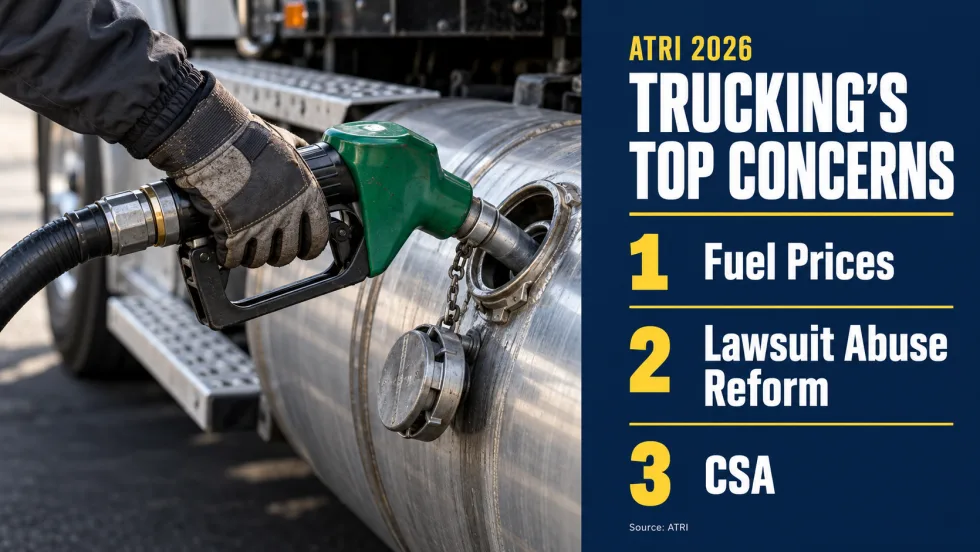
Diesel Prices Hijack Trucking’s Worry List
ATRI’s annual survey finds cautious optimism about freight, but diesel costs, litigation, and insurance continue to squeeze fleets. Drivers have different priorities on several issues.
Read More →
Nomination Deadline Extended for HDT Emerging Leaders
Just a few more days to nominate accomplished trucking fleet professionals under 40 who are making an impact and helping lead the industry forward for the HDT Emerging Leaders award. Deadline extended to October 20!
Read More →
What Will ATA’s New Leader Bring to Trucking's Table?
Incoming President and CEO Mark Colson’s record in Alabama offers clues about his priorities and approach following Chris Spear’s abrupt departure as the head of the American Trucking Associations.
Read More →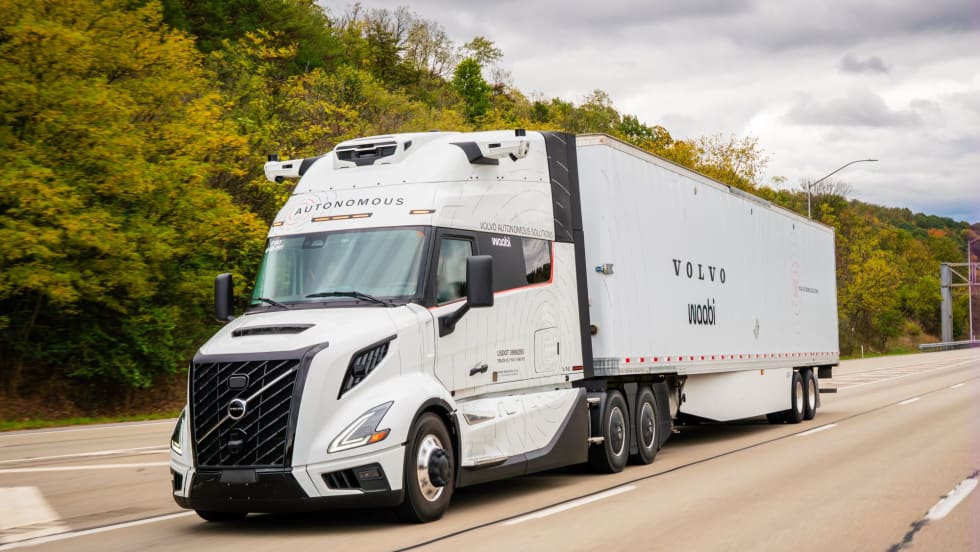
Volvo, Waabi Start Commercial Autonomous Operations in Texas
Volvo VNL Autonomous trucks, powered by the Waabi Driver, are hauling freight directly to third-party facilities for a customer in Texas.
Read More →