



Trucking technology innovator TMW Systems announced that it is developing its own blockchain software system with an eye toward launching it next year.
 MENU
MENU SEARCH
TMW Systems says it is developing a new blockchain system for trucking with the potential to create a transparent, secure, real-time logistics matrix that could save the industry as much as $80 million a year.
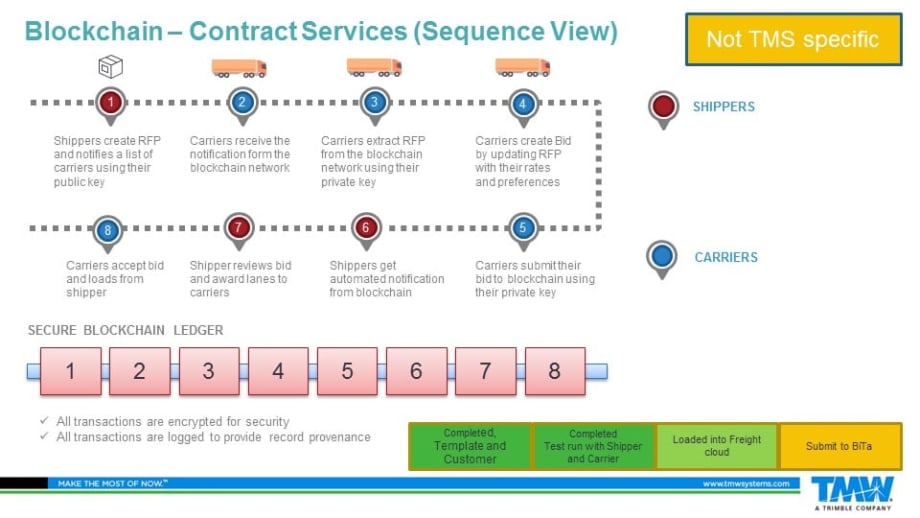
This graphic shows how a blockchain logistics chain develops as new conditions and terms of the contract are added during a shipment. Graphic: TMW Systems
Trucking technology innovator TMW Systems announced that it is developing its own blockchain software system with an eye toward launching it next year.
The announcement came last week during an online presentation featuring Timothy Leonard, executive vice president of TMW Systems, outlining blockchain technology for trucking journalists and explaining the potential for this new technology to create completely transparent logistics agreements based on real-time data and encrypted, two-party agreements.
Other logistic companies today, UPS and Walmart, to name a couple, use proprietary blockchain systems to power their logistics networks. Leonard says TMW’s system, which has been in development for about 9 months now, will feature both private, encrypted, systems designed to connect shippers and carriers that subscribe to the new service. But in addition, Leonard says, the TWM system will be designed to connect with outside blockchain and vehicle communications and telematics systems, in order to create a virtual matrix of logistics agreements and information – much of which will be accessible to nonsubscribers, as a means of exponentially empowering connected programs and networks to facilitate and expedite logistics worldwide.
Leonard noted during the presentation that considerable confusion surrounds the blockchain concept, which is often associated with online, electronic currency systems such as Bitcoin and Ethereum. But, in reality, he explained, blockchain is a modern, internet-based ledger system – similar to a transaction-focused database, that connects interested parties and enables secure transactions in an open system that is not owned or controlled by any single party.
Leonard says he views TMW as more of a “host,” of the blockchain system currently under development and would only track the progress of the contract as a new logistics transaction is created and takes shape. “If you think of the process of moving a product from Point A to Point B as a logistics chain, then each agreement the shipper and carrier agree upon as that business deal comes together, is another “block,” or link, in that chain,” Leonard explained in a follow-up interview this week. “The initial agreement between the shipper and the carrier is the first block in the chain. And both parties have encryption “keys,” that enable them to look at the agreement whenever they wish to see the associated contractual details. In this way, blockchain provides transparency and new levels of security and trust. As the logistics train gets underway and the product begins moving toward its final destination, each new agreement or transaction that comes up becomes a new block in the chain.”
At the same time, Leonard added, the blockchain system itself constantly checks on each new transaction and ensures that it meets all the requirements laid down in each early block in the chain, as well as meeting all known rules and regulations pertaining to the shipment – everything from hours of service, various federal laws concerning commerce, the temperature of perishable foods, fuel charges down to delivery methods and times can easily be plugged into the chain with full, any-time, transparency available to all concerned parties. Once the delivery is made, the system can then delivery almost immediate payment to the shipper.
The beauty of the system, Leonard adds, is that it can essentially serve as the internet-based foundation for real-time supply chain transparency, with virtually every aspect of fleet and logistics operations – including delays due to traffic, accidents or weather – eventually becoming part of the system.
For now, Leonard said, TWM is focused on three main areas of development for its blockchain system: RFP, bids and awards, EDI transactions and parts warranty and vehicle service records, with additional operational factors to be added later on.
Leonard said he – and TMW – believe the system will be a transformational for the trucking, ultimately handling up to 500,000 transactions a week and saving the industry between $60 and $80 million in operational costs.

The American Transportation Research Institute will examine driver coaching, regulatory impacts — including the "Beyond Compliance" concept —and weather disruptions that shape trucking operations.
Read More →
Fleet Advantage's Brian Antonellis says it's time for fleets to get back to the fundamentals of good maintenance practices. And that includes replacing older, inefficient equipment.
Read More →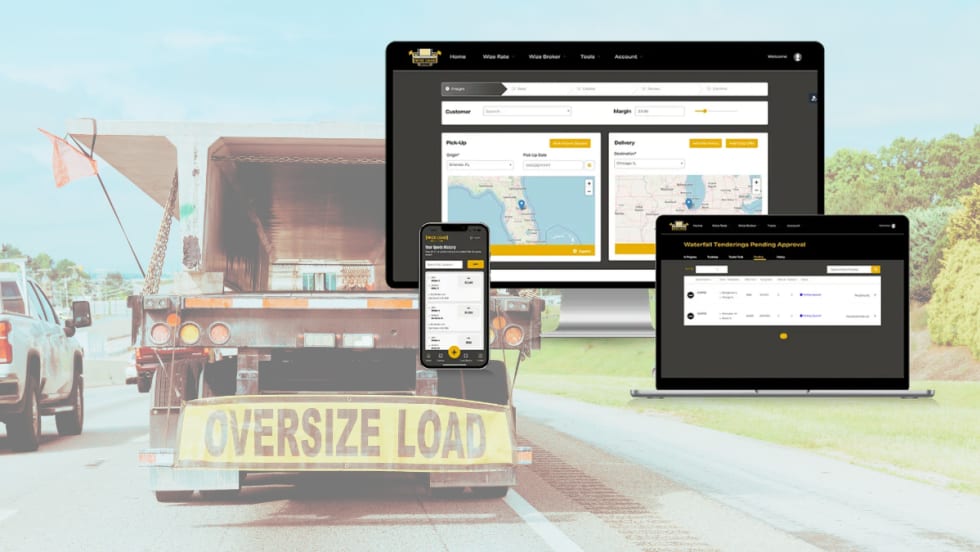
Load matching for flatbed, lowbed, oversize and overweight loads can't be automated like basic van freight, but Truckstop.com is adding more high-tech tools to help.
Read More →
An expanded Trucker Path and Truckstop.com integration brings more freight opportunities into the TruckLoads app while emphasizing security and network quality.
Read More →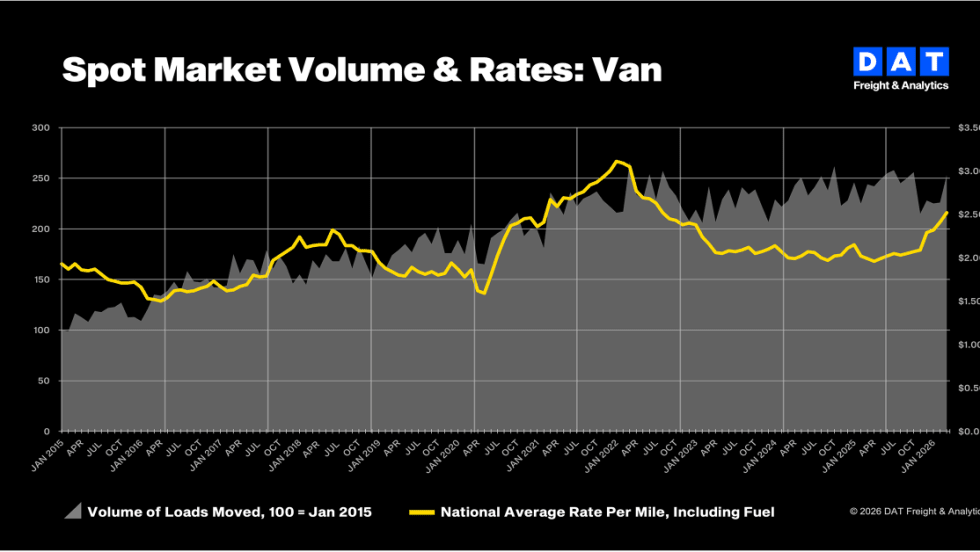
Strong March freight demand combined with a spike in fuel costs pushed both spot and contract truckload rates to their highest levels in more than two years.
Read More →
Everyone’s talking about AI — but is your transportation management system actually built for it?
Read More →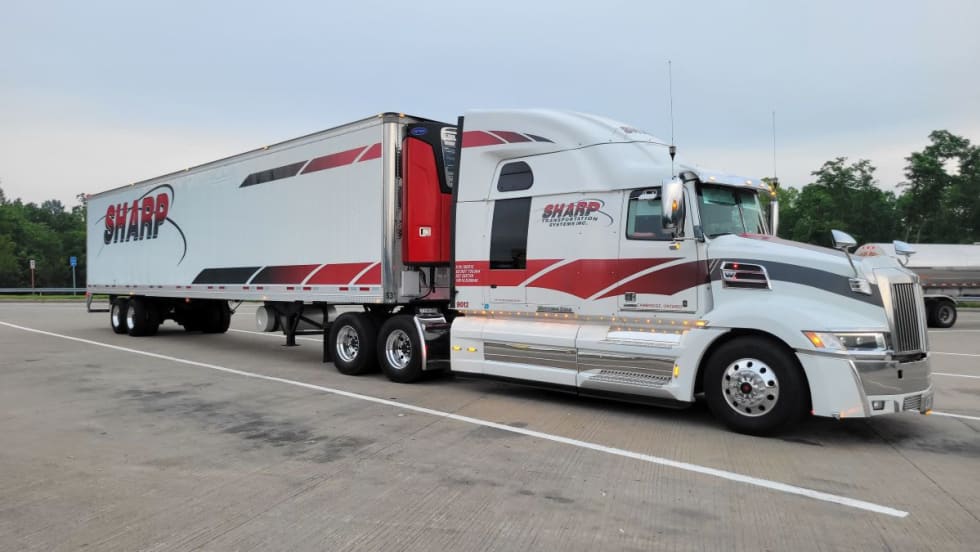
Being part of KTG will allow Sharp to expand and improve its services.
Read More →
The Fair Compensation for Truck Crash Victims Act would increase insurance requirements for interstate motor carriers by nearly seven times.
Read More →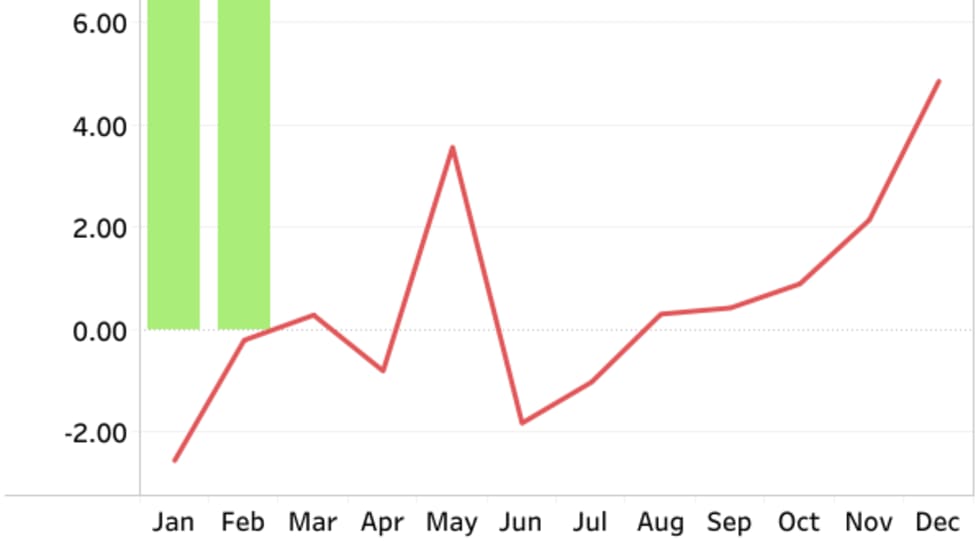
Strong freight rates push TCI to 10.2, but FTR expects fuel-price volatility to skew March results.
Read More →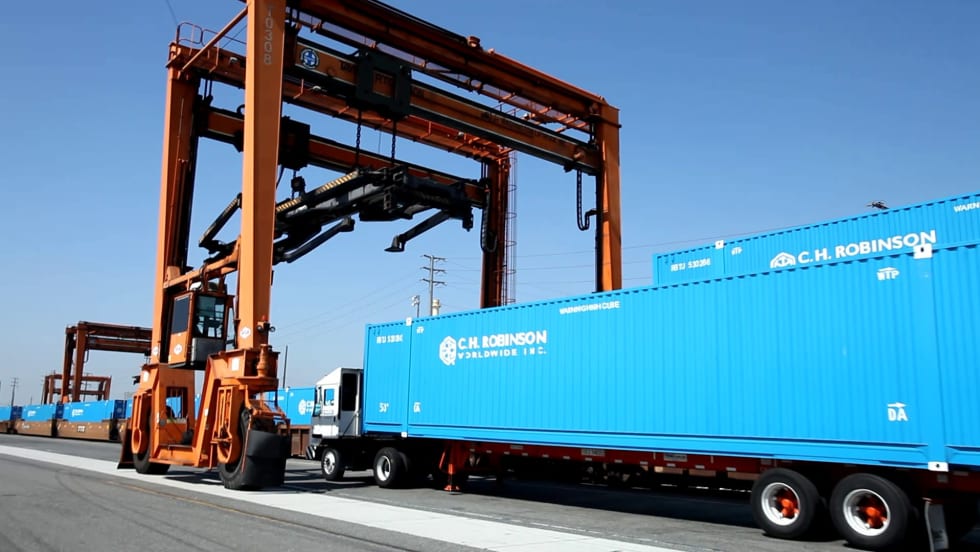
C.H. Robinson is waiving fees on fuel cards and cash advances for April and May, aiming to help carriers offset rising diesel costs tied to geopolitical instability.
Read More →