




Related: Southern California Ports Plan for Zero-Emission Trucks
Carrier Transicold Offers Greener Refrigerant Option
Carrier Transicold has announced that it will be offering the more environmentally friendly refrigerant R-452A as an alternative for use in its truck and trailer refrigeration systems later this year.
by Staff
July 28, 2017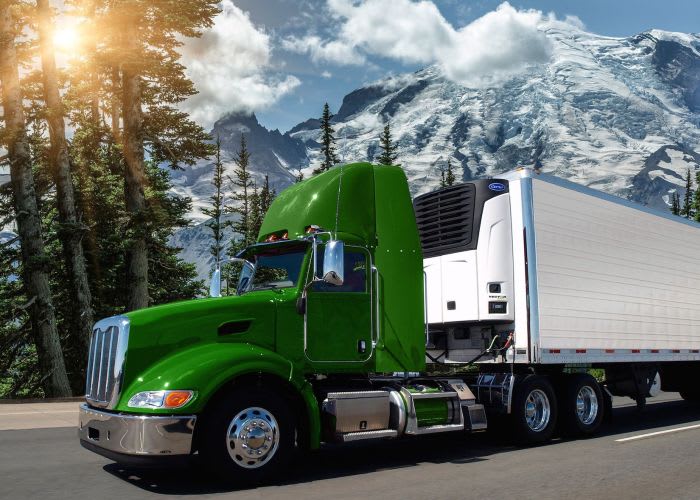
Photo: Carrier Transicold
2 min to read
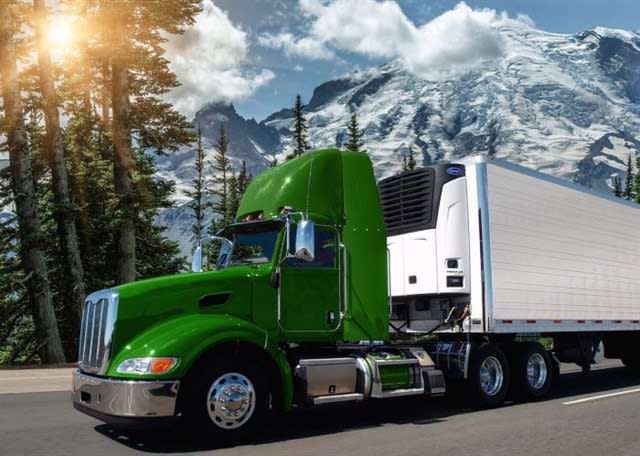
Photo: Carrier Transicold
Carrier Transicold has announced that it will be offering the more environmentally friendly refrigerant R-452A as an alternative for use in its truck and trailer refrigeration systems later this year.
The Environmental Protection Agency recently approved the refrigerant for transport refrigeration applications. Developed to reduce environmental impact, R-452A reduces emissions compared to R-404A, the hydrofluorocarbon refrigerant used in most land-based transport refrigeration applications.
“As a near drop-in substitute, R-452A offers similar levels of refrigeration performance, fuel efficiency, reliability, and refrigerant charge in new equipment as R 404A, and we are pleased to be able to make it available to refrigerated transport operators seeking a lower global warming potential option to advance environmental sustainability,” said David Brondum, director, product management and sustainability, North America truck, trailer, rail, Carrier Transicold.
EPA has not banned R-404A for transport refrigeration applications, enabling refrigerated haulers to choose the option best suited for their operations. This allows for considerations of price and availability, fleet size and maintenance budgets, according to Brondum.
“Going forward, fleets may want to consult with their Carrier Transicold dealers to determine which refrigerant solution is appropriate,” said Brondum.
While Carrier Transicold will continue to offer R-404A, it will also provide R-452A as an option for new model Vector and X4 Series trailer refrigeration units, Supra truck units and direct-drive truck units that currently use R 404A. The refrigerant can also be used as a drop-in replacement for Carrier Transicold units already in service, although certain older models may require component retrofits or software updates, which can be accommodated through Carrier Transicold’s network of authorized dealers, the company says.
“Carrier Transicold’s larger goal of reducing the GWP of its transport refrigeration equipment goes well beyond the benefits of R-452A,” said Brondum. “We are committed to pursuing the commercialization of HFC-free refrigerants in road transportation refrigeration by building upon our expertise with CO2 refrigerant, also known as R-744.”
For more information about R-452A for transport refrigeration applications, click here.
More Fuel Smarts

Calstart Becomes Catalyst Mobility, Reflecting Broader Focus
Calstart is now Catalyst Mobility, reflecting the nonprofit’s growing national role in clean transportation, including zero-emission trucks, infrastructure and incentive programs.
Read More →
Record Diesel Prices Squeeze Trucking Fleets
Average U.S. diesel prices have climbed to nearly $6 a gallon, surpassing the 2022 record as tight refinery capacity and Middle East disruptions keep fuel costs elevated.
Read More →
Sponsored•September 9, 2026
How Fuel Delivery Shapes Engine Performance
Fuel delivery depends on more than what happens at the injector. For fleet, maintenance and technical professionals, looking at the full path from pump to injector can provide useful context for understanding engine performance.
Read More →

East Coast Port Launches $45M Electric Truck Push
The Port Authority of New York and New Jersey announced millions in incentives for zero-emission drayage trucks, yard tractors, and new charging hubs near the port.
Read More →
California Bill Could Shed Light on Electric Truck Prices
Why do battery-electric Class 8 trucks remain so expensive? A California bill headed to Gov. Gavin Newsom would give fleets and state agencies more visibility into what manufacturers charge.
Read More →
Detroit Opens Orders for EPA 2027 Engines
Detroit isn’t starting from scratch to meet EPA 2027 diesel emissions standards. Its Gen 6 DD13 and DD15 engines keep much of today’s platform while updating the fuel and aftertreatment systems.
Read More →
Zero-Emission Truck Corridor Planned for West Coast
California, Oregon, Washington, British Columbia and Baja California are coordinating plans for truck charging and hydrogen fueling from Canada to Mexico.
Read More →
A Closer Look at Kenworth’s Electric T880E Vocational Truck [Video]
Learn more about Kenworth's T880E battery-electric vocational truck at the Paccar Technical Center, including its range, applications, upfitting considerations, and PTO options, in this HDT Spotlight video.
Read More →
Kenworth T880E Brings EV Power to Vocational Trucks
A closer look at the Kenworth T880E’s range, charging, powertrain and upfit options — and where fleets are showing the most interest.
Read More →
Jennie Abarca Is Proving Electric Trucks Can Do the Job
HDT Truck Fleet Innovator Jennie Abarca is building confidence in fleet electrification one load at a time while openly sharing the challenges she encounters along the way as a small-fleet owner.
Read More →