




ATA Pulling for Hair-Testing Standards
The American Trucking Associations is continuing its push to allow hair-testing to be used in lieu of urinalysis to detect drug use by CDL driver applicants.

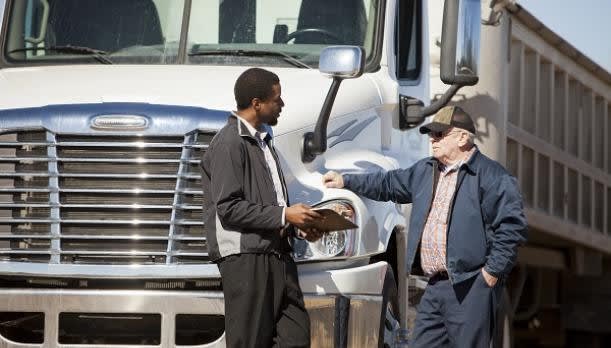
Image: Federal Motor Carrier Safety Administration
Image: Federal Motor Carrier Safety Administration
The American Trucking Associations is continuing its push to allow hair-testing to be used in lieu of urinalysis to detect drug use by CDL driver applicants.
In a March 20 letter to Health and Human Services Secretary Tom Price, American Trucking Associations President and CEO Chris Spear called for HHS to quickly release guidelines and standards for the use of hair samples in mandatory drug testing of truck drivers.
ATA pointed out in a statement that HHS has yet to issue the necessary standards that would allow those tests to be implemented. It also noted that this week ,the Substance Abuse and Mental Health Services Administration (an HHS agency) will hold Drug Testing Advisory Board meetings to consider hair-testing, “putting HHS well behind its congressionally mandated deadline.”
“Many trucking companies are using urinalysis to meet federal requirements, while also paying the additional cost to conduct hair testing,” Spear said in the letter. “We are frustrated that the previous administration failed to meet the statutory deadline and believe your leadership will finally see a resolution to this long-standing and important safety rule.”
According to ATA, the association and many of its member carriers contend that, based on experience, "hair-testing is more effective at preventing habitual drug users from obtaining jobs as truck drivers, thus improving highway safety."
“Making sure America’s truck drivers are safe and drug-free is among ATA’s highest priorities,” Spear said. “This commitment is why ATA led the charge for mandatory drug-testing of commercial drivers, for the creation of a clearinghouse for drug and alcohol testing results, and the use of hair-testing.”
Spear’s letter comes a month after the Alliance for Driver Safety & Security (a.k.a. the Trucking Alliance) submitted a set of detailed comments to the Federal Motor Carrier Safety Administration that strongly support a petition calling for motor carriers to be exempt from having to use urinalysis to test for drug use by CDL driver applicants.
In January, David Heller, vice president of government affairs for the Truckload Carriers Association, told HDT that once HHS “vets its guidelines to incorporate hair testing as an 'and/or option' for its drug testing protocols, carriers can use that option to better define the drug history of a potential driver.”
More Fleet Management

How Telematics Improves Visibility, Control, and Performance in Refrigerated Fleets
Explore how telematics help refrigerated fleets improve visibility, uptime, efficiency, compliance, and cargo protection across connected cold chain operations.
Read More →
What the U.S.-Canada Trade War Means for Trucking
Escalating U.S.-Canada tariffs could disrupt cross-border freight, reduce truck volumes, raise costs, and create new uncertainty for carriers on both sides of the border.
Read More →
What Are Trucking’s Top Concerns for 2026?
The American Transportation Research Institute wants to know what's worrying trucking fleet managers, drivers, and other stakeholders in its annual Industry Issues survey.
Read More →

American Trucking Associations Looks for a New Leader
ATA President and CEO Chris Spear abruptly left his job at the association on August 21, at a pivotal time for the trucking industry.
Read More →
Public Wi-Fi Cybersecurity Risks: How Truck Drivers and Fleets Can Protect Their Data
Public Wi-Fi can expose truck drivers and fleets to credential theft, malware, and other cyber threats. Here’s how to reduce the risk on the road.
Read More →
For Nicky Cupp, Fleet Innovation Starts With Frustration
HDT Truck Fleet Innovator Nicky Cupp turns everyday pain points at Fraley & Schilling into opportunities for better technology and smarter processes.
Read More →
Adam Buttgenbach’s Approach to Electric Trucks: Start With Where They Fit
HDT Truck Fleet Innovator Adam Buttgenbach helped PepsiCo build one of North America’s largest EV fleets by focusing on where electric trucks make operational sense.
Read More →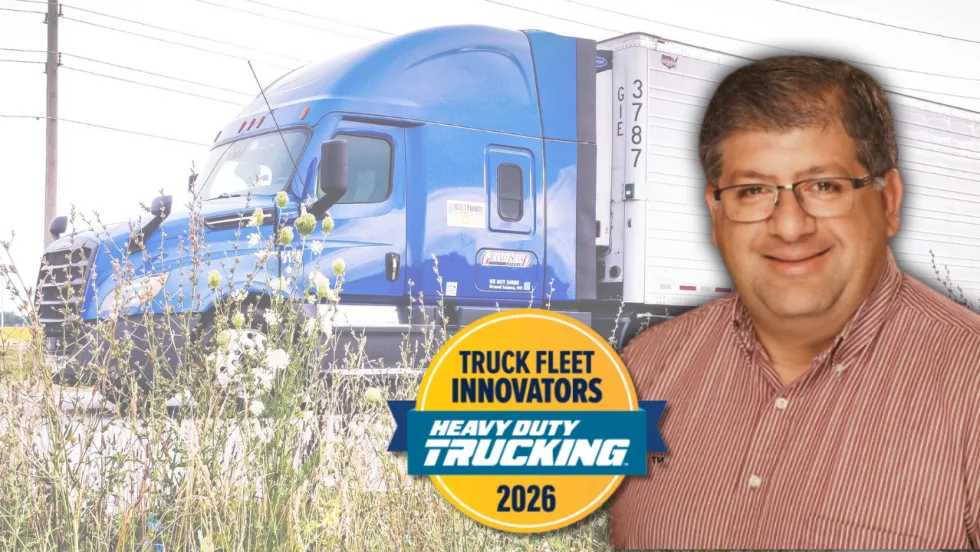
Deen Albert: Let Automation Do the Math, People Make the Decisions
HDT Truck Fleet Innovator Deen Albert makes sure people are still at the heart of operations at Grand Island Express, even while adopting artificial intelligence tools. AI-assisted dispatch helped boost revenue 25% with the same number of trucks.
Read More →
Trimble’s New AI Agent Takes Aim at Fleet Back-Office Busywork
Arc Agent works across Trimble TMS products to automate repetitive tasks such as freight orders, maintenance, invoices, fuel costs and more.
Read More →
How HDT’s 2026 Truck Fleet Innovators Are Rethinking Fleet Operations
Meet five trucking leaders who are challenging assumptions, solving operational problems, and putting innovative ideas to work.
Read More →