




Real-World Electric Highway Tests Start in Sweden
The 2-kilometer stretch of road features a dedicated hybrid truck lane with a Siemens conductive system with overhead electrical wires, very much like the systems commonly used on mass-transit street cars, buses and trains today.

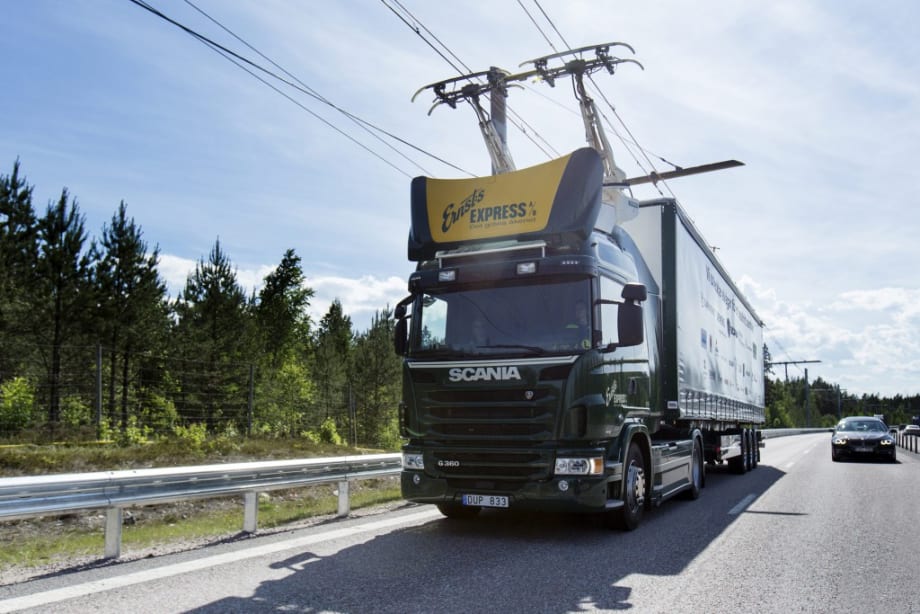
This Scania Class 8 tractor can run on conventional diesel power, or connect to overhead wires and run on electric power at highway speeds. Photo: Scania
This Scania Class 8 tractor can run on conventional diesel power, or connect to overhead wires and run on electric power at highway speeds. Photo: Scania
A joint project near the city of of Gävle in central Sweden is testing the feasibility of running electric-diesel hybrid trucks on stretches in real-world traffic conditions.
Swedish truck OEM Scania (which is owned by Germany's Volkswagen) is working with German technology-development firm Siemens to develop a new concept in commercial vehicle operation.
The 2-kilometer stretch of road features a dedicated hybrid truck lane with a Siemans conductive system with overhead electrical wires, very much like the systems commonly used on mass-transit street cars, buses and trains today.
Scania said it sees the Electric Road E16 project as a key component in achieving Sweden’s ambition of an energy-efficient and fossil-free vehicle fleet by 2030. It can also help to strengthen Sweden’s competitiveness in the rapidly developing area of sustainable transport.
Nils-Gunnar Vågstedt, who is responsible for Scania’s research into electrification, said that, “The potential fuel savings through electrification are considerable and the technology can become a cornerstone for fossil-free road transport services.”
When the Scania Class 8 tractors are on a conventional stretch of road, they run on diesel engine power. When the truck pulls into the dedicated conductive lane, a forked metal bar, called a pantograph, extends upward from the top of the cab and makes a physical connection with the overhead wires.
Once that overhead connection is made, the truck’s diesel engine shuts down and electrical power supplied by the conductive system allows the truck to continue running at highway speeds through its electric drivetrain.
Electric Road E16 is being funded in part by the Swedish government, which has invested approximately $88 million, with an additional $50 million coming from private businesses and the Gävleborg regional authority in Sweden where the electric road is located.
Scania’s R&D head Claes Erixon said, “The electric road is one important milestone on the journey towards fossil-free transport. Scania is committed to the success of this project and is committed to sustainable transport solutions.”
Erixon noted that the electric road is only one of several pioneering technologies that Scania is working on to help the spread of sustainable solutions within both urban and long-haul transport.
He said the company is also developing technologies for alternative fuels, hybrid and fully-electric vehicles as well as autonomously and wirelessly connected transport in parallel with its work to further enhance and refine the products of the future.
More Fuel Smarts

California Bill Could Shed Light on Electric Truck Prices
Why do battery-electric Class 8 trucks remain so expensive? A California bill headed to Gov. Gavin Newsom would give fleets and state agencies more visibility into what manufacturers charge.
Read More →
Detroit Opens Orders for EPA 2027 Engines
Detroit isn’t starting from scratch to meet EPA 2027 diesel emissions standards. Its Gen 6 DD13 and DD15 engines keep much of today’s platform while updating the fuel and aftertreatment systems.
Read More →
Zero-Emission Truck Corridor Planned for West Coast
California, Oregon, Washington, British Columbia and Baja California are coordinating plans for truck charging and hydrogen fueling from Canada to Mexico.
Read More →
A Closer Look at Kenworth’s Electric T880E Vocational Truck [Video]
Learn more about Kenworth's T880E battery-electric vocational truck at the Paccar Technical Center, including its range, applications, upfitting considerations, and PTO options, in this HDT Spotlight video.
Read More →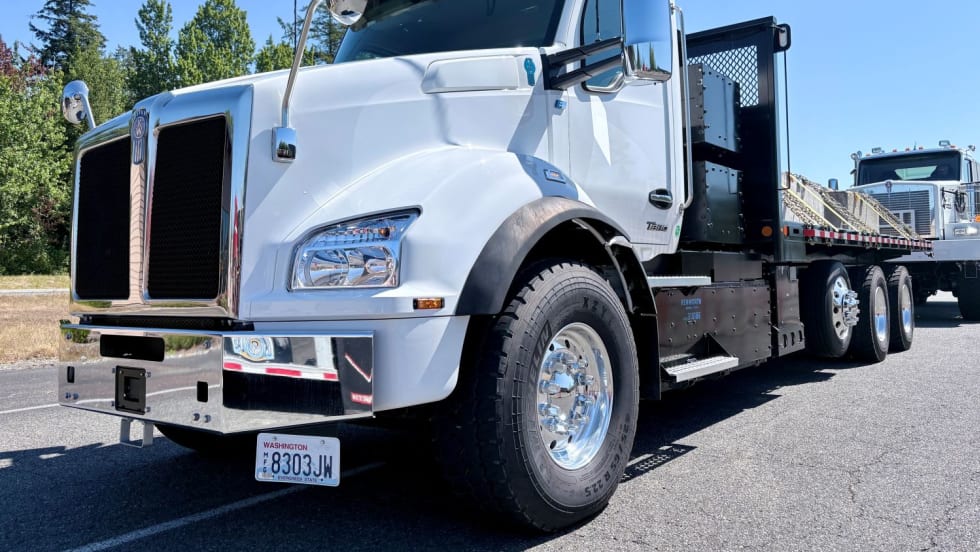
Kenworth T880E Brings EV Power to Vocational Trucks
A closer look at the Kenworth T880E’s range, charging, powertrain and upfit options — and where fleets are showing the most interest.
Read More →
Jennie Abarca Is Proving Electric Trucks Can Do the Job
HDT Truck Fleet Innovator Jennie Abarca is building confidence in fleet electrification one load at a time while openly sharing the challenges she encounters along the way as a small-fleet owner.
Read More →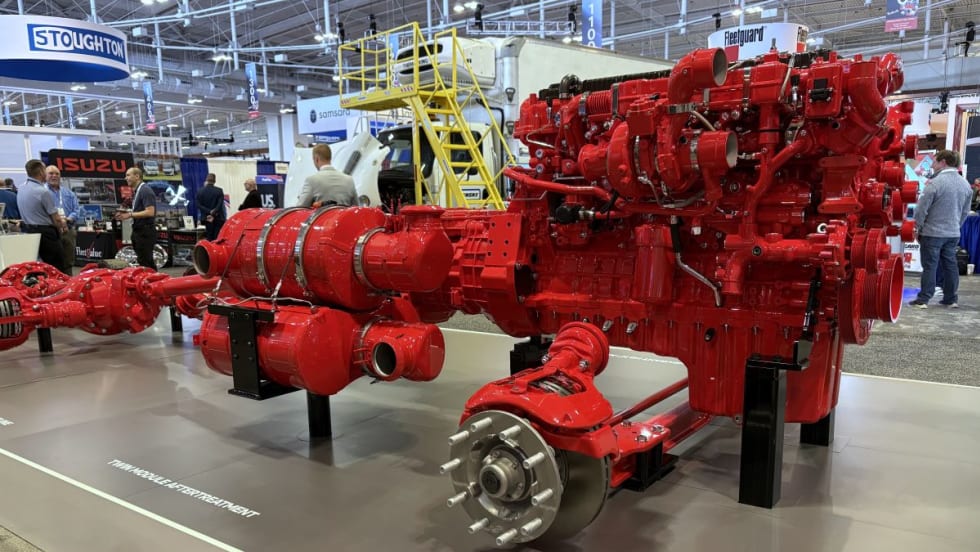
Cummins Adjusts 2027 Engine Rollout After EPA Proposal
The engine maker will gradually introduce its new Model Year 2027 diesel engines while continuing to offer current models during the transition, citing the EPA's proposed emissions rule changes.
Read More →
EPA Proposal Could Ease 2027 Truck Costs and Buying Uncertainty
The proposal doesn't change the tougher NOx standard, but it would revise key implementation requirements that manufacturers say have driven up costs and complicated fleet purchasing decisions.
Read More →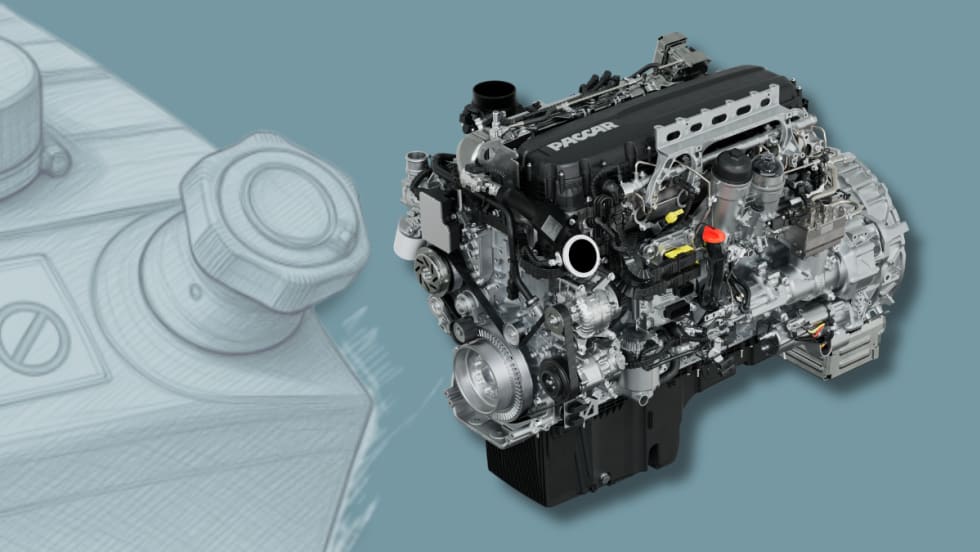
Cummins, Paccar Ease DEF Derates After EPA Guidance
Updated diesel engine software gives truck operators more time to address emissions-system issues while staying compliant with EPA emissions standards.
Read More →
Maintenance in the Messy Middle Part 3: Biodiesel
Biodiesel can reduce emissions, improve fuel-system lubricity and use existing diesel infrastructure. But NACFE’s Messy Middle maintenance report says fleets must actively manage storage, cold-weather operation, filters and oil drain intervals to avoid problems.
Read More →