In accordance with a provision of the FAST Act highway bill, the Department of Transportation has formed the Motor Carrier Safety Assistance Program Formula Working Group.
by Staff
April 11, 2016
2 min to read
In accordance with a provision of the FAST Act highway bill, the Department of Transportation has formed the Motor Carrier Safety Assistance Program Formula Working Group.
The group is charged with analyzing requirements for establishing a new allocation formula for MCSAP, which DOT calls the “flagship state grant program of the Federal Motor Carrier Safety Administration.”
Ad Loading...
MCSAP grants fund state-run safety programs for commercial motor vehicles, including compliance investigations, roadside inspections, new entrant audits, and traffic enforcement activities.
DOT was required to set up the working group within 180 days of the Dec. 4, 2015 enactment of the FAST Act and the group must give its recommendations to the Secretary of Transportation “no later than one year from the date of its establishment.”
The highway bill dictated that the working group be composed of representatives from state CMV safety agencies; FMCSA; an organization representing state CMV enforcement agencies; and any other persons that the DOT Secretary considers necessary.
In addition, state safety agency participation must make up at least 51 percent of the working group. The working group is exempt from the Federal Advisory Committee Act.
“The Motor Carrier Safety Assistance Program provides critical funds each year to states to support their large truck and bus safety efforts,” said Transportation Secretary Anthony Foxx. “I look forward to receiving the working group’s recommendations on how we can enhance and streamline this important safety grant program with the ultimate goal of making our nation’s roads safer.”
Ad Loading...
Secretary Foxx has signed approval letters for the following 15 individuals, who were selected for the working group:
Public Members
Lt. Donald C. Bridge, Jr., Connecticut Department of Motor Vehicles, MCSAP Coordinator, Commercial Vehicle Safety Division
Lt. Thomas Fitzgerald, Massachusetts State Patrol, Commanding Officer, Commercial Vehicle Enforcement Section
Michelle N. Lopez, Colorado State Patrol, MCSAP Grants Administrator
Mr. Alan R. Martin, Ohio Public Utilities Commission, Deputy Director
Lt. Stephen Brent Moore, Georgia Department of Public Safety, Special Operations Coordinator, Motor Carrier Compliance Division
Capt. Brian Preston, Arizona Department of Public Safety
John E. Smoot, Kentucky State Police, MCSAP/Federal Training Coordinator
Col.Leroy Taylor, South Carolina Department of Public Safety, Deputy Director
Adrienne Gildea, Commercial Vehicle Safety Alliance, Deputy Executive Director
Stephen C. Owings, Road Safe America, President and Co-Founder
FMCSA Representatives
Nancy Baugher, FMCSA, Grants Management Officer
Caitlin Cullitan, FMCSA, Attorney-Advisor
Thomas Liberatore, FMCSA, Chief, State Programs Division
Courtney Stevenson, FMCSA, Senior Policy Advisor, Office of Field Operations
Dan Meyer, FMCSA, Division Administrator, Illinois Division
Ad Loading...
Click here for more information and updates on the activities of the MCSAP Formula Working Group.
After pushback from states and industry groups, FMCSA is proposing to reverse a 2023 rule change and lengthen the duration of state-issued emergency exemptions for disaster relief.
After reports of corrosion and thermal events on trucks already repaired under a prior campaign, DTNA is recalling nearly 27,000 Western Star 47X and 49X models to address a battery junction stud defect.
Motor carriers using the affected ELDs must switch to paper logs immediately and install compliant devices by April 14 to avoid out-of-service violations.
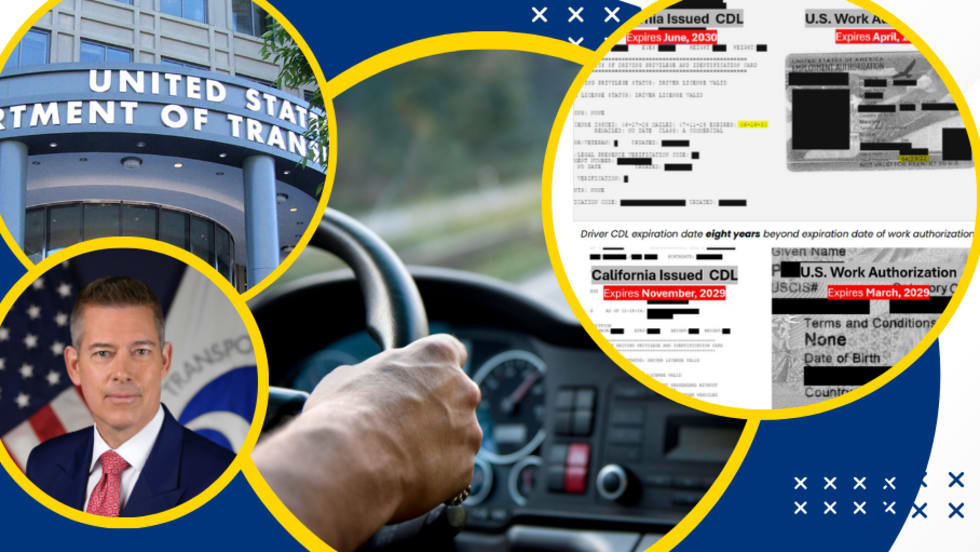
After a legal pause last fall, FMCSA has finalized its rule limiting non-domiciled commercial driver's licenses. The agency says the change closes a safety gap, and its revised economic analysis suggests workforce effects will be more gradual than first thought.
Geotab launches GO Focus Pro, an AI-powered 360-degree dash cam designed to reduce collisions, prevent fraud, and protect fleets from nuclear verdict risk.
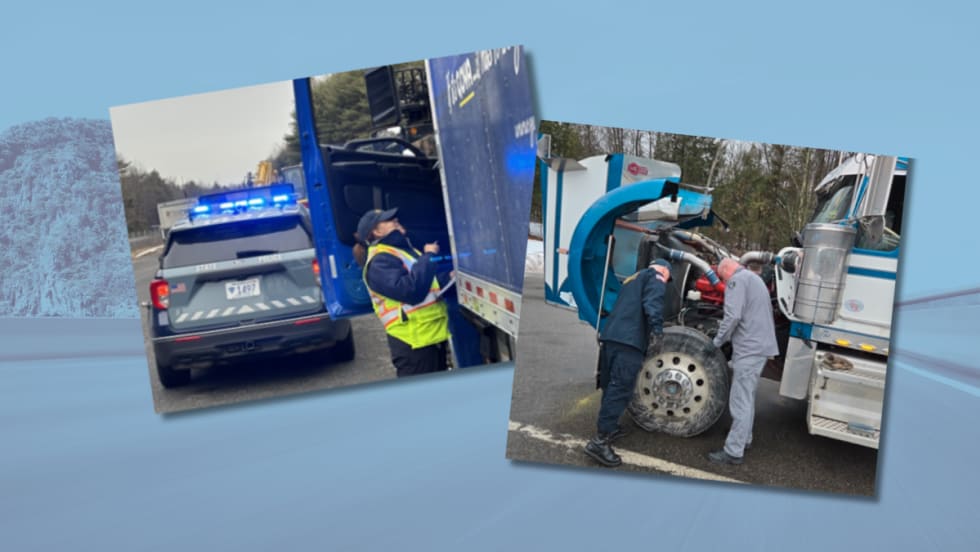
A high-visibility enforcement effort conducted January 13–15 removed hundreds of unqualified drivers and unsafe commercial vehicles from major freight corridors nationwide.
After a year of what safety and compliance expert Brandon Wiseman calls “regulatory turbulence,” what should trucking companies be keeping an eye on in 2026 when it comes to federal safety regulations?