




NGVAmerica Urges Oklahoma to Retain Natural Gas Incentives
Matthew Godlewski, president of NGVAmerica, asked Oklahoma legislators not to pass a bill that would cut a number of tax incentives for natural gas vehicles (NGVs) and fueling stations.

Godlewski. Photo courtesy of NGVAmerica.

Godlewski. Photo courtesy of NGVAmerica.
Matthew Godlewski, president of NGVAmerica, asked Oklahoma legislators not to pass a bill that would cut a number of tax incentives for natural gas vehicles (NGVs) and fueling stations.
Oklahoma Senate Bill 977 would establish a moratorium that stunts progress made through incentives that helped the growth of NGVs in Oklahoma and created statewide public access to compressed natural gas (CNG) and liquefied natural gas (LNG) stations, Godlweski wrote in a letter to the editor for The Journal Record.
The bill would cut incentives Oklahoma passed in 2009, 2010, and 2011, which includes a tax credit that covers up to 45% of the cost of a new or modified clean-burning motor vehicle. The state also offered the incentive of covering 75% of the cost of installing commercial alternative fueling infrastructures. The growth in fueling stations has grown 79% since 2011, according to Godlewski.
The incentives have saved Oklahomans millions of dollars and helped with the state’s air quality and economy, according to Godlewski. He said that NGV drivers have already saved nearly $85 million since the tax credits were enacted, and that clean transportation motorists would save approximately $55 million over the next four years if the credits continue.
The tax credits have meant a net cost benefit of over $18 million dollars for all taxpayers, according to Godlewski. He says Oklahoma has more CNG fueling stations per capita than any other state.
Oklahoma faces a $1.3 billion budget deficit, according to Bloomberg.
If the bill passes, the tax credits would be suspended from July 1 of this year to June 30, 2018.
More Fuel Smarts
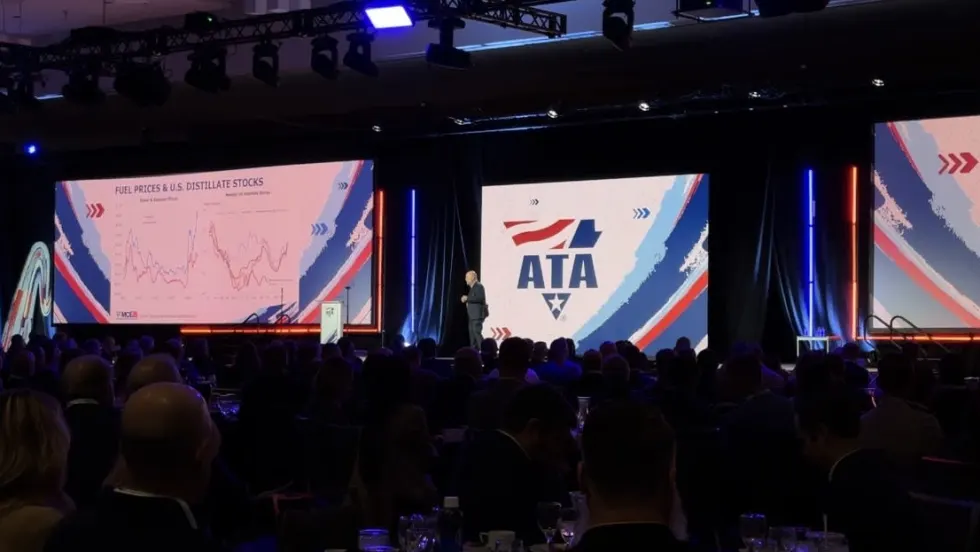
Trucking’s Diesel Squeeze Isn’t Letting Up
With diesel topping $6 a gallon nationally, ATA's Bob Costello explains why fleets should prepare for continued pressure at the pump.
Read More →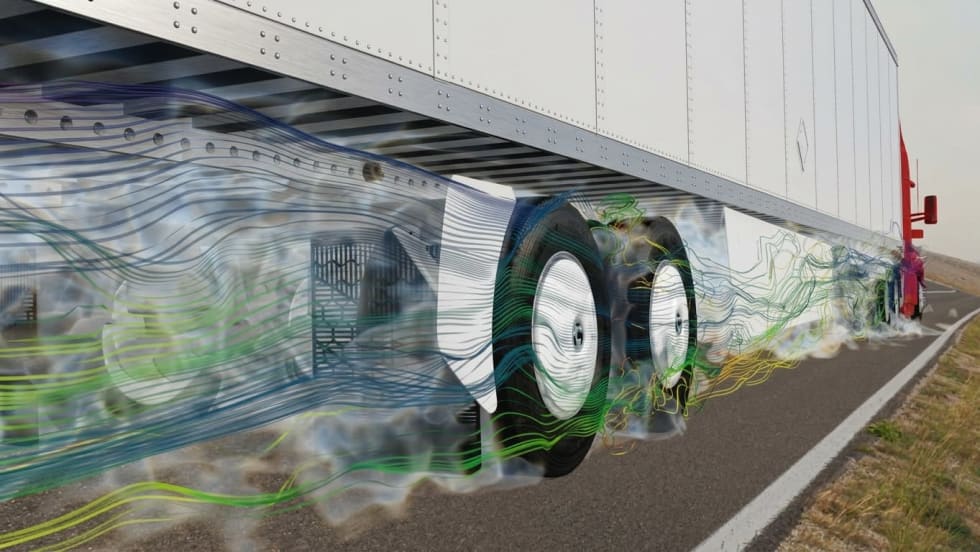
FlowBelow Redesigns Trailer AeroSlider to Cut Fuel Use
The lighter trailer aerodynamic system installs in less than 45 minutes, according to the company, with potential payback in under a year depending on fuel prices and trailer mileage.
Read More →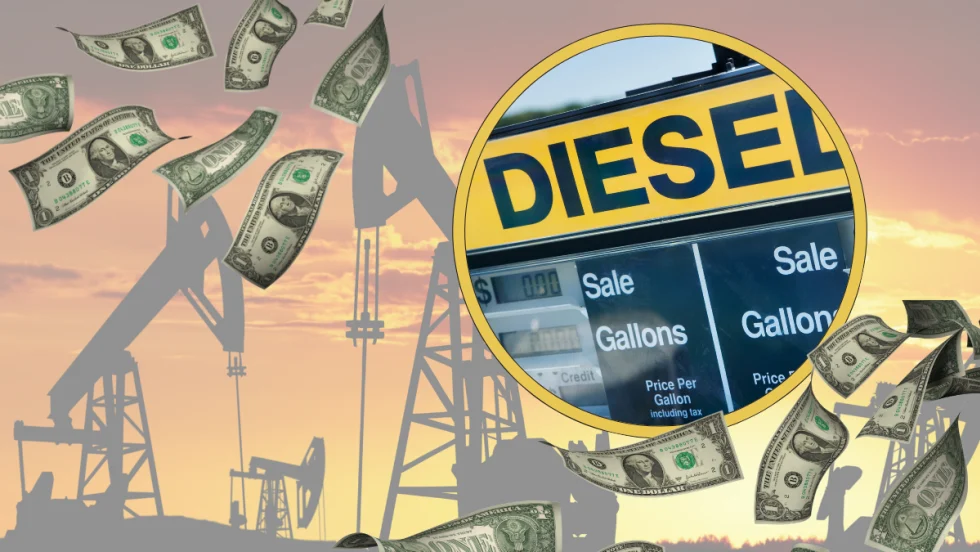
Why Diesel Price Relief Efforts May Fall Short
Diesel prices have eased from September’s record high, but doubts about additional Russian supply and limits on dyed-diesel tax relief mean trucking fleets still face expensive fuel. And prices could go higher.
Read More →
Why Small Fuel Savings Matter in Trucking
Can better fuel economy help pay for driver raises? In this podcast, GP Transco explains how small efficiency gains create room to reinvest in its people.
Read More →
How GP Transco Cuts Trucking Fuel Costs, a Tenth of a Gallon at a Time
What’s another tenth of a mile per gallon worth? GP Transco shares how equipment upgrades and driver coaching turn small gains into meaningful fuel savings.
Read More →
Electric Yard Tractors Move Beyond Pilots
Operating-cost savings have overtaken sustainability goals as the leading reason surveyed fleets are adopting battery-electric terminal tractors, according to new NACFE research.
Read More →
Geotab Links Fleet Card to Vehicle Data
The new card combines fuel discounts with telematics-based purchase controls. Geotab’s analysis also points to potential savings from choosing lower-priced fuel stops.
Read More →
Fleet Economics Shape Electric Truck Outlook
ACT Research expects costs, charging infrastructure, and technology improvements to drive zero-emission commercial vehicle adoption as federal regulations and incentives retreat.
Read More →
Wex Adds Cardless Fuel Payments for Over-the-Road Customers
A new fuel card feature for Wex customers offers convenience and security.
Read More →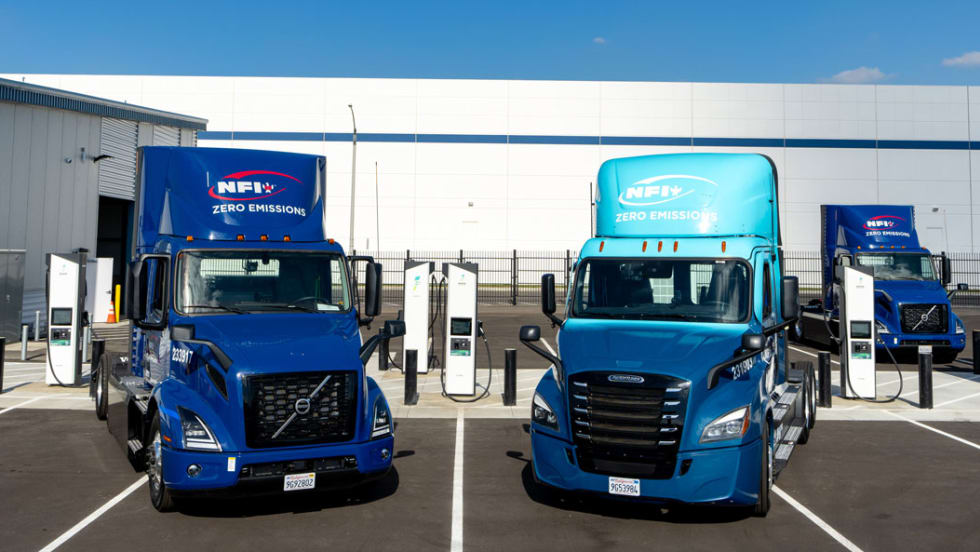
New California Law Could Shed Light on Electric Truck Prices
Why do battery-electric Class 8 trucks remain so expensive? A California bill signed by Gov. Gavin Newsom would give fleets and state agencies more visibility into what manufacturers charge.
Read More →