



Cummins Westport has announced field-testing of a spark-ignited natural gas engine capable of producing near zero NOx emissions ahead of the 2023 California Near Zero NOx schedule for low NOx vehicles.
 MENU
MENU SEARCH
Cummins Westport has announced field-testing of a spark-ignited natural gas engine capable of producing near zero NOx emissions for use in refuse and transit applications.
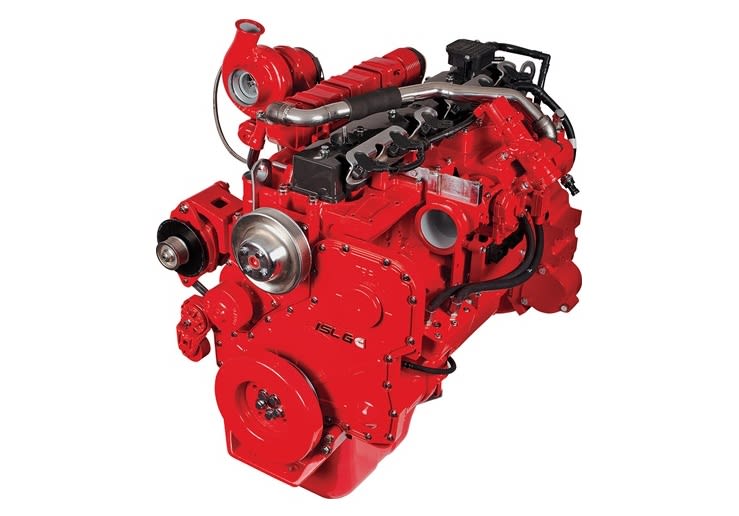
An ISL G engine Photo: Cummins Westport
Cummins Westport has announced field-testing of a spark-ignited natural gas engine capable of producing near zero NOx emissions ahead of the 2023 California Near Zero NOx schedule for low NOx vehicles.
The testing will begin this year in California on transit buses. The Near Zero NOx technology is being tested in the ISL G engine and will be made available as a first fit engine with transit and refuse OEMs as a replacement for existing ISL G vehicles.
CWI believes its Stoichiometric EGR spark ignited natural gas engine technology is suited to meeting California’s air quality improvement initiatives. The SESI technology was a part of the recently announced ISB6.7 G natural gas engine and is also a part of the ISL G and ISX12 G engines.
With funding support from South Coast Air Quality Management District, SoCal Gas and California Energy Commission, CWI said it invested significantly on leveraging the SESI platform to develop a new Near Zero NOx technology pathway to reducing emissions by 90% from 0.2 to 0.02 grams per brake horsepower NOx.
The technology will also meet the 2017 EPA greenhouse gas emission requirements, according to CWI. Commercial availability will be announced at a later date.
The new ISL G will also include Three-Way Catalyst passive aftertreatment, packaged as part of the muffler. Cummins Westport natural gas engines do not require active aftertreatment such as a diesel particulate filter or selective catalytic reduction.
The ISL G 8.9-liter engine was introduced in 2007 and has been used primarily in transit buses and refuse trucks.

Trucking operators are slowing speeds, cutting empty miles, and declining unprofitable freight as diesel costs continue to rise due to conflict in the Middle East.
Read More →
New guidance allows engine makers to replace problematic DEF sensors with NOx-based systems, aiming to reduce unnecessary derates and downtime caused by failures in the sensors designed to monitor diesel exhaust fluid on trucks.
Read More →
Is your company a leader in sustainability efforts among trucking fleets? If so, Heavy Duty Trucking's editors want to hear from you.
Read More →
Artificial intelligence, the software-defined vehicle, telematics, autonomous trucks, electric trucks and alternative fuels, and more in this HDT Talks Trucking interview
Read More →With global oil flows disrupted, U.S. diesel prices have topped $5 across every region, climbing sharply in the past few weeks.
Read More →
The impact of the Iran conflict extends beyond fuel costs, bringing more fraud and cybersecurity risks to the trucking industry.
Read More →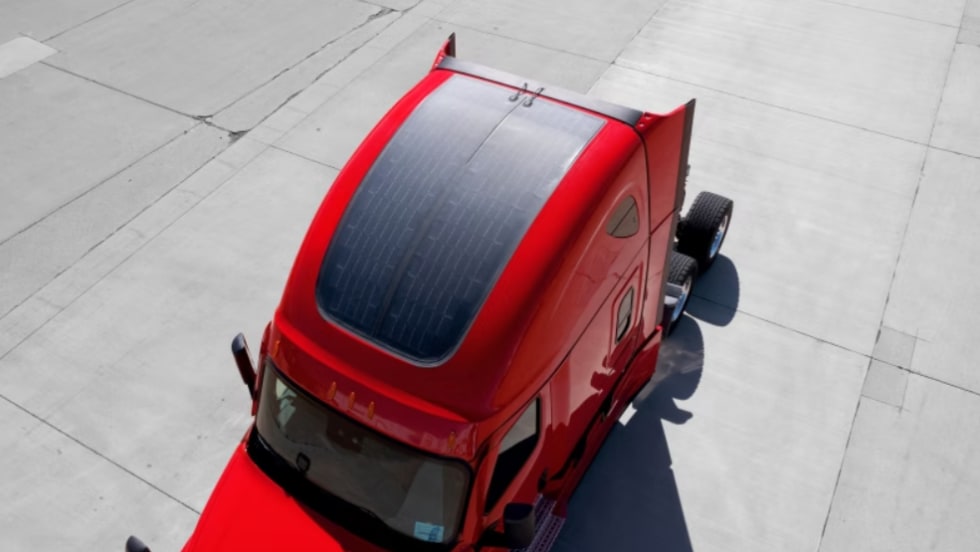
The company’s expanded EPEQ ecosystem includes flexible solar panels, lithium batteries, hydraulic power systems, and a portable fast charger for electric trucks.
Read More →
Listen as Mike Roeth of the North American Council for Freight Efficiency shares insights into battery-electric trucks, natural gas, biofuels, and clean diesel on this episode of HDT Talks Trucking.
Read More →
NACFE's Run on Less - Messy Middle project demonstrates the power of data in helping to guide the future of alternative fuels and powertrains for heavy-duty trucks.
Read More →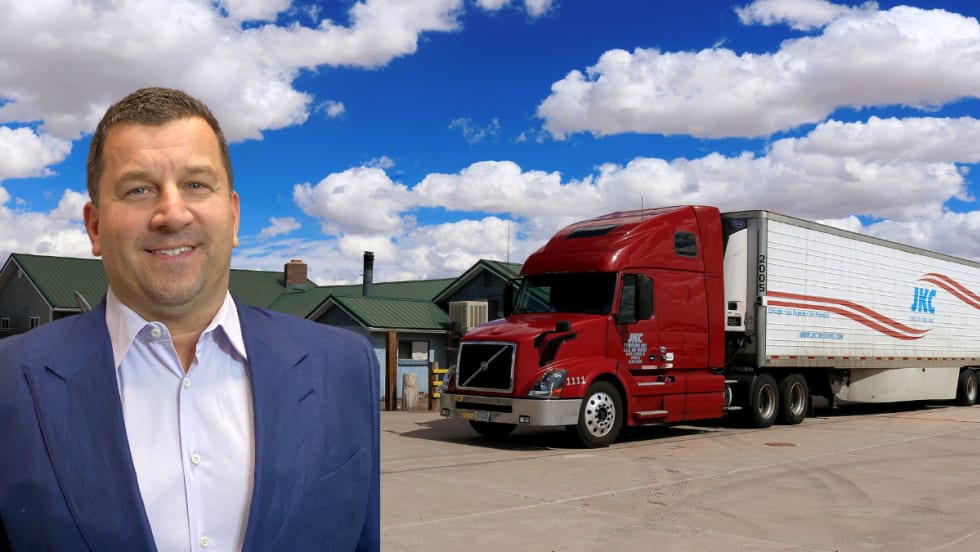
Mike Kucharski, vice president of refrigerated carrier JKC Trucking, says diesel price jumps tied to global instability are squeezing carriers already struggling with weak freight rates.
Read More →