




U.S. Diesel Demand to Decline After 2015
U.S. Diesel demand will peak in 2015 and decline by as much as 12.5% through 2030 according to a report by energy market research firm PIRA Energy Group.

Photo via Fuels Institute.

Photo via Fuels Institute.
Domestic diesel demand will peak in 2015 and decline by as much as 12.5% by 2030, according to a new forecast by energy market research firm PIRA Energy Group. The 32-page report was commissioned by the Fuels Institute and funded by the NATSO Foundation to analyze domestic diesel fuel use in U.S. and global markets.
The report predicts that diesel demand will peak in 2015 at 4 million barrels per day and decline to 3.5 million barrels per day by 2030.
The downward trend is being attributed to an increase in vehicle efficiency in the U.S. as well as growing adoption of natural gas among heavy duty trucks. While the report predicts a U.S. diesel peak in 2015, global diesel demand will continue to increase due to industrialization in emerging markets and its increased use as a global shipping fuel.
“Changing consumer demand for diesel fuel will have a significant effect on fuel retailers and the U.S. economy,” said Lisa Mullings, president of NATSO. “This report will help truckstops and travel plazas develop a sound strategy for optimizing these market changes.”
In light-duty vehicles, diesel use is expected to triple in the U.S. by 2030 but it will be offset by the decline in heavy-duty use and by hybrid, electric and alternative fuel powertrains. With the decrease in domestic diesel demand, the U.S. is poised to expand its role as an exporter of the fuel as worldwide demand continues to grow, the report found.
“The U.S. is very well positioned to supply its own domestic fuel needs while also playing a growing role as a global product exporter,” said John Eichberger, Fuels Institute executive director. “This is good news for fuel consumers as it indicates this shift in consumption patterns should not create economic imbalances.”
For more information click here.
More Fuel Smarts

Where Electric Trucks Can Charge Now
New depots and truck-stop chargers gave electric trucks more places to plug in in 2026. Here’s where fleets can charge today, how megawatt charging works, and which freight routes to watch in 2027.
 Discuss with peers
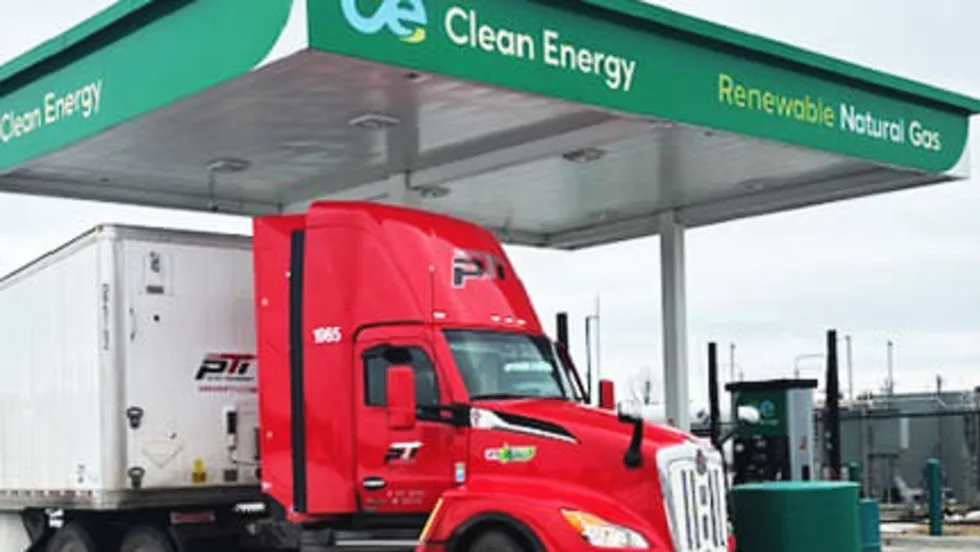
Paper Transport Puts RNG to Work for Shipper
Eight renewable natural gas trucks are hauling freight for Graphic Packaging, part of Paper Transport’s growing mix of alternative-fuel transportation options that also includes a Tesla Semi pilot.

Fleet Costs Shape ACT Expo 2027 Agenda
With diesel prices high and operating expenses under pressure, ACT Expo's 2027 agenda emphasizes fuel efficiency, AI, safety and the return on fleet technology investments.

How GP Transco Builds Fuel Savings a Fraction at a Time
Aerodynamic specs, solar panels, and driver incentives help GP Transco turn small efficiency gains into savings it can reinvest in its people.

Trucking’s Diesel Squeeze Isn’t Letting Up
With diesel topping $6 a gallon nationally, ATA's Bob Costello explains why fleets should prepare for continued pressure at the pump.
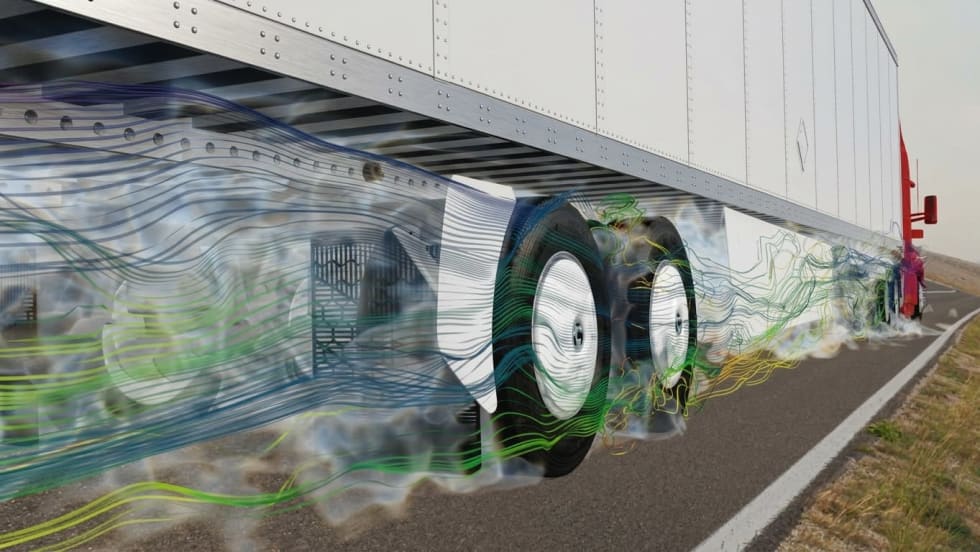
FlowBelow Redesigns Trailer AeroSlider to Cut Fuel Use
The lighter trailer aerodynamic system installs in less than 45 minutes, according to the company, with potential payback in under a year depending on fuel prices and trailer mileage.

Why Diesel Price Relief Efforts May Fall Short
Diesel prices have eased from September’s record high, but doubts about additional Russian supply and limits on dyed-diesel tax relief mean trucking fleets still face expensive fuel. And prices could go higher.

Why Small Fuel Savings Matter in Trucking [Podcast]
Can better fuel economy help pay for driver raises? In this episode of the HDT Talks Trucking podcast, GP Transco explains how small efficiency gains create room to reinvest in its people.

How GP Transco Cuts Trucking Fuel Costs, a Tenth of a Gallon at a Time
What’s another tenth of a mile per gallon worth? GP Transco shares how equipment upgrades and driver coaching turn small gains into meaningful fuel savings.
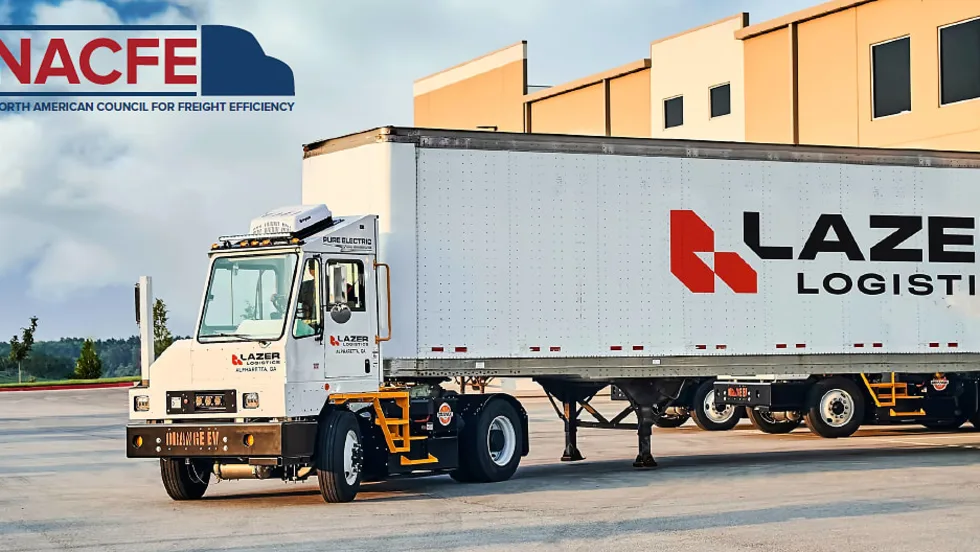
Electric Yard Tractors Move Beyond Pilots
Operating-cost savings have overtaken sustainability goals as the leading reason surveyed fleets are adopting battery-electric terminal tractors, according to new NACFE research.