




Settlement Reached Between California Port Truckers and Fleet
Port truck drivers for Pacific 9 Transportation in California have settled their difference against their carrier in labor dispute, giving them employee rights, including the right to form a union.
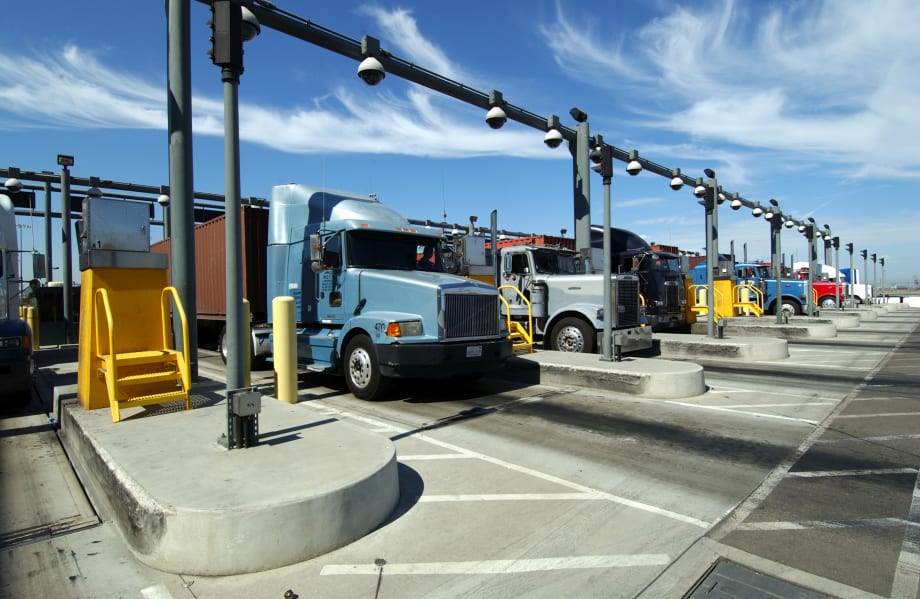
Port truck drivers for Pacific 9 Transportation in California have settled their differences against their carrier in a labor dispute, giving them employee rights, including the right to form a union.
A settlement agreement between the Teamsters Union and Pacific 9 Transportation, brokered by the National Labor Relations Board regional office in Los Angeles, puts an end to a dispute between the two parties over whether the fleet wrongly classified drivers as independent contractors rather than employees.
According to the group supporting the drivers, the Teamsters-backed Justice for Port Truck Drivers, the settlement is recognition that Pacific 9 port truckers were subjected to “unlawful retaliation for exercising their legal rights to organize a union,” according to a release. However, the settlement does not include Pacific 9 Transportation admitting to any wrongdoing.
Pacific 9 drivers have filed more than 50 wage and hour claims with the California Labor Commissioner and went on strike in November 2013 in protest of unfair labor practices. They were joined in a 36-hour protest by drivers of Green Fleet Systems and American Logistics International, also located in Carson, just north of Long Beach.
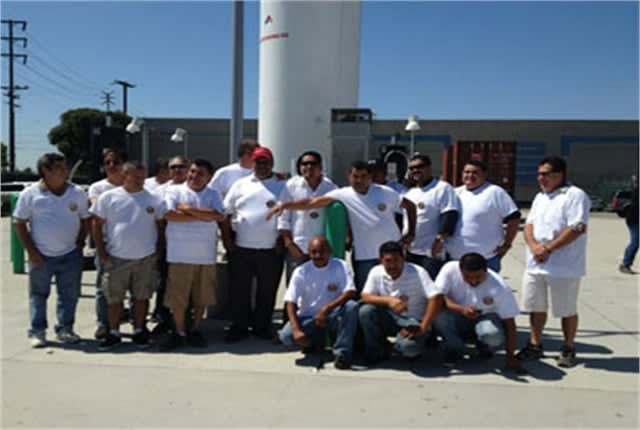
Drivers at Pac 9 participating in a delegation demanding that their employer stop retaliating against them for organizing.
Pac 9’s business practices have also attracted the attention of the Tax Division of the California Employment Development Department for misclassifying drivers and failing to pay unemployment and workers compensation taxes, according to the group.
The ruling from the NLRB regional office could affect the entire port trucking industry, the groups says, “reshaping a structure that currently leaves many of America’s port drivers working full time yet earning less than minimum wage.”
More Drivers

FMCSA Removes 110 Truck Driver Training Schools from Certified ELDT List
Federal regulators also are targeting more than 160 additional training providers and launching a nationwide audit of third-party CDL skills testers as part of a broader crackdown on trucking fraud.
Read More →
Hours of Service Pilot Programs: FMCSA Readies for 2027 Rollout
Two pilot programs could eventually reshape hours-of-service rules, giving truck drivers options to pause their 14-hour clock or use longer split sleeper rest periods.
Read More →
Medical Cards, English Proficiency Reshape Roadcheck Violations
Medical-card violations jumped to the top of the driver out-of-service list during CVSA’s 2026 International Roadcheck, while English-language proficiency violations appeared among the leading violations for the first time.
Read More →
Driver Trust Can Make or Break the Success of Fleet Safety Technology
New Teletrac Navman research suggests that onboarding, transparency about driver data, and positive feedback can play a significant role in how commercial drivers respond to safety and coaching technology.
Read More →
EEOC Sues KLLM Over Alleged Sex Discrimination in Driver Training
KLLM is facing a federal sex-discrimination lawsuit over policies the EEOC alleges put female truck driver trainees at a disadvantage.
Read More →
FMCSA Moves to Codify English Language Requirements for Commercial Drivers
By changing regulations on English-language proficiency requirements for commercial drivers, rather than relying on a guidance memo, the FMCSA said future administrations won't be able to walk back the Trump administration's stricter enforcement with just a memo.
Read More →
Drivers Put Western Star Trucks to the Test at Star Nation Experience
Watch to get an inside look at the Western Star trucks, technology, and community behind the Star Nation Experience 2026!
Read More →
Trump Administration Looks to Put More Veterans Behind the Wheel
The Freedom Haulers program pulls together existing and expanded programs at several federal agencies to recruit veterans to drive commercial heavy-duty trucks and cut the red tape for them to get a CDL, training, and employment.
Read More →
Putting Mack’s Command Steer to the Test
A test drive of Mack’s Command Steer active steering system evaluates how it can make truck driving easier and less tiring.
Read More →
Competition Heating Up for Truck Drivers
New report reveals rising driver hiring costs, the return of sign-on bonuses, growing AI advantages, and the operational factors shaping driver retention.
Read More →