




In June, intermodal rail traffic jumped 19.2 percent from the same month in 2009, the largest year-over-year monthly gain since 1990
, according to a report released by the Association of American Railroads. Intermodal rail traffic was still 1.4 percent lower than June 2008.
June rail carloads were up 10.6 percent from last year, but were still down 10.2 percent from June 2008.
Compared with May, carloads were down 1.3 percent, while intermodal traffic dipped 1.1 percent from May.
"While June traffic shows signs of an economy that is in better shape than it was a year ago, we still have a long way to go to see rail traffic levels associated with a full recovery," said John Gray, AAR senior vice president. "For example, both the Purchasing Managers Index and consumer confidence fell in June."
Average weekly container volume in June 2010 was the ninth highest since 1990, reflecting a years-long trend of domestic freight converting from truck trailers to containers on rail, the report said.
The Rail Time Indicators report comprises detailed monthly rail traffic data framed with other key economic indicators to show how freight rail ties into the broader U.S. economy. The Association of American Railroads is a railroad policy, research and technology organization based in Washington, D.C.
More info: www.aar.org
Intermodal Rail Posts Highest Year-Over-Year Monthly Gain in 20 Years
In June, intermodal rail traffic jumped 19.2 percent from the same month in 2009, the largest year-over-year monthly gain since 199
More Fleet Management

HDT Honors the Best New Products of 2025 at TMC [Photos]
Heavy Duty Trucking's Top 20 Products awards recognize the best new products and technologies. Check out the award presentations at the 2026 Technology & Maintenance Council annual meeting.
Read More →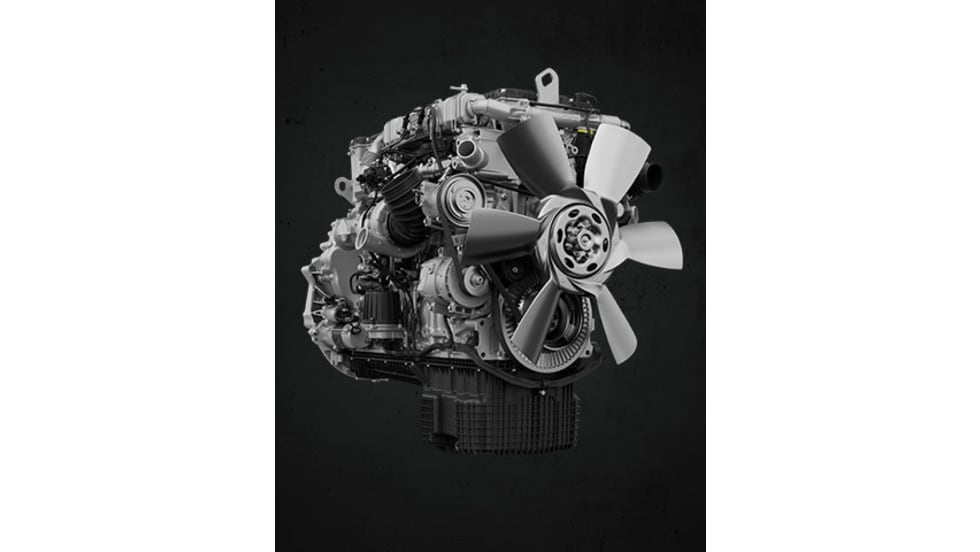
Detroit Engines: Trusted Performance, Built for What's Next
The Detroit® Gen 6 engine platform proves that real progress doesn’t require a complete redesign. Built on 20 years of trusted technology, these engines are designed for efficiency, stronger performance, and greater reliability than before. And they do it all while complying with 2027 EPA standards on every mile.
Read More →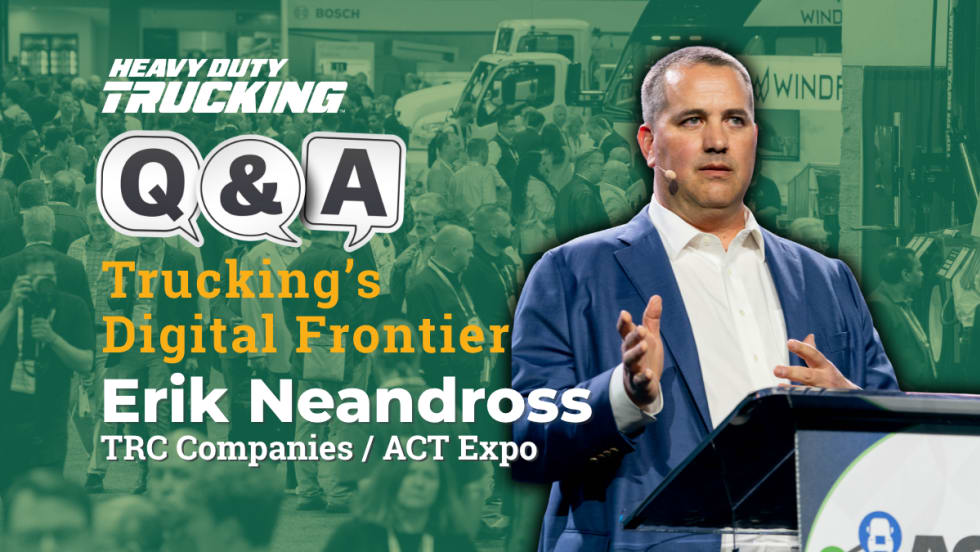
Q&A: What's Real in Advanced Truck Tech? ACT Expo's Erik Neandross Weighs In
The 2026 ACT Expo is focusing heavily on what organizer Erik Neandross calls trucking's digital frontier. This interview excerpt dives into artificial intelligence, zero-emission vehicles, and tips to make sense of it all.
Read More →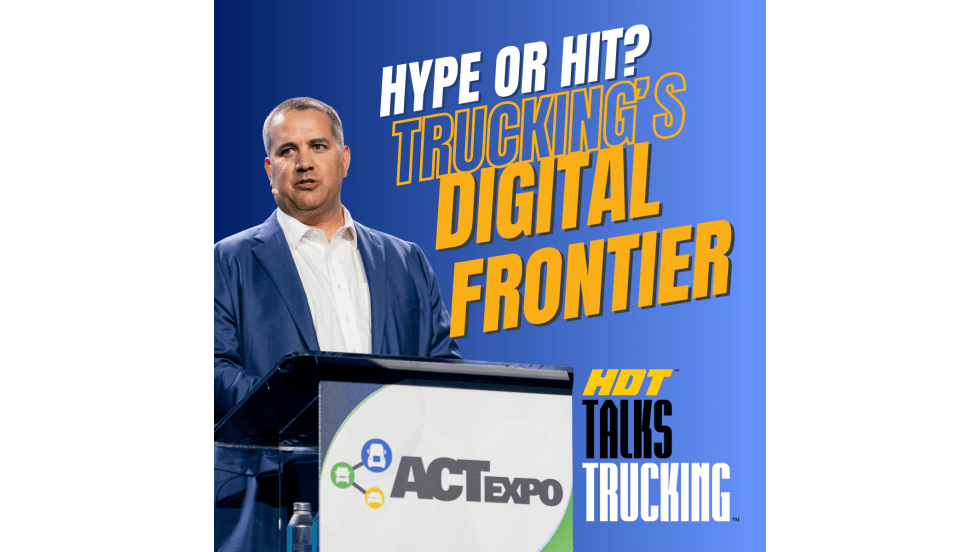
Trucking's Digital Frontier: AI, Connected Vehicles, Alternative Fuels and More
There's an amazing amount of new technology for trucking out there. For fleets, the challenge is figuring out what’s real, what’s hype, and what’s worth investing in.
Read More →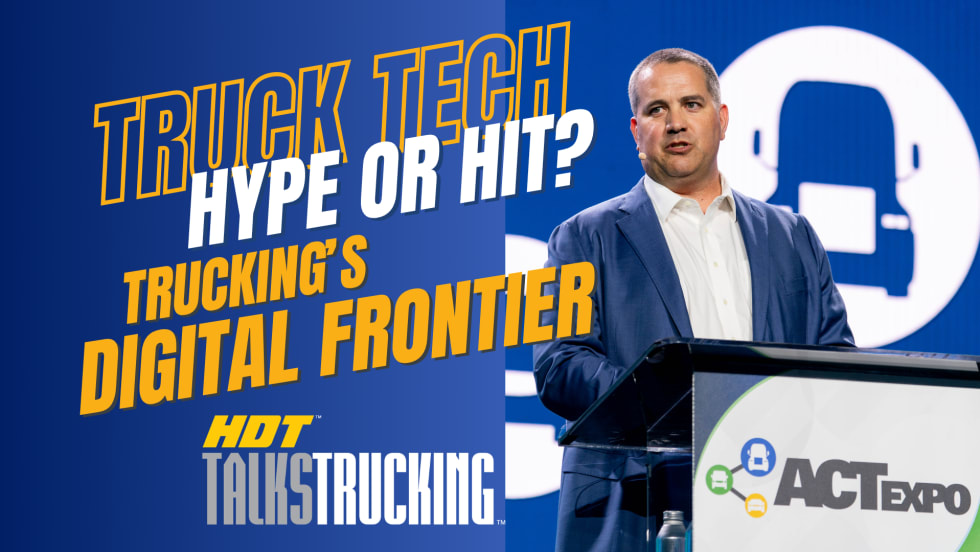
What's Real in Advanced Truck Technology? ACT Expo's Erik Neandross Weighs In
Artificial intelligence, the software-defined vehicle, telematics, autonomous trucks, electric trucks and alternative fuels, and more in this HDT Talks Trucking interview
Read More →
ACT: Trucking Volumes Rise, Capacity Tightens as Fuel Prices Cloud Outlook
ACT Research data shows volumes hitting a four-year high and supply-demand balance strengthening, but higher oil prices are undercutting tariff relief and tempering optimism.
Read More →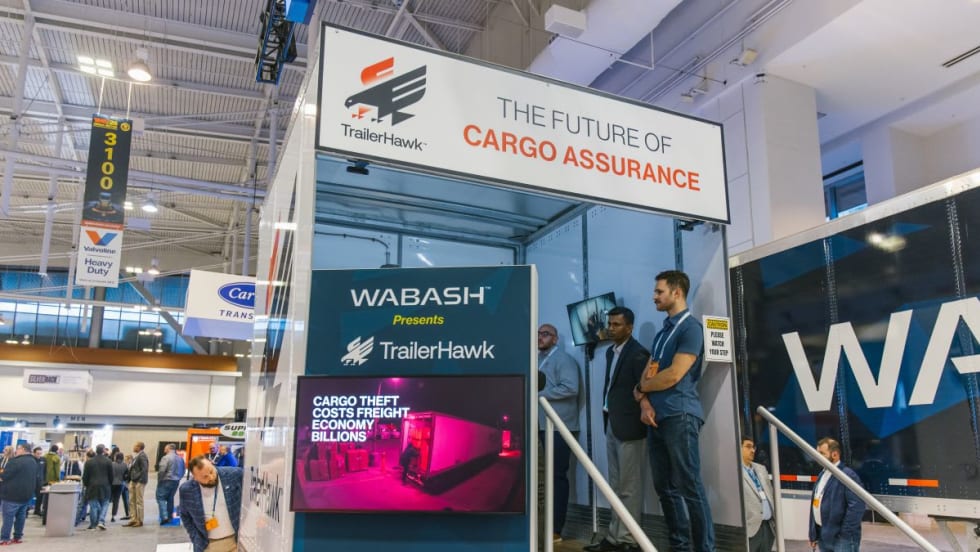
Wabash Teams Physical Security With Digital Tech For Better Cargo Visibility
The patent-pending cargo solution integrates a digitally connected cargo door and an intelligent locking system with the TrailerHawk.AI technology platform.
Read More →
From Diesel Prices to Cyberattacks: How the Iran War Is Affecting Trucking
The impact of the Iran conflict extends beyond fuel costs, bringing more fraud and cybersecurity risks to the trucking industry.
Read More →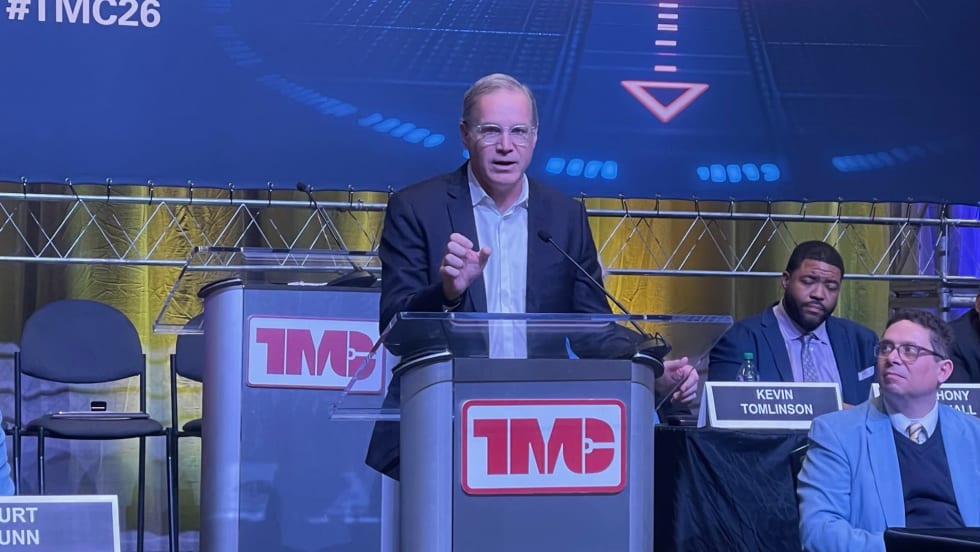
ATA’s Spear Warns Fuel Prices, Trade Policy, and Global Conflict Could Stall Trucking Recovery
Speaking at the TMC Annual Meeting in Nashville, ATA President Chris Spear said trucking faces mounting pressure from rising fuel prices, geopolitical instability, and uncertainty around trade policy.
Read More →
New Entrants, Chameleon Carriers, and Safety: Is It Too Easy to Start a Trucking Company?
More than 100,000 new trucking companies enter the industry each year, but regulators manage to audit only a fraction of them. That churn creates opportunities for inexperienced startups — and for “chameleon carriers” that shut down after safety violations and reappear under new identities. Read more from Deborah Lockridge in this commentary.
Read More →