




ATA Truck Tonnage: Modest December Gain Closes Out Tough Year
Despite a modest freight volume gain to close out 2025, overall tonnage remains subdued, according to ATA.

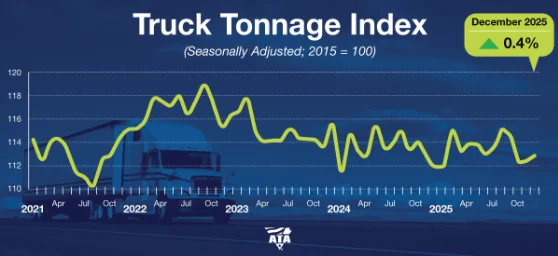
ATA reported that its seasonally adjusted truck tonnage index increased 0.4% in December, following a 0.2% gain in November.
Chart: American Trucking Associations.
U.S. truck freight volumes edged higher in December, but overall tonnage remained subdued as the industry closed out another challenging year.
In fact, the American Trucking Associations’ For-Hire Truck Tonnage Index grew only 0.1% in 2025.
Historically Soft Freight Levels Linger
ATA reported that its seasonally adjusted truck tonnage index increased 0.4% in December, following a 0.2% gain in November.
Despite the back-to-back increases, the modest improvement did little to offset sharp declines in the fall, leaving freight volumes at historically low levels.
“Despite two consecutive gains, tonnage remains at low levels as the freight metric contracted a total of 2.7% in September and October,” said ATA Chief Economist Bob Costello in a news release.
“Soft manufacturing and construction activity are continuing to suppress freight levels, as they did for much of last year.”
For all of 2025, truck tonnage rose just 0.1% compared with the 2024 average. While that marks the first annual increase since 2022, the gain underscores how difficult freight conditions remained throughout much of the year.
December’s seasonally adjusted index registered 112.9, up from 112.4 in November, using 2015 as the baseline year. On a year-over-year basis, tonnage increased 0.9% compared with December 2024, snapping two months of year-over-year declines.
An Overall Weak Fourth Quarter
Still, the fourth quarter told a weaker story. The index average for the final three months of the year fell 1.8% compared with the third quarter, marking the largest sequential quarterly decline since the second quarter of 2023. Compared with the fourth quarter of 2024, tonnage was down 0.3%.
ATA pointed to ongoing weakness in manufacturing and construction as key drags on freight demand. Both sectors have struggled to regain momentum, limiting freight opportunities even as capacity continues to slowly exit the market.
The muted growth reinforces what many carriers have been experiencing on the ground: a market that has stabilized somewhat from its lows but has yet to generate a meaningful rebound in volumes or pricing power.
The tonnage index is heavily weighted toward contract freight rather than spot market activity, making it a useful indicator of core, longer-term freight demand rather than short-term volatility.
Raw Tonnage Shows Seasonal Lift
On a not seasonally adjusted basis, which reflects raw changes in freight volumes, December tonnage totaled 111.9—up 4.3% from November’s reading of 107.3.
That increase reflects typical seasonal patterns, including year-end shipping activity, rather than a fundamental shift in freight demand.
ATA noted that November’s seasonally adjusted gain was unchanged from what it first reported in late December.
Despite the prolonged freight downturn, trucking continues to serve as a key barometer of the U.S. economy. Trucks account for 72.7% of all domestic freight tonnage, moving manufactured goods, retail products, and industrial materials across the country.
In 2024, trucks hauled an estimated 11.27 billion tons of freight. Motor carriers generated $906 billion in revenue, accounting for nearly 77% of total revenue across all freight transportation modes.
Cautious Outlook Heading into 2026
While December’s increase offers a small positive signal, the data suggest the industry is entering 2026 still searching for a sustained freight recovery.
With manufacturing and construction activity remaining soft, carriers are likely to continue operating in a cautious environment where efficiency, cost control, and disciplined capacity management remain critical.
More Fleet Management
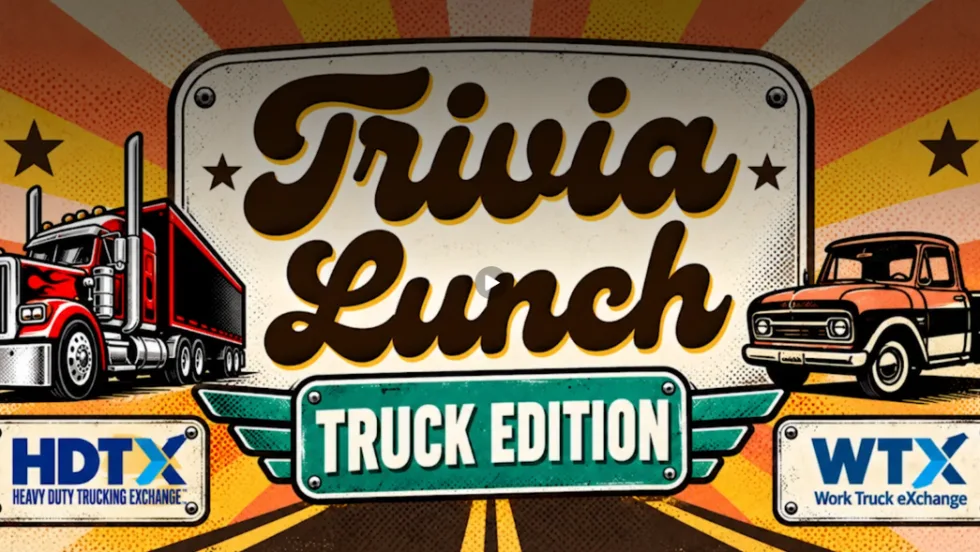
Can You Beat Our Trucking Trivia Challenge?
Test your truck knowledge with 19 trivia questions from Heavy Duty Trucking Exchange. Can you keep up with the fleet pros?
Read More →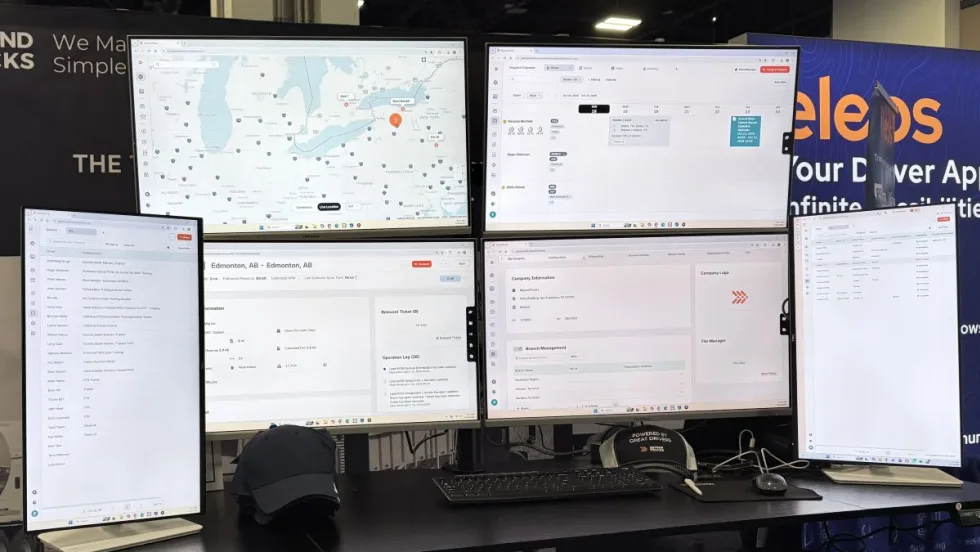
BeyondTrucks Adds Rules Checks to Dispatch
New Compatibility Engine checks driver qualifications, equipment requirements and fleet policies before loads are dispatched.
Read More →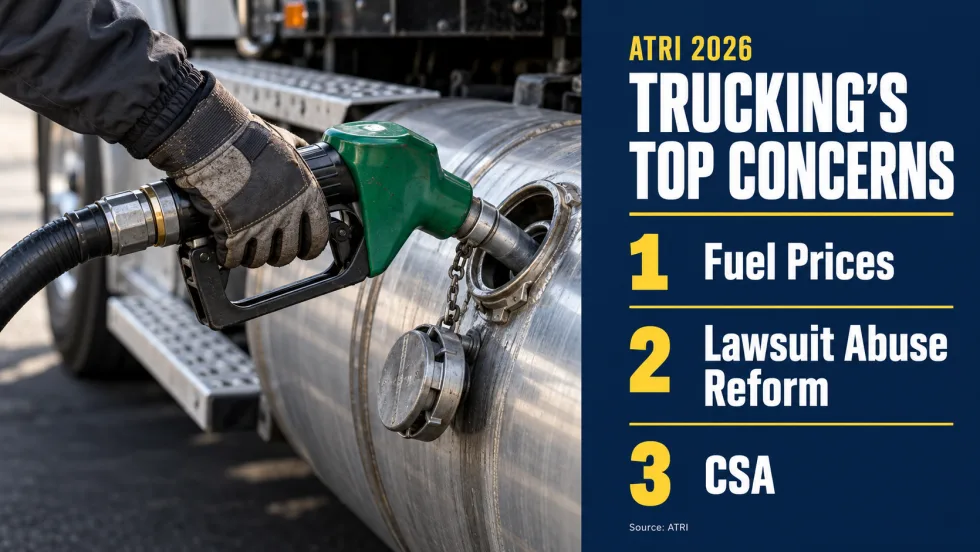
Diesel Prices Hijack Trucking’s Worry List
ATRI’s annual survey finds cautious optimism about freight, but diesel costs, litigation, and insurance continue to squeeze fleets. Drivers have different priorities on several issues.
Read More →
Nomination Deadline Extended for HDT Emerging Leaders
Just a few more days to nominate accomplished trucking fleet professionals under 40 who are making an impact and helping lead the industry forward for the HDT Emerging Leaders award. Deadline extended to October 20!
Read More →
What Will ATA’s New Leader Bring to Trucking's Table?
Incoming President and CEO Mark Colson’s record in Alabama offers clues about his priorities and approach following Chris Spear’s abrupt departure as the head of the American Trucking Associations.
Read More →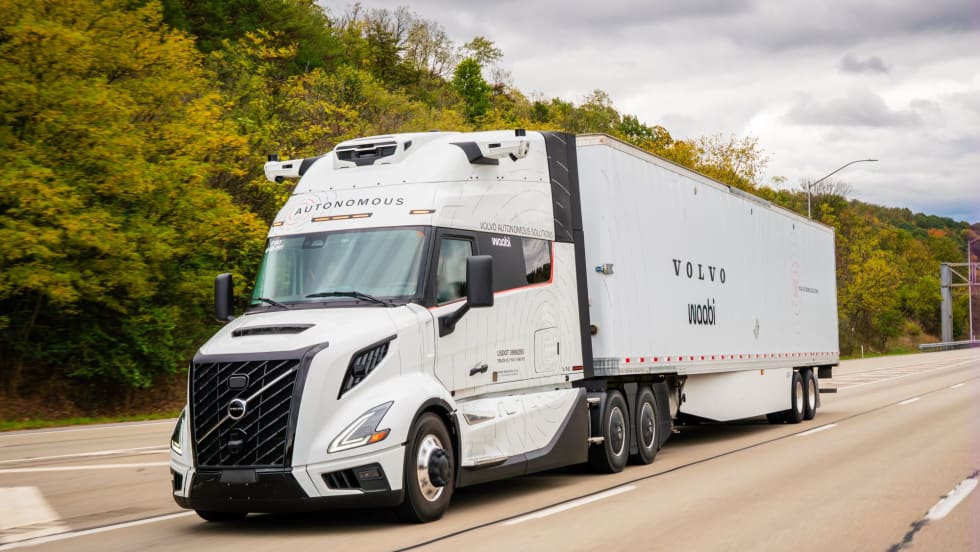
Volvo, Waabi Start Commercial Autonomous Operations in Texas
Volvo VNL Autonomous trucks, powered by the Waabi Driver, are hauling freight directly to third-party facilities for a customer in Texas.
Read More →
Samsara Launches Custom AI Agent Builder
Agent Studio lets fleets create AI tools for hours-of-service monitoring, reporting and driver support, including agents that communicate by phone.
Read More →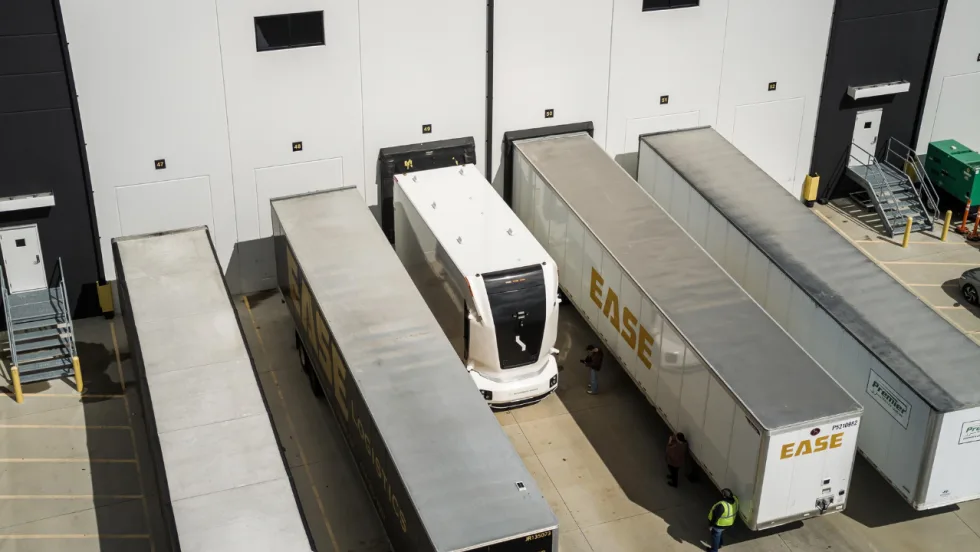
Einride Driverless Electric Trucks Begin Daily Freight Operations in Ohio
Two cabless electric trucks are hauling freight between EASE Logistics facilities in Marysville, Ohio, as part of a multi-state truck automation project.
Read More →
Geotab Links Fleet Card to Vehicle Data
The new card combines fuel discounts with telematics-based purchase controls. Geotab’s analysis also points to potential savings from choosing lower-priced fuel stops.
Read More →
How MFA Helps Protect Trucking Fleets
Multi-factor authentication adds protection when passwords are stolen. Here’s how it works and where fleets should start.
Read More →