





This is the second in a three-part report on a panel discussion and research on autonomous trucks presented by ACT Research.
ACT Research Looks at Fleets, Drivers and Autonomous Technology
ACT Research convened a panel of industry experts to explore when and how self-driving trucks will impact fleet operations – and how they will affect truck driver jobs.
November 23, 2025
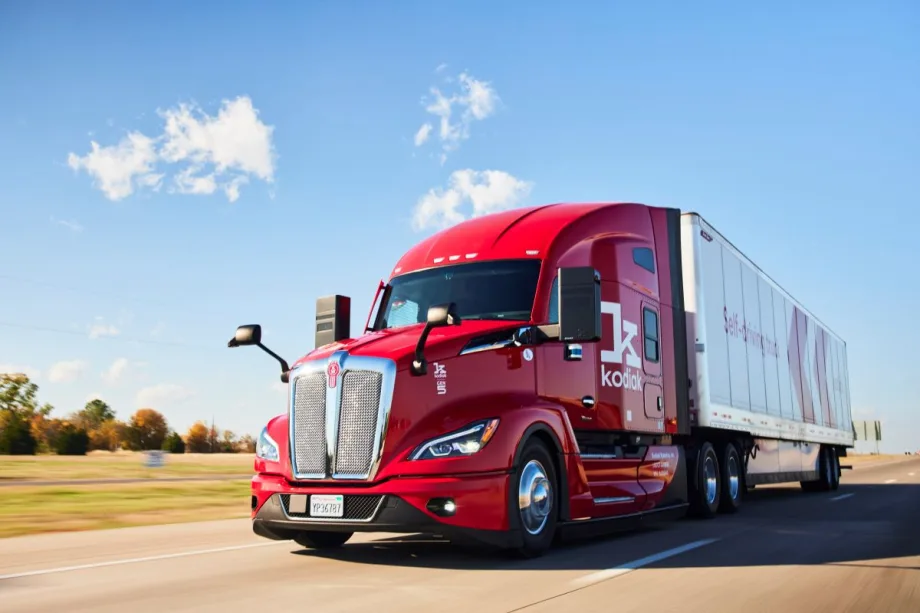
If an autonomous truck gets a load to its destination faster, can fleets charge more for that service?
Photo: Kodiak AI
5 min to read
The buzz on self-driving trucks has moved from possible to probable. And from inside the trucking industry to society as a whole. But how close are we, really, to seeing autonomous trucks in day-to-day driverless fleet operations?
To get an idea, ACT Research hosted a panel discussion on November 18, 2025, to get insights from autonomous trucking experts.
The panel was hosted by ACT Research analysts Lydia Vieth and Ann Rundle and featured:
- Josh Hankins, senior vice president, J.B. Hunt Transport Services
- Daniel Goff, vice president of external affairs, Kodiak AI
- Paul Konasewich, general manager, Paccar.
New Fleet Metrics to Measure
Earlier in the discussion, Vieth asked the panel what challenges still remain before autonomous technology can be safely adopted by North American fleets.
Paul Konasewich, Paccar: New Cost Metrics
There are a couple of things that I think are both opportunities but could also be challenging for the industry.
One is that the cost per mile is a really important metric. I wonder if the traditional ways of looking at cost per mile, and even more importantly, value per mile, are going to actually be a little bit different in the autonomy world.
You know, the ability to not have hours of service, the ability to safely run 2024 hours, in the dead of night, where probably would rather not have somebody driving?
How will the industry get its head around putting some value on those benefits? Because we know the cost side of evaluating new technologies — especially in their early days — is hard to do.
Josh Hankins, J.B. Hunt: Can We Charge More For Using Autonomous Trucks?
That’s a great point. There are a couple of things that seem like low-hanging fruit for fleets to me. One is inventory holding costs.
Another is timeliness. If we can get a load there sooner, and take a layover out of the trip? Can we charge extra for that?
I think another one is, does this technology allow for some staffing from a loading-unloading perspective? Can you keep operations flowing smoothly in your warehouses so that you don’t have to worry about freight fluctuations and overtime so much?
So to Paul’s point, it’s not just a cost-per-load or a cost-per-mile metric anymore. It's becomes the cost of goods flowing through my supply chain. And that scenario more easily allows us to factor in transportation costs. Because before, we looked at inventory and transportation costs almost completely separately.
Daniel Goff, Kodiak AI: Weird Stuff Out in West Texas
We're really focused on deploying this technology where it's needed most and where it can provide the most value upfront.
We are currently running 10 driverless trucks with Atlas Energy Solutions in the West Texas oil fields. And you just have to trust me on this – but there’s a lot of weird stuff that happens on West Texas oil field roads. But that’s fine. Because that really helps us strengthen the system we are developing.
We're also focused on J.B. Hunt. We've been hauling freight with them for two plus years now between Dallas and Atlanta. That is a tough route to service. There aren’t a lot of people who love driving two, three times a week back and forth between Dallas and Atlanta.
Which is why I think it will be those more difficult, more expensive-to-serve applications where we'll see autonomous technology adopted first.
And as the cost curve comes down over the next ever-how-many years, I think we’ll see its gradual expansion into other routes and other applications. But the first use cases aren’t going to be everywhere all at once.

Autonomous trucks will bring significant change to every aspect of fleet operations, experts on the ACT Research panel said.
Screen Grab: ACT Research
What About Human Drivers and Driving Jobs?
ACT Research next asked one of the most common questions regarding driverless truck technology: What will happen to truck-driving jobs in North America when it comes into common use?
Josh Hankins, J.B. Hunt: Addressing Inefficiencies
I don't think autonomous trucks are going to be a threat to our need for workforce at all. We're still going to need new entrants into the truck driving workforce at a very high rate.
There are several different studies that show the average age of truck drivers nationally. And the bottom line is that a very large percentage of that population is nearing retirement.
So, autonomous technology can become a very nice supplement to the need for new drivers to replace them as they phase out of the workforce.
But I do think autonomous technology will prompt driving jobs to evolve. And I think a lot of those driving jobs will become more local in nature.
That’s because autonomous technology will let us address inefficiencies in long-haul routes caused by layovers. And that creates a value proposition for a whole lot of people inside of the supply chain.
So, I think we’re still going to need drivers. I think we’re still going to need new, young drivers. But I also think we will see fewer long-haul drivers as this technology gets ironed out.
Daniel Goff, Kodiak AI: Driverless is Not ‘Humanless’
I'll add a couple of maybe small points. One is, you know, we always say driverless is not “humanless.”
It takes a lot of people to maintain, build and oversee a driverless fleet. To some extent, we’re going to be talking about creating jobs as monitors and assistants. And of course, there will be maintenance jobs.
To some extent, what we’re talking about is shifting the workforce in trucking away from people in the cab and to people near the cab.
And I think, you know, there are some people for whom that shift may not be super appealing. But as Josh said, there are going to be plenty of local driving jobs.
And there will be all sorts of other opportunities as well. There are also people for whom that shift really is appealing. And we have a lot of former truck drivers who work in our operations center. And they’re very happy to have that kind of role. They love trucking.
And despite what some people say, I think truck drivers have often pretty nuanced opinions on this subject. A lot of them see the benefits to this technology. And they get that this is something that’s really needed. They know lots of people they work with every day who will find the kinds of jobs autonomous technology will offer appealing.
More Fleet Management
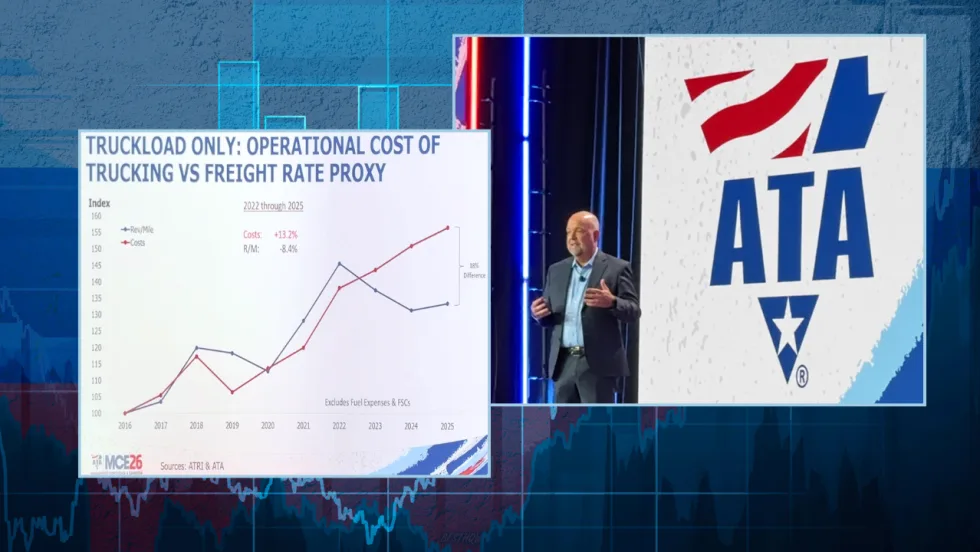
Why This Trucking Recovery Is Different
Freight demand remains sluggish, but rising costs and tougher enforcement have taken enough capacity out of the market to change the outlook for motor carriers.
Read More →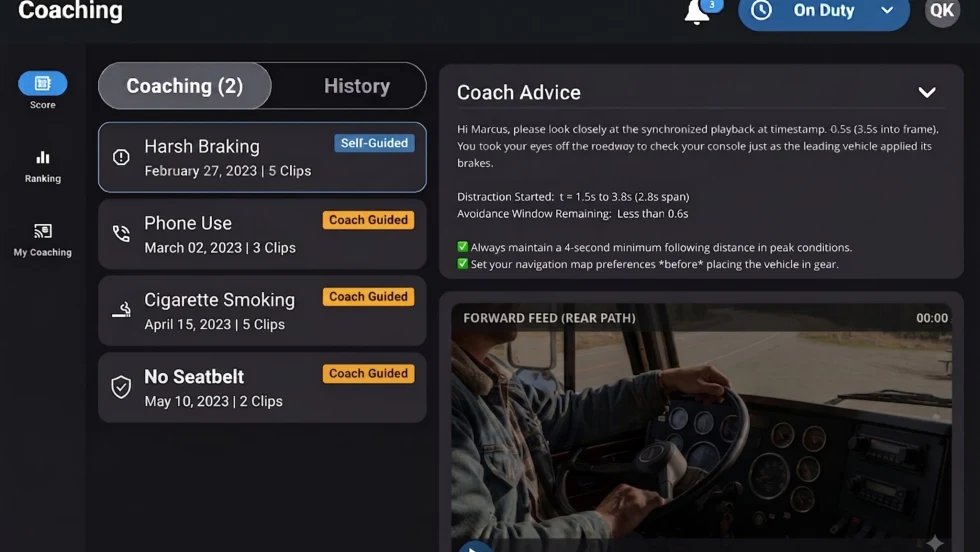
Platform Science Adds Dispatch and Safety Tools
Four additions to PS Fleet help fleets monitor loads, manage driver coaching, share truck locations and adjust video system settings.
Read More →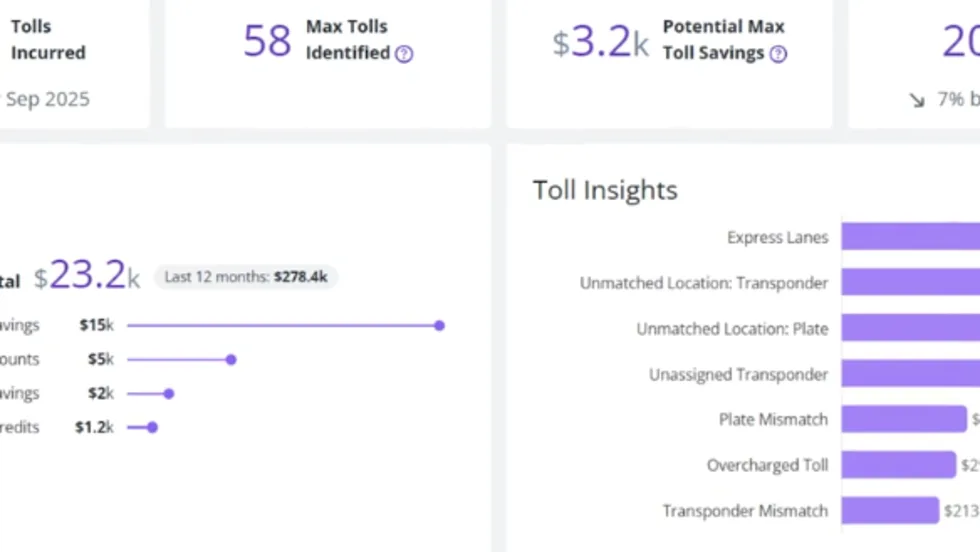
PrePass Intelligence Mines Fleet Bypass, Toll and Safety Data
PrePass Intelligence helps fleets measure bypass savings, flag potential toll overcharges, and spot suspicious transactions by combining data from separate systems.
Read More →
Motive Adds AI Agents for Fleet Operations
New tools automate follow-up on fleet data, from maintenance work orders to driver alerts, with two-way voice conversations planned for later this year.
Read More →
Can You Beat Our Trucking Trivia Challenge?
Test your truck knowledge with 19 trivia questions from Heavy Duty Trucking Exchange. Can you keep up with the fleet pros?
Read More →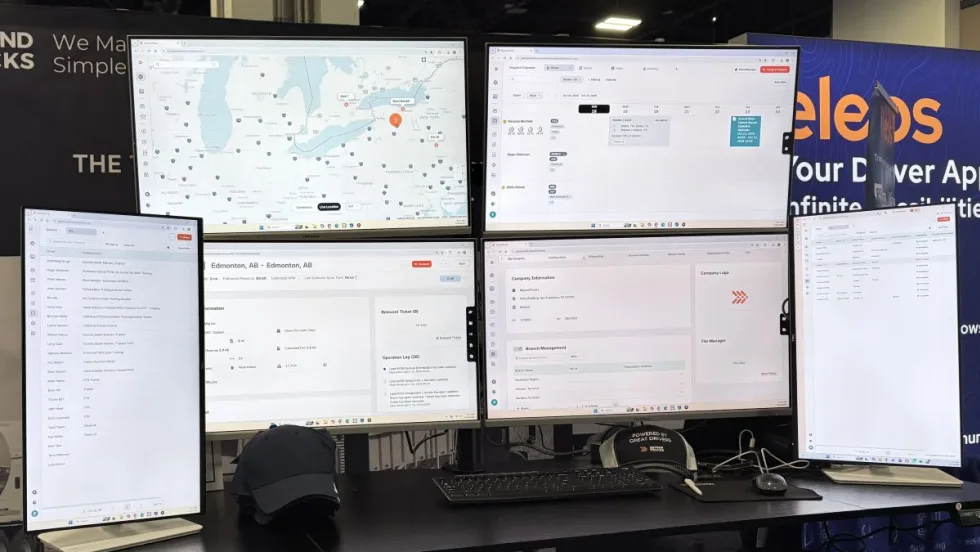
BeyondTrucks Adds Rules Checks to Dispatch
New Compatibility Engine checks driver qualifications, equipment requirements and fleet policies before loads are dispatched.
Read More →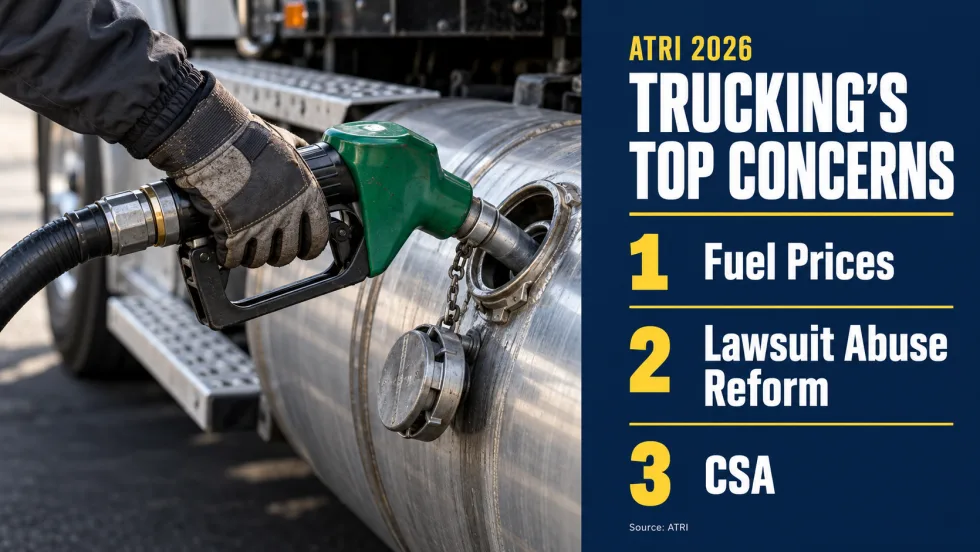
Diesel Prices Hijack Trucking’s Worry List
ATRI’s annual survey finds cautious optimism about freight, but diesel costs, litigation, and insurance continue to squeeze fleets. Drivers have different priorities on several issues.
Read More →
Nomination Deadline Extended for HDT Emerging Leaders
Just a few more days to nominate accomplished trucking fleet professionals under 40 who are making an impact and helping lead the industry forward for the HDT Emerging Leaders award. Deadline extended to October 20!
Read More →
What Will ATA’s New Leader Bring to Trucking's Table?
Incoming President and CEO Mark Colson’s record in Alabama offers clues about his priorities and approach following Chris Spear’s abrupt departure as the head of the American Trucking Associations.
Read More →
Volvo, Waabi Start Commercial Autonomous Operations in Texas
Volvo VNL Autonomous trucks, powered by the Waabi Driver, are hauling freight directly to third-party facilities for a customer in Texas.
Read More →