




Talke USA and Symbio Partner on Hydrogen Drayage Trucks
Two Freightliner hydrogen-electric trucks will begin operations in Houston next year.

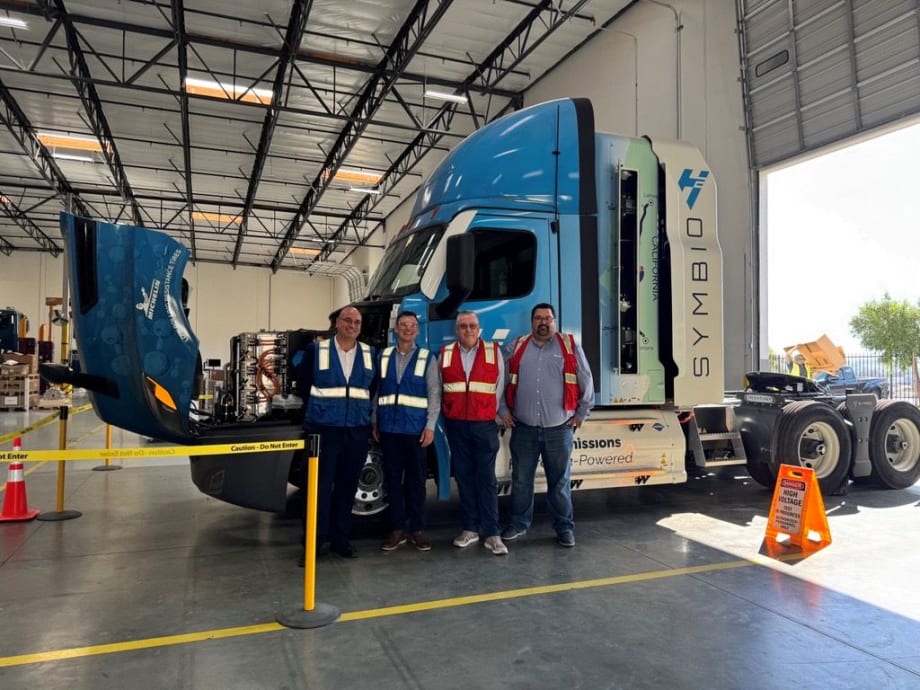
Symbio North America is refitting two Freightliner Cascadias with hydrogen fuel cell technology to be used in Talke USA drayage operations.
Photo: Talke USA
Talke USA announced it is advancing its sustainability strategy with the addition of two hydrogen-powered Class-8 Freightliner Cascadia tractors to its drayage fleet.
The trucks will be retrofitted by Symbio North America Corporation. The trucks will use the group’s proprietary fuel cell system and hydrogen-electric powertrain design to meet the performance and safety demands of chemical logistics.
Rapidly Evolving Technology
This collaboration marks a significant step in Talke USA’s efforts to decarbonize chemical logistics while maintaining the highest standards of safety and reliability, the company said.
The new hydrogen-powered trucks are engineered for the rigorous requirements of drayage use, supporting both environmental goals and operational excellence.
“This investment reflects our long-term vision for sustainable logistics,” said Alexander Boehm, chief operating officer of Talke USA.
“By integrating Symbio’s advanced hydrogen-electric systems into our fleet, we’re reducing emissions while actively contributing to the development of a hydrogen ecosystem for heavy transport — laying the groundwork for a scalable, commercially viable and sustainable future in logistics.”
“Hydrogen technology is evolving rapidly, and partnerships like this are essential to bridge the gap between innovation and infrastructure, added Richard Heath, CEO and president, Talke USA.
“Operating in Houston, a designated hydrogen hub, gives us a strategic advantage as we scale up clean transport solutions.”
2026 Deployment For Hydrogen-Electric Drayage Trucks
The new trucks will be tailored for Talke’s drayage operations, supporting short-haul movements while reducing emissions.
This initiative is part of Talke’s broader ESG program, Crafting Responsible Logistics, which focuses on climate-friendly solutions that meet today’s operational needs while preparing for tomorrow’s challenges.
The units are expected to be fully operational in 2026. The company said the move will further accelerate its targets for carbon reduction, while maintaining the highest standards of reliability and service.
More Fuel Smarts

East Coast Port Launches $45M Electric Truck Push
The Port Authority of New York and New Jersey announced millions in incentives for zero-emission drayage trucks, yard tractors, and new charging hubs near the port.
Read More →
California Bill Could Shed Light on Electric Truck Prices
Why do battery-electric Class 8 trucks remain so expensive? A California bill headed to Gov. Gavin Newsom would give fleets and state agencies more visibility into what manufacturers charge.
Read More →
Detroit Opens Orders for EPA 2027 Engines
Detroit isn’t starting from scratch to meet EPA 2027 diesel emissions standards. Its Gen 6 DD13 and DD15 engines keep much of today’s platform while updating the fuel and aftertreatment systems.
Read More →
Zero-Emission Truck Corridor Planned for West Coast
California, Oregon, Washington, British Columbia and Baja California are coordinating plans for truck charging and hydrogen fueling from Canada to Mexico.
Read More →
A Closer Look at Kenworth’s Electric T880E Vocational Truck [Video]
Learn more about Kenworth's T880E battery-electric vocational truck at the Paccar Technical Center, including its range, applications, upfitting considerations, and PTO options, in this HDT Spotlight video.
Read More →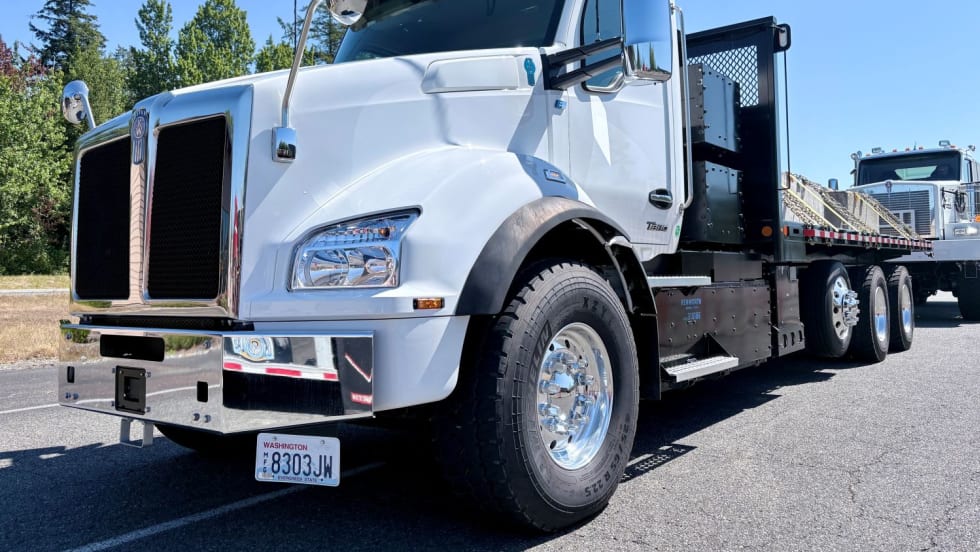
Kenworth T880E Brings EV Power to Vocational Trucks
A closer look at the Kenworth T880E’s range, charging, powertrain and upfit options — and where fleets are showing the most interest.
Read More →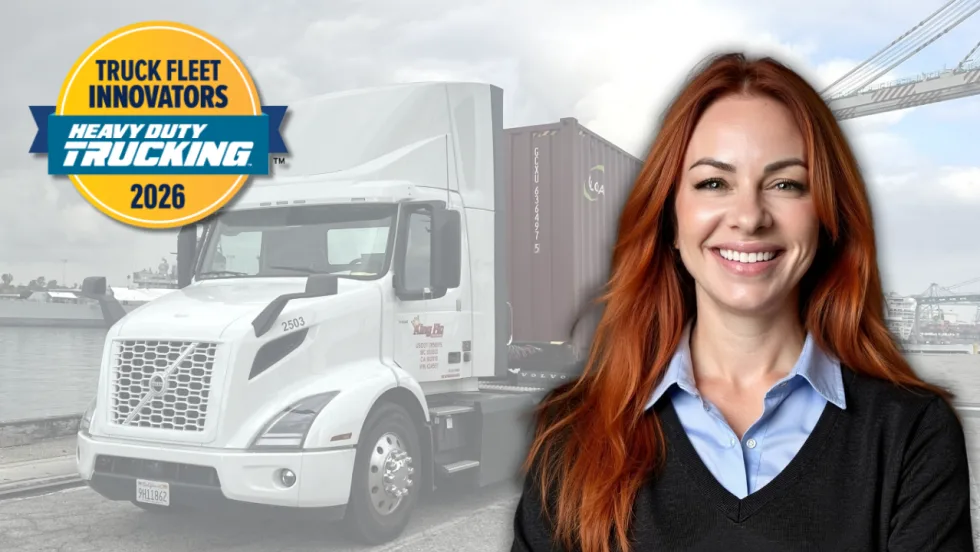
Jennie Abarca Is Proving Electric Trucks Can Do the Job
HDT Truck Fleet Innovator Jennie Abarca is building confidence in fleet electrification one load at a time while openly sharing the challenges she encounters along the way as a small-fleet owner.
Read More →
Cummins Adjusts 2027 Engine Rollout After EPA Proposal
The engine maker will gradually introduce its new Model Year 2027 diesel engines while continuing to offer current models during the transition, citing the EPA's proposed emissions rule changes.
Read More →
EPA Proposal Could Ease 2027 Truck Costs and Buying Uncertainty
The proposal doesn't change the tougher NOx standard, but it would revise key implementation requirements that manufacturers say have driven up costs and complicated fleet purchasing decisions.
Read More →
Cummins, Paccar Ease DEF Derates After EPA Guidance
Updated diesel engine software gives truck operators more time to address emissions-system issues while staying compliant with EPA emissions standards.
Read More →