





Liability Nightmare: Your DOT Medical Exam Forms Probably Have Errors
FMCSA Extends Waiver on Digital Medical Cards
The Federal Motor Carrier Safety Administration has extended a waiver of new medical card requirements. Originally set to expire on Sunday, October 12, the waiver now expires on January 10, 2026.
October 10, 2025
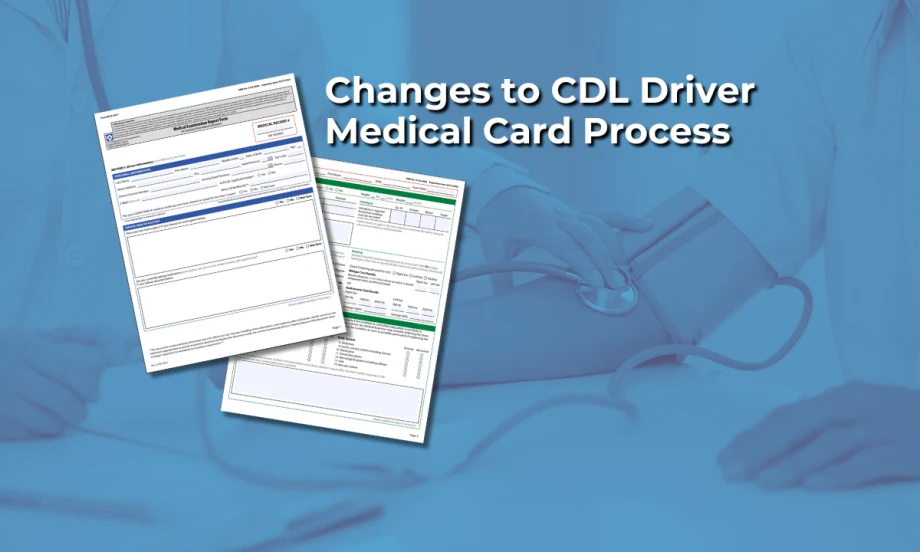
Facing continued delays at the state level in moving to a digital medical card process for commercial drivers, the FMCSA has extended a waiver.
HDT Graphic
3 min to read
The Federal Motor Carrier Safety Administration has extended a waiver of new medical card requirements. Originally set to expire on Sunday, October 12, the waiver now expires on January 10, 2026.
The Federal Motor Carrier Safety Administration initially put the waiver in place in July after it became clear that many states were not ready for a June deadline that changed the process of sending commercial driver medical cards to state licensing agencies.
What Changed in the Medical Card Process?
The medical certificate, often referred to as a med card, confirms that drivers are physically qualified to drive a commercial motor vehicle under federal regulations, based on a medical exam by a professional on the FMCSA's National Registry of Certified Medical Examiners.
Drivers with commercial driver’s license were responsible for giving a paper copy of medical card to their state’s driver licensing agency.
The medical professionals performing those exams were required to submit results to the FMCSA registry of certified examiners, but that process was often delayed or incomplete. Meanwhile, state licensing agencies had to manually update those license records.
The Medical Examiner’s Certification Integration final rule was originally published in 2015, but the full rollout has been slow.
Under new integration rules that were scheduled to go into effect on June 23, drivers no longer have to provide a paper copy of their medical card to their state’s driver licensing agency. Now, certified medical examiners will send the medical exam results directly to the national registry at FMCSA.
The FMCSA then will electronically transmit those results to state licensing agencies, which will link them up with that driver’s records.
What the Waiver Does for Trucking Companies and Truck Drivers
However, according to the renewed waiver, there are still 12 states that have not yet implemented what is called NRII and are continuing to rely on the paper medical examiners’ certificate.
“FMCSA is aware that during this initial period of transition to NRII, some CLP applicants and CDL holders may face delays in the time between receipt of their medical certification and the update to their CDLIS driver MVR as medical examiners and SDLAs onboard to the new system," FMCSA said in its renewed waiver.
Under the waiver, motor carriers can continue to use a copy of the medical examiner’s certificate as proof of the driver’s medical certification for up to 60 days from the date of the medical certification.
Similarly, commercial drivers can continue to use a copy of the paper medical card as proof of the driver’s medical certification for up to 60 days from the date of the medical certification.
FMCSA strongly recommends that medical examiners continue to issue paper med cards to drivers until further notice, in addition to submitting the results electronically,
The paper copy allows the driver to troubleshoot and resolve issues with their state driver licensing agencies during the transition.
Which States Aren't Ready?
As of October 10, there are still 12 states whose licensing agencies aren't able to accept these electronic transmissions. CDL drivers in these states are instructed to continue following the old process of obtaining a paper med card and taking it to their state licensing agency to link with their driving record.
Alaska
California
Florida
Iowa
Kentucky
Louisiana
New Hampshire
New Jersey
New York
Oklahoma
Vermont
Wyoming
More Drivers
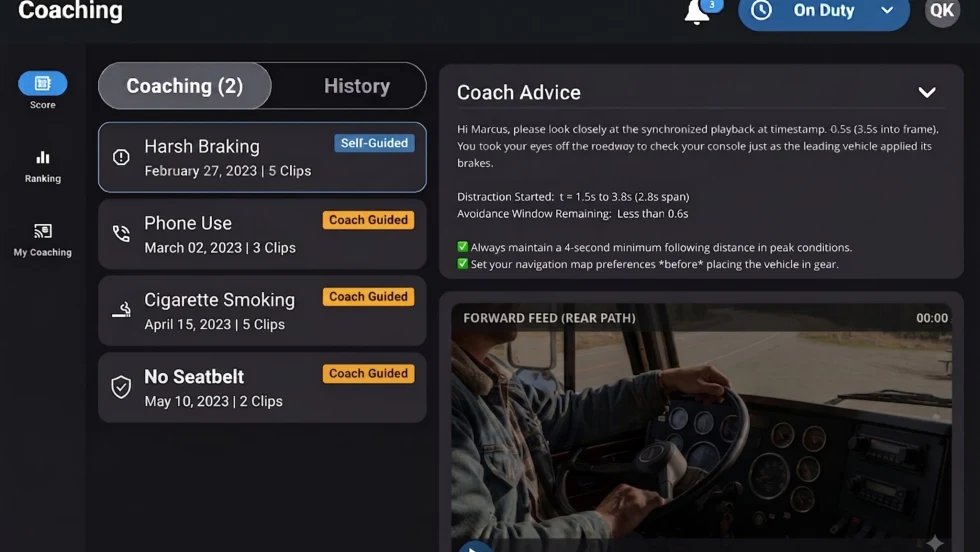
Platform Science Adds Dispatch and Safety Tools
Four additions to PS Fleet help fleets monitor loads, manage driver coaching, share truck locations and adjust video system settings.
Read More →
When Language Stops the Truck: The Return of ELP Out-of-Service Orders
English language proficiency rules for commercial drivers aren’t new, but renewed out-of-service enforcement has raised the stakes. Here’s what carriers need to know before a driver reaches a roadside inspection.
Read More →
Samsara Launches Custom AI Agent Builder
Agent Studio lets fleets create AI tools for hours-of-service monitoring, reporting and driver support, including agents that communicate by phone.
Read More →
Trucker Path Expands Reserved Parking Network
Trucker Path has added close to 6,000 more truck parking spaces to its Trucker Path Reserved Parking Network with the addition of Safe Truck Parking.
Read More →
EEOC Sues Texas Trucking Company Over Driver Age Limits
The agency says Trancasa USA rejected applicants over 65 and applied tougher driving-record standards to those over 60.
Read More →
Nussbaum, Roehl Announce Second Driver Pay Increase This Year
This year has seen a swath of major truck driver pay increases as freight capacity has tightened.
Read More →
From One Generation to the Next: How Mentorship Builds Safer Truck Drivers
After three decades in trucking, Harold Perry shares what he's learned about driver safety, mentorship, and helping the next generation build confidence behind the wheel.
Read More →
Truck Drivers Need More Than Another Alert
Fleets have more visibility into truck health, safety events, and driver activity than ever. The next challenge is turning all that information into useful guidance for the person who has to decide what to do next.
Read More →
FMCSA Removes 110 Truck Driver Training Schools from Certified ELDT List
Federal regulators also are targeting more than 160 additional training providers and launching a nationwide audit of third-party CDL skills testers as part of a broader crackdown on trucking fraud.
Read More →
Hours of Service Pilot Programs: FMCSA Readies for 2027 Rollout
Two pilot programs could eventually reshape hours-of-service rules, giving truck drivers options to pause their 14-hour clock or use longer split sleeper rest periods.
Read More →