





Related: New York City's ‘Bronx is Breathing’ Project Supports Electric Trucks
Mack LRs Power Chicago's First Electric Refuse Fleet
Republic Services introduced Chicago’s first electric refuse trucks, marking a step toward cleaner, quieter waste collection across the city.
August 20, 2025
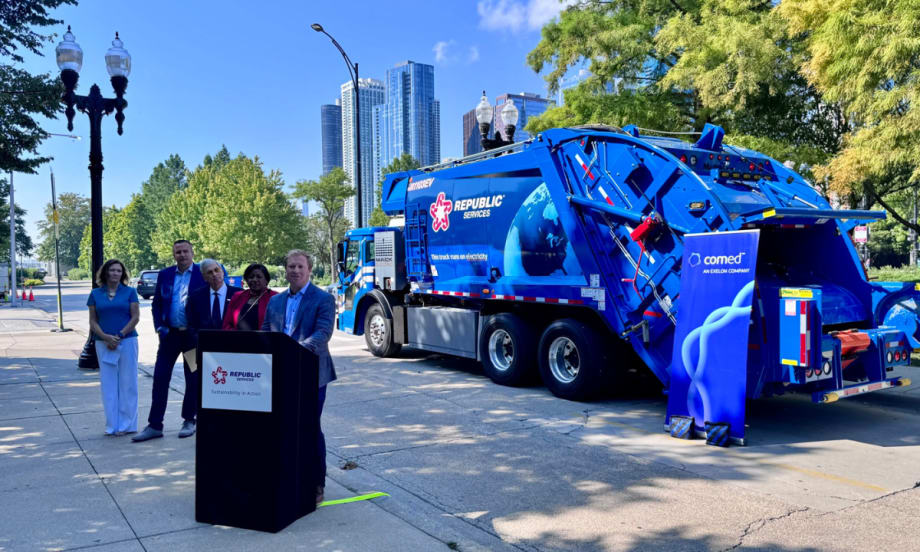
Republic Services, Mack Trucks, and ComEd leaders highlight the launch of Chicago’s first electric refuse fleet during an event on Aug. 14. Pictured from left: Marilynn Gardner, Navy Pier president and CEO; Matt Healy, Republic Services Group area president; Dr. Anthony Marinelli, Respiratory Health Association; Melissa Washington, ComEd SVP; and Brett Rogers, Republic Services Group vice president of operation technology.
Photo: Mack Trucks
1 min to read
Republic Services Group introduced Chicago’s first electric refuse trucks with the deployment of two Mack LR Electric vehicles. The announcement was marked at a ceremony on August 14 with company executives and partners, including representatives from Mack Trucks and ComEd.
Attendees included:
Marilynn Gardner, president and CEO of Navy Pier
Matt Healy, area president, Republic Services Group
Anthony Marinelli, Respiratory Health Association
Melissa Washington, SVP, ComEd
Brett Rogers, VP of operation technology, Republic Services Group
Vehicle Overview
The Mack LR Electric is designed for refuse operations with a battery-electric powertrain that produces zero local emissions. It features quieter operation compared to diesel-powered counterparts, an advantage for early morning collection routes.
The model maintains the durability of Mack’s diesel lineup while supporting fleet sustainability initiatives and improving air quality in urban areas, according to a news release from Mack.
Its low cab-forward design and tight turning radius are suited for residential and commercial waste collection routes.
More Fuel Smarts

Cummins Adjusts 2027 Engine Rollout After EPA Proposal
The engine maker will gradually introduce its new Model Year 2027 diesel engines while continuing to offer current models during the transition, citing the EPA's proposed emissions rule changes.
Read More →
EPA Proposal Could Ease 2027 Truck Costs and Buying Uncertainty
The proposal doesn't change the tougher NOx standard, but it would revise key implementation requirements that manufacturers say have driven up costs and complicated fleet purchasing decisions.
Read More →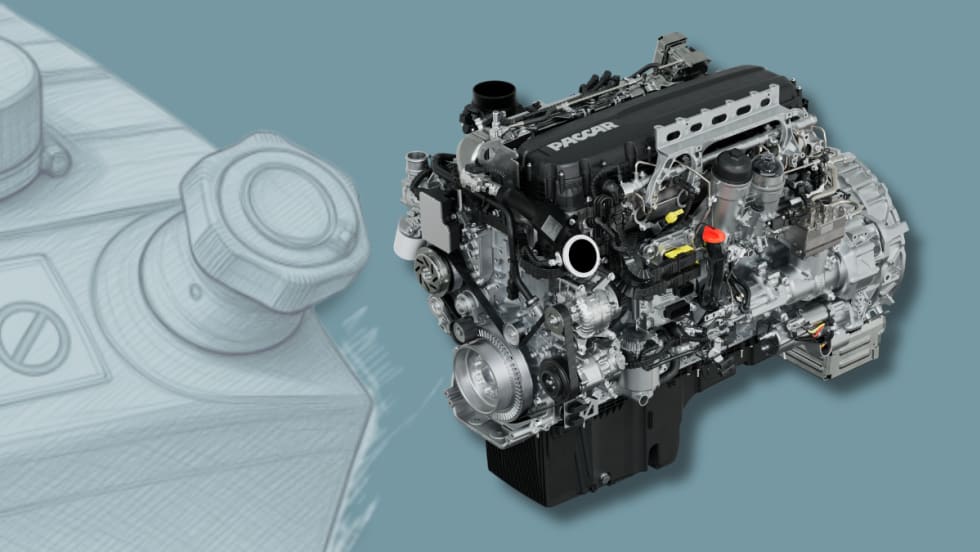
Cummins, Paccar Ease DEF Derates After EPA Guidance
Updated diesel engine software gives truck operators more time to address emissions-system issues while staying compliant with EPA emissions standards.
Read More →
Maintenance in the Messy Middle Part 3: Biodiesel
Biodiesel can reduce emissions, improve fuel-system lubricity and use existing diesel infrastructure. But NACFE’s Messy Middle maintenance report says fleets must actively manage storage, cold-weather operation, filters and oil drain intervals to avoid problems.
Read More →
Enhance Fleet Performance with High-Efficiency Auxiliary Power Units
Drive sustainable cost savings while increasing driver comfort during short- and long-haul logistics operations.
Read More →
Maintenance in the ‘Messy Middle’ Part 2: Renewable Diesel Fuel
NACFE's latest Messy Middle Powertrain Service & Maintenance report says renewable diesel gives fleets an opportunity to reduce carbon emissions without changing trucks, fueling infrastructure or maintenance practices. But technicians still need to understand several important operational differences.
Read More →
The Diesel Engine Enters NACFE’s ‘Messy Middle’
NACFE’s new Messy Middle Powertrain Service & Maintenance report says keeping modern diesel engines running now depends as much on software, diagnostics and data as traditional mechanical service.
Read More →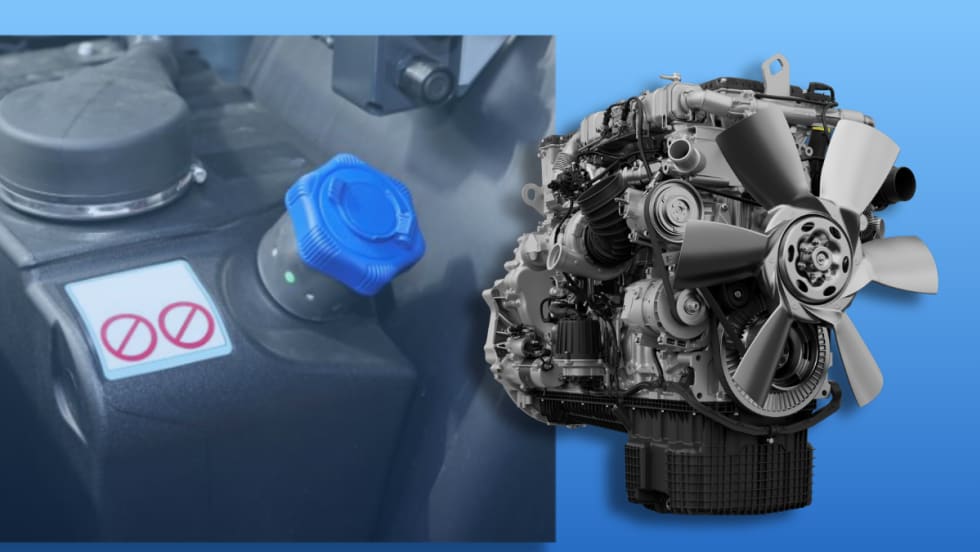
DTNA Software Update Gives Truckers More Time Before DEF Derates Take Effect
The changes reflect EPA guidance aimed at reducing downtime caused by emissions-system faults while maintaining compliance requirements.
Read More →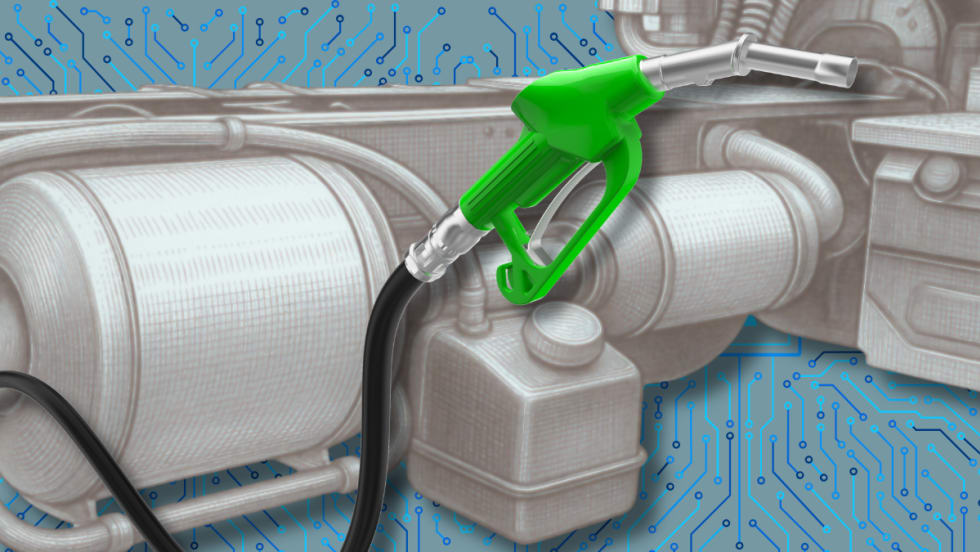
New Agentic Predictive Maintenance Report Demonstrates How Degraded Aftertreatment Systems Waste Fuel
Questar analyzed a large mixed-class fleet and discovered it was wasting as much as $30 in fuel per vehicle, per day, because of mechanically degraded aftertreatment systems.
Read More →
New York City's Microhub Project is Delivering Results
Trucking, last-mile delivery companies, and environmental advocates like what they are seeing so far with New York's microhub program.
Read More →