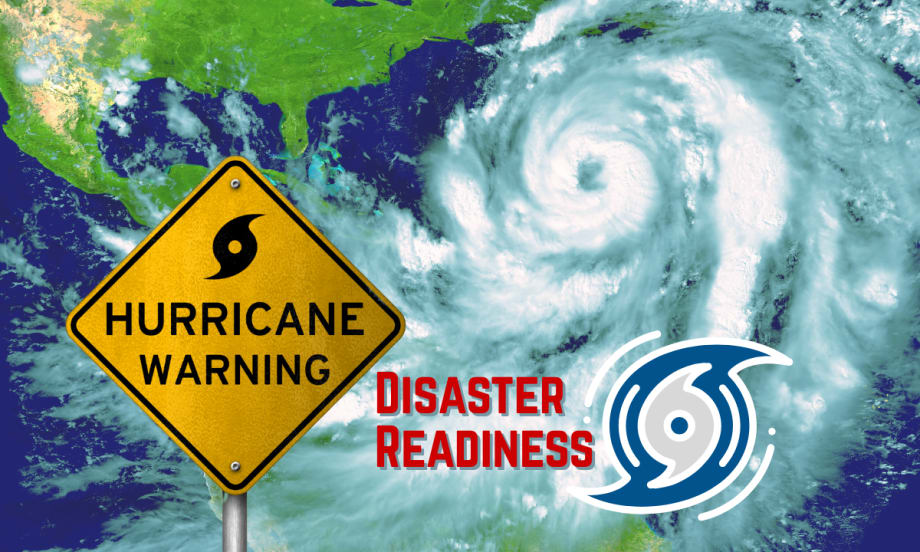
At least one hurricane will likely hit the United States in the next few months. Now is the time for your trucking company to revisit your hurricane preparation and recovery plans.
The American Logistics Aid Network (ALAN), which provides supply chain assistance to disaster relief organizations, urges trucking and logistics companies to act now — before hurricane season reaches its peak.
We know... hurricane prep isn’t the most seasonal topic in the middle of summer fun. But with the worst storms often striking later in the season (through November 30), this reminder actually is right on time.
We can’t say for sure exactly how this year’s hurricane season will unfold, we do feel confident predicting that:
- At least one hurricane will likely hit the United States in the next few months. In fact, the National Oceanic and Atmospheric Administration (NOAA) and its National Hurricane Center expect 2025 to be another busy hurricane season, with more named storms than average.
- When that hurricane hits, millions of lives and countless supply chains will be disrupted.
- Companies like yours have the potential to significantly reduce the loss of life and devastation and hasten the road to recovery.
Now is the time to revisit your hurricane preparation and recovery plans.
Review Your Fleet's Current Disaster Plan
Start with an honest look at potential weaknesses. Does your current disaster plan consider what you've learned during recent hurricane seasons?
For instance, as Hurricane Helene showed, you can’t assume that coastal operations and supply chains are the only ones at risk. Many hurricanes can and do travel much farther inland.
Second, just like it’s a good idea to make sure your phones and other critical electronic devices are charged, make sure your company is well plugged into reliable sources of hurricane-related information.
Bookmark trusted resources like Ready.gov and sign up for free access to ALAN’s Supply Chain Intelligence Center. These offer real-time disaster insights and planning tools.
Put People First in Disaster Planning for Your Trucking Fleet
Above all, make sure your plans put people first.
Reexamine closure policies to ensure employees in a hurricane’s path have time to evacuate or shelter. Schedule a hurricane preparedness event or safety drills.
If a named storm does affect you, prioritize checking in with potentially impacted employees (along with helping them and their families as needed).
Once you’ve covered these basics, consider how your business could help with humanitarian efforts. No matter where a hurricane hits or what kind of havoc it creates, there are many ways the logistics community can help.
Test Your Hurricane Knowledge
(See answers below)
1. On average, how many hurricanes hit the United States each year?
A. 1
B. 5
C. 10
D. Too many to name
2. Which resource helps monitor hurricanes or supply chain impacts?
A. The National Hurricane Center
B. Your local National Weather Service forecast
C. ALAN’s Supply Chain Intelligence Center
D. All of the above.
3. What does the Saffir-Simpson hurricane scale measure?
A. Storm size
B. Wind speed and the possible damage it will cause
C. How fast a storm is moving
D. Estimated rainfall and flooding
E. Possible storm surge
F. All of the above
4. True or False: A hurricane can cause damage or put residents at risk in an area even if it doesn’t make landfall there.
A. True
B. False
5. Many items donated to product collection drives end up in _______ rather than hurricane survivors’ hands.
A. Landfills
B. Toledo
C. Garage sales
D. Their original location
6. Why do relief organizations ask you to avoid self-deploying to a disaster zone?
A. They want all the credit for helping.
B. You could be putting yourself in harm’s way.
C. You could get in the way of rescue and relief efforts.
D. B and C
7. Logistics expenses can be what percentage of disaster relief costs?
A. 10%
B. 20%
C. 40%
D. 80%
8. Communities need help ________ after hurricanes hit.
A. Hours
B. Days
C. Weeks
D. Months
E. Years
F. All of the above
Check Your Answers
1. On average, how many hurricanes hit the United States each year?
Answer: B. According to the National Hurricane Center, an average of five hurricanes make U.S. landfall yearly during a typical three-year period.
2. Which of the following offers free resources for monitoring hurricanes or their supply chain impacts?
Answer: D, all of the above. For anyone near a hurricane’s path, the National Hurricane Center and your local National Weather Service forecast are great resources for storm updates. ALAN’s Supply Chain Intelligence Center offers real-time updates about hurricanes’ effects on roadways, ports, and airports, including the latest closures.
3. What does the Saffir-Simpson hurricane scale measure?
Answer: B. The Saffir-Simpson scale was created to help explain and quantify the damage buildings will sustain during different wind speeds. It does not measure any of the other hazards or factors that are associated with a hurricane, including things like flooding. So don’t judge a hurricane’s potential dangers — or make your decision about how to prepare — based on Saffir-Simpson category alone.
4. True or False: It’s possible for a hurricane to damage an area or put residents at risk even if it doesn’t directly make landfall there.
Answer: True. Hurricane-force winds can extend 25-150 miles beyond the area a hurricane directly passes through. Tropical storm-force winds, which can also be highly dangerous and damaging, can extend even farther. In addition, storm surge can be present miles away from a storm’s landfall.
5. Fill in the blank: Many items donated to product collection drives wind up in ________ rather than hurricane survivors’ hands.
Answer: A, Landfills. Even some of the most practical items people donate to post-disaster product collection drives often go to waste. Consider giving money or donating logistics services and equipment to help with hurricane relief efforts instead, especially in a hurricane’s immediate aftermath.
6. Why do relief organizations like ALAN ask you to refrain from self-deploying to a community that has been hit by a hurricane or other disaster?
Answer: D. People who self-deploy to disaster sites often create more challenges than they solve, adding superfluous products and people to a supply chain already under tremendous strain. Ultimately, there are many more meaningful ways you can be of immediate help, and that will support, rather than get in the way of, rescue and relief efforts.
7. Logistics expenses account for as much as what percentage of post-disaster relief costs?
Answer: D. Many factors make post-disaster logistics extremely expensive, accounting for up to 80% of all disaster relief spending, including damaged roads, last-minute shifts in a disaster’s path, flooded conditions, and sudden, massive surges in demand. These hurdles often prevent disaster relief organizations from using their logistics budgets as effectively as possible. That, in turn, means up to 40% of these well-intended efforts go to waste. It’s one reason donated logistics space and services are so valuable.
8. Fill in the blank: Communities need help with hurricane relief _____ after hurricanes hit
Answer: F. All of the above — hours, days, weeks, and months. While some aspects of hurricane relief start taking place immediately, others (like clean-up and rebuilding) tend to occur considerably later. If your company doesn’t have an opportunity to immediately help after a hurricane, hang tight. Your assistance could be exactly what’s needed later on.