




Scania and DHL Testing Fuel-Extended Electric Truck
Scania and DHL believe electric vehicles with fuel-powered range extender could be an interim solution while fully electric trucks are being scaled and charging infrastructure built, the companies said.

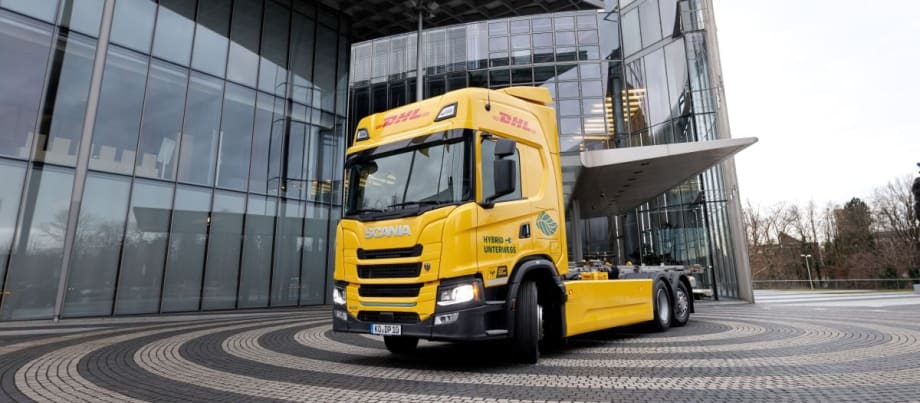
Scania and DHL are jointly developing a Class 8 electric truck with a range-extending fuel-powered generator on board.
Photo: Scania
Scania and DHL Group have jointly developed an electric truck with a fuel-powered generator, the companies announced.
This technology makes it possible to shift to battery-electric road transport without having to wait for a complete charging network.
Transitional Technology
According to the companies, fully electric vehicles are the ultimate solution in a sustainable transport system, and the shift to electric needs to accelerate now.
There are, however, hurdles standing in the way of fully electric trucks. These include the lack of charging points, the high costs of ensuring enough charging capacity at the depots during seasonal peaks. Scania and DHL also point to strain on the grid and high spot prices for electricity on for instance calm winter days.
This is where Scania and DHL’s Extended Range Electric Vehicle (EREV) comes into the picture.
The vehicle helps to overcome these hurdles while enabling DHL to drive 80% – 90% of the time on renewable electricity. This is thanks to a fuel-powered generator, which replaces one of the battery packs.
The new e-truck will be deployed by the Post & Parcel Germany division in February for parcel transport between Berlin and Hamburg to test its performance in day-to-day operations. Eventually, additional vehicles are added to DHL’s fleet.
The fuel-powered generator replaces one of the battery packs in a fully electric truck not needed for the majority of the transport routes, thus reducing the range coming from the batteries, but providing back-up energy for the mentioned scenarios. The vehicle has a possible range of 650 to 800 kilometers (subject to the findings from the test) and can be refueled at any conventional petrol station, if needed.
This compares with the 550-kilometer range of Scania’s 100% electric trucks with an equivalent maximum weight, the OEM said.
A Pragmatic Sustainable Logistics Solution
“It is going to take some time before renewable electricity is available,” said DHL Group CEO Tobias Meyer. “The grid and charging infrastructure are available and robust enough to rely fully on battery-electric trucks, especially for a large-scale system like the German parcel network of DHL. Instead of waiting for this day to come, DHL and Scania are collaborating on a pragmatic solution for making logistics more sustainable and reduce CO2 emissions by more than 80%. This vehicle is a sensible, practical solution that can make an immediate contribution to reducing greenhouse gas emissions in freight transport short-term. Such reductions should be proportionally reflected in the road toll pricing and EU fleet emission scheme. We see this collaboration as a successful innovation project of two companies committed to battle climate change.”
The EREV has been developed by Scania Pilot Partner, which the OEM launched to explore new transportation technologies and solutions.
Scania Pilot Partner is working together with DHL as a strategic partner to develop the new truck.
The Swedish truck OEM has been working on other hybrid powertrain solutions for heavy trucks, as well.
According to the companies, range-extended electric vehicles offer a promising interim solution for significant CO2 emission reductions. This is especially true, they said, where infrastructure and other conditions for fully electric transport are lacking.
A Messy Middle Solution
“The future is electric, but perfect must not be the enemy of good as we are getting there,” said Christian Levin, CEO, Scania. “The vehicle we have developed together with DHL is an example of interim solutions that can enhance the scaling of decarbonized heavy transport before the transport system eventually becomes 100 percent electrified. An effective climate transition requires that policymakers accept such solutions, while ramping up their investments in public infrastructure and other enabling conditions.”
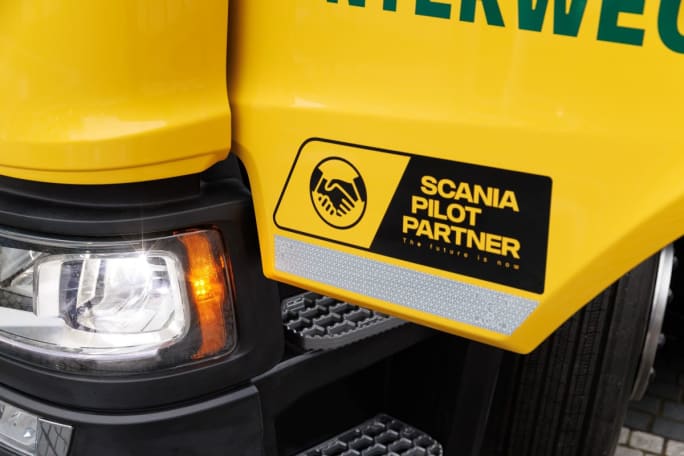
Scania Pilot Partner explores new transportation technologies and solutions.
Photo: Scania
The EREV is a 10.5-meter-long truck with a maximum weight of 40 metric tons, powered by a 230kW electric engine (295 kW peak).
Energy is delivered by a 416-kWh battery and a 120-kW gasoline powered generator. With the aid of the onboard generator – initially powered by petrol and later by diesel fuel or renewable diesel fuel – the truck’s range extends up to 800 kilometers.
EREVs can be equipped with software limiting the usage of the fuel-powered generator. This allows CO2 emissions to be reduced and limited to a specified level.
The truck’s maximum speed is 89 km/h. It features a cargo capacity of approximately 1,000 parcels (volume of a swap body). The truck can also pull a trailer with an additional swap body.
The vehicle is to be deployed for “main carriage” transport between the cities of Berlin and Hamburg.
More Fuel Smarts

Wex Adds Cardless Fuel Payments for Over-the-Road Customers
A new fuel card feature for Wex customers offers convenience and security.
Read More →
New California Law Could Shed Light on Electric Truck Prices
Why do battery-electric Class 8 trucks remain so expensive? A California bill signed by Gov. Gavin Newsom would give fleets and state agencies more visibility into what manufacturers charge.
Read More →
How Volvo Updated Its D13 for EPA 2027 [Watch]
Volvo’s updated D13 promises lower emissions without sacrificing performance or fuel economy. Take a closer look at what changed inside the engine in this HDT Spotlight video.
Read More →

Diesel Price Spike Shortens Payback for Natural Gas Trucks, Report Says
Energy Vision estimates fleets could recover the higher purchase price of an RNG-fueled Class 8 tractor in 1.3 to 2.8 years under current fuel-price scenarios.
Read More →
Calstart Becomes Catalyst Mobility, Reflecting Broader Focus
Calstart is now Catalyst Mobility, reflecting the nonprofit’s growing national role in clean transportation, including zero-emission trucks, infrastructure and incentive programs.
Read More →
Record Diesel Prices Squeeze Trucking Fleets
Average U.S. diesel prices have climbed to nearly $6 a gallon, surpassing the 2022 record as tight refinery capacity and Middle East disruptions keep fuel costs elevated.
Read More →
How Fuel Delivery Shapes Engine Performance
Fuel delivery depends on more than what happens at the injector. For fleet, maintenance and technical professionals, looking at the full path from pump to injector can provide useful context for understanding engine performance.
Read More →
East Coast Port Launches $45M Electric Truck Push
The Port Authority of New York and New Jersey announced millions in incentives for zero-emission drayage trucks, yard tractors, and new charging hubs near the port.
Read More →
Detroit Opens Orders for EPA 2027 Engines
Detroit isn’t starting from scratch to meet EPA 2027 diesel emissions standards. Its Gen 6 DD13 and DD15 engines keep much of today’s platform while updating the fuel and aftertreatment systems.
Read More →
Zero-Emission Truck Corridor Planned for West Coast
California, Oregon, Washington, British Columbia and Baja California are coordinating plans for truck charging and hydrogen fueling from Canada to Mexico.
Read More →